Exploring the History and Benefits of Iranian Saffron
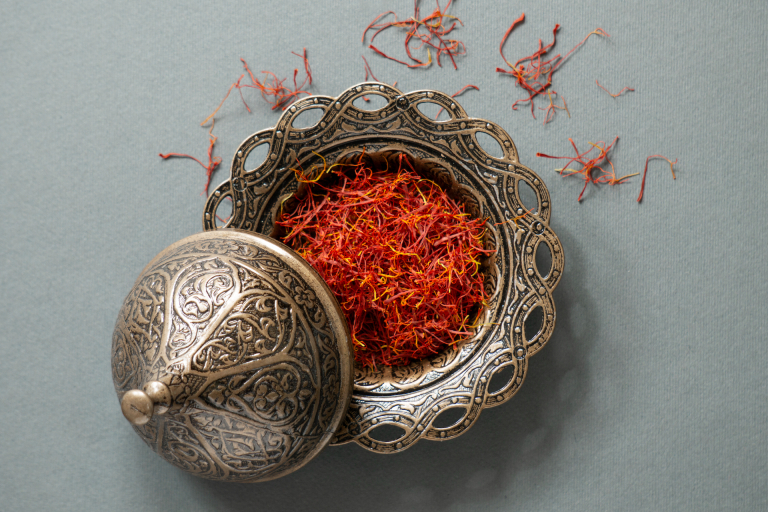
Throughout history, more than 100,000 plant species have been identified for use as spices, yet only a small number have achieved global commercial significance. Among them, saffron stands out as one of the world’s most prized and valuable spices.
In this blog, we take a closer look at Iranian saffron, often called “red gold.” This remarkable spice has travelled through centuries of trade, culture, and cuisine to become a staple in households and supermarkets around the world.
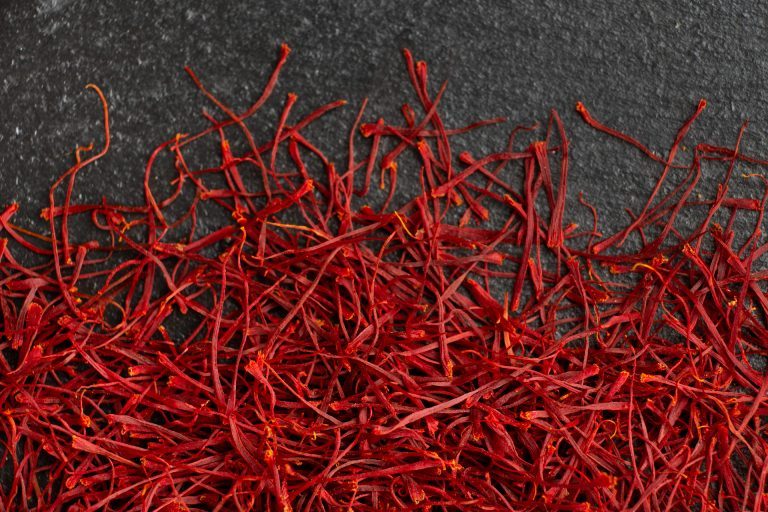
These delicate dried threads, known as stigmas, are taken from the Crocus sativus flower. Saffron is valued across many industries, including food, beverages, perfumery, skincare, and traditional medicine, thanks to its distinctive colour, aroma, and properties.
Saffron is used in several key areas:
- Medicinal raw materials
- Cosmetics
- Food flavouring
- Ornamental flowers
In this quick guide, we explore the history of saffron, its uses, and why it remains one of the most desirable spices in the world.
History of Saffron
Let us begin with the long history that helped saffron become one of the most celebrated spices in the world.
The timeline of saffron- 2000–1800 BC: One of the earliest known depictions of saffron appears on ancient pottery, showing its presence thousands of years ago.
- 7th century BC: Saffron is mentioned in an Assyrian botanical treatise, providing early written evidence of its significance.
- 300–200 BC: Ancient records suggest saffron from Persia was introduced to China, helping expand its reach.
- 10th century AD: Saffron remained highly valued, with evidence of its use in Persian royal textiles and ceremonial items.
- 1350: Saffron cultivation was introduced to England, showing its spread into Western Europe.
- Late Middle Ages: Nuremberg became an important European saffron trade centre, and anti-counterfeiting rules were introduced.
- 14th century: During the Black Death, saffron demand increased because of its perceived medicinal value.
- 16th century: Cheppinge Walden in Essex became known as Saffron Walden because of its strong saffron trade.
- 17th century AD: Saffron cultivation expanded significantly in Kashmir, strengthening its place in global trade.
- 21st century: Saffron continues to attract global demand for its culinary, cultural, and economic value.
Iranian Saffron
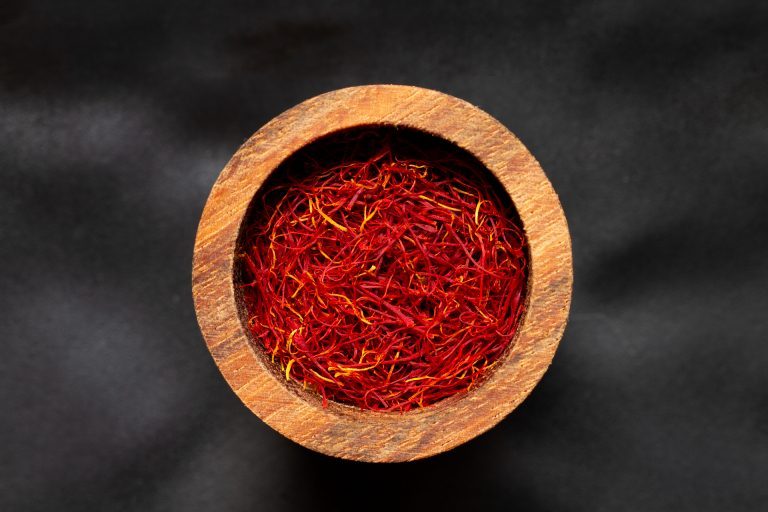
Saffron is known for its hay-like fragrance, slightly bitter taste, and golden-yellow colour. It has been cultivated for thousands of years, with Iran, Spain, India, and Greece among the best-known producers. Iran, however, is widely recognised as the leading source of high-quality saffron.
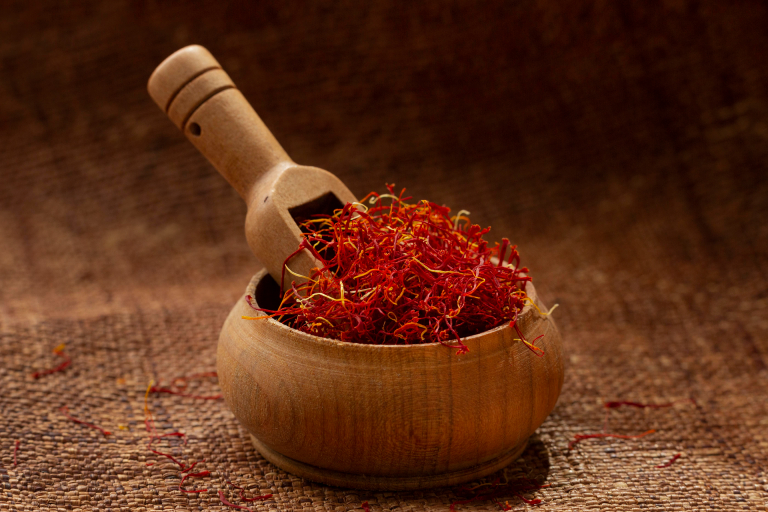
Iranian saffron is especially prized for its quality, colour, and aroma. Much of it comes from Khorasan Province in north-eastern Iran, with important growing areas including Ghayen, Torbat-e Heydarieh, Birjand, and Ferdows.
Top 5 Benefits of Iranian Saffron
- Culinary use
Saffron is celebrated for its distinctive flavour and aroma in both sweet and savoury cooking. It adds colour, fragrance, and depth to dishes across the Mediterranean, Middle East, Asia, and Europe. Popular examples include saffron chicken tagine, risotto alla Milanese, steamed saffron rice with tahdig, biryani, and desserts such as kesar kulfi.
- Traditional wellness use
Saffron contains a complex mix of natural compounds, including safranal, crocin, carotenoids, flavonoids, riboflavin, and other plant substances. It has long been valued in traditional use for its antioxidant and anti-inflammatory properties, and it has historically been associated with support for mood, memory, and general wellbeing.
- Cosmetic and beauty applications
Saffron’s natural compounds also make it a valuable ingredient in beauty and skincare products. It is often used in face masks, serums, and creams because of its association with brighter-looking skin and improved texture.
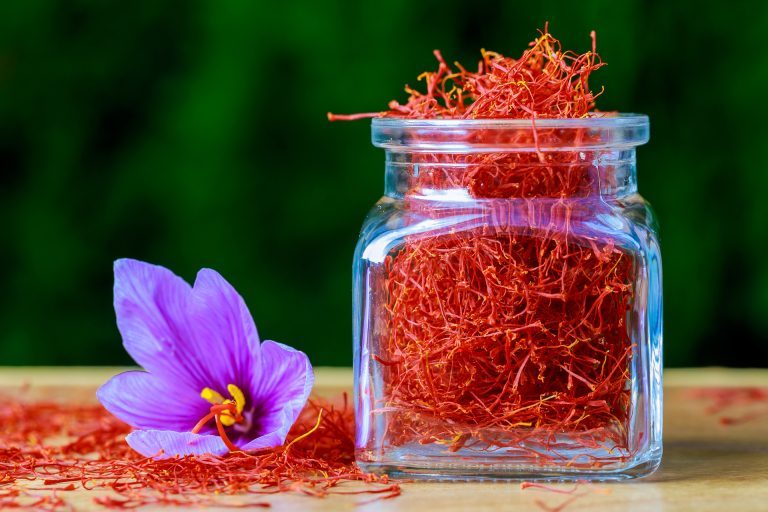
Luxury skincare brands often include saffron in premium products, especially those designed to promote radiance and a healthy-looking complexion.
- Textile dyeing
The pigments in saffron make it a natural dye for textiles, producing warm, earthy tones. In some regions, saffron has historically been used to dye fabrics such as silk and cotton, linking it to eco-friendly and traditional dyeing methods.
- Cultural significance
Saffron holds an important place in many cultural traditions, ceremonies, and festive occasions. In Iran, it is strongly connected with Nowruz celebrations. In Kashmir, it appears in traditional wazwan feasts, while in Sweden it is associated with Lucia Day saffron buns.
- Economic value
Saffron cultivation plays an important role in the economies of the regions where it is grown. Because harvesting is done by hand and requires great care, saffron remains a high-value product that supports local livelihoods and international trade.
Saffron is sold in thread, powder, and liquid forms, with thread saffron often considered the premium category. Prices can vary widely depending on quality, grade, and origin.
Some of the notable names in the saffron market include:
- Good Life Global
- Mehr Azin Bonab
- Esfahan Pishro
- Damon Enterprises
- Royal Saffron
- Linkage Internationals
- HEA & Co Spanish
- JMD Agro Foods
- Saffron Business Co.
- Iran Saffron Company
Why Is Iranian Saffron So Expensive?
This is one of the most common questions people ask about saffron. For centuries, saffron has been regarded as one of the most precious spices in the world because of its rarity, labour-intensive production, and high value.
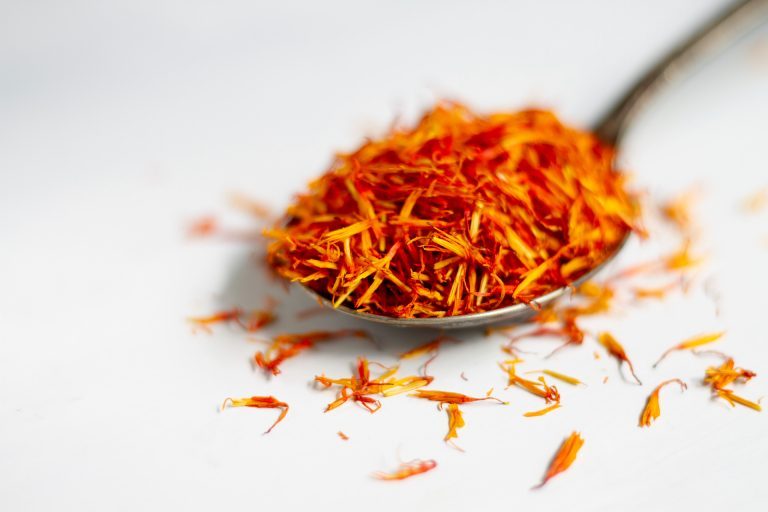
The high price of Iranian saffron comes down to several key factors:
- Labour-intensive harvesting
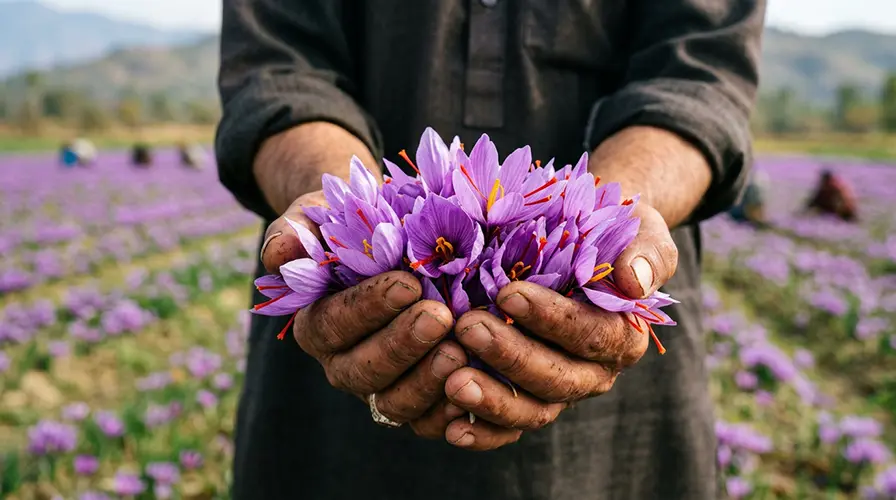
Saffron threads come from the stigma of the Crocus sativus flower, and each flower produces only a few usable threads. To collect a significant quantity of saffron, thousands of flowers must be picked and processed by hand. This careful method helps preserve quality, but it also makes production expensive.
 2. Limited harvest window
Saffron is harvested only once a year, usually over a short autumn period. Because the harvest window is narrow and the flowers must be collected quickly, the spice remains naturally scarce.
3. Strict growing conditionsSaffron requires specific climate and soil conditions, which limits where it can be grown successfully. This restricts global production and contributes to its premium price.
 4. Quality factors
The quality of saffron depends on several details, including stigma length, colour strength, drying method, and storage conditions. High-grade saffron requires careful handling throughout the entire process.
5. Limited corm lifespanSaffron corms can only produce strong harvests for a limited number of years. Over time, soil depletion and reduced productivity mean fields need long recovery periods, which adds to the sustainability and production challenges.
Conclusion
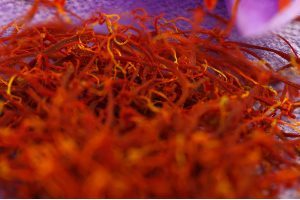
Iranian saffron remains a symbol of culinary luxury, tradition, and craftsmanship. From the fertile fields of Iran to kitchens around the world, it adds elegance, depth, and distinctive character to food and other products.
Whether you value it for cooking, gifting, or its cultural significance, saffron continues to justify its reputation as one of the world’s most exceptional spices.
ASA Market offers premium saffron across the UK and beyond. For larger quantities, you can contact us by email or telephone.