Buying Iranian food online in the UK is often the easiest way to find the rice, saffron, dried herbs, pickles, tea, sweets and other products used in Persian cooking. Instead of relying on the limited international aisle of a general supermarket, shoppers can browse specialist retailers that organise products around Iranian and Middle Eastern food traditions. The challenge is knowing what kind of food service you need, how to assess a retailer and which ingredients deserve a place in your first order.
This guide focuses mainly on groceries, pantry products, snacks, drinks and ready meals rather than hot restaurant delivery. It explains where to look, how to check whether a product matches your expectations and how to build a practical Iranian pantry without filling your basket with items you do not yet know how to use.
Where can you buy authentic Iranian food online in the UK?
Specialist Persian and Iranian online supermarkets are generally the most practical starting point. Retailers such as ASA Market allow shoppers to look for multiple types of Iranian groceries in one place, rather than searching separately for rice, herbs, tea, pickles and sweets. A specialist shop can also make it easier to recognise Iranian product names, compare brands and find ingredients that may not appear in a mainstream supermarket.
Start by deciding whether you want ingredients for home cooking, packaged food that needs little preparation or a hot meal from a local restaurant. These are different services. A grocery retailer may deliver pantry products to many locations but not offer food for immediate consumption, while a restaurant delivery platform may bring a cooked meal locally without selling full-size bags of rice or pantry jars.
If your priority is a broad grocery order, consult a focused overview of where to buy Iranian groceries in the UK, then compare the available listings with your cooking plans. Availability, delivery coverage and product formats can change, so verify current information on the retailer’s product and policy pages before paying.
Iranian groceries, prepared meals or restaurant delivery: what are you looking for?
The phrase “Iranian food online UK” can describe several kinds of shopping. Clarifying your goal at the beginning saves time and helps you choose a suitable seller.
Online Iranian grocery shops
An Iranian supermarket online is best suited to pantry restocking and planned home cooking. Typical searches include rice, pulses, dried herbs, spices, preserved vegetables, tea, drinks, confectionery, nuts, dried fruit and cooking ingredients. Some retailers may also list refrigerated, frozen or prepared products, although those categories can have different delivery conditions.
Specialist shops are particularly useful when a recipe names an ingredient that is difficult to identify in English. Listings may show both the Persian or transliterated name and an English description, helping you distinguish products that can look similar. Package photographs can also help returning shoppers recognise a familiar brand or format.
For a more detailed category-by-category approach, use this complete guide to buying Persian groceries online as a companion when planning a larger pantry order.
Prepared and ready-to-eat Iranian food
Prepared food sits between grocery shopping and restaurant delivery. It may include a complete meal, a component intended to accompany rice or a packaged product that requires heating or another final preparation step. Do not assume that “ready meal” always means ready to eat straight from the package.
Before ordering, check whether the product is shelf-stable, chilled or frozen. Read the serving and preparation instructions, the stated storage requirements, the ingredients and allergen information, and any date information shown on the packaging or listing. Also confirm the pack size and number of intended servings. A photograph can make a package appear larger than it is, while a weight alone may not tell you how many people it suits.
If the listing does not answer an important storage or preparation question, contact the retailer before ordering. This is especially important when a product requires controlled-temperature delivery or when no one will be available to receive the parcel.
Persian restaurant delivery and takeaway
Choose restaurant delivery when you want a freshly cooked meal for immediate consumption. This service is normally local and may depend on your postcode, the restaurant’s opening hours and the delivery radius of its ordering platform.
Restaurant menus and grocery catalogues can overlap in name but not in purpose. Ordering a prepared rice dish from a restaurant is different from buying uncooked Iranian rice for several meals at home. Likewise, a restaurant side of pickles is not a replacement for a pantry jar if you want to serve torshi over time. Search for local Persian takeaway when convenience is the priority, and use a specialist grocery shop when you want ingredients, packaged products or a repeatable pantry supply.
How to choose a trustworthy Iranian online food shop
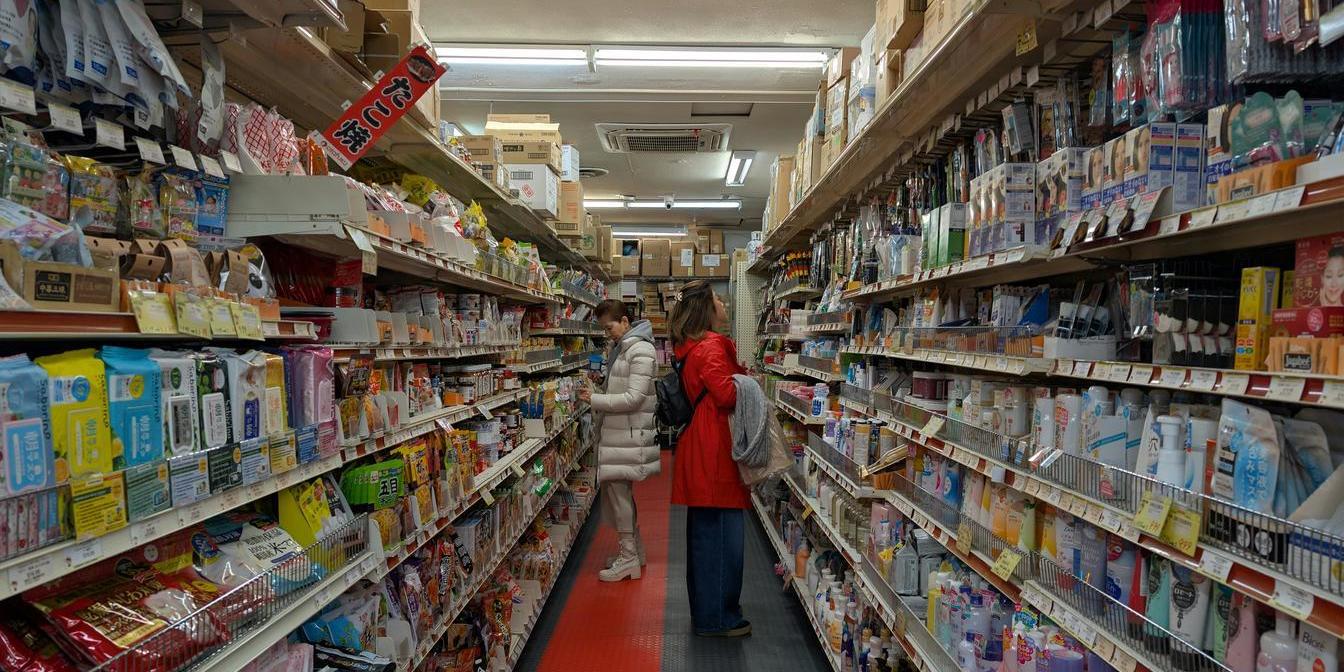
A polished website is helpful, but it is not enough on its own. A trustworthy shopping decision depends on clear product information, visible policies and a realistic match between the retailer’s delivery service and the contents of your basket. Use the following checks before placing your first order.
Check the product identity and country of origin
Iranian, Persian-style and broadly Middle Eastern products may appear beside one another in the same shop. These descriptions are not automatically interchangeable. If the country of production matters to you, look for an explicit origin statement on the listing or package rather than relying on colours, script, imagery or the product category.
Review the brand name, full product name, pack photograph, net quantity and any origin information provided. When replacing a product you have used before, compare the package carefully because brands may offer several versions or sizes. When trying something unfamiliar, search the listing for an English explanation of what the product is and how it is normally used.
“Authentic” can refer to origin, brand familiarity, traditional use or flavour expectations. It is therefore better to use specific evidence than to treat authenticity as a single label. A clearly identified Iranian rice has a different type of authenticity signal from a Persian-style food manufactured elsewhere using a relevant recipe.
Read ingredients, allergens and storage instructions
Never infer dietary suitability from a product’s name or cuisine. Read the current ingredients and allergen information on the listing and confirm it against the physical package when the order arrives. If you need to avoid a particular ingredient or allergen, ask the retailer for clarification when the information is incomplete.
Storage requirements deserve equal attention. Pantry jars, chilled foods, frozen products and opened packages may all require different handling. Follow the manufacturer’s label and the retailer’s instructions rather than assuming that similar-looking products can be stored in the same way.
Preparation directions also matter. Dried herbs may be used differently from fresh herbs, concentrated flavourings may require smaller quantities, and a prepared food may still need heating or cooking. Clear listings should help you understand the format you are buying before it reaches your kitchen.
Review delivery coverage and temperature requirements
Check postcode coverage before building a large basket, particularly if you live outside a major city. A retailer may have one policy for standard groceries and another for chilled or frozen products. Dispatch days, delivery days, minimum order conditions and excluded locations can also differ.
Look for information about how temperature-sensitive products are handled and what you should do if a delivery is delayed or arrives in an unexpected condition. Arrange delivery for a time when someone can receive the parcel if the contents should not be left unattended. Because policies can change, use the retailer’s current delivery page rather than relying on an old review or social media post.
Look for transparent prices, pack sizes and policies
Compare the price together with the net weight, count or volume. A lower-priced package is not necessarily better value if it is substantially smaller, but a large pack is only economical when you can store and use it properly. For frequently used rice, tea or herbs, a larger format may be practical; for an unfamiliar spice or sweet, a smaller pack can reduce waste.
Before checkout, identify the available payment information, customer-support details and policies covering cancellations, returns, missing products and items damaged in transit. Grocery returns can depend on the product type and circumstances, so read the actual policy instead of assuming that every item can be returned in the same way.
A dependable experience also includes a usable catalogue, accurate basket information and clear communication after ordering. This overview of what contributes to a good online grocery shopping experience provides additional points to consider.
What Iranian foods can you buy online in the UK?
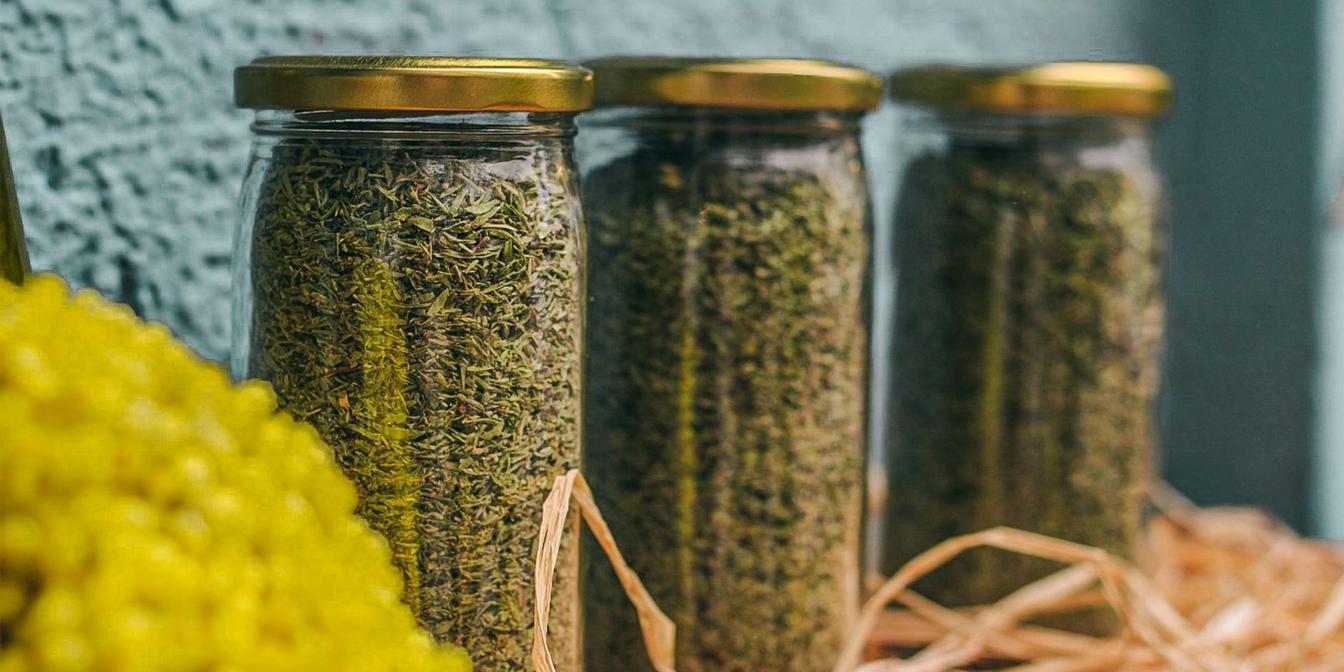
The exact selection varies by retailer and can change over time, but specialist shops commonly organise products around staple cooking ingredients, preserved foods, drinks and snacks. Begin with foods connected to dishes you already plan to make. A short, coherent list is usually more useful than a large basket of unrelated products.
Persian rice and everyday grains
Rice is a foundational purchase for many Persian meals, so it is worth comparing varieties rather than choosing by bag design alone. Check the stated grain type, origin, pack size and any cooking information. Think about whether you want rice for plain chelow, mixed polow dishes or practising a crisp tahdig layer.
Shoppers wanting an explicitly identified Iranian product could review Saharkhiz Iranian Tarom Rice in a 4.5kg pack. Another option is Sina Food Iranian Domsiah Gilan Rice, whose listing identifies it as rice from the Gilan region and describes it as suitable for chelow and polow. These examples are not automatically interchangeable: compare their current product details and choose according to your preferred cooking result.
When cooking an unfamiliar rice for the first time, follow the package directions and record what worked. Water ratio, soaking, parboiling and steaming choices can affect the result. Changing several variables at once makes it difficult to understand why a batch succeeded or failed.
Saffron, dried herbs and Persian cooking seasonings
Saffron appears in many searches for Persian cooking ingredients in the UK. It can be used to add colour, aroma and flavour to rice dishes, desserts and drinks, but shoppers should still check the product identity and pack size carefully. The small quantity in a saffron package is normal for the way the spice is typically used; compare like with like rather than comparing its package directly with larger bags of everyday seasoning.
For a modest pantry format, Saharkhiz Iranian Saffron 1g is listed for use in food and drinks. If you are new to the ingredient, learn how it fits into Persian cooking before deciding how much to buy. The background guide to Iranian saffron and its culinary role is a useful starting point.
Dried herbs are another practical online purchase because Iranian recipes may call for combinations that are not always convenient to assemble from small supermarket jars. Dill, mint, parsley, coriander, fenugreek, thyme and mixed herb products may appear in specialist catalogues, but the correct choice depends on the recipe. For example, Anjoman Dried Dill Weed 150g is described for uses including rice dishes and soups. Check whether your recipe requires dried dill, fresh dill or a prepared herb mixture before ordering.
Iranian pickles, preserves and cooking accompaniments
Torshi is a useful category to explore when you want a sharp accompaniment for rice dishes, stews or kebabs. The category can include different vegetables, cuts, seasoning blends and textures, so the word torshi alone does not identify one uniform product.
Read the full name and ingredients to see whether you are choosing whole vegetables, mixed pieces or a finely chopped preparation. Anjoman Iranian Torshi Liteh, for example, is described as finely chopped mixed vegetables in a vinegar-based blend. That makes the format clearer than a generic search for “Iranian pickles”.
Also check the jar size and the storage instructions for before and after opening. Preserves can be economical when served regularly, but an oversized jar offers little advantage if it cannot be stored or used as directed.
Tea and traditional drinks
Persian tea online searches can lead to black tea, loose-leaf products, tea bags, herbal infusions and items intended to accompany tea. Check the format as well as the flavour description. Loose tea and tea bags require different preparation routines, and package weights may not be directly comparable.
Specialist shops may also carry fruit drinks, malt beverages, syrups, yoghurt-based drinks or other Middle Eastern refreshments. These products can vary considerably in format and ingredients, so read each label rather than treating them as one category. For an introduction to the range, see this guide to Middle Eastern drinks available to order online.
Iranian breakfast foods, bread and dairy

A Persian-style breakfast order might bring together tea, bread, cheese, honey, jam, dates or other small accompaniments. The most suitable basket depends on whether you want shelf-stable pantry items or chilled foods. Bread and dairy products can have different delivery and storage requirements from tea and preserves, so do not assume that every item can travel under standard parcel conditions.
For bread, check whether it is fresh, packaged, chilled or frozen and read the preparation directions. For dairy products, review the ingredients, allergen information, storage instructions and current delivery eligibility. If chilled delivery is unavailable to your postcode, build the rest of the breakfast from suitable pantry products rather than substituting an item without checking its label.
Iranian sweets, snacks, nuts and dried fruit
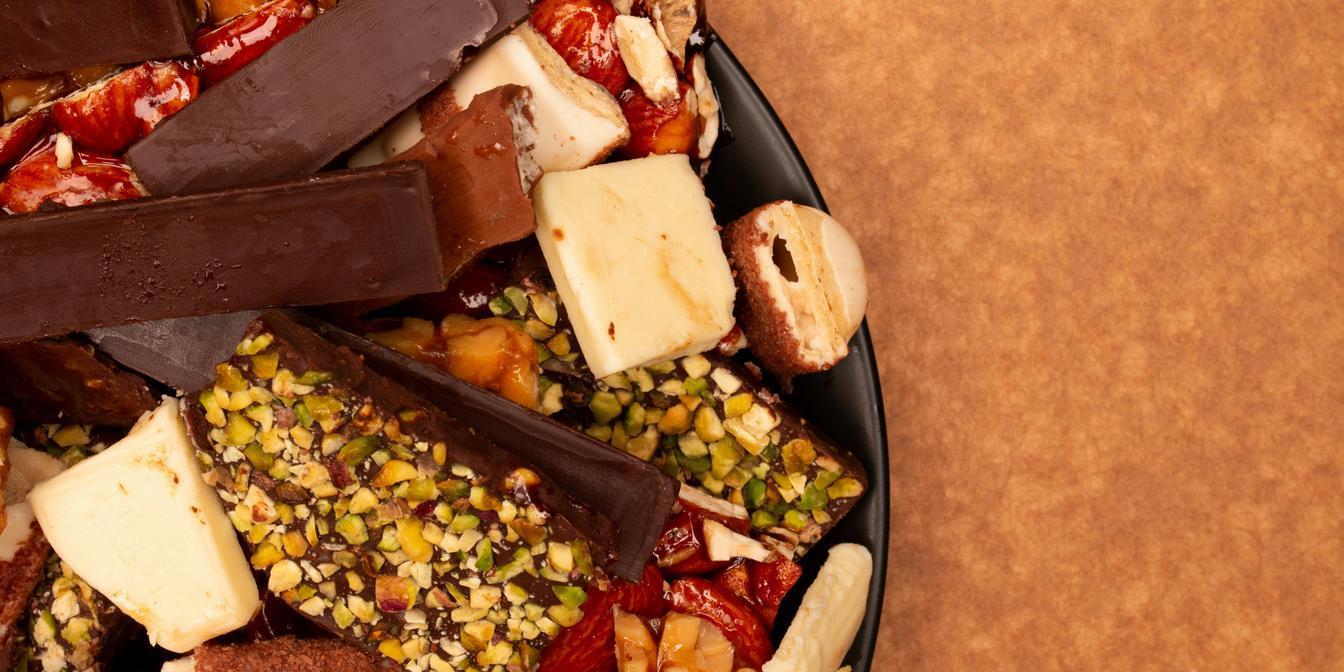
Iranian sweets online can include nougat-style confectionery, saffron-flavoured sweets, biscuits, fruit products and traditional items intended for serving with tea or giving as a gift. Snack selections may also include nuts, seeds, dried fruit and sour fruit products.
Names and photographs do not always reveal the texture, filling or flavour intensity, so read the product description and ingredients. Check the net weight when comparing boxes, especially when packaging is designed for presentation. If you are assembling a mixed selection for guests, choose several smaller products rather than assuming that everyone will prefer the same sweet or sour flavour.
Nuts, dried fruit and confectionery can also contain or come into contact with ingredients relevant to allergen-sensitive shoppers. Use the current product label as the deciding source and contact the seller if the information you need is not visible.
Pulses, sauces and everyday cupboard staples
Beans, lentils, chickpeas, tomato products, noodles, sauces and flavouring ingredients can help turn specialist purchases into complete meals. However, not every basic cupboard item must come from an Iranian shop. Use specialist ordering for a particular variety, brand or format you cannot find locally, and buy generic staples wherever the combination of information, pack size and convenience suits you.
This approach is especially useful when comparing an Iranian shop with a broader Middle Eastern supermarket online in the UK. There can be substantial overlap, but a broader retailer may also include Turkish, Arab, Kurdish, Afghan or other regional products. The guide to buying Middle Eastern groceries online explains how to navigate that wider selection without assuming every item is Iranian.
How to build your first Iranian grocery order
Begin with one or two meals rather than trying to create a complete pantry immediately. Write down every required ingredient, mark what you already own and identify which products genuinely need a specialist retailer. This keeps the order focused and makes it easier to use everything while it is still suitable.
- Choose a rice or grain: Select a pack size that fits your household, storage space and expected cooking frequency.
- Add recipe-specific herbs and seasonings: Buy the exact form named in the recipe, such as dried dill rather than an unrelated mixed herb product.
- Select one accompaniment: A pickle, preserve or suitable sauce can add variety across several meals.
- Include tea or a snack: This provides an easy introduction to Iranian flavours without requiring another full recipe.
- Check every label and delivery condition: Review origin, ingredients, allergens, storage, pack size and preparation instructions before checkout.
Once you have cooked with the first order, note which products you used quickly and which remained untouched. That information is more valuable than a generic list of supposed essentials. Your own cooking habits should determine whether the next basket contains a larger rice pack, more dried herbs, a different torshi or a wider range of tea and snacks.
Common mistakes when buying Persian food online
Assuming Persian-style always means made in Iran
A product can be relevant to Persian cooking without being manufactured in Iran. Check the origin statement when origin is part of your buying decision.
Choosing by package image alone
Photographs help with recognition but may not communicate the exact ingredients, weight, preparation or storage format. Read the written listing and inspect the package label after delivery.
Ignoring pack size
Large rice or herb packs can offer convenience to frequent cooks, but they require suitable storage and a realistic plan for use. Conversely, a small decorative box may contain less than its photograph suggests.
Mixing standard and temperature-sensitive products without checking delivery
Chilled and frozen items may have more limited coverage or dispatch arrangements than shelf-stable groceries. Confirm that every part of the basket can be delivered to your postcode under the stated conditions.
Buying too many unfamiliar ingredients at once
A tightly planned order is easier to cook from. Start with ingredients linked to specific dishes, learn how they behave and expand gradually.
Buying Iranian food online with confidence
The best place to buy Iranian food online in the UK is a specialist retailer that provides enough information for you to make an informed choice. Look beyond the number of products on the site. Check identity, origin, ingredients, allergens, storage instructions, pack sizes, delivery coverage and customer policies.
For a first order, concentrate on a dependable rice, the herbs and seasonings required for a planned dish, and one or two accompaniments, drinks or snacks. As you become familiar with brands and product formats, you can build a pantry that reflects the meals you actually cook. That measured approach is the most reliable way to turn an online Persian grocery order into useful, enjoyable food rather than a cupboard of unexplored ingredients.
Frequently Asked Questions
Where can I buy authentic Iranian food online in the UK?
Specialist Iranian and Persian online supermarkets such as ASA Market are practical places to look for rice, saffron, dried herbs, pickles, tea, sweets and other pantry products. Check each listing’s identity, origin, ingredients, storage requirements and current delivery eligibility before ordering.
What is the difference between Iranian food and Persian food?
Iranian food refers broadly to the foods of Iran, including its different regional and cultural traditions. Persian food more specifically refers to Persian culinary culture, although the two terms are often used interchangeably by UK shops and shoppers.
How can I tell whether an Iranian grocery product is authentic?
Check the brand, full product name, country-of-origin statement, package photographs and ingredient label. Do not assume that Persian-style packaging means a product was made in Iran; authenticity may refer to origin, traditional use, recipe style or brand familiarity.
Can Iranian groceries be delivered outside London?
They may be, depending on the retailer, postcode and product type. Standard pantry products can have different delivery coverage from chilled or frozen food, so verify the shop’s current postcode restrictions, dispatch schedule and temperature-controlled delivery policy.
What Iranian ingredients should a beginner buy first?
Start with ingredients for one or two planned meals: a suitable rice, the exact dried herbs or spices required by the recipes, and one accompaniment such as torshi. Tea, sweets or dried fruit can provide an accessible addition without requiring another full recipe.