A useful Persian pantry is not necessarily a large one. With the right rice, a compact group of spices and herbs, a few pulses and several characterful sour ingredients, you can prepare a broad range of Persian rice dishes, stews, soups, appetisers, drinks and desserts. This guide organises the most useful Persian food essentials into sensible buying stages, helping UK home cooks distinguish everyday staples from ingredients needed for occasional or specialist recipes.
The quick Persian pantry checklist
You do not need to purchase every ingredient below on your first shopping trip. Begin with the foods that suit the recipes you actually plan to cook, then expand your collection as new dishes enter your routine.
Essential first buys
- Fragrant long-grain rice
- Saffron threads
- Turmeric and black pepper
- Cinnamon and cardamom
- Dried mint and dried dill
- Yellow split peas, lentils or chickpeas
- Dried limes, also called limoo amani
- Tomato paste
- Persian or other suitable black tea
Useful next additions
- Sumac
- Fenugreek and ghormeh sabzi herb mixtures
- Zereshk, or dried barberries
- Kidney beans and white beans
- Pomegranate molasses
- Rose water
- Walnuts, pistachios, almonds and dried fruit
- Reshteh noodles, barley and bulgur
- Torshi pickles
Optional specialist ingredients
- Advieh blends for particular rice dishes or stews
- Kashk for recipes such as ash reshteh and kashk-e bademjan
- Dried sour cherries and sour cherry preserves
- Orange blossom water
- Dried rose petals
- Specialist herb mixtures for kuku, ash or polo
- Rock sugar or sugar cubes for serving with tea
If you are planning a larger order, a structured guide to buying Persian groceries online in the UK can help you compare pack sizes, labels and pantry categories before filling your basket.
What makes an ingredient a Persian food essential?
An essential is an ingredient that earns its cupboard space through repeated use. Rice, turmeric and dried mint qualify because they can support many different meals. A specialist pickle, preserve or spice blend may be important to one particular dish, but it is not automatically a first purchase for every household.
This Iranian grocery shopping list therefore prioritises versatility. It covers foundations for chelow and polo, ingredients for khoresh, pulses and noodles for ash, seasonings for yoghurt dishes and appetisers, and a smaller selection for tea and desserts. It is not intended to catalogue every regional Iranian ingredient.
Your personal list will also reflect what you enjoy cooking. Someone who regularly makes ghormeh sabzi will treat dried herb mixtures and limoo amani as indispensable. A baker may give saffron, cardamom and rose water equal priority, while a household focused on grilled food may use sumac more frequently. Persian pantry staples should support your real menu rather than an imagined ideal pantry.
Start with the foundation: Persian rice and grains
Rice is one of the most important categories in Persian home cooking, but the best purchase depends on the result you want. Look beyond brand recognition and compare variety, grain length, fragrance, processing and pack size. Iranian varieties and basmati-style rice can both be useful, although they may differ in aroma, texture and behaviour during soaking, parboiling and steaming.
Buying a smaller pack is a sensible way to test an unfamiliar rice. Once you understand how much water, soaking and cooking time it needs in your kitchen, you can decide whether a larger bag suits your routine.

Long-grain rice for chelow, polo and tahdig
Chelow is plain steamed rice, while polo generally incorporates or layers rice with ingredients such as herbs, beans, vegetables, meat or dried fruit. Tahdig is the crisp layer formed at the bottom of the pot. All three benefit from rice that can produce distinct grains when handled correctly.
Fragrant long-grain rice is the most flexible starting point. The Kamran Iranian long-grain rice, for example, is presented as suitable for Persian-style cooking and for producing fluffy, separated grains. Shoppers wanting to explore a named Iranian variety could instead begin with a smaller pack such as Golestan Premium Tarom rice.
Parboiled rice, commonly labelled sella, offers another option. It can produce a fluffy, non-sticky finish, although its texture and aroma are not identical to every traditional Iranian rice variety. A product such as Tara Basmati Sella rice may suit cooks seeking a versatile grain for pilaf and Persian-style rice dishes.
Whichever rice you choose, cooking technique matters as much as the label. Rinsing removes loose surface starch, soaking can help grains hydrate evenly, and careful parboiling prepares rice for steaming. Recipes vary, so use their timings as a starting point and observe the grain rather than relying solely on the clock.
Useful grains and noodles beyond rice
Barley, bulgur and reshteh are useful additions, but they are not universal first purchases. Barley appears in soups and can add body to slow-cooked dishes. Bulgur works in selected pilafs, soups and regional recipes. Reshteh are noodles associated with dishes such as ash reshteh, where they contribute both texture and substance.
Buy these ingredients when you have a recipe in mind. Noodles in particular differ in thickness and salt content, so check the packet and adjust the dish accordingly rather than treating every noodle as interchangeable.
Saffron and the core Persian spice shelf
Persian cooking is aromatic, but it does not depend on filling a cupboard with dozens of spices. A compact shelf containing saffron, turmeric, cinnamon, cardamom, black pepper and sumac will cover many everyday uses. The aim is usually balance: spices support rice, herbs, fruit, pulses and slow-cooked ingredients rather than simply supplying intense heat.
Saffron threads
Saffron is used across savoury and sweet cooking, including rice, marinades, drinks and desserts. Choose clearly identified threads rather than relying solely on an unlabelled powder. Threads are easier to inspect, portion and prepare according to the recipe.
A small amount is normally crushed or ground gently and then infused before being distributed through a dish. This helps spread its colour, aroma and flavour more evenly than adding dry threads to one spot. For occasional cooking, a small pack such as Golestan Khatam Design saffron threads is easier to manage than buying a large quantity before you know your rate of use.
Saffron is distinctive, but adding more is not always better. Measure it, prepare it deliberately and reserve it for dishes in which its character will be noticeable. For further background, see this introduction to Persian saffron and its culinary uses.
Turmeric, cinnamon, cardamom and black pepper
Turmeric is one of the most practical Iranian cooking essentials. It is frequently used near the beginning of savoury cooking with onions, meat, pulses or vegetables. Use it with restraint so that its earthy character supports rather than dominates the dish.
Cinnamon crosses the boundary between savoury and sweet recipes. It can add warmth to rice dishes, stews, fruit combinations and desserts. Some recipes use a stick during cooking; others call for ground cinnamon in a measured quantity.
Cardamom is especially useful for tea, sweets, syrups and fragrant desserts. Whole pods and ground cardamom behave differently: pods are convenient for infusing and removing, whereas ground spice disperses throughout the food.
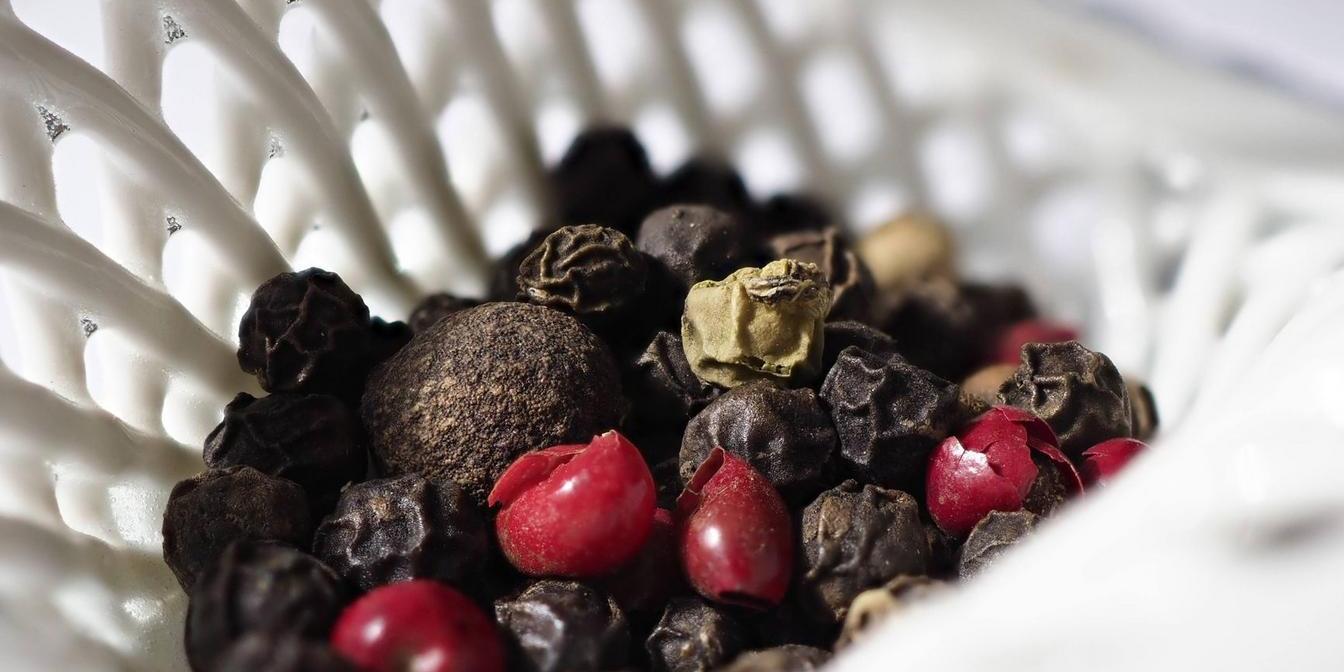
Black pepper provides everyday seasoning without turning the meal into a hot-spice dish. Whole peppercorns retain their character longer than pre-ground pepper, but either form can be practical when stored properly.
Sumac and Persian spice blends
Sumac brings a tart, fruity note and is commonly associated with grilled foods and table seasoning. It is best treated as a finishing ingredient when you want its bright character to remain noticeable. Check whether a packaged sumac contains any additional ingredients rather than assuming all products are identical.
Advieh is not a single fixed recipe. It is a family of spice blends, and the composition can change according to the producer, household and intended dish. A rice blend may differ from one made for khoresh. Read the label, smell the mixture and begin with a modest amount before adjusting.
Dried herbs that unlock classic Persian dishes
Herbs are central to many Persian dishes, and dried herbs make specialist varieties easier to keep in a UK kitchen. Individual herbs provide flexibility, while prepared mixtures reduce preparation time when a recipe requires several varieties in particular proportions.
Mint, fenugreek, dill and savoury herb mixtures
Dried mint is one of the most versatile herb purchases. It can be used in soups, yoghurt dishes, sauces and mint-infused toppings. Because its flavour concentrates during drying, add it carefully and avoid assuming that a large handful will behave like fresh mint.
Fenugreek contributes a recognisable savoury aroma to herb-forward cooking, including ghormeh sabzi mixtures. It can become dominant, so it is usually one component of a broader herb combination rather than the bulk of the mixture.
Dill pairs naturally with rice and beans and is particularly useful for dill rice preparations. Prepared ghormeh sabzi herbs are convenient when fresh specialist herbs are difficult to source or when washing, chopping and balancing several bunches is impractical.
Before buying a mixture, check its stated purpose. Ghormeh sabzi herbs, ash herbs and kuku herbs are not necessarily the same combination, even when several ingredients overlap.
Fresh versus dried herbs in a UK kitchen
Fresh and dried herbs are not generally interchangeable in equal quantities. Drying concentrates flavour and changes texture, while fresh herbs contribute volume and a greener character. Follow a recipe written for the form you have, or make gradual adjustments rather than substituting cup for cup.
A practical UK approach is to combine ordinary supermarket herbs with specialist dried ingredients. Fresh parsley, coriander, spring onions and mint may be easy to obtain locally, while dried fenugreek or a prepared ghormeh sabzi mixture can supply the harder-to-find element. This hybrid method keeps shopping manageable without expecting one retailer to provide every herb in fresh form.
Pulses for khoresh, ash and rice dishes
Persian pulses are affordable cupboard ingredients that add substance to stews, soups and mixed rice dishes. The most useful selection includes yellow split peas, lentils, chickpeas, kidney beans and white beans, but there is little reason to buy all five before selecting your recipes.
Yellow split peas, often sold as lapeh, are closely associated with gheimeh and related stews. Lentils are useful for soups and adas polo. Chickpeas and beans appear in ash and other slow-cooked dishes, sometimes alongside herbs, grains and noodles.
Check whether a recipe requires dried or ready-cooked pulses. Dried pulses need advance planning, and different varieties soften at different rates. Older stock may also take longer to cook, so label jars with the purchase date and avoid mixing new and old batches. When using a packaged product, follow its preparation directions.
The essential sour flavours: dried limes, barberries and pomegranate
Sourness is a defining element in many Persian flavour combinations. It may come from dried lime, barberries, pomegranate, sour cherries, citrus or pickles, with each ingredient producing a different type of acidity. Building this category gradually gives you far more control than attempting to use one sour ingredient as a universal substitute.
Limoo amani and other dried limes
Whole dried limes are used to perfume stews and soups with a deep citrus flavour and a lightly bitter edge. Recipes may ask you to pierce them before simmering so that the cooking liquid can circulate through the fruit. Ground dried lime is useful when more even distribution is wanted, but it cannot always reproduce the effect of a whole lime cooked slowly in a pot.
Dried limes and fresh limes are not direct equivalents. Fresh juice adds immediate acidity and extra liquid; limoo amani contributes a darker, fermented-style citrus character during cooking. If a substitution is unavoidable, expect the finished dish to taste different and adjust gradually.
Zereshk barberries
Zereshk are small dried barberries prized for their bright tartness and red colour. They are especially well known in zereshk polo, where they contrast with fragrant rice and saffron. They may also appear in stuffings, toppings and sweet-savoury combinations.
Barberries can contain small pieces of stem or other field material, so sort and rinse them according to the recipe before use. They are usually warmed gently rather than cooked aggressively; prolonged high heat can diminish their colour and accentuate bitterness.
Pomegranate molasses and sour cherries
Pomegranate molasses can bring concentrated fruitiness and acidity to marinades, dressings, dips and stews. Products vary in sweetness and intensity, making label checks and cautious tasting more useful than assuming one tablespoon will behave identically across brands.
Dried sour cherries and sour cherry preserves are more specialised. Purchase them when planning dishes such as albaloo polo or when you want a tart fruit accompaniment. They are not interchangeable with barberries: cherries are larger, softer and fruitier, while zereshk provide smaller bursts of sharper acidity.
Rose water, kashk, tea and supporting pantry staples
Once the foundations are in place, a few supporting ingredients make the pantry more versatile. Rose water is used in selected desserts, drinks and syrups, but its floral character is powerful. Measure it rather than pouring freely, especially when trying a new bottle.
Kashk is used in dishes such as kashk-e bademjan and ash reshteh. Because products may differ in form and concentration, check the label and follow the recipe’s guidance. It is better bought for a planned dish than kept as a vague all-purpose seasoning.
Persian tea is a practical everyday addition. Black tea can be brewed to the strength preferred by the household and served plain or with accompaniments such as sugar cubes, dates or sweets. Cardamom, cinnamon or rose petals may be added in some preparations, but they are optional rather than requirements for every pot.
Torshi pickles, tomato paste, walnuts and dried fruit round out the cupboard. Tomato paste supports many savoury bases; walnuts are important to selected stews and appetisers; raisins and dates can enter rice dishes, snacks and desserts. Torshi adds a sharp accompaniment at the table, but its precise vegetable and spice combination varies widely.
How to turn the shopping list into complete meals
The most efficient way to build a Persian pantry is to shop in recipe clusters. Instead of purchasing ten unrelated specialist ingredients, choose two or three dishes with overlapping requirements.
- Chelow and a simple khoresh: buy long-grain rice, turmeric, black pepper, tomato paste, onions, one suitable pulse and dried lime.
- Zereshk polo: combine rice, saffron, barberries and a small amount of sugar or another ingredient specified by your recipe.
- Ghormeh sabzi: start with the appropriate herb mixture, kidney beans or the pulse requested by your recipe, dried limes, turmeric and rice.
- Adas polo: combine rice, lentils, cinnamon and any dried fruit or toppings included in your chosen version.
- Ash reshteh: plan for pulses, herbs, reshteh noodles and kashk rather than buying the noodles alone.
This approach encourages ingredients to circulate through your cooking. Turmeric bought for one stew can season another; dried mint can move from soup to yoghurt; saffron can flavour both rice and dessert. Your pantry grows through use rather than accumulation.
How to buy and store Persian ingredients in the UK
Specialist shops are useful for Iranian rice varieties, dried limes, barberries, herb mixtures, kashk and Persian tea. Ordinary supermarkets can often supply complementary basics such as fresh herbs, onions, pulses, yoghurt, nuts and long-grain rice. Middle Eastern grocers may also stock overlapping products, although naming and regional styles can vary. This overview of Middle Eastern grocery shopping in the UK explains how those broader ranges relate to more specifically Persian ingredients.
When comparing products online, read the full name and description rather than relying on the photograph. Transliteration varies: limoo amani may appear as dried lime or black lime, yellow split peas may be labelled lapeh, and barberries may be listed as zereshk. Check pack size before ordering, particularly for lightweight herbs and spices whose packages can look larger in photographs.
Keep rice, pulses, dried fruit, herbs and spices in well-sealed containers in a cool, dry cupboard away from direct light. Retain cooking instructions and date information from the original packaging, or transfer those details to the storage container. Saffron, ground spices and dried herbs are better purchased in quantities you will use while their aroma remains noticeable.
Organise by function rather than alphabetically if that makes cooking easier: rice and grains on one shelf, pulses on another, then herbs, spices, sour ingredients and tea. Place frequently used turmeric, pepper, dried mint and cinnamon within easy reach. Keep strongly aromatic ingredients tightly closed so their character does not spread through the cupboard.
For additional help evaluating retailers, labels and ordering considerations, consult this guide to finding Iranian food online in the UK.
Common Persian pantry shopping mistakes
Buying large packs before testing an ingredient
A large bag may look economical, but it is poor value if the rice does not suit your method or a herb blend does not match the dish you intended to make. Test unfamiliar staples in modest quantities when possible.
Treating every rice as identical
Iranian varieties, standard basmati and sella rice can differ in fragrance, firmness and cooking behaviour. Record the soaking and parboiling times that work for each bag rather than applying one rigid method to every variety.
Using spice blends without reading the label
Advieh and herb mixtures are categories, not universal formulas. Confirm whether the blend is designed for rice, stew, ash, kuku or ghormeh sabzi, and look for any ingredients that will affect how you season the rest of the dish.
Overbuying delicate aromatic ingredients
Saffron, cardamom and dried herbs are more useful when they remain fragrant. A smaller, well-managed collection generally produces better cooking than a crowded shelf of forgotten packets.
Substituting all sour ingredients for one another
Dried limes, fresh citrus, barberries, pomegranate molasses and sour cherries each contribute different acidity, texture and fruit character. A substitution may still make an enjoyable meal, but it will not necessarily reproduce the intended result.
Building a collection without a cooking plan
The best Persian pantry is one that regularly becomes dinner. Begin with rice, a few core spices and ingredients for two favourite dishes. Add barberries, specialist herbs, rose water, kashk or reshteh only as your menu expands. That measured approach creates a practical collection of Persian food essentials without waste or unnecessary complexity.
Frequently Asked Questions
What are the most important Persian food essentials for a beginner?
Start with fragrant long-grain rice, saffron threads, turmeric, black pepper, cinnamon, dried mint, one or two pulses, dried limes and tomato paste. Add barberries, herb mixtures, rose water, kashk and reshteh when a planned recipe requires them.
Which rice should I buy for Persian cooking?
Choose a fragrant long-grain rice that can produce separated grains after parboiling and steaming. Iranian Tarom and Hashemi varieties are traditional options, while basmati and sella rice can also work well. Begin with a smaller pack and test it with your preferred method.
What spices are used most often in Persian food?
A practical core collection includes turmeric, saffron, black pepper, cinnamon, cardamom and sumac. Advieh blends are also useful, but their ingredients vary according to the producer and intended dish, so check the label before use.
Are dried limes and fresh limes interchangeable?
Not directly. Fresh lime supplies bright acidity and additional liquid, while dried lime develops a deeper citrus flavour and slight bitterness during slow cooking. Fresh lime can adjust sourness in an emergency, but it will not recreate the same result.
What are zereshk, and how are barberries used in Persian cooking?
Zereshk are small, tart dried barberries. They are best known as a topping for saffron rice in zereshk polo, but they can also appear in stuffings and sweet-savoury dishes. Sort and rinse them as directed, then warm them gently to preserve their character.