Choosing an Iranian grocery store in the UK can be more complicated than finding a website that sells rice, saffron and tea. Some retailers specialise in Persian groceries, while others carry a small Iranian selection within a much broader international or Middle Eastern range. Product information, pack sizes, delivery arrangements and customer support can also vary considerably.
The best choice is therefore not necessarily the shop with the largest-looking catalogue or the lowest price on one item. It is the retailer that can reliably supply the products you actually use, explain what it is selling, handle different product types appropriately and show the full cost of an order before you commit.
This guide provides a reusable framework for comparing any Persian supermarket UK shoppers may be considering. It covers authenticity, category depth, labels, availability, packaging, delivery and value, helping you choose an online shop according to your household rather than relying on marketing language alone.
What Makes a Good Iranian Grocery Store in the UK?
A good Iranian grocery store combines a genuinely useful Persian product range with clear listings, suitable product handling, transparent total costs, understandable delivery policies and accessible customer support. These qualities matter more than the number of products displayed on the homepage.
Start by deciding what you need the shop to do. A household planning occasional Persian meals may only want rice, pulses, herbs, spices and sour flavourings. Someone completing a larger pantry restock may also need tea, pickles, preserves, snacks, confectionery and drinks. Other shoppers may be searching for culturally specific items such as lavashak, torshi or a particular style of rice.
A reliable shop should make it easy to identify these products without forcing you to guess from packaging photographs. Useful pages show the product name, brand, net quantity and package format, together with relevant ingredients, allergens, storage details and origin information when available. Delivery charges and restrictions should also be discoverable before the final checkout stage.
If you are still deciding what belongs in your first order, a practical Persian pantry shopping list can help separate versatile essentials from optional treats.
Iranian, Persian or Middle Eastern Grocery Store: What Is the Difference?
The terms Iranian grocery store and Persian grocery store are often used interchangeably. In retail, both usually describe a shop with products associated with Iranian cooking, eating and household food traditions. “Persian” is also frequently used in the names of dishes, culinary categories and English-language searches.
A Middle Eastern supermarket has a wider regional scope. It may stock products associated with several countries and cuisines, potentially including Turkish, Lebanese, Iraqi, Syrian, Egyptian, Gulf, North African and Iranian foods. That breadth can be convenient, particularly if your household cooks across several regional traditions, but it does not guarantee a deep Persian selection.
For example, a broad Middle Eastern supermarket UK range might offer several general-purpose rice products, black teas and jars of pickles while carrying few Iranian brands or culturally specific varieties. Conversely, a specialist Persian food shop UK shoppers use may offer more choice within narrower categories, including different Iranian cooking ingredients intended for particular dishes.
Neither type of retailer is automatically better. The important question is whether the shop’s category depth matches your basket. For a wider explanation of regional overlap, consult this guide to shopping for Middle Eastern groceries online.
When a Specialist Iranian Shop Is the Better Choice
A specialist shop becomes particularly useful when the exact style of a product matters. Persian rice, saffron, dried herb mixtures, sour ingredients, torshi and pickles, fruit leather, traditional confectionery, tea and bread are not single uniform categories. Different varieties, brands, pack sizes and preparation styles may suit different recipes or household preferences.
Specialisation also helps when you want to build a complete meal rather than buy one isolated ingredient. A store with useful category depth may let you purchase rice, pulses, herbs, seasonings, accompaniments and drinks in the same basket. This can reduce the need to place several separate orders, although you should still compare the resulting delivery costs.
Look beyond the category names. A menu containing an “Iranian food products” section is not necessarily evidence of a specialist range. Open the category and see whether it provides meaningful choice or merely a few products that are also common in general international-food aisles.
Why Product Origin Alone Does Not Prove Authenticity or Quality
Authenticity is more nuanced than the country named on the front of a package. A product can be useful for Persian cooking without being manufactured in Iran, while Iranian imagery or Persian-style branding does not by itself explain the product’s composition, quality or intended use.
Assess the complete listing instead. Consider the brand, product style, ingredients, pack format, culinary purpose and information supplied by the seller. Where relevant, distinguish between country of manufacture, ingredient origin, importer location and brand ownership. These details describe different things and should not be treated as interchangeable.
Quality is also partly specific to the intended dish. The rice preferred for a formal chelow may not be the rice a household chooses for a quick everyday meal. Likewise, loose-leaf tea and tea bags may meet different needs without one being universally more authentic. A trustworthy store helps you understand the choice instead of relying entirely on flags, nostalgic imagery or vague phrases.
The Essential Checklist for Choosing an Online Iranian Grocery Store
Compare several shops using the same criteria: range depth, listing clarity, product information, handling, real availability, full basket cost, delivery coverage and support. This avoids choosing a retailer because one headline product appears inexpensive while the rest of the order is unsuitable or poorly documented.
It can help to create a small test basket of five to ten products you regularly buy. Search for the same items or closest equivalents on each website, then record the pack size, price, availability and delivery charge.
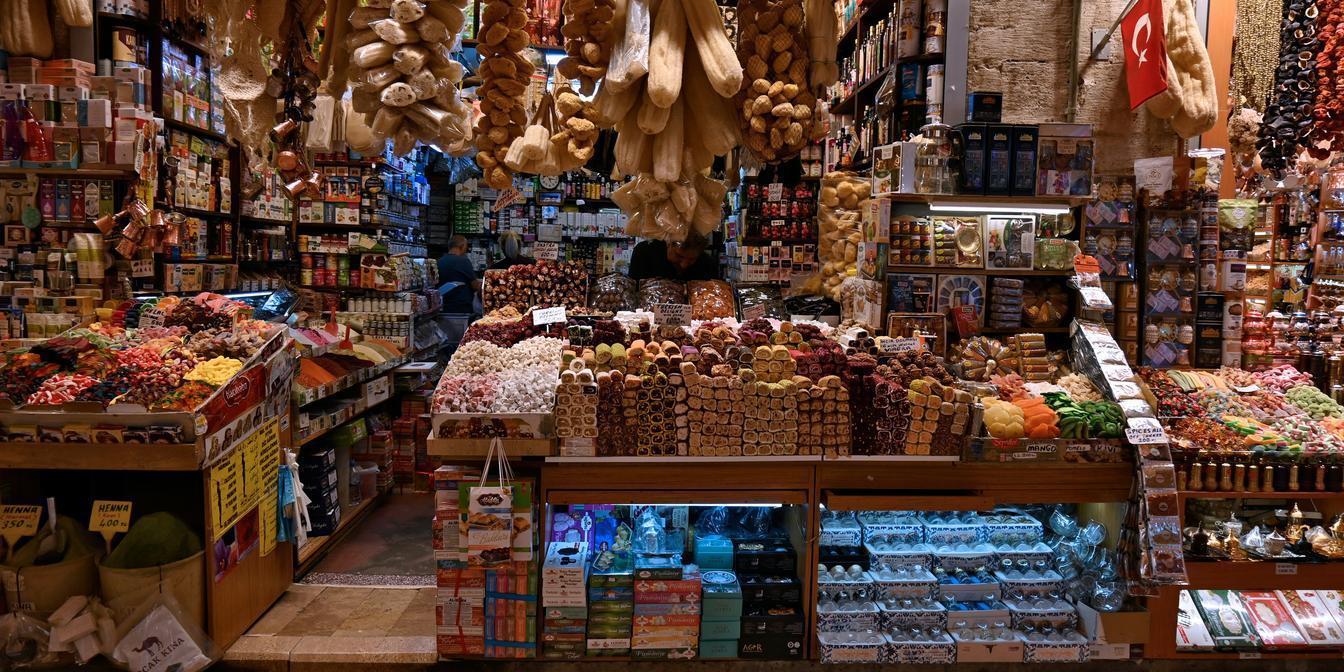
1. Check the Depth of the Persian Product Range
A specialist range should provide useful choice across more than one or two famous products. Depending on your needs, examine categories such as rice, pulses, dried herbs, spices, sour flavourings, tea, bread, pickles, preserves, snacks, drinks and confectionery.
Depth does not mean that every category must contain dozens of options. It means the selection helps shoppers make relevant distinctions. Within rice, for example, useful listings might identify the variety, brand and pack size rather than presenting every product simply as “Persian rice.” A clearly named 4.5kg pack of Iranian Tarom rice illustrates the type of specific information that makes comparison easier.
Consider range balance as well. A store dominated by sweets and snacks may be appealing for occasional purchases but less useful for a full pantry restock. Conversely, a shop focused almost entirely on staples may not suit someone looking for Iranian snacks UK retailers rarely stock elsewhere.
You do not need to buy from the retailer with the widest overall range. Choose the one with sufficient depth in the categories important to you. A detailed guide to buying Persian groceries online in the UK can help you identify the distinctions worth checking within common pantry categories.
2. Look for Clear Product Names, Images and Pack Sizes
Good product listings reduce uncertainty. The title should identify the product and preferably the brand, variety or style where that distinction matters. The net quantity and package format should be visible without requiring shoppers to interpret the scale of a photograph.
Check whether the English name accurately explains the product and whether an additional Persian name, transliteration or packaging image helps confirm it. Transliteration varies, so the same product may appear under more than one spelling. Clear photographs of the front and relevant label panels can help shoppers distinguish similar jars, herb mixtures, sweets or teas.
Pack format matters as much as weight. Loose tea, tea bags and individually wrapped portions serve different purposes even if their total weights appear similar. For example, a listing for Shamshiri Persian Tea in a 100-tea-bag pack lets the shopper understand both the product type and format before ordering.
Be cautious when a listing uses only a generic title, provides no readable label image and omits quantity. If uncertainty affects whether the product is suitable, ask the retailer before adding it to your basket.
3. Read Ingredients, Allergens and Storage Information
Product names and front-of-pack photographs rarely tell the whole story. Ingredient and allergen information is especially important when comparing confectionery, biscuits, sauces, dairy products, ready meals, seasonings and savoury snacks. Similar-looking products from different brands may have different formulations.
Do not infer suitability from a category name, national association, packaging colour or a product photograph. If you have an allergy, intolerance or dietary restriction, read the information provided for the specific product. When the details are incomplete, unclear or difficult to read, confirm them with the retailer before ordering rather than relying on assumptions.
Storage information also helps you plan a mixed basket. Identify whether an item is presented as ambient, chilled or frozen and review any instructions shown on the listing or packaging. This is particularly useful when your order may remain unopened for a period after delivery.
Remember that product pages and packaging can change. Check the information attached to the item you are currently considering, even if you have bought a similarly named product before.
4. Examine Origin and Importer Information Carefully
Country of origin, place of manufacture, importer address and brand identity answer different questions. A UK importer address does not necessarily mean the food was manufactured in the UK, and a Persian brand name does not by itself establish where a product was produced.
Use origin information as one part of your assessment rather than as a single test of authenticity. Some shoppers specifically want products manufactured in Iran; others prioritise a familiar recipe, brand, flavour profile or culinary function. Both are valid preferences, but they require different information.
A transparent retailer should avoid creating unnecessary confusion between these details. If origin is central to your decision and the listing is ambiguous, contact the shop for clarification. Do not assume that a product must be made in Iran to work well in Iranian cooking.
5. Assess Fresh, Chilled, Frozen and Fragile Product Handling
Different groceries create different fulfilment challenges. Rice, dried herbs and tea are generally straightforward to place in a mixed pantry order, while bread, dairy products, frozen foods, glass jars, bottled drinks and delicate confectionery may require additional handling considerations.
Before ordering these items, review the retailer’s current delivery and packaging information. Check whether your postcode is covered, whether certain products have separate dispatch arrangements and what the shop says customers should do if a parcel arrives damaged or incomplete.
Bread is a useful example because product condition and delivery timing may matter more to the shopper than they do for a sealed dry ingredient. If considering an item such as traditional fresh Iranian Barbari bread, read the current product page and delivery information rather than assuming it will be handled in the same way as rice or tea.
For glass jars and bottled drinks, look for clear information about protective packaging and the retailer’s process for reporting breakage. When ordering frozen or chilled items, confirm the shop’s current arrangements directly if the published explanation does not answer your questions.
6. Compare Availability, Not Just the Number of Listings
A catalogue can look extensive while many essential products are unavailable. Search for the items that would let you complete a real meal or pantry restock, then note how many can actually be added to the basket.
Unavailable products should be clearly marked. Repeatedly encountering listings that appear in search results but cannot be purchased makes the headline size of the range less meaningful. It may also force you to use another retailer, creating a second delivery charge.
Prioritise availability according to your own routine. Being able to buy everyday rice, tea, pulses and herbs may be more valuable than having hundreds of rarely purchased products displayed. For another household, access to a particular pickle, sweet or drink may be the deciding factor.
7. Calculate the Full Basket Cost
Do not decide which online Iranian supermarket offers better value by comparing one product. Build equivalent baskets and calculate the total, including the product subtotal, delivery charge and any clearly stated threshold or applicable surcharge.
Compare like with like. A lower shelf price may refer to a smaller pack, a different variety or another package format. Calculate the cost per 100g, kilogram, litre or item when doing so creates a meaningful comparison. For tea bags or individually wrapped products, the unit count may matter as much as the net weight.
Then consider basket usefulness. Paying slightly less is not necessarily better value if several essentials are missing or if you must place a second order elsewhere. On the other hand, adding products you do not need merely to reach a delivery threshold can increase the real cost of shopping.
The goal is not to identify one store as universally cheapest. It is to find the most suitable total for your particular combination of Persian pantry staples, occasional products and delivery requirements.
8. Review Delivery Coverage and Timing Before Building a Large Basket
Many people searching for Iranian grocery delivery UK services live outside the areas traditionally associated with specialist Persian shops. An online store may make these foods more accessible, but coverage and delivery arrangements can differ by postcode and product type.
Check the delivery page before spending time building a large basket. Look for postcode exclusions, estimated dispatch information, delivery-day restrictions and any separate conditions attached to fresh, chilled, frozen or fragile items. Recheck these details when placing future orders because retailers may update their arrangements.
If you need groceries for a particular meal or event, allow for the possibility of dispatch or carrier delays rather than planning around the most optimistic estimate. For a general overview of finding specialist sellers, see this guide on where to buy Iranian food online in the UK.
9. Test the Quality of Customer Support
Accessible support is valuable when listings involve unfamiliar transliterations, missing label details or special delivery requirements. A retailer should provide a reasonable way to ask product and order questions, such as an email address, contact form or telephone number.
Before a large first order, consider asking one specific question that is not answered on the website. The usefulness and clarity of the response can tell you more than a generic promise of excellent service. Keep your question focused by naming the exact product and the information you need.
Also review the shop’s published process for damaged, incorrect or missing items. The information should tell customers how to report a problem and what evidence may be requested. Avoid assuming that every product type is handled under identical terms.
A Practical Method for Comparing Iranian Grocery Stores
A short comparison exercise can turn a vague search for the “best” shop into an objective decision. Begin with a representative basket rather than a list of every Iranian product you might eventually buy.
- Choose five to ten products. Include frequently used staples and one or two items that are harder to find. A sample basket might contain rice, tea, dried herbs, pulses, a sour flavouring, pickles and a snack.
- Record exact pack sizes. This prevents a small package from appearing cheaper than a larger equivalent.
- Check listing completeness. Note whether the brand, quantity, ingredients, allergens, storage information and relevant origin details are easy to find.
- Confirm real availability. Count only products that can currently be added to the basket.
- Add delivery costs. Use the charge applicable to your postcode and basket rather than a headline delivery message.
- Review special handling. If the basket includes bread, frozen food, dairy, glass or bottled drinks, check the relevant delivery terms.
- Evaluate support. Identify how you would contact the retailer if a product question or order problem arose.
You can score each shop from one to five for range relevance, information quality, availability, handling clarity, basket value and support. The highest-scoring retailer may not be the cheapest, but it is more likely to provide the most suitable overall shopping experience.
Common Mistakes When Buying Persian Food Online
Choosing by homepage appearance alone: Attractive banners and large category counts do not demonstrate that the shop stocks the products you need. Test the search, filters and product pages.
Treating every regional product as interchangeable: Middle Eastern cuisines share many ingredients, but varieties and intended uses can differ. Read the complete product description rather than assuming that every rice, herb mix, pickle or tea will produce the same result.
Using origin as the only authenticity test: Consider the brand, style, ingredients and culinary purpose alongside manufacturing information. Authentic Iranian groceries cannot be identified reliably from decorative imagery alone.
Ignoring quantity: Compare equivalent weights, volumes and unit counts. This is essential when evaluating saffron, tea, confectionery and other products sold in substantially different pack sizes. A clearly specified item such as a 1g pack of Iranian saffron gives you a defined basis for comparison.
Forgetting delivery until checkout: Delivery charges can change which basket offers better overall value. Check coverage and conditions early, especially when ordering outside London.
Assuming a product is suitable for a dietary requirement: Check the specific ingredients and allergen details. Ask the retailer when information is uncertain.
Overfilling the first order: A smaller trial basket lets you assess listing accuracy, packing and the ordering process before committing to a major pantry restock.
Choose the Store That Fits the Way You Cook
The best Iranian grocery store UK shoppers can choose is not necessarily the same for every household. Someone who cooks Persian meals several times a week may prioritise rice varieties, herbs, pulses and larger pantry packs. An occasional cook may value straightforward product explanations and smaller quantities. Another shopper may care most about tea, lavashak, torshi and pickles, Persian confectionery or familiar snacks.
Write down the categories that matter most to you and judge retailers against that list. If drinks are an important part of your basket, for example, a guide to Middle Eastern drinks available online can help you understand the broader selection you may encounter.
Once you find a suitable shop, continue checking product pages rather than ordering entirely from memory. Brands, pack formats, labels and retailer arrangements can change. A careful review takes only a few minutes and can prevent mistakes between similar-looking products.
Final Buying Checklist
- Does the store offer meaningful depth in the Persian categories you use?
- Are products identified by clear names, brands, varieties and pack sizes?
- Can you find relevant ingredients, allergens and storage information?
- Are origin and importer details presented without ambiguity?
- Does the retailer explain arrangements for fresh, chilled, frozen or fragile goods?
- Are essential items genuinely available to order?
- Have you compared equivalent pack sizes?
- Have you included delivery charges and applicable basket conditions?
- Does the store deliver the products in your basket to your postcode?
- Is there an accessible way to ask questions or report an order problem?
A strong online Iranian grocery store should make shopping easier, not require customers to fill gaps with assumptions. By comparing relevant range depth, transparent product information, practical handling, availability, full basket cost and support, you can buy Persian food online with greater confidence and choose a retailer that fits your cooking habits.
Frequently Asked Questions
What should I look for in an Iranian grocery store in the UK?
Look for a useful Persian product range, clear names and pack sizes, accessible ingredient and allergen details, transparent delivery costs, appropriate handling information and responsive customer support. Compare a representative basket rather than judging the shop by one product.
What is the difference between an Iranian grocery store and a Middle Eastern supermarket?
An Iranian or Persian grocery store focuses primarily on products used in Iranian cooking and food traditions. A Middle Eastern supermarket covers several regional cuisines, so it may offer greater overall breadth but less depth within specifically Persian categories.
How can I tell whether Persian groceries sold online are authentic?
Assess the brand, product style, ingredients, intended culinary use, label information and seller transparency. Country of manufacture can be relevant, but Iranian imagery or product origin alone does not prove authenticity or quality.
What information should an online food product page show?
A useful page should clearly identify the product, brand, net quantity, package format and relevant English or Persian naming. It should also provide accessible ingredients, allergens, storage guidance and origin information where applicable.
Can I order Iranian groceries outside London?
Many online retailers accept orders beyond London, but postcode coverage and conditions can vary by shop and product type. Check the retailer’s current delivery page before ordering, particularly for fresh, chilled, frozen or fragile items.