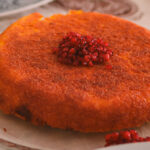
Building a useful collection of Middle Eastern pantry essentials does not mean filling your cupboards with every spice, grain and condiment you can find. A better approach is to begin with ingredients that work across several meals, then add more distinctive items as you explore particular regional cuisines.
This guide provides a flexible Middle Eastern grocery list for UK home cooks. It covers everyday foundations such as rice, pulses and tomato paste as well as saffron threads, dried barberries, pomegranate products, za’atar seasoning, rose water and other specialist ingredients. Use it to plan a first shop, review an existing cupboard or decide which unfamiliar ingredient deserves space in your kitchen.
What Belongs in a Middle Eastern Pantry?
There is no single pantry that represents the entire Middle East. Persian, Levantine, Iraqi, Gulf, Turkish, Armenian and other food traditions overlap in places but remain distinct. Rice may be central to one household, while bulgur, bread or couscous is more prominent in another. Even shared ingredients can be prepared and combined differently.
Your ideal pantry should therefore reflect the meals you actually want to cook. A household interested in Persian dishes may prioritise Iranian rice, saffron, dried herbs, dried limes and barberries. Someone focused on Levantine cooking may reach more often for bulgur, chickpeas, tahini, sumac and za’atar. The separate guide to Persian food essentials offers a more focused list for cooks following that tradition.
It helps to think in broad functional categories:
- Foundations: rice, grains, flour, pulses and cooking oil.
- Flavour builders: tomato paste, onions, dried herbs and everyday spices.
- Sour and savoury accents: sumac, pomegranate products, pickles and dried limes.
- Finishing ingredients: nuts, dried fruit, saffron, rose water and spice blends.
- Drinks and accompaniments: tea, dates and preserves.
This framework lets you substitute according to your preferred recipes, budget and storage space instead of treating every product as compulsory.
The Quick-Start Middle Eastern Pantry Checklist
A tiered checklist is more practical than one very long shopping list. Start with ingredients that can appear in weekly meals, then expand when a recipe gives you a clear reason to buy something new.
| Tier | Best for | Suggested ingredients |
|---|---|---|
| Starter | Occasional cooking and limited cupboard space | Long-grain rice, one pulse, tomato paste, olive oil, cumin, coriander, turmeric, cinnamon, dried fruit and black tea |
| Expanded | Regular Middle Eastern meals | Bulgur, couscous, chickpea flour, several pulses, sumac, za’atar, cardamom, dried mint, pomegranate molasses or paste, pickles and nuts |
| Specialist | Recipe-led regional cooking | Iranian rice, saffron, dried barberries, dried limes, rose water, semolina, regional herb mixtures and less frequently used spice blends |
Start With These 12 Versatile Essentials
- Long-grain or basmati rice: a flexible base for pilafs, steamed rice dishes, stuffed vegetables and meals served with stews.
- Bulgur or couscous: choose one initially for quick sides, salads and stuffings.
- Chickpeas: useful in dips, soups, salads, rice dishes and stews.
- Lentils: red lentils cook into soft soups and sauces, while green or brown varieties retain more texture.
- Tomato paste: a concentrated flavour builder for sauces, soups, stews and some rice dishes.
- Olive oil: useful for dressings, dips, marinades and finishing, as well as recipes that specifically call for it during cooking.
- Cumin: an earthy seasoning used in many pulse, meat, rice and vegetable recipes.
- Ground coriander: a versatile partner for cumin in savoury spice combinations.
- Turmeric: widely used for colour and earthy flavour, although its importance varies between cuisines.
- Cinnamon: suitable for both sweet recipes and selected savoury dishes.
- Dates or raisins: convenient for serving, baking, rice dishes and sweet-savoury combinations.
- Black tea: a dependable cupboard drink that can be served plain or prepared with ingredients such as cardamom or mint.
This basket is deliberately adaptable. If you cook mostly Persian food, for example, you might replace bulgur or couscous with a larger rice supply or an additional pulse. If you prepare more salads and flatbreads, sumac or za’atar may deserve an earlier place on the list.
Add These Ingredients as Your Cooking Expands
Once the starter ingredients are in regular use, add products that create more specific regional flavours. Useful next purchases include sumac, za’atar, cardamom, saffron, dried barberries, dried mint, pomegranate molasses or paste, rose water, chickpea flour, semolina, nuts and pickled vegetables.
Buy these additions recipe by recipe. Saffron makes sense when you plan to prepare saffron rice or a saffron-flavoured dessert; rose water is worthwhile when several drinks or sweets on your list use it. Cooks exploring Iranian dishes can consult this guide to specialist Persian cooking ingredients before choosing dried herbs, sour flavourings and other distinctive products.
Rice, Grains and Flours
Rice and grains provide the structure of many meals, but they are not interchangeable. Consider texture, cooking method and the dishes you make most often before buying a large bag. A versatile grain used twice a week is usually a better first purchase than several specialist varieties opened once.
Long-Grain Rice and Iranian Rice
Everyday long-grain or basmati-style rice is a sensible starting point. It can be steamed, combined with pulses or vegetables, seasoned as a pilaf, or served alongside a stew. Look at grain type and cooking instructions rather than assuming every long-grain product will behave identically.
Iranian rice is especially relevant to Persian-style chelow and polow. It is often selected when the fragrance, separation and character of the cooked grains are an important part of the dish. For example, Saharkhiz Tarom Rice in a 4.5kg pack is intended for Persian-style rice cooking. Another option, Sina Food Domsiah Gilan Rice, is identified as rice from Gilan suited to chelow and polow.
Choose pack size according to cooking frequency and cupboard capacity. A large bag can be practical for a household that prepares rice frequently, but a smaller pack is easier for beginners comparing varieties. Keep the cooking directions because soaking, rinsing and water requirements can differ.
Bulgur, Couscous and Other Grains
Bulgur is cracked wheat that comes in different grades. Fine bulgur is commonly selected for recipes where it is soaked or mixed into salads and shaped dishes. Coarser bulgur works better when a substantial grain texture is wanted in pilafs, sides or stuffings. Check the recipe’s requested grade before ordering.
Couscous consists of small granules and generally produces a lighter, separate texture. It is convenient for quick sides and salads but should not automatically replace bulgur: the two absorb liquid differently and create different results.
Other useful grains include freekeh, pearl barley and cracked wheat. They can add variety to soups and substantial grain dishes, but they belong in the expanded pantry unless they already feature in your regular recipes.
Semolina and Chickpea Flour
Semolina may be fine or coarse, and that distinction matters. Depending on the recipe, it can be used in doughs, savoury preparations, cakes, puddings and syrup-based sweets. Follow the specified grade rather than purchasing solely on the word “semolina”.
Chickpea flour has a distinct pulse flavour and is used in selected batters, breads, fritters and regional dishes. It is not a universal substitute for wheat flour. Start with a modest pack and use it where a recipe has been developed around its particular texture and behaviour.
Pulses and Legumes for Everyday Meals
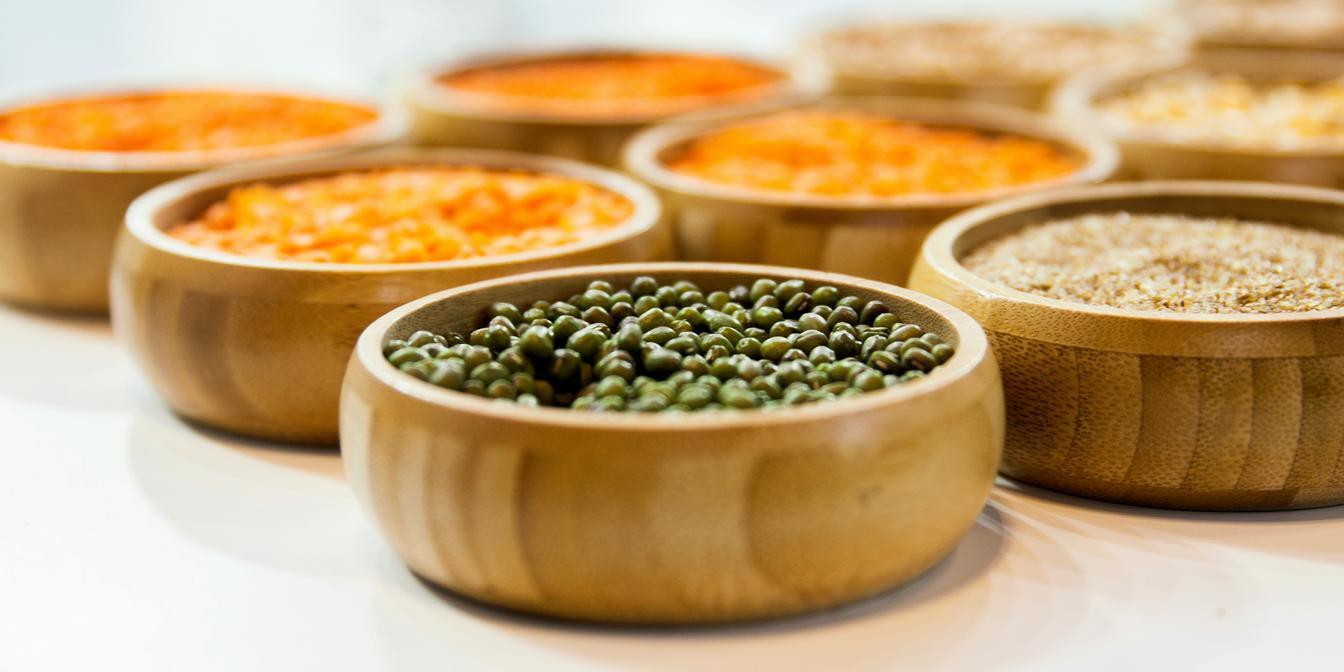
Chickpeas, lentils, beans and split peas are dependable Middle Eastern pantry staples. They can turn grains and store-cupboard flavourings into soups, dips, stews, salads and complete rice dishes.
Begin with chickpeas and one or two types of lentil. Red lentils are useful when you want a soft texture that blends into a soup or sauce. Green and brown lentils usually remain more distinct, making them suitable for salads, rice combinations and substantial stews. Beans and split peas are best added when your chosen recipes call for them regularly.
Dried Versus Tinned Pulses
Tinned pulses prioritise convenience. They are useful for quick hummus, salads, soups and weekday meals because most of the preparation has already been completed. Check the drained quantity when comparing tins, as the total pack weight includes liquid.
Dried pulses suit batch cooking and give you more control over the final texture. They take longer and some require soaking, so follow the preparation directions for the specific pulse. Store them in labelled containers so similar-looking lentils and split peas do not become confused.
Many kitchens benefit from keeping both formats: dried chickpeas or beans for planned cooking and a few tins for meals that need to come together quickly.
Essential Middle Eastern Herbs and Spices
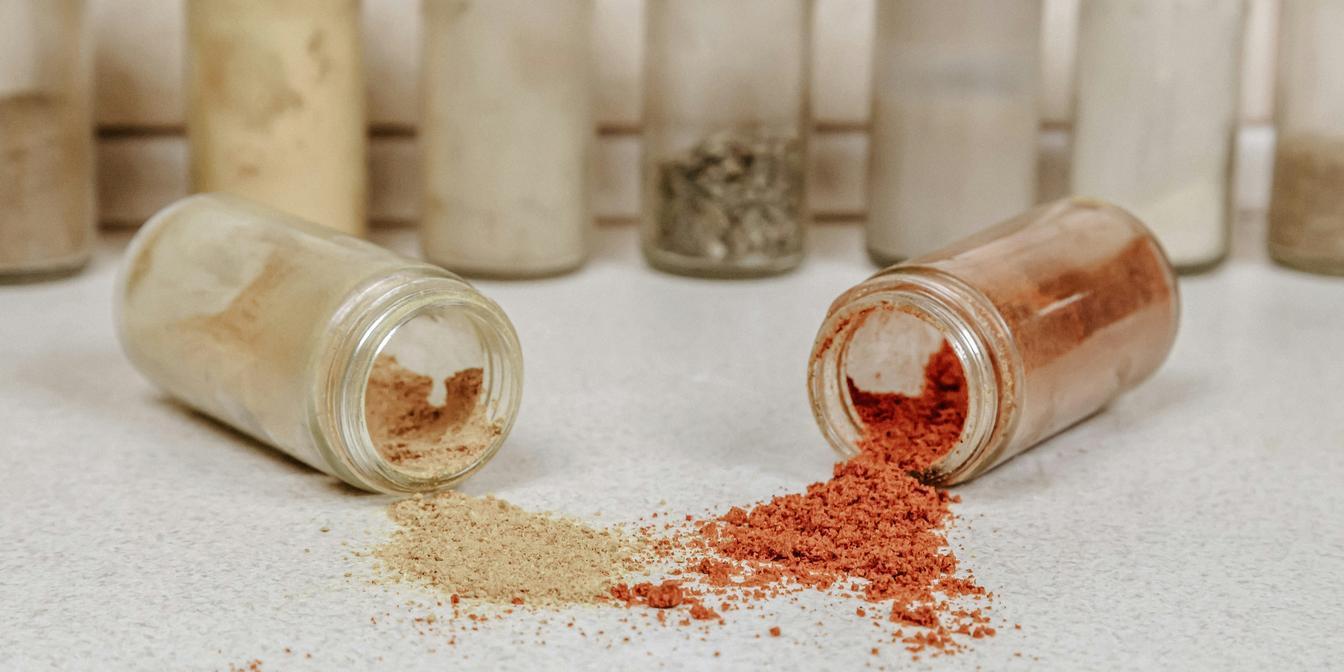
A useful spice cupboard does not need dozens of open packets. Divide purchases into everyday single spices, regional blends and premium ingredients. Buy the first group in practical quantities and add the others when they support a particular dish.
Everyday Single Spices
Cumin, coriander, turmeric, cinnamon and black pepper form a versatile starting set. Cardamom is valuable for tea, coffee, rice and sweets, while dried mint can be used in selected sauces, soups, fillings and drinks. Dried parsley, dill, fenugreek and other herbs become more important in certain regional traditions, particularly when recipes call for them in generous quantities.
The balance changes from one cuisine to another. Turmeric may be an everyday seasoning in a Persian food cupboard, while sumac and dried mint may receive more attention in a Levantine one. Avoid applying the same spice mixture to every dish simply because it tastes broadly “Middle Eastern”.
Smaller packs are usually sensible for ground spices you use occasionally. Whole spices can be ground when required, but only buy them if you are comfortable adding that preparation step. Keep packets clearly labelled, especially when powders have similar colours.
Regional Blends, Sumac and Za’atar
Za’atar is a blend rather than one universal formula. It commonly combines herbs with sumac, sesame and other seasonings, but the proportions and additional ingredients vary. A product such as Lebanese za’atar spice blend can be used for breads, dips, salads and everyday seasoning.
Sumac is different: it is a sour, fruity seasoning used on its own and as a component of some za’atar blends. Buying one does not make the other redundant. Use sumac when a recipe needs direct acidity without added liquid; choose za’atar when you want the fuller combination of herbs, sesame and tart seasoning.
Other blends include baharat and Persian advieh, but their formulas can vary. Check the ingredient list and the intended dish instead of assuming blends with the same name are identical.
Premium and Highly Distinctive Ingredients
Saffron threads can transform rice, desserts and drinks, but they are not necessary for every beginner’s basket. Purchase saffron when you have a clear plan for it and prepare it as the recipe directs. Rose water is similarly distinctive: a small amount can be noticeable, so measure rather than pouring freely.
Dried barberries are particularly useful in Persian rice dishes and garnishes, where their tartness contrasts with rice and other ingredients. Dried limes provide another type of sour flavour in selected stews and soups. These are high-impact additions, not general replacements for lemon juice or sumac.
Condiments, Pastes, Pickles and Preserves
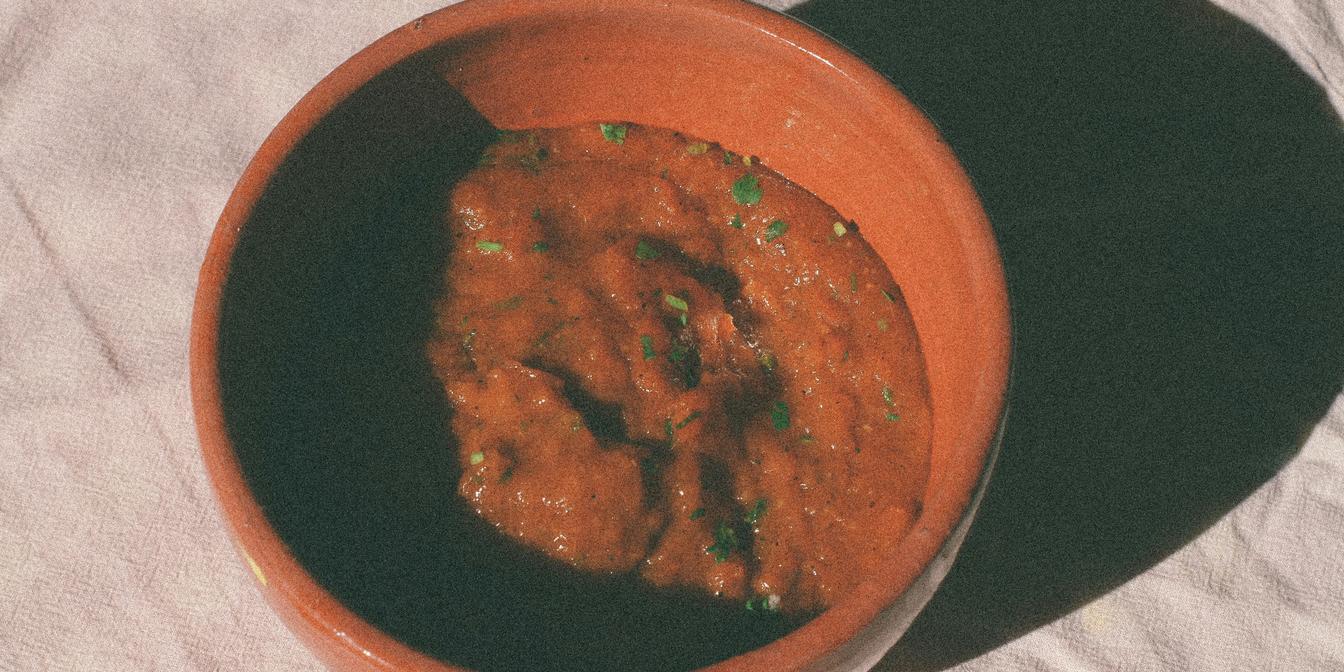
Condiments and preserved ingredients give pantry meals depth and contrast. Tomato paste is the most versatile place to begin. Pomegranate products, tahini, pickles and olives can then be added according to the dishes and regional traditions you enjoy.
Tomato Paste as an Everyday Flavour Builder
Tomato paste contributes concentrated tomato flavour, colour and body to soups, stews, sauces and rice dishes. Because it is concentrated, follow the amount in the recipe rather than treating it like passata or chopped tomatoes. An option such as Tak Tomato Paste 700g is designed for this type of savoury cooking.
Before choosing a pack, consider how quickly you normally use tomato paste after opening and follow the product’s storage directions. A large tin or jar is practical only when its size fits your cooking routine.
Pomegranate Paste and Pomegranate Molasses
The terms pomegranate paste and pomegranate molasses are sometimes used inconsistently. In general, molasses suggests a pourable concentrated condiment, while a product labelled paste may be thicker. Sweetness, acidity and consistency can still vary, so check the label and adjust gradually rather than making an automatic one-for-one substitution.
Pomegranate products can add sweet-sour depth to dressings, marinades, stews and sauces. They are powerful ingredients, so begin with the recipe’s stated quantity and taste before adding more.
Pickles, Olives and Tahini
Vegetable pickles and olives provide sharp or savoury contrast alongside rice, bread, grilled foods and mezze-style meals. They are useful accompaniments but need not occupy cupboard space until you know which varieties your household prefers.
Tahini is a sesame paste used in hummus, dressings, sauces and sweets. Stirring requirements and consistency differ between products, so follow the label and recipe. It belongs in the starter pantry for frequent hummus makers, but in the expanded tier for everyone else.
Dried Fruit, Nuts, Sweets and Tea
Dried fruit and nuts move easily between breakfast, snacks, rice dishes, baking and desserts. Dates, raisins and dried apricots are flexible starting choices. Dried barberries are more specialised, while dried figs, mulberries and other fruits can be added according to preference.
Pistachios, almonds and walnuts appear in many sweet and savoury recipes, but it is better to buy the nut specified by the dishes you intend to cook. Consider pack size and follow the storage instructions on the package, particularly if nuts are used slowly.
Tea and Other Cupboard Drinks
Black tea is one of the easiest drink staples to keep. It can be brewed plainly or paired with cardamom, mint or other aromatic ingredients depending on the serving tradition. Loose-leaf tea gives you control over quantity, while tea bags prioritise convenience.
Coffee, herbal infusions, fruit syrups and powdered drink preparations can broaden the cupboard, but these are preference-led purchases. The guide to Middle Eastern drinks available to UK shoppers explains more of the options without treating them as universal essentials.
How to Shop for Middle Eastern Ingredients in the UK
Start with a meal plan rather than a shop category. Choose three to five dishes that share ingredients, write down the required quantities and separate items into “buy now” and “buy later”. A rice dish, lentil soup, chickpea salad and tomato-based stew, for example, can share rice, pulses, tomato paste and several spices.
Ingredient names may be transliterated in different ways. Za’atar may appear as zaatar, and Persian ingredients may be listed under Persian, Iranian or Farsi-derived names. Compare the product description, format and ingredient list rather than relying on spelling alone.
When shopping online, check pack weight, whether a pulse is dried or tinned, whether a spice is whole or ground, and whether a grain has a stated grade. For a broader purchasing framework, see this guide to buying Middle Eastern groceries online in the UK.
Do not assume the largest pack always offers the best practical value. Large rice or pulse bags suit frequent cooking, but small spice, flour and flavouring packs may be easier to finish while their character is still at its best.
How to Store Middle Eastern Pantry Ingredients
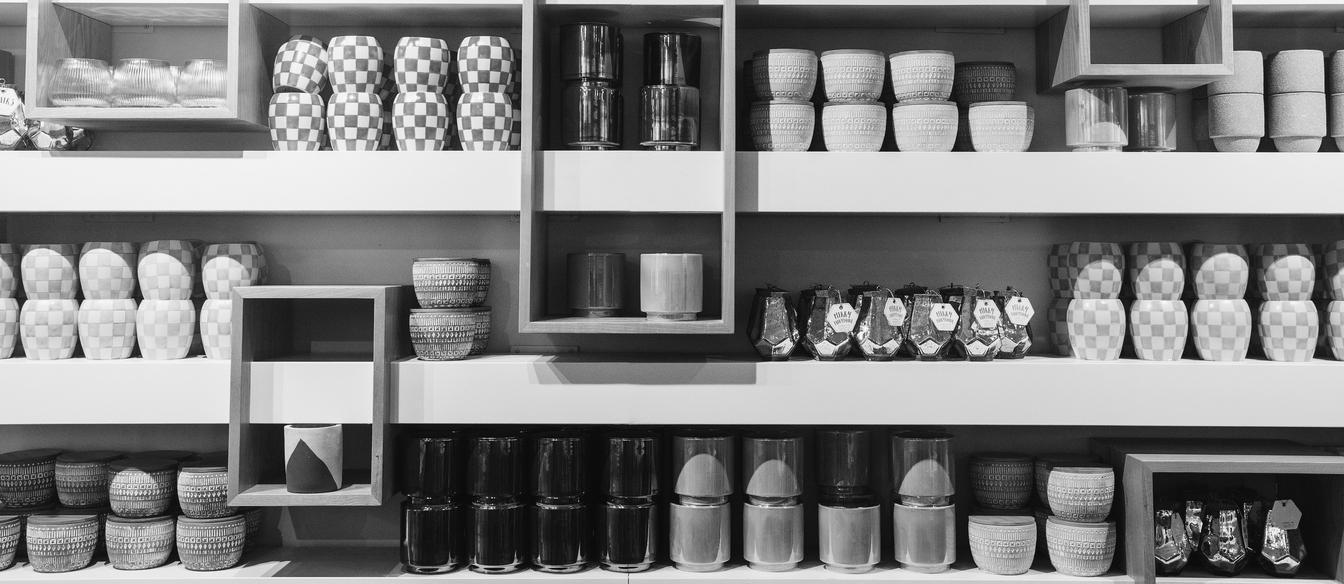
Organise the cupboard to protect flavour and make ingredients easy to use. Keep grains, pulses and flours together; group everyday spices near the cooking area; and place specialist products in a clearly labelled section. Follow each package’s storage directions, including any instructions that apply after opening.
Use Labels and a Simple Rotation System
- Label transferred ingredients with the product name and opening date.
- Keep cooking instructions from rice, grains and dried pulses.
- Place older packs in front of newer purchases.
- Keep strongly aromatic spices and teas in well-closed containers.
- Choose containers that fit the amount purchased rather than decanting small quantities into oversized jars.
- Review specialist ingredients before planning another shop.
A short cupboard inventory can prevent duplicate purchases. Divide it into grains, pulses, spices, condiments and baking or sweet ingredients, then update it when a pack is nearly finished.
Turn the Pantry Into Everyday Meals
The best pantry is one that produces meals without requiring a new specialist purchase every time. Use these simple combinations as planning formulas rather than fixed recipes:
- Rice plus stew: serve steamed rice with a tomato-based pulse, vegetable or meat stew.
- Grain salad: combine bulgur or couscous with herbs, vegetables and a sour dressing.
- Pulse soup: build a soup around lentils, tomato paste and a small selection of spices.
- Chickpea meal: use chickpeas in hummus, a salad, a rice dish or a quick stew.
- Flatbread accompaniment: serve bread with za’atar and olive oil, tahini, olives or pickles.
- Sweet finish: offer tea with dates or use dried fruit and nuts in a recipe-led dessert.
As you repeat these formats, notice what runs out and what remains untouched. That pattern is more useful than any universal list when deciding how your Middle Eastern food cupboard should develop.
Common Pantry-Building Mistakes
- Buying the entire specialist list at once: begin with shared foundations and add distinctive ingredients for planned recipes.
- Treating the region as one cuisine: research the country or tradition behind a dish before making substitutions.
- Buying oversized spice packs: reserve large packs for seasonings you use frequently.
- Confusing sumac with za’atar: sumac is a tart seasoning; za’atar is a variable blend that may contain it.
- Ignoring grain grades: fine bulgur and coarse bulgur behave differently, as do fine and coarse semolina.
- Substituting pomegranate products without adjustment: compare thickness, sweetness and acidity first.
- Choosing pack size without checking usage: match the quantity to your cooking frequency and available storage.
- Discarding preparation instructions: rice, dried pulses and grains may require product-specific methods.
Build a Pantry Around the Food You Enjoy
A complete pantry is not the one with the most products. It is the one that supports your usual meals while leaving room for exploration. Start with rice, pulses, tomato paste, oil, several dependable spices, dried fruit and tea. Add za’atar, sumac, saffron, barberries, pomegranate products, rose water and regional grains when your recipes justify them.
By shopping in tiers, selecting sensible pack sizes and recognising regional differences, UK cooks can build a versatile collection of Middle Eastern ingredients without unnecessary expense or cupboard clutter.
Frequently Asked Questions
What are the most important Middle Eastern pantry essentials for beginners?
Start with long-grain rice, chickpeas, lentils, tomato paste, olive oil, cumin, coriander, turmeric, cinnamon, dried fruit and black tea. Add bulgur or couscous according to the dishes you plan to cook.
Which Middle Eastern spices should I buy first?
Cumin, ground coriander, turmeric and cinnamon form a versatile starter set. Cardamom, sumac, dried mint and za’atar are useful next purchases, but their importance depends on the regional cuisine.
What type of rice is best for Middle Eastern cooking?
Long-grain or basmati-style rice is a flexible everyday choice. Iranian rice is especially appropriate for Persian chelow and polow when the aroma and separate character of the grains are central to the dish.
Is pomegranate paste the same as pomegranate molasses?
Not always. Molasses usually describes a more pourable concentrated condiment, while paste may be thicker, but naming varies. Check the label, consistency, sweetness and acidity before substituting one for the other.
What is the difference between za’atar and sumac?
Sumac is a tart, fruity seasoning used on its own. Za’atar is a herb and spice blend that commonly contains sumac and sesame, although its exact formula varies by producer and regional style.