Choosing Persian rice for tahdig is not simply a matter of finding the longest grain or the most expensive-looking bag. The right choice depends on what you are cooking, how much aroma you want, whether you prefer soft or firm grains, and how confident you are with parboiling and steaming. Traditional Iranian varieties such as Hashemi, Tarom and Domsiah can bring distinctive fragrance and a soft, fluffy character to chelo and polo. White basmati is a versatile and accessible alternative, while sella basmati is useful when dependable grain separation is the priority.
This guide explains how the main Persian rice varieties and styles behave in the kitchen. It will help you choose rice for a crisp tahdig, plain chelo, mixed polo, one-pot kateh or routine family cooking without assuming that one variety is best for every cook and every meal.
The short answer: which Persian rice should you choose?
For traditional chelo or a special Persian meal, start with an aromatic Iranian long-grain variety such as Hashemi, Tarom or Domsiah. These are natural choices when the fragrance and texture of the rice will be prominent on the plate. They generally suit cooks who are comfortable rinsing, soaking where appropriate, parboiling, draining and steaming rice carefully.
For accessible everyday cooking, good-quality white basmati is often the most practical all-round option. It can be used for rice tahdig, potato or lavash tahdig, chelo-style rice and mixed dishes. Results vary between brands and batches, so it is worth learning how one bag absorbs water before changing products.
Choose sella or parboiled basmati when firm, separate grains and tolerance of handling matter more than reproducing the softer character of traditional Iranian rice. It can be especially helpful for large quantities, layered dishes and cooks who want a wider margin between undercooked and over-soft rice.
- For aromatic chelo and special meals: Hashemi, Tarom or Domsiah.
- For versatile everyday cooking: white long-grain basmati.
- For firm separation and large batches: sella basmati.
- For a deliberately smoky fragrance: smoked rice or a blend containing a small proportion of it.
The best choice is therefore the rice that fits your dish and technique. If you want a broader introduction to regional names and characteristics, this guide to choosing Iranian rice varieties provides additional shopping context.
Best rice for tahdig
The best rice for tahdig needs to survive two distinct cooking stages. First, the grains are partially cooked, commonly in boiling water. They are then drained and steamed over a layer that will become the crisp base. The upper rice should finish tender and separate rather than turning sticky, breaking down or compressing into a heavy mass.
Aromatic Iranian long-grain rice and white basmati can both work well. Sella basmati can also produce tahdig, particularly when the cook values robust, separate grains. However, no rice variety guarantees a perfect crust. The pot, amount and distribution of fat, moisture, heat level, steaming time and release method all affect the result.
For classic rice tahdig
In classic rice tahdig, the rice itself forms the golden layer at the bottom of the pot. This makes grain behaviour particularly important. The parboiled grains need enough surface starch to join into a coherent crust, but the steamed rice above should remain light.
Hashemi and Tarom are appealing when you want the finished dish to have the fragrance and soft, fluffy texture associated with Iranian rice. White basmati is also a dependable choice and may be easier to practise with because it is widely used for repeat everyday cooking. A product such as Mehmandoust Premium Iranian Hashemi Rice in a 1kg pack can be a practical way to try an aromatic variety before deciding whether it suits your technique.
Whichever rice you use, stop the initial boiling stage while the grains still have structure. Rice that is already completely tender before steaming is more likely to become soft or collapse during the second stage.
For potato, bread or lavash tahdig
With potato, bread or lavash tahdig, the added bottom layer creates the crust. You can therefore place greater emphasis on the aroma and texture of the steamed rice above it. Hashemi, Tarom and white basmati are all reasonable options, while sella can be useful when the rice will be handled, layered or served in a large quantity.
The crust ingredient changes the timing and moisture balance. Potato needs enough time to colour and cook through, while a thin bread or lavash layer can brown more quickly. Rice should still be parboiled with care because the tahdig layer cannot prevent overcooked grains above it.
Why technique matters as much as the variety
Several common tahdig problems are caused by method rather than the bag of rice. A pale base may need a better-managed initial heat phase or more time. A burnt base can result from heat that remains too high for too long. A crust that sticks may reflect insufficient fat, an unsuitable pot surface or an attempt to release it before the structure has settled.
Changing rice every time makes these variables harder to understand. For more consistent results, use the same rice, pot and approximate quantity for several attempts, then adjust one element at a time.
Best Persian rice for chelo
Chelo is plain Persian-style rice prepared to highlight the grains themselves. It is commonly rinsed, soaked if the variety and recipe call for it, parboiled, drained and then steamed. The goal is separate, tender rice with a light texture rather than a wet or compact finish.
Because chelo contains no substantial mixture of herbs, pulses or sauce to mask the rice, aroma and grain quality are especially noticeable. Hashemi and Tarom are traditional choices for cooks who enjoy fragrant rice with a soft, fluffy finish. Domsiah is another option for shoppers seeking an aromatic Iranian variety.
There is no universal winner between Hashemi and Tarom. A specific producer, crop and batch can matter, as can personal preference. Some cooks prioritise a pronounced fragrance; others care more about elongation, tenderness or how forgiving the rice is during draining. The most useful test is to cook each candidate by the same method and compare the results without changing the water, pot and timing simultaneously.
White basmati can also make satisfying chelo-style rice. Look for intact long grains and pay attention to the way the particular product absorbs water. If a bag is labelled aged basmati, do not assume that the usual timings for another basmati will transfer perfectly; ageing can influence cooking behaviour and the amount of water needed.
Best rice for everyday Persian cooking
Everyday rice needs to fit more than a single showpiece dish. Consider how often you cook, how many people you serve, how predictable you need the results to be and whether you regularly make chelo, polo, kateh or tahdig.
White basmati is a useful household default because it can move between plain steamed rice, mixed rice dishes and tahdig. An affordable long-grain basmati that you understand well may give better everyday results than a premium variety that you cook only occasionally. Familiarity helps you recognise the right point for draining and the amount of moisture needed during steaming.
Iranian rice can still be an everyday choice, particularly if aroma is central to your meals. A larger pack such as Iranian Hashemi Rice 4.5kg may suit a household that cooks Persian rice frequently, while a smaller bag makes more sense for an initial comparison or occasional use.
Think about cost per serving rather than the bag price alone, but do not ignore waste. A large pack offers little practical advantage if it will remain open for a very long time or cannot be stored conveniently. If you are building a kitchen around more than rice, a focused list of core Persian pantry essentials can help you prioritise versatile ingredients.
A practical comparison of Persian rice varieties and styles
The table below compares relative cooking characteristics rather than ranking every rice from best to worst. Individual products and batches vary, and technique can amplify or reduce the differences.
| Rice variety or style | Aroma and texture | Grain separation | Handling | Best uses |
|---|---|---|---|---|
| Hashemi | Fragrant, soft and fluffy | Good when carefully cooked | Rewards attentive parboiling | Chelo, polo, rice tahdig and special meals |
| Tarom | Aromatic with a tender cooked character | Good with controlled cooking | Best when timing is learned for the specific bag | Chelo, polo, tahdig and family meals |
| Domsiah | Fragrant Iranian rice; exact character varies by product | Generally suited to separate Persian-style rice | Check the pack and test a small batch | Chelo, polo and occasions where aroma is prominent |
| White basmati | Aromatic, light and versatile | Usually good, depending on brand and method | Accessible for routine cooking | Tahdig, chelo-style rice, polo and everyday meals |
| Sella basmati | Firmer and somewhat different from ordinary white basmati | Very dependable | Tolerates handling and layering well | Large batches, mixed rice dishes and firm-grained results |
| Smoked rice | Distinct smoky fragrance | Depends on the underlying variety | Often best tested or blended gradually | Dishes where smoke is an intentional flavour |
Hashemi rice
Hashemi is a well-known Iranian long-grain rice valued by many cooks for its fragrance and soft, fluffy cooked texture. It is suited to chelo, polo and tahdig, especially when the rice itself is meant to be a noticeable part of the meal.
Its tender character means timing matters. Do not judge doneness only by the number of minutes in a recipe; examine a grain during parboiling and learn how the specific bag responds. Producer, crop, storage and cooking method can all influence the final result.
Tarom rice
Tarom is another traditional Iranian rice choice for aromatic chelo, polo, tahdig and family cooking. Like Hashemi, it appeals to people who want more than simple grain length and place a high value on fragrance and a tender finish.
Hashemi is not automatically better than Tarom, or vice versa. The useful comparison is between actual products cooked under similar conditions. For example, Golestan Premium Iranian Tarom Rice 4.5kg is positioned for chelo, polo and everyday Iranian meals, making it a relevant option for cooks who regularly prepare these dishes.
Domsiah rice
Domsiah is another Iranian variety shoppers may encounter when looking for fragrant rice. It can be considered alongside Hashemi and Tarom for chelo and polo rather than treated as an interchangeable generic label.
Check the exact pack description because the origin, producer and handling characteristics of the available product matter. Sina Food Iranian Domsiah Gilan Rice 4.5kg, for example, is described as a premium Iranian rice from Gilan with natural aroma and a fluffy cooked texture, suited to chelow and polow.
White basmati rice
White basmati is a versatile long-grain rice for tahdig, chelo-style rice and mixed polo dishes. It is often the easiest starting point for cooks who want to practise Persian steaming techniques using a rice they can buy and cook regularly.
Not all basmati behaves identically. Brand, grain condition and ageing can influence aroma, elongation and water absorption. Once you find one that works, record the soaking time, parboiling time and approximate steaming period instead of relying on a universal ratio.
Sella or parboiled basmati rice
Sella basmati has been processed differently from ordinary white basmati. In cooking, it generally produces firm, separate grains that withstand draining, mixing and extended handling well. This makes it useful for large batches and layered polo dishes in which the rice is combined with other ingredients.
Its colour, aroma and firmer bite differ from the softer experience of traditional Iranian rice. Choose it because you want those handling characteristics, not because it is inherently superior. It can make tahdig, but cooks seeking delicate, fragrant chelo may prefer Hashemi, Tarom or a familiar white basmati.
Smoked rice
Smoked rice should be treated as a flavour decision rather than an upgrade from unsmoked rice. Its fragrance can be assertive, so it may suit certain meals while overwhelming others. If you are unsure, cook a small quantity first or blend a modest amount with an unsmoked long-grain rice, adjusting the proportion on the next attempt.
How to judge a bag of rice before buying it

A useful product listing or pack should help you identify what you are buying. Start with the stated variety or rice style: Hashemi, Tarom, Domsiah, white basmati, sella basmati or smoked rice. A vague description such as “long-grain rice” gives you less information about likely aroma and cooking behaviour.
When the grains are visible, look for a reasonably consistent shape and a low proportion of visibly broken pieces. Grain length alone should not decide the purchase. Aroma, integrity after parboiling and the texture after steaming are more important than an impressive uncooked appearance.
Also check the net weight and any preparation guidance supplied with the product. Pack instructions are a starting point rather than a guarantee because Persian methods may differ from the absorption method assumed by the manufacturer. If the listing mentions a region, variety or processing style, use that information to compare like with like.
When buying online, assess the clarity of the listing as well as the rice. A dependable description should distinguish varieties and pack sizes rather than grouping everything under a generic heading. This guide to comparing Persian groceries online explains other listing and retailer checks that can help with a larger order.
Match the rice to your preferred cooking method
For chelo
Prioritise aroma, tenderness and intact grains. Hashemi, Tarom and Domsiah are strong candidates, with white basmati as a versatile alternative. Test doneness frequently during parboiling because the grains must finish cooking in steam.
For polo
Consider how much mixing and layering the dish requires. Iranian rice and white basmati work well when handled carefully. Sella is worth considering for substantial mixtures or large quantities because its grains tend to remain firm and separate.
For kateh
Kateh uses an absorption-style approach rather than draining away the cooking water. The rice’s water absorption therefore becomes especially important. Use a familiar product where possible, measure consistently and make small adjustments between batches.
For tahdig
Choose a long-grain rice that remains structured after parboiling, but give equal attention to the pot, fat, heat and timing. Rice tahdig highlights the grain itself, while potato and lavash versions allow you to choose primarily for the texture of the steamed rice above.
Choosing pack size and storing rice at home
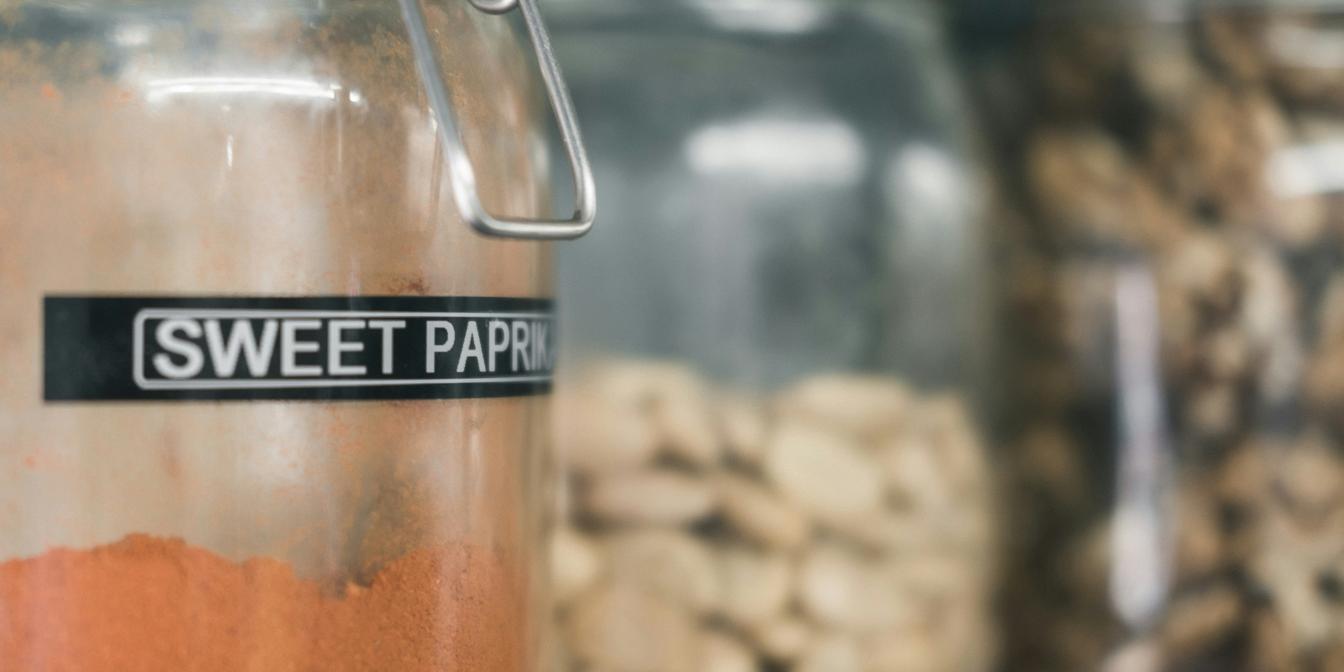
Pack size should reflect cooking frequency, household size and available cupboard space. A 1kg bag is useful for comparing an unfamiliar variety or cooking Persian rice occasionally. A larger pack may be more convenient when the same rice is prepared several times a week.
After opening, keep the rice in a closed container in a cool, dry cupboard and retain the original label or note the variety and batch information. This prevents Hashemi, Tarom, basmati and sella from becoming indistinguishable once they have been decanted. Avoid combining the end of an old bag with a new one until you know that both cook similarly.
If you are ordering rice with saffron, dried herbs, pulses or other staples, compare the whole basket rather than selecting a retailer on rice alone. A broader Persian cooking ingredient guide can help you decide which items will genuinely support the dishes you plan to make.
Common rice-buying and cooking mistakes
- Assuming the longest uncooked grain is automatically best: cooked aroma, texture and integrity matter more than appearance alone.
- Expecting every bag with the same variety name to behave identically: products and batches can absorb water and soften at different rates.
- Using one fixed cooking time for all rice: inspect and taste a grain during parboiling rather than relying only on the clock.
- Choosing sella when you actually want soft, traditional chelo: sella is useful for firmness, but its texture is different from Iranian rice and ordinary white basmati.
- Blaming the variety for every tahdig problem: the pot, fat, heat, moisture and release technique also determine the crust.
- Buying the largest pack before testing it: begin with a manageable quantity when comparing an unfamiliar variety.
- Changing several variables at once: keep the pot, quantity and method consistent while evaluating a new rice.
A simple buying checklist
- Decide whether the rice is mainly for chelo, tahdig, polo, kateh or general use.
- Choose aromatic Iranian rice for fragrance and a tender, fluffy character.
- Choose white basmati for versatility and accessible everyday cooking.
- Choose sella when firmness, separation and handling resilience are priorities.
- Check the named variety, pack size and processing style rather than relying on generic marketing language.
- Test a small batch and record how long it soaks, parboils and steams.
- Judge the cooked rice by aroma, separation, tenderness and suitability for your preferred dish.
Final recommendation
If you want one straightforward starting point, choose a good white basmati and learn its cooking behaviour. It is flexible enough for rice tahdig, potato or lavash tahdig, chelo-style rice and everyday polo.
When aroma and traditional character are the priority, compare Hashemi and Tarom, with Domsiah as another fragrant Iranian option. If you regularly cook large quantities or mixed rice dishes and want grains that tolerate handling, try sella basmati. The best Persian rice for tahdig is ultimately the one that gives you the balance of fragrance, separation and tenderness you enjoy—and that you can cook consistently with your own pot and method.
Frequently Asked Questions
What is the best rice for Persian tahdig?
Aromatic Iranian long-grain rice such as Hashemi or Tarom and good-quality white basmati are natural choices. Sella can also work when firm grain separation is preferred. The pot, fat, heat and parboiling stage matter as much as the variety.
Can I make tahdig with ordinary basmati rice?
Yes. White basmati can be used for rice, potato, bread or lavash tahdig. Parboil it only until the grains are partly tender, then drain and steam so the upper rice does not become too soft.
Is Hashemi or Tarom rice better for chelo?
Neither is universally better. Both are aromatic Iranian varieties suited to chelo. Compare actual products for fragrance, tenderness and cooking behaviour, ideally using the same pot and method.
What is the difference between Iranian rice and basmati rice?
Iranian rice includes named varieties such as Hashemi, Tarom and Domsiah, often selected for their fragrance and soft, fluffy cooked character. Basmati is a separate long-grain rice type available in white and parboiled forms, with characteristics that vary by brand and ageing.
Is sella basmati suitable for Persian rice?
Yes, particularly for mixed polo, large batches and dishes where firm, separate grains are helpful. Its colour, aroma and texture differ from ordinary white basmati and traditional Iranian rice, so it may not be the first choice for delicate chelo.