A well-planned Ramadan grocery list helps you prepare satisfying suhoor and iftar meals without filling the cupboard with ingredients you may not use. The most practical approach is to begin with your household’s usual dishes, identify the shelf-stable ingredients they share, and then divide your shopping between one main pantry order and smaller fresh-food top-ups.
This guide brings together versatile Middle Eastern pantry essentials for UK households, including dates, grains, pulses, cooking fats, condiments, spices, breakfast foods, drinks and dessert ingredients. It is a flexible checklist rather than a requirement to buy everything: choose products according to your meal plan, household size, storage space and cooking routine.
The complete Ramadan grocery list at a glance
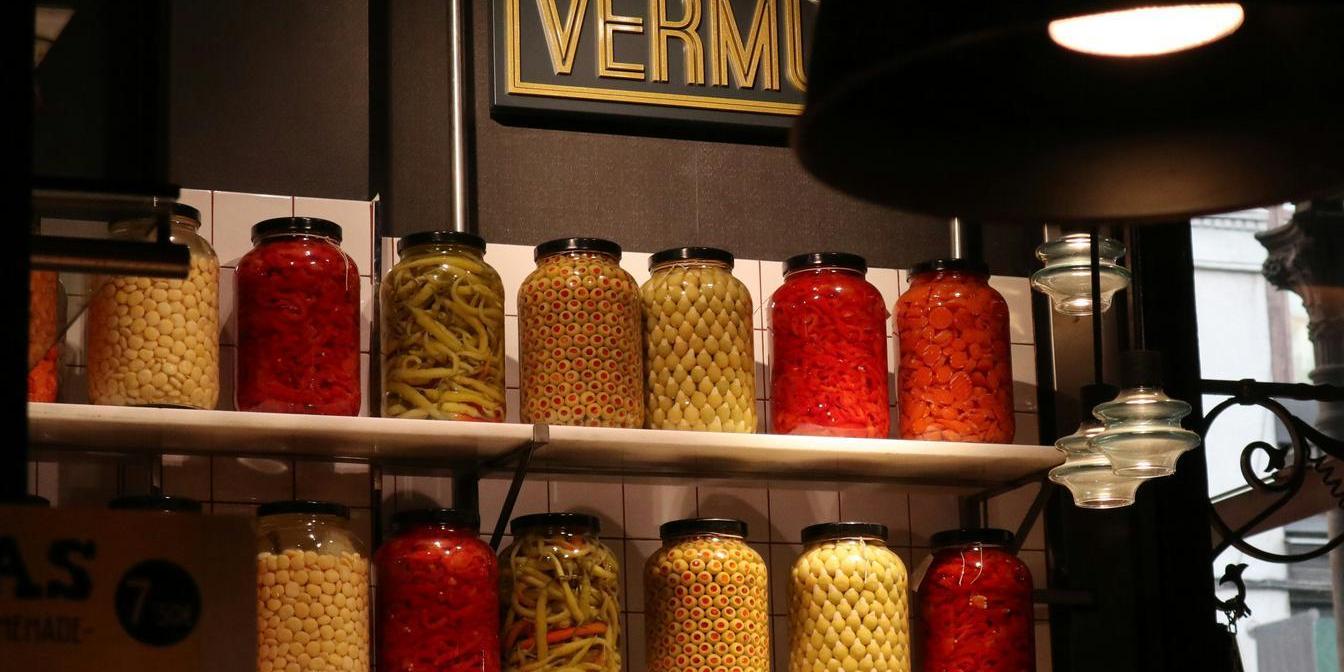
Use this master Ramadan food shopping list as a starting point. Check what you already have before adding anything to your basket, particularly spices, flour, oils and partly used packets of grains.
Dates, dried fruit and nuts
- Dates for serving at iftar, snacking or adding to desserts
- Raisins, dried figs, dried apricots, dried mulberries or dried jujube
- Pistachios, almonds, walnuts, hazelnuts or mixed nuts
- Seeds used in your preferred breakfasts, breads or desserts
Rice, grains and bread
- Basmati, Persian-style or another rice suited to your planned dishes
- Bulgur, couscous or another quick-cooking grain
- Oats for porridge, overnight oats or baking
- Plain flour and any specialist flour required by a confirmed recipe
- Flatbreads, wraps, pitta or your household’s usual bread
Pulses and legumes
- Red, green or brown lentils
- Dried or canned chickpeas
- Beans used in your soups, rice dishes and stews
- Split peas where required for a planned dish
Cooking essentials and sauces
- Olive oil and a suitable everyday cooking oil
- Ghee if it features in your recipes
- Tahini, tomato paste and pomegranate molasses
- Date syrup or another sweetener you regularly use
- Vinegar, pickles and sauces served with your usual meals
Spices and flavourings
- Salt, black pepper, cumin, coriander and turmeric
- Cinnamon, cardamom and saffron where relevant
- Sumac, dried mint, za’atar or spice blends used by your household
- Rose water, orange blossom water or extracts required for planned desserts
Suhoor and breakfast foods
- Oats, cereal or granola
- Nut butter, tahini, honey, jam or date syrup
- Tea, coffee and long-life drinks your household already enjoys
- Fresh bread, eggs, dairy, fruit and vegetables for timed top-ups
Drinks and dessert ingredients
- Tea, coffee, dried herbs or drink ingredients used at home
- Sugar or another preferred sweetener
- Flour, semolina, rice, starch or raising agents required by recipes
- Nuts, dried fruit, syrups and aromatic flavourings for toppings
Convenient extras
- Canned tomatoes, beans and chickpeas
- Ready-to-use stock or the ingredients for homemade stock
- Frozen vegetables and herbs chosen for specific meals
- Soup, rice and stew ingredients that can be prepared in batches
How to tailor the list to your household
Start by crossing out anything your household does not normally eat. A short list of familiar Ramadan pantry staples is more useful than a large collection of ingredients bought without a recipe. Note how many people you will usually feed, how frequently you expect guests and how many evenings you realistically plan to cook.
Storage should also shape the list. Measure available cupboard and freezer space before Ramadan bulk shopping, and avoid buying several large packs simply because the products are shelf-stable. If members of the household have specific dietary or product requirements, inspect labels individually rather than assuming that every item in a broad food category will be appropriate.
Start with a simple Ramadan meal plan before shopping
A meal plan does not need to assign a complicated dish to every day. Begin with a flexible weekly pattern: perhaps two soup evenings, two rice-based meals, one stew, one quick meal and one evening for leftovers or a family favourite. Repeat the structure with different ingredients if that makes shopping and cooking easier.
Write down the main components of each dish before building the shopping list. If you plan lentil soup, a chickpea salad and a rice dish, for example, list the lentils, chickpeas, rice, tomato paste, oil and spices they require. This makes duplicate entries visible and helps you distinguish essential Ramadan ingredients from optional extras.
For another overview that can be used alongside this checklist, see the complete guide to Ramadan food essentials for iftar and suhoor.
Plan suhoor, iftar and snacks separately
Dividing the plan into suhoor, iftar and snacks prevents breakfast ingredients from disappearing into a general list dominated by evening meals. For suhoor, choose several repeatable options such as porridge, bread with spreads, eggs with bread, or yoghurt and fruit. Add the shelf-stable ingredients to the main shop and leave shorter-life foods for top-ups.
For iftar, plan meal components rather than an entirely different menu every evening. A soup, a grain or bread, a main dish and a simple side can be varied without requiring a completely new set of groceries. Ingredients such as chickpeas, lentils, rice, tomato paste, tahini and nuts can often work across soups, salads, dips, stews and desserts.
Snacks and sweets should have their own small section. Decide whether you actually need dried fruit, nuts, biscuits, homemade desserts or all four. Buying for a defined number of serving occasions makes the list easier to control.
Separate the main shop from weekly top-ups
Place unopened rice, grains, pulses, canned foods, oils, spices, tea, coffee and baking ingredients on the main Ramadan grocery list. Check storage instructions and the condition of existing packs before ordering replacements.
Bread, milk, yoghurt, eggs, fresh herbs, fruit and vegetables are usually better assigned to appropriately timed top-ups. The exact schedule depends on what you buy, how quickly your household uses it and the storage instructions on the product. Keep a small reusable top-up list on your phone or cupboard door so that you can add items as they run low.
Dates, dried fruit and nuts
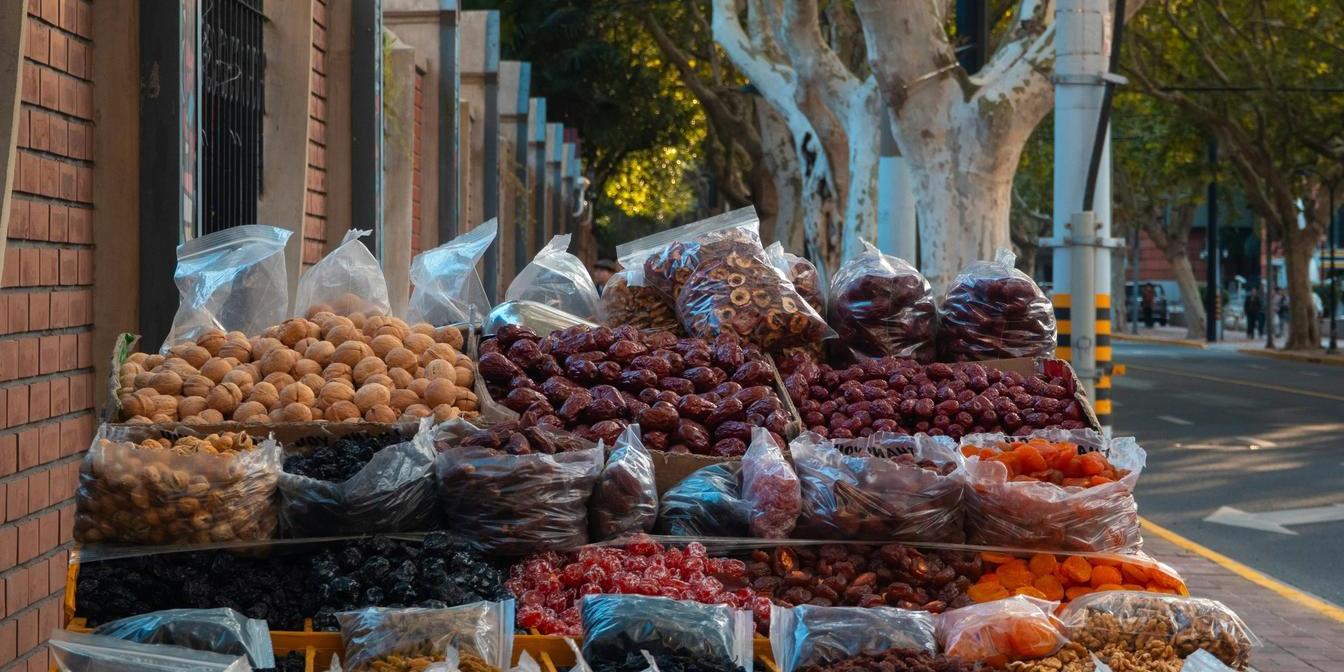
Dates are among the most recognisable Ramadan food essentials, but choosing them is still a matter of household preference. Consider whether they will be served by themselves, placed on a sharing platter, chopped into porridge or used in baking. Texture and pack size matter more than buying the largest possible quantity.
Shoppers who prefer a soft, dark date with a naturally sweet, rich flavour may consider Chtoura Ajwah Dates in a 500g pack. For a firmer texture, Dombaz Iranian Piarum Dates can be served as a snack, alongside tea or as part of a dessert selection.
Dried figs, raisins, apricots, mulberries and jujube can add variety, but there is no need to buy every kind. The same principle applies to pistachios, almonds, walnuts and other nuts. Select one or two favourites that can be used in breakfast bowls, baking or sharing dishes. If you want several varieties without assembling them separately, an Iranian nuts and dried fruit mix combines green raisins, roasted chickpeas, pistachios, almonds, hazelnuts, dried mulberries and coated nuts.
How to choose dates and serving extras
Estimate date quantities from how many people will eat them and how often you expect to serve them. A household using dates only at iftar will need a different amount from one that also adds them to suhoor, desserts and guest platters. Smaller packs may provide more variety, while a larger pack may suit a household with one clear favourite.
Check the label for storage directions and pack information. When serving dates with optional extras, keep the arrangement simple: a bowl of dates may be accompanied by one nut selection, tahini or a syrup used elsewhere in the meal plan. This avoids purchasing several toppings that perform the same role.
Rice, grains and bread for filling meals
Rice, bulgur, couscous and bread are flexible foundations for many iftar meals, while oats can support a repeatable suhoor routine. The right choice is not the grain that appears on the longest checklist; it is the one connected to meals your household intends to cook.
Choose rice according to the dishes in your plan and follow the preparation directions for that particular product. Bulgur can be useful in salads, sides and selected soups, while couscous is convenient when you want a quickly prepared accompaniment. Flour belongs on the list only when you have identified the breads, pastries or desserts you intend to make.
Bread is generally more suitable for a fresh-food top-up unless you have an appropriate storage plan. Estimate it separately for suhoor, soups, dips and quick meals so that it is not forgotten or bought in excessive quantities.
Choose grains by the dishes you actually plan to cook
Assign at least one purpose to every grain before putting it in the basket. Rice might be intended for two main meals and a rice-based dessert; bulgur for a salad; oats for four suhoor meals; and flour for one baking session. If you cannot identify a likely use, leave the product for a later order.
Also look for overlap. One dependable rice may cover several dishes, and oats can be used for both porridge and baking. This is usually more practical than opening numerous packets that will remain partly used after Ramadan.
Pulses and legumes for soups, stews and dips
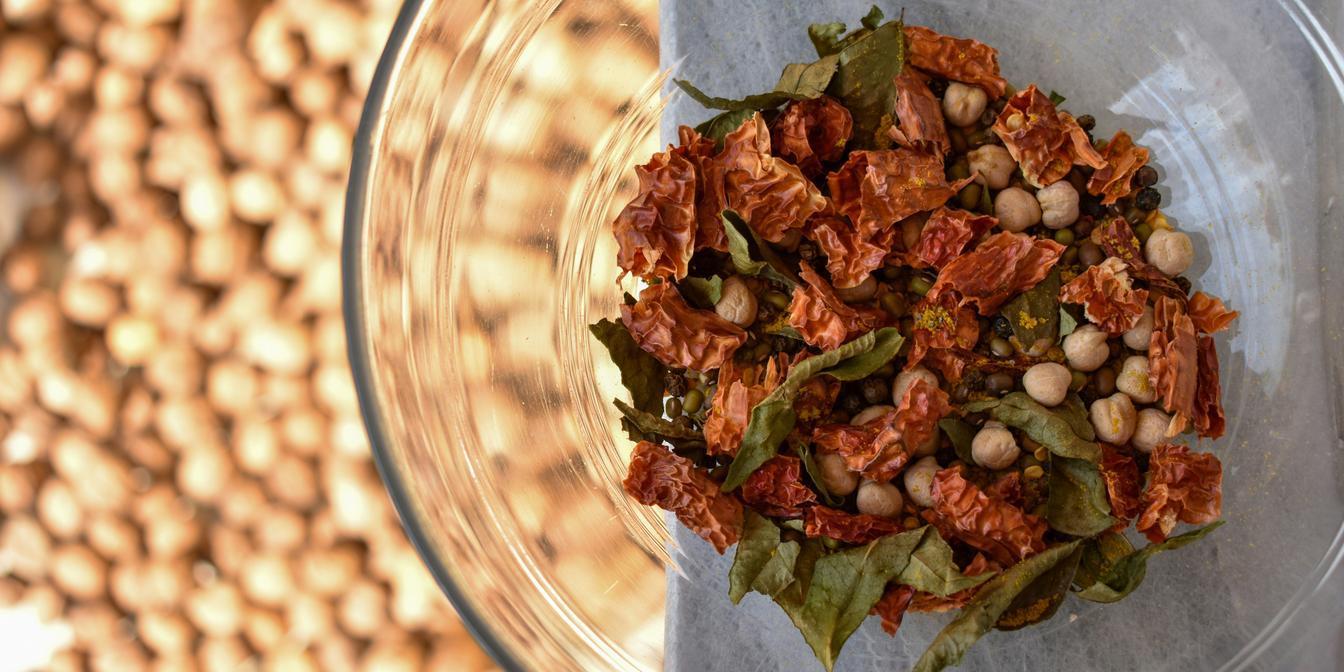
Lentils, chickpeas, beans and split peas are useful foundations for a varied iftar grocery list. Red lentils work well in many blended or quickly cooked soups, while green and brown lentils may be selected for recipes where a more distinct texture is wanted. Chickpeas can appear in dips, soups, stews, rice dishes and salads, depending on the recipe.
Buy types rather than categories. If your meal plan calls for red lentil soup and a chickpea dip, you may not need several additional lentil colours and bean varieties. Check each recipe for the required form and quantity before shopping.
Dried versus canned pulses
Dried pulses suit cooks who are comfortable allowing for soaking and cooking where required. They are easy to portion before preparation and useful for recipes made in larger batches. Preparation methods differ by pulse, however, so follow the pack directions and allow the necessary time in your meal plan.
Canned pulses reduce preparation steps and can be helpful on busy evenings. Compare the total pack size with the drained weight when working out how many cans a recipe requires. A recipe calling for cooked chickpeas should not automatically be matched to the same numerical weight of dried chickpeas.
A balanced cupboard may contain dried lentils for planned soups and a few cans of chickpeas or beans for quicker meals. Choose the format according to the recipe, available preparation time and storage space rather than declaring one option universally better.
Middle Eastern cooking oils, ghee and sauces
A compact collection of oils and sauces can support a wide range of Middle Eastern cooking. Olive oil may be used in dressings, dips or selected cooked dishes, while an appropriate everyday cooking oil can cover recipes that require a different flavour or cooking method. Buy ghee only if it appears in dishes your household genuinely plans to make.
Tahini is useful for dips, dressings and sauces. Tomato paste can provide a concentrated tomato element in soups, stews and rice dishes, while pomegranate molasses may be used in recipes that specifically call for its distinctive sweet-tart character. Check the recipe before substituting one syrup or sauce for another because they do not perform identical roles.
Date syrup can be included when you already have a use for it at breakfast, in baking or in savoury cooking. For example, Basra Date Syrup is a dark date-based syrup intended for drizzling, sweetening, baking and Middle Eastern-style cooking.
Build a useful condiment shelf
Avoid buying several jars for a single elaborate recipe unless you are confident you will make it. Look instead for condiments that appear in two or more planned dishes. Tahini might support a dip and a dressing, while tomato paste may be divided between soup, stew and rice.
Before shopping, inspect open bottles and jars for the storage guidance on their labels and note how much remains. This small step prevents unnecessary duplicate purchases and creates room for the products you will actually use.
Spices and aromatic ingredients
Cumin, coriander, turmeric, cinnamon, cardamom, black pepper and dried mint appear in many household spice cupboards, but the exact Ramadan cooking essentials will depend on your family’s recipes. Sumac, za’atar, saffron and blended seasonings may be valuable for one menu and unnecessary for another.
Write the required spice beside each planned dish, then combine the entries. This reveals which spices will be used repeatedly and which are needed only once. Check existing jars for remaining quantity rather than replacing the whole spice shelf automatically.
Keep the spice list compact
A practical core might contain salt, black pepper, cumin, coriander, turmeric and one or two blends familiar to your household. Add cinnamon, cardamom, saffron, dried mint, sumac or other aromatics only where they connect to specific drinks, desserts or savoury dishes.
Rose water and orange blossom water should also be recipe-led purchases. They have particular flavour profiles, so buying both without a plan may leave opened bottles unused. Confirm the amount required and follow the label’s storage instructions.
Suhoor foods for repeatable breakfasts
A useful suhoor shopping list focuses on meals that can be assembled consistently during early mornings. Oats, bread, spreads, cereal and long-life pantry ingredients belong in the main shop, while eggs, dairy products, fresh fruit and vegetables can be added through timed top-ups.
Choose three or four breakfast combinations rather than expecting a different menu every day. Examples might include porridge with dried fruit; bread with tahini and date syrup; eggs with bread and vegetables; or yoghurt with oats and nuts. These are planning templates, so adapt them to household preferences and individual dietary requirements.
Prepare the night before where practical
Group suhoor ingredients together in the cupboard so they are easy to find. Portion dry porridge ingredients, refill the tea area and move the next meal’s pantry items to the front. If preparing food ahead, follow the storage directions and handling guidance relevant to the specific ingredients used.
Keep the number of open packs under control. Finishing one cereal, dried fruit or spread before opening another makes stock levels easier to see and reduces the chance of buying duplicates during a top-up.
Ramadan drinks and desserts
Tea, coffee and familiar homemade drinks can be planned in the same way as meals. Estimate how often each will be served, especially if you expect guests. Avoid buying several syrups, teas or specialist drink ingredients simply to create variety; one or two dependable choices may be enough.
For desserts, decide first whether you will bake regularly, prepare occasional sweets or mainly serve fruit, dates and nuts. Then list the exact flour, rice, semolina, starch, sugar, syrup, nuts or aromatic flavourings required. Baking ingredients are easy to duplicate because they are often stored in different parts of the kitchen.
Plan desserts by occasion
Rather than adding a vague “dessert supplies” category, assign ingredients to particular occasions: one family dessert, one guest dessert and one quick serving option, for example. Select toppings that can be shared across recipes, such as pistachios, almonds, raisins or date syrup.
Check whether a dessert recipe requires a particular grain, flour or syrup before ordering. Similar-looking ingredients are not always interchangeable, and an unplanned substitution can change the result.
Time-saving pantry foods for busy Ramadan evenings
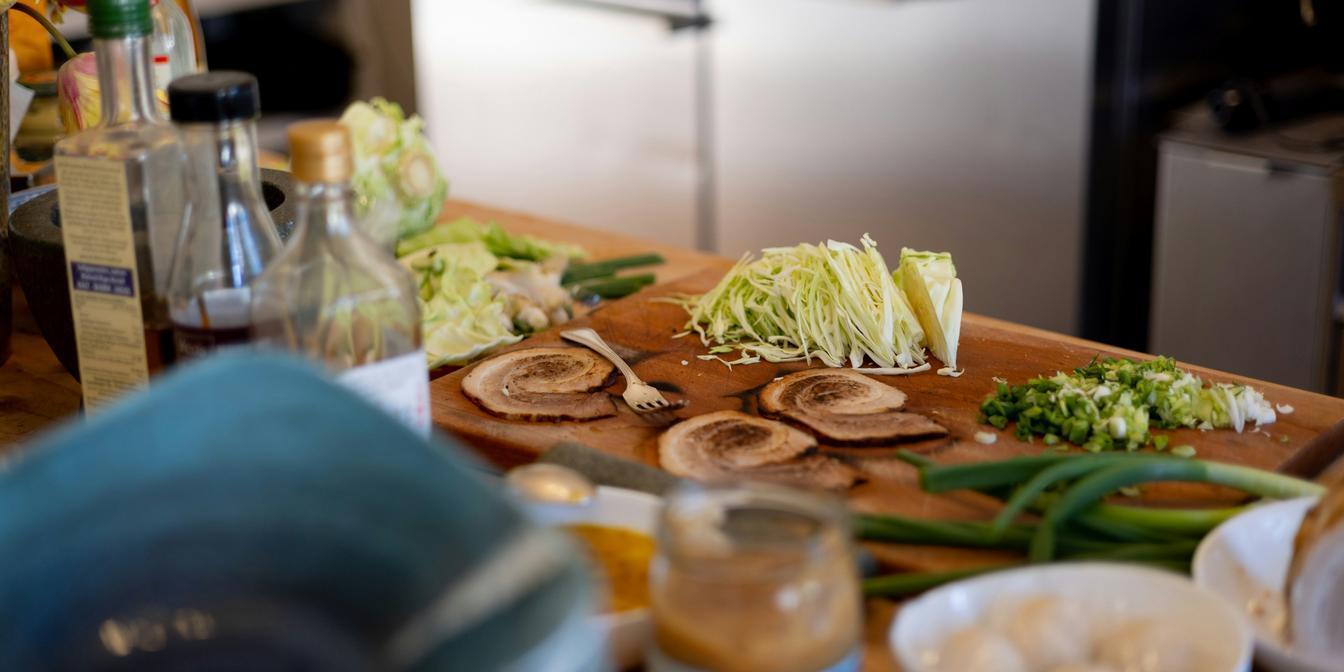
Convenience does not have to mean buying a separate prepared product for every meal. Canned chickpeas, beans and tomatoes, quick-cooking grains, frozen vegetables, ready-to-use pastes and pre-measured spice combinations can shorten preparation when they are connected to a meal plan.
Create two or three dependable quick-meal combinations. Couscous with chickpeas and a prepared dressing, lentil soup made from pre-measured dry ingredients, or rice served with a previously prepared stew are examples of flexible structures. The aim is to know what you can assemble when time is limited.
Batch components instead of complete menus
Preparing adaptable components can be easier than making many complete meals. A cooked sauce might be assigned to more than one dish, while chopped herbs, a dressing or a portioned soup base can simplify later cooking. Rice, stews and other prepared foods should be handled and stored according to the relevant ingredient and recipe guidance.
Label containers clearly with their contents. Keep a simple freezer or cupboard inventory so that prepared items are used before you make more. Batch cooking saves little time if existing portions are forgotten.
How to buy Ramadan groceries online in the UK

Shopping for Middle Eastern groceries online in the UK can make it easier to compare pack sizes and assemble Persian, Arabic and general Ramadan pantry essentials in one planned session. Begin with a written list and search by recipe need rather than browsing every category.
Review product names, descriptions, pack sizes and label images where available. If halal status, allergens or another product-specific requirement matters to your household, verify the information supplied for that individual item rather than assuming suitability from its category. Keep fresh top-ups separate from your main shelf-stable order.
Check the order when it arrives
Compare the delivered products with your list before putting them away. Confirm that you received the expected product and pack size, then follow the storage directions on each package. Place older matching items at the front of the cupboard so they are visible and can be used first.
Order with enough time to review your pantry and respond if an important item is missing, using the retailer’s current delivery information when planning. Near Ramadan, avoid leaving every essential for one final order. Rice, pulses, dates, oils and spices can be organised in advance, while fresh items can remain on the weekly list.
A final check before completing your shop
Read through the meal plan one more time and ask three questions about every product: which dish is it for, how much will the household use, and where will it be stored? Remove items without a clear answer. Then separate the remaining list into the main pantry shop, fresh top-ups and optional guest or dessert purchases.
The best Ramadan grocery list UK households can build is not necessarily the longest. It is one that reflects familiar meals, provides a few convenient alternatives and keeps the ingredients for suhoor and iftar easy to find throughout the month.
Frequently Asked Questions
What groceries should I buy before Ramadan in the UK?
Start with shelf-stable foods connected to your meal plan: dates, rice, grains, lentils, chickpeas, cooking oils, tomato paste, tahini, spices, tea and baking ingredients. Buy bread, dairy, eggs, herbs, fruit and vegetables through appropriately timed top-ups.
What are the most important pantry staples for iftar?
Useful staples include dates, rice or another planned grain, lentils, chickpeas, canned tomatoes, tomato paste, oil, tahini and the spices used in your regular dishes. Prioritise ingredients that work across soups, mains, sides and dips.
What should I keep at home for quick suhoor meals?
Keep several repeatable options such as oats, cereal, bread, nut butter, tahini, dried fruit, nuts and tea. Add shorter-life foods such as eggs, yoghurt, milk, fruit and vegetables according to your household’s routine.
How early should I order Ramadan groceries online?
Order shelf-stable essentials early enough to check pack sizes, organise storage and respond if an important item is missing. Use the retailer’s current dispatch and delivery information rather than relying on a fixed timetable, particularly during busy periods.
Are dried or canned chickpeas better for Ramadan cooking?
Neither is always better. Dried chickpeas suit planned cooking when you can allow for the required preparation, while canned chickpeas reduce preparation steps for quick meals. Check recipe quantities carefully because canned drained weight and dried weight are not equivalent.