Persian tea is more than a particular packet of black tea. It is also a method of brewing, a familiar part of daily life and a gesture of hospitality. For UK shoppers, however, the label can be confusing: one Persian tea may be grown in northern Iran, while another may contain Ceylon leaves selected or blended for Iranian tastes.
This guide explains those differences so that you can choose the right Persian tea for your teapot, routine and preferred flavour. It also covers loose leaves versus tea bags, aromatic variations such as cardamom and Earl Grey, and the traditional concentrate-and-dilute method used to serve tea at different strengths.
What Is Persian Tea?
Persian tea usually means black tea prepared and served according to Iranian customs. The Persian word chai simply means tea; it does not automatically refer to the milky, heavily spiced drink that British shoppers may associate with the word chai.
There is no single leaf variety that defines all Persian tea. Products sold under the name may contain tea cultivated in Iran, particularly in the northern province of Gilan, or imported black tea packaged and blended for Iranian consumers. Pure Ceylon tea is especially common among brands associated with Persian tea drinking.
The preparation is often as important as the leaf. Loose tea is brewed in a small teapot to create a strong infusion. A little of this concentrate is poured into each glass and diluted with hot water until it reaches the drinker’s preferred colour and strength. Tea bags can also be used, particularly when convenience matters, but loose leaves make it easier to prepare enough concentrate for several servings.
Persian tea is normally served without milk. It may be accompanied by sugar, dates, dried fruit, biscuits or small sweets, although habits vary between households, regions and occasions.
Why Tea Is Central to Iranian Hospitality
Tea is woven into everyday Iranian social life. It can appear at breakfast, during a break in the day, after a meal or when friends and relatives visit. Offering a guest tea is a simple way to welcome them, create time for conversation and make an informal visit feel cared for.
This does not mean every Iranian family follows an identical Persian tea ceremony. Some households keep a kettle or samovar ready for much of the day, while others make an ordinary pot when tea is wanted. Some prefer a dark, brisk glass; others dilute the infusion until it is lighter. Aromatic tea may be routine in one home and reserved for guests in another.
Serving can also be flexible. Clear glasses are traditional because they reveal the amber-to-red colour of the infusion, but mugs and cups are widely practical. Sugar may be stirred into the glass, eaten between sips or, in a familiar older custom, held briefly in the mouth while the tea is drunk. Dates and other sweet accompaniments offer another option.
The consistent idea is not a rigid ritual but generosity. The host provides tea, and the guest can usually adjust its strength and sweetness. That adaptability is one reason the concentrate-and-dilute method works so well when several people are drinking together.
Persian Tea at a Glance
| Usual tea base | Black tea, either Iranian-grown or imported from origins such as Sri Lanka |
|---|---|
| Typical flavour | Full, brisk and aromatic, with the exact character depending on origin, blend and brewing time |
| Common format | Loose leaf for a shared pot; tea bags for convenience |
| Traditional method | Brew a strong concentrate in a teapot, then dilute each serving with hot water |
| Serving vessel | Small clear tea glasses, often set on saucers |
| Milk | Usually omitted |
| Common flavourings | Cardamom, bergamot or saffron, depending on the tea and occasion |
| Accompaniments | Sugar, dates, dried fruit, biscuits or sweets |
Iranian-Grown Tea Versus Iranian-Style Tea
The most important distinction when buying Persian tea in the UK is the difference between origin and style. A Persian name, Iranian brand identity or traditional package design does not necessarily mean that the leaves were cultivated in Iran.
Iranian-grown tea should be identified on the product information by its origin. Labels may mention Iran, Gilan, Lahijan or Fumanat. This is the appropriate category for shoppers specifically seeking tea connected to Iran’s own tea-growing regions.
Iranian-style tea is a broader commercial description. It may be Ceylon black tea or a blend from another origin, selected, flavoured or packaged for a market familiar with Persian tea preparation. It can still produce an excellent traditional-style pot; it is simply not the same claim as Iranian-grown tea.
Neither category is automatically better. Origin matters if you want to explore Iranian agriculture and regional tea character. A familiar Ceylon product may be preferable if you want a strong everyday infusion, consistent preparation or convenient tea bags. Read the origin statement rather than judging by the front of the pack alone.
Iranian-Grown Tea from Lahijan and Northern Iran

Iranian tea cultivation is associated with the green, humid landscapes of Gilan in northern Iran, including areas around Lahijan and Fumanat. Lahijan is particularly prominent in conversations about Iranian tea and is a useful name to look for when comparing products.
The character of Iranian-grown black tea varies by harvest, leaf grade, processing and producer. Depending on the tea and preparation, a cup may be brisk, rounded, gently earthy or noticeably aromatic. It is better to treat these as possible characteristics rather than promises that apply to every pack.
Shoppers who want a clearly identified regional option can compare Gol Kis spring black tea from Lahijan and Fumanat. Its product description identifies it as an Iranian spring-harvest black tea, making the origin more explicit than a general Persian-style label.
Loose Iranian-grown tea is a good candidate for teapot brewing because you can adjust the quantity, infusion time and dilution. Begin with a moderate amount, taste the concentrate after it has infused and change one variable at a time on the next pot. Brewing too much leaf for too long can hide the individual character you bought it to experience.
Pure Ceylon Tea in Persian Households
Ceylon is the established tea name associated with Sri Lanka, and pure Ceylon black tea is frequently encountered in products aimed at Iranian tea drinkers. Its presence does not make a product inauthentic as a Persian-style drink. Iranian tea culture is defined partly by how tea is selected, brewed and served, not exclusively by where every leaf was grown.
Many Ceylon black teas suit the concentrate method because they can provide a pronounced colour and full flavour that remains noticeable after dilution. The final result still depends on leaf size, quantity, water, brewing time and the proportion of concentrate used in each glass.
If speed and portion control matter more than a shared loose-leaf pot, Shamshiri Pure Ceylon Persian tea bags provide an everyday alternative. Tea bags are also useful in offices, while travelling or when only one person wants a cup.
How to Choose the Best Persian Tea for You
The best Iranian tea is not necessarily the strongest, darkest or most expensive-looking option. The useful question is which tea best suits your desired flavour, brewing equipment and occasion.
| Tea style | Typical character | Common format | Best fit |
|---|---|---|---|
| Iranian-grown black tea | Varies by region, harvest and producer; chosen primarily for explicit Iranian origin | Loose leaf | Drinkers interested in Lahijan, Gilan or Fumanat tea |
| Pure Ceylon black tea | Full, brisk and suitable for dilution | Loose leaf or tea bags | A familiar everyday Persian-style cup |
| Cardamom black tea | Warm and aromatic | Ready-blended loose leaf, tea bags or plain tea with pods added at home | Drinkers who want a noticeable spice aroma |
| Earl Grey | Black tea with a distinctive bergamot aroma | Loose leaf or tea bags | Those who prefer a citrus-scented cup |
| Saffron black tea | Fragrant, with a character determined by the labelled blend or separately added saffron | Prepared blend or home-flavoured pot | Guests, celebrations or an occasional aromatic serving |
Before you buy Persian tea in the UK, check four details: the stated origin, whether the tea is flavoured, the format and the pack size. A name such as “Iranian tea” may refer to cultural style or branding rather than agricultural origin. Terms such as “pure Ceylon”, “with cardamom” or “Earl Grey” tell you more about what kind of cup to expect.
Best for a Traditional Loose-Leaf Pot: Iranian-Grown Black Tea
Choose a product explicitly labelled as Iranian-grown if origin is your main priority. References to Lahijan, Gilan or Fumanat help distinguish regional Iranian tea from imported tea sold for Persian-style preparation.
Loose leaves give you the most control over a shared pot. They allow you to make a concentrated infusion and then customise each glass. They also make it easy to test small adjustments: slightly less leaf for a softer result, a longer infusion for more intensity or more hot water when serving.
Avoid assuming that Iranian-grown tea must produce one fixed colour or flavour. Natural variation between products and harvests is part of the reason to experiment with it. Follow any instructions supplied on the pack, but use the first pot as a starting point rather than an unchangeable formula.
Best for a Familiar Everyday Cup: Pure Ceylon Black Tea
Pure Ceylon black tea is a practical choice if you want the strong, clear flavour many people associate with everyday Persian tea. It is available in both loose-leaf and bagged formats, so the decision can be based on how you drink tea rather than on cultural symbolism.
Choose loose leaf if you often serve several people or want to use a stacked teapot, kettle or samovar arrangement. Choose tea bags if you normally make one cup, need quick cleanup or drink tea away from home. Check the recommended brewing instructions because one brand’s bag or leaf grade may infuse faster than another.
Best for a Fragrant Cup: Cardamom Tea
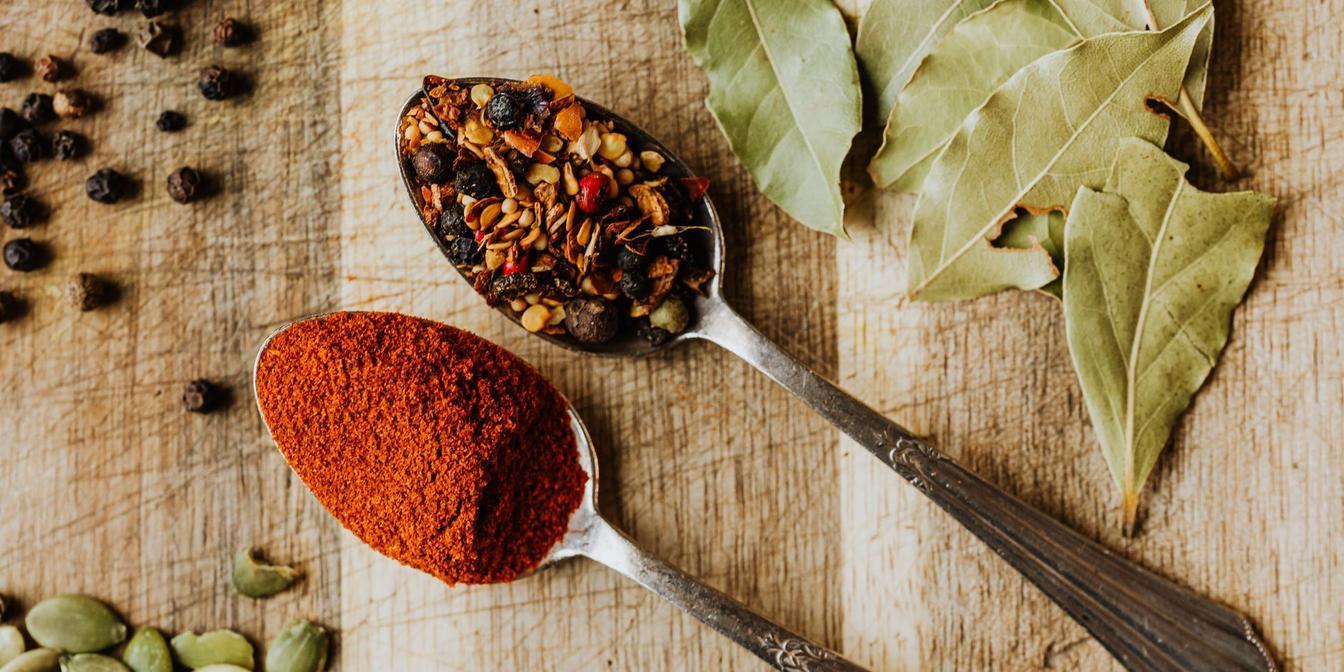
Cardamom adds a warm, immediately recognisable aroma to black tea. A ready-blended product offers convenience and a repeatable balance, while adding pods at home gives you more control over the spice level.
For a loose-leaf option, Do Ghazal Ceylon black tea with cardamom combines a Ceylon tea base with cardamom aroma. It can be prepared in a teapot using the same general concentrate-and-dilute approach as plain black tea.
If flavouring tea yourself, lightly crush a cardamom pod so that its aroma can infuse, then add it to the pot with the leaves. Start cautiously: adding several pods can make the spice dominate the tea. Home flavouring also lets you prepare plain concentrate first and cardamom tea separately when guests have different preferences.
Best for Citrus Aroma: Earl Grey Tea
Earl Grey is black tea scented or flavoured with bergamot. It appears in many tea cultures and is a popular aromatic option for Persian tea drinkers, but it should not be treated as the definition of Persian tea.
The combination works particularly well for people who want an aroma that is brighter and more citrus-led than cardamom. It can be brewed in a conventional pot or used to make a concentrate, although an overly long infusion may overwhelm its balance.
One loose-leaf example is Shamshiri Earl Grey tea, described as an Iranian black tea blend with bergamot flavour. When comparing Earl Grey products, look for an explicit bergamot reference rather than relying on package colour or branding.
Best for Special Occasions: Saffron Black Tea
Saffron black tea can bring a distinctive fragrance to a guest table or celebration. It may be sold as a prepared blend, or plain black tea can be served with saffron added separately. These are not necessarily equivalent: a labelled blend has been formulated as a combined product, while home preparation depends on the saffron, quantity and infusion method you choose.
Check the label carefully if you are buying a blend, especially if saffron is the reason for selecting it. Do not assume that a gold-coloured pack, Persian imagery or the word “special” confirms what the tea contains.
If you plan to flavour tea yourself, prepare the saffron separately before combining it with the brewed tea so that you can control the result. Saffron has a distinctive aroma, so a restrained approach prevents it from obscuring the black tea. For help comparing forms and storing it, consult this practical guide to choosing Persian saffron in the UK.
How to Brew Persian Tea
The traditional approach uses two vessels: a kettle or samovar for hot water and a smaller teapot for the strong infusion. The teapot can sit above the kettle so that gentle heat helps keep it warm while the leaves steep.
- Heat fresh water. Bring enough water for both the concentrate and the final servings.
- Warm the teapot. Rinse it with hot water, then discard that water. This reduces the sudden temperature drop when brewing.
- Add the tea. Use the pack instructions as your starting point. Loose-leaf products differ, so avoid treating one fixed spoon measurement as universal.
- Add hot water to the teapot. You need enough to cover and infuse the leaves while producing a concentrated brew.
- Allow the tea to infuse. Keep the pot warm without aggressively boiling the leaves. Taste rather than judging only by time.
- Pour a little concentrate into each glass. A small amount produces a light glass; a larger amount creates a stronger one.
- Top up with hot water. Dilute each serving to the desired colour and strength.
The key advantage is personalisation. You do not have to make an entire pot weak or strong for everyone. For more detailed equipment and preparation guidance, follow the traditional method for making Persian tea at home.
How to Serve Persian Tea
Serve the tea hot in clear glasses if you want a recognisably Persian presentation. Narrow-waisted glasses are often chosen because they show the colour attractively and are comfortable to hold by the rim, but any small heat-suitable tea glass or cup can be practical.
A tray makes it easier to carry several servings along with saucers, teaspoons and a sugar bowl. For a coordinated presentation, an Iranian Shah Abbasi tea set with glasses, saucers, tray and sugar bowl brings these serving pieces together. The decorative style is optional; the important part is providing tea in a way that lets each guest enjoy it comfortably.
Offer sweetness separately rather than assuming everyone wants the same amount. Sugar cubes, dates, dried fruit, biscuits and small sweets can all work. If tea is being served after a rich meal, a simple accompaniment may be preferable to a crowded tray.
For a longer visit, keep the hot water and concentrate warm so that you can offer another glass without brewing from the beginning. Check the concentrate before refilling: tea left on the leaves for a long time may become harsher, in which case a fresh pot will taste better.
Buying Persian Tea in the UK
When shopping online, begin with the product title and description rather than the visual design. Establish whether the pack contains Iranian-grown tea, pure Ceylon tea, an aromatic blend or herbal tea. Mint and other herbal infusions can be enjoyed in Iranian households, but they are not interchangeable with Persian black tea.
Then check whether the format suits your equipment. A large loose-leaf pack makes sense for frequent shared-pot brewing but may be inconvenient for an occasional drinker. Tea bags are straightforward, yet they provide less control over the quantity of leaf used in a concentrated pot.
Also verify the pack size, storage instructions and any allergen or ingredient information shown by the retailer or manufacturer. If tea is part of a larger pantry order, a guide to Persian grocery delivery in the UK can help you plan what to check before completing an online basket.
Common Persian Tea Mistakes
Assuming Every Persian Brand Uses Iranian Leaves
Brand identity and agricultural origin are separate. Look for a clear origin statement if Iranian-grown tea is important to you.
Boiling the Leaves Aggressively
The leaves should infuse in hot water and stay warm; continuously boiling them can produce an unnecessarily harsh concentrate.
Making the Whole Kettle One Strength
The traditional method keeps hot water separate from the tea concentrate. Combining everything at once removes the ability to customise each glass.
Using Too Much Aromatic Flavouring
Cardamom, bergamot and saffron can all dominate a pot. Start with a restrained flavour level, especially when adding spices yourself.
Judging Tea Only by Darkness
A darker glass is not automatically a better one. Aroma, balance and how the tea tastes after dilution are more useful measures.
Buying a Large Pack Before Testing the Style
If you are new to Iranian tea, first decide whether you enjoy plain, cardamom-scented or bergamot-scented black tea. Format matters too: a smaller bagged option may be a sensible introduction before committing to a regular loose-leaf routine.
Finding Your Everyday Persian Tea
For the closest connection to Iranian origin, look for black tea explicitly grown in Lahijan, Gilan, Fumanat or another named Iranian region. For a familiar everyday glass prepared in a Persian style, pure Ceylon black tea is a practical choice. Cardamom provides warm spice, Earl Grey adds bergamot aroma, and saffron tea can create a more distinctive occasional serving.
Whichever style you choose, concentrate on the elements that make Persian tea so adaptable: a well-brewed black tea, hot water kept separately, clear serving glasses and the freedom to adjust every cup. The “best” Persian tea is ultimately the one you can brew confidently, offer generously and enjoy often.
Frequently Asked Questions
What is the difference between Persian tea and ordinary black tea?
Persian tea may use ordinary black tea leaves, but the term also describes an Iranian brewing and serving tradition. A strong teapot infusion is commonly diluted with hot water in each glass and served without milk.
Is Persian tea grown in Iran?
Some is, particularly tea identified with northern regions such as Gilan, Lahijan and Fumanat. Other Persian-style products use imported leaves, including pure Ceylon black tea, so check the stated origin.
What type of tea do Iranians usually drink?
Black tea is the central everyday style, with Iranian-grown and Ceylon teas both encountered. Plain tea is common, while cardamom, bergamot and saffron provide aromatic variations.
Which Persian tea is best for beginners?
A plain pure Ceylon black tea is an approachable starting point if you want a familiar, full-flavoured cup. Choose tea bags for convenience or loose leaves if you want to try the traditional concentrate method.
Is loose-leaf tea better than tea bags for Persian tea?
Loose leaf offers more control and is well suited to making concentrate for several people. Tea bags are more convenient for individual cups, so the better choice depends on your brewing routine.