Ordering Persian groceries online can make it much easier to cook Iranian meals, prepare a traditional tea table or restock ingredients that are difficult to find in a general supermarket. Instead of travelling between shops, London customers can browse specialist pantry staples, bread, drinks, snacks, preserves and other groceries from home. The key is to plan the basket carefully and confirm the delivery terms for the exact address before paying.
Persian Grocery Delivery in London: The Quick Answer
Specialist online grocery stores allow London shoppers to order a wide range of Iranian and Persian foods for home delivery. Depending on the retailer’s current range, this may include rice, dried herbs, pulses, tea, spices, barberries, dried limes, pickles, sweets, snacks, drinks, bread and refrigerated or frozen products.
However, a reference to London delivery does not necessarily mean that every postcode has the same service, charge or estimated arrival time. Central, North, South, East and West London addresses may be covered under different courier arrangements. The reliable way to check is to enter the complete delivery postcode at checkout and review the available service, delivery charge and estimated timeframe shown for that address.
Before placing an order, also check whether any products have special storage requirements or delivery restrictions. Chilled, frozen, fresh, fragile and bulky groceries may be handled differently from shelf-stable pantry items. Confirm the details displayed on the relevant product pages and in the live delivery information rather than assuming every item can be sent in the same way.
How to Order Iranian Food Online in London

A successful online order begins before anything is added to the basket. Planning around meals, checking unfamiliar product names and comparing formats will help you avoid buying several specialist ingredients without having the basics needed to use them.
1. Decide What You Want to Cook or Serve
Start by choosing one or two meals, a breakfast spread, a tea service or a particular occasion. Shopping around a clear purpose creates a more coherent basket and makes it easier to identify missing ingredients.
For example, a rice-based meal may require suitable rice, oil or another cooking fat, seasoning and ingredients for the accompanying dish. A Persian stew could involve dried herbs, pulses, dried limes, a prepared herb mixture or a preserved ingredient, depending on the recipe. A tea table might call for Persian tea, sugar, sweets, nuts or savoury snacks. Breakfast shopping could include bread, cheese, preserves, tea and other items normally served together.
Write a short list under three headings:
- Essential ingredients: products without which the chosen dish cannot be made as intended.
- Useful accompaniments: bread, pickles, herbs, drinks or condiments that complete the meal.
- Optional extras: snacks, sweets or cupboard items that can wait if the basket becomes too large.
This method is particularly helpful for a first order. It prevents an interesting but impractical collection of unrelated products and keeps attention on ingredients that will actually be used.
2. Search Using English and Persian Ingredient Names
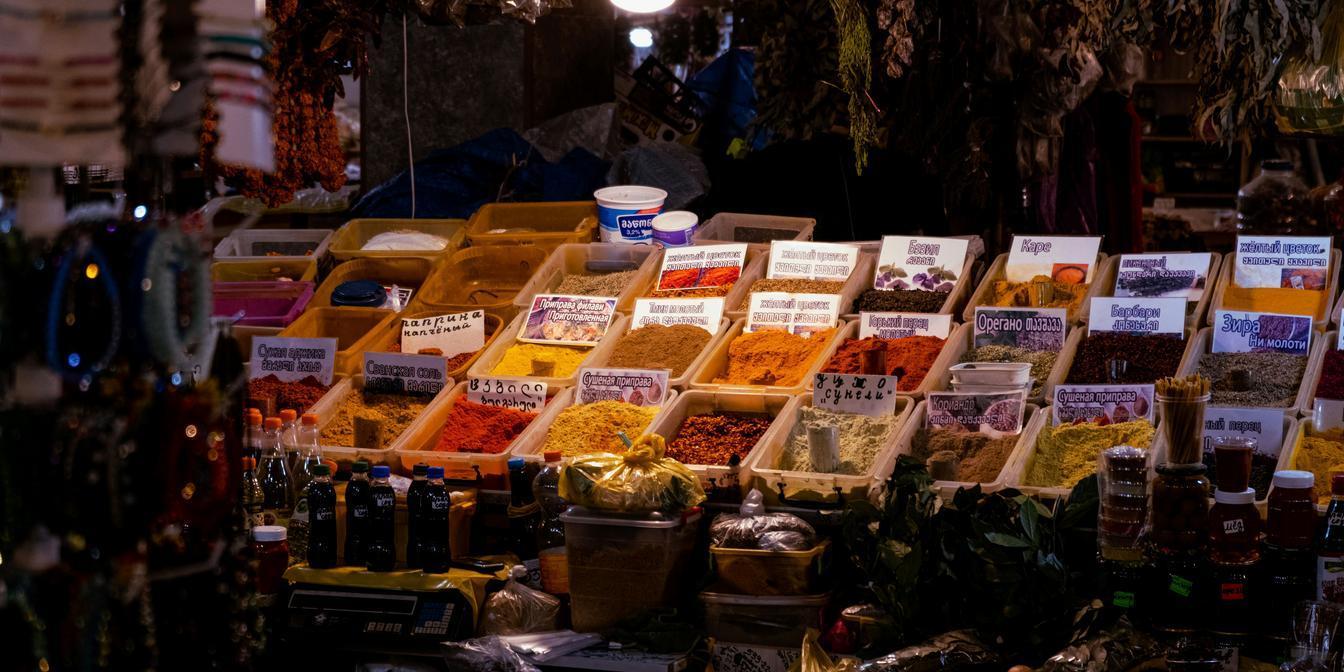
Iranian ingredients may appear under an English name, a Persian name written in the Latin alphabet, or a brand-specific description. Transliteration is not completely standard, so the same word can be spelled in several ways.
Barberries may be listed as zereshk, while dried limes may appear as limoo amani, limu omani, black lime or dried Persian lime. Herb mixtures may be described by the dish for which they are intended, such as a herb mix for stew or rice, rather than by a simple list of herbs.
If the first search produces no results, try:
- the common English ingredient name;
- the Persian name in Latin characters;
- an alternate spelling without punctuation or accents;
- a broader category such as dried herbs, rice, preserves or spices;
- the name of the dish in which the ingredient is normally used.
Search results should still be checked carefully. A matching word does not guarantee that the product is the right format, quantity or preparation for your recipe.
3. Compare the Product Format and Pack Size
Two products with similar names may work very differently in the kitchen. Before adding an item, establish whether it is whole, ground, dried, frozen, preserved, concentrated, prepared or ready to eat.
Whole dried limes, for instance, are not the same format as ground lime powder. Dried herb mixtures differ from frozen herbs, and a concentrated fruit product may not be interchangeable with a ready-to-drink beverage. Pickled vegetables, cooking pastes and prepared sauces also have different uses even when they contain related ingredients.
Read the product title and description, then check the net weight, number of units and preparation instructions shown. A photograph can help with identification, but it should not be the only source of information. Packaging designs can change, and an image may not make the quantity or product format obvious.
Pack size matters when buying specialist ingredients. Consider how much the recipe uses, whether you expect to repeat it and how the remainder will be stored. A larger pack is not automatically the better choice if most of it will remain unused.
4. Add Products to Your Basket and Review the Order
A typical online shop allows you to move from a category or search-results page to an individual product page, select the required quantity and add the item to your basket. Some products may have selectable sizes or variations, so verify the chosen option before continuing.
Review the complete basket before proceeding to checkout. Check:
- that each product is the intended format and pack size;
- that quantities are correct and no item has been added twice;
- that you have the essential ingredients for each planned meal;
- whether anything requires chilled, frozen or other specific storage;
- whether the product information highlights allergens relevant to your household;
- whether substitutions will be needed for anything not found;
- the subtotal before delivery charges are applied.
It is useful to compare the basket with the original meal plan rather than relying on memory. This final check often reveals that a basic ingredient or accompaniment has been overlooked.
5. Enter Your London Postcode and Complete Checkout
Enter the full delivery address accurately, including the postcode and any flat, building, floor, entrance or access information requested. A London district or borough name alone is not enough to establish the available service.
The live checkout should be treated as the main confirmation of delivery eligibility and cost for the address. Review the available delivery method, charge and order total before paying. If the retailer supports more than one payment option, the methods currently available will normally be displayed during checkout.
Check your email address and telephone number before submitting the order. These details may be used for confirmation messages, courier updates or questions about the delivery. If there is a notes field, use it for concise access information rather than requests that conflict with the published delivery service.
6. Track and Check Your Delivery

Keep the order confirmation until every item has arrived and been checked. It provides a record of the products ordered, quantities, delivery address and amount paid. If tracking or courier notifications are provided, monitor them so that someone can receive or retrieve the parcel promptly.
When the delivery arrives, compare the contents with the confirmation. Inspect jars, bottles and fragile packaging, and identify chilled, frozen or fresh products immediately. Follow the storage directions on each label rather than leaving the entire order unopened until later.
If something appears to be missing, incorrect or damaged, make a clear note of the issue and follow the retailer’s published contact process. Retaining the packaging and taking photographs may make it easier to explain the problem.
How Persian Grocery Delivery Works in London
Persian grocery delivery in London generally combines an online product catalogue with address-based delivery options. Shoppers browse or search for groceries, add them to a basket and enter their postcode at checkout. The site can then show the service and charge currently available for that address.
Delivery terms can change as courier arrangements, postcode coverage and promotions are updated. For that reason, avoid relying on an old social media post, search-result snippet or previous order. Review the live delivery policy and checkout information each time, especially when ordering chilled, frozen, fresh, fragile or time-sensitive products.
Do not assume that collection is available simply because a retailer has a physical location, or that an online business offers a public shop counter. Use collection only when it is explicitly presented as a current option on the website or during checkout. The same principle applies to minimum-order rules: review the basket and checkout messages for the current position rather than relying on an unverified threshold.
Check Coverage for Your Exact Postcode
“London delivery” is a broad description, not an address-level guarantee. Postcodes that appear geographically close can be assigned to different courier zones, and some services may exclude particular products or addresses.
Enter the complete postcode early enough to identify any restrictions before spending a long time building the basket. If the shop does not calculate delivery until checkout, add a representative item and progress far enough to view the available methods without completing payment.
This postcode check is equally important in Central, North, South, East and West London. Do not assume that a friend’s delivery charge or timeframe will apply to your home simply because both addresses are within Greater London.
Understand Delivery Times and Working Days
An estimate stated in working days is different from the same number of calendar days. Weekends and bank holidays may not count as working days, and an order placed late in the day may begin processing on the next working day under the retailer’s published terms.
Delivery estimates should also be treated as estimates unless the service explicitly guarantees a date. Courier delays, address queries and unsuccessful delivery attempts can affect the actual arrival. If the groceries are needed for a dinner, celebration or other fixed event, order with a sensible buffer instead of selecting the latest theoretically possible date.
Check whether the estimated timeframe refers to dispatch, transit or arrival. These are not always the same. Retain the dispatch notification and use any tracking information provided to monitor progress.
Review Delivery Charges and Promotions Before Paying
The useful comparison is the complete checkout total, not merely the price of individual products. Review the grocery subtotal, postcode-based delivery charge and any other clearly displayed amount before confirming payment.
A free-delivery promotion may have conditions, such as a basket threshold, eligible postcode or limited period. Because promotions can change, verify the current wording in the basket or checkout rather than planning around a figure remembered from an earlier visit.
A promotion should not encourage unnecessary purchases. If the extra products needed to qualify cost more than the delivery charge and are unlikely to be used, paying for delivery may produce the more practical basket.
What to Include in a First Persian Grocery Order
A first order does not need to recreate an entire Persian supermarket at home. Begin with versatile ingredients connected to dishes you already intend to prepare, then expand the pantry as you learn which products you use regularly.
Rice and Rice-Dish Ingredients
Rice is central to many Iranian meals, but the correct choice depends on the dish and cooking method. Read the product description and pack information rather than selecting solely by appearance. If you are following a recipe, check whether it calls for a particular type or preparation.
Depending on the meals planned, useful additions might include barberries for a zereshk-based rice dish, a suitable spice or seasoning, pulses, dried fruit, nuts or a prepared herb mixture. Buy these as part of a recipe plan rather than assuming they are interchangeable across every rice dish.
Dried Herbs, Dried Limes and Pantry Flavourings
Dried herbs and limoo amani are convenient pantry ingredients for a range of Iranian recipes. Check whether a herb product is a single ingredient or a mixture intended for a named dish. A stew blend, rice blend and herb blend for another preparation may contain different combinations.
Dried limes may be offered whole, crushed or ground. Follow the recipe when choosing between them because their preparation and use can differ. The product page or packaging should indicate the format supplied.
Tea, Sweets and Snacks
Persian tea, sweets and Iranian snacks can form a simple order for entertaining or everyday refreshment. When comparing tea, note whether the listing describes loose leaves, bags, a flavoured blend or another format. For sweets and snacks, check the unit count or net weight and review the label information relevant to your household.
Lavashak may appear in searches for Iranian fruit snacks, but products can vary in format and flavour. Read the individual listing rather than treating every result as identical.
Bread, Pickles and Refrigerated Products
Bread can be useful for breakfast, light meals and serving alongside other foods, while torshi and Persian pickles can complete a planned meal. These products should be selected according to how and when they will be used.
Pay particular attention to the delivery and storage information for bread, chilled groceries, frozen items and any product with handling instructions. If an item has restrictions for your postcode, the relevant product page or checkout should make the current position clear.
How to Store Your Persian Groceries After Delivery
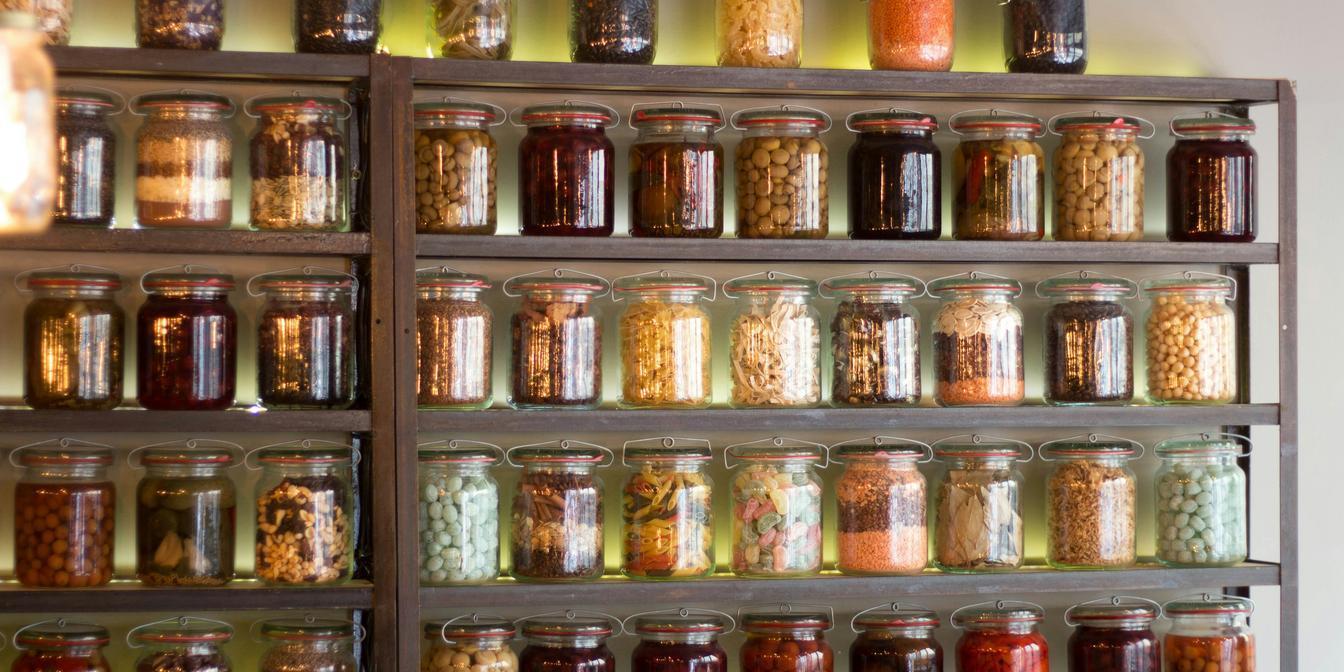
Sort the order as soon as it arrives. Separate products that require immediate refrigeration or freezing from shelf-stable groceries, then follow the instructions printed on each package. Do not assume that two similar products have the same storage requirements.
For cupboard organisation, group items by use. Rice and pulses can form one section, dried herbs and spices another, and tea, sweets and snacks a third. Keep recipe-specific mixtures clearly labelled so they are not confused with single herbs or seasonings.
Retain original labels where possible because they contain the product name, quantity, storage directions and other useful information. If a packet is transferred to a container, label the container clearly and preserve any details you may need later.
Before making the next order, check what remains in the cupboard, refrigerator and freezer. This prevents duplicate purchases and helps you choose pack sizes based on real usage rather than guesswork.
How to Build a Practical Basket Without Overspending
Specialist grocery sites make it easy to discover unfamiliar products, but a useful order should still be based on realistic cooking plans. A simple basket-building method is to choose two main meals, one breakfast or snack option and a small number of long-lasting pantry items.
For each meal, identify the ingredient that is hardest to obtain locally. Add that first, followed by the other specialist items required. Everyday ingredients already available at home do not need to be bought again merely to make the online basket feel complete.
Then review each optional item using three questions:
- Do I know how I will use it?
- Is the pack size appropriate for that use?
- Can I store it according to the label?
If the answer to one of these questions is no, leave the product for a later order. This is often more effective than filling the basket to reach a promotion that may not represent genuine value for your household.
Common Mistakes When Ordering Iranian Food Online
Assuming Similar Names Mean Identical Products
Translations and transliterations can make different formats look similar. Always verify whether the item is whole, ground, dried, prepared, preserved or ready to eat.
Checking Delivery Only After Building a Large Basket
Postcode eligibility and charges can influence the order. Check the delivery position early, especially if you are shopping for a deadline or need products with particular handling requirements.
Buying Ingredients Without a Meal Plan
A collection of herbs, pickles and snacks may be enjoyable, but it will not necessarily provide the components of a complete meal. Start with dishes or serving occasions, then add the products that support them.
Ignoring Quantities and Unit Counts
Product photographs do not reliably communicate size. Check net weight, volume or number of units so that you know how much is being ordered.
Leaving an Event Order Until the Last Moment
Working-day estimates, weekends, bank holidays and courier delays can affect arrival. Build in extra time and avoid depending on an estimated delivery at the last possible moment.
Forgetting to Inspect the Parcel
Open and check the order promptly. Confirm quantities, inspect fragile packaging and store temperature-sensitive products according to their labels.
A Final Checklist for Persian Grocery Delivery in London
Before paying, confirm that you have:
- planned the order around specific meals or occasions;
- searched alternate English and Persian ingredient names where necessary;
- checked each product’s format, quantity and preparation requirements;
- reviewed relevant label and allergen information;
- entered the complete London address and postcode;
- confirmed the live delivery method, charge and estimated timeframe;
- allowed extra time if the order is needed for an event;
- provided accurate contact and access details;
- planned suitable storage for the products on arrival.
Persian grocery delivery in London is most useful when convenience is combined with careful planning. By starting with a meal list, checking alternative product names, comparing formats and confirming postcode-specific delivery details at checkout, you can build an Iranian grocery order that is practical, easy to store and ready to support the dishes you want to make.
Frequently Asked Questions
Can I get Persian grocery delivery anywhere in London?
Coverage may vary by postcode, courier and product type. Enter your complete address at checkout to confirm whether delivery is available and what it will cost.
How long does Iranian grocery delivery to London take?
Use the current estimate shown in the delivery policy or at checkout. Remember that working days usually exclude weekends and bank holidays, and allow extra time for event orders.
How much does Persian grocery delivery in London cost?
Charges may depend on the postcode, basket and available delivery service. Review the complete checkout total and the terms of any live promotion before paying.
Is there a minimum order for Iranian groceries online?
Minimum-order conditions can change. Check the current basket and checkout messages rather than relying on an amount quoted by an older page or previous order.
What Persian ingredients should I include in my first order?
Start with ingredients for one or two planned meals. Useful options may include suitable rice, dried herbs, zereshk, limoo amani, tea, pickles, bread or snacks, depending on what you intend to cook or serve.