Persian cooking for beginners becomes much easier when you stop thinking in terms of a long list of unfamiliar ingredients. A useful starter pantry is surprisingly compact: good long-grain rice, a few aromatic seasonings, one or two sour ingredients, dried herbs and the pulses required by the dishes you want to cook. Ordinary onions, cooking oil, salt and fresh produce do much of the remaining work.
The best approach is to build your cupboard around recipes rather than trying to recreate an entire Persian grocery shop at home. Start with ingredients that appear across several meals, learn what each one contributes, and add specialised items only when a particular dish calls for them. This guide prioritises the Persian pantry staples that offer beginners the greatest versatility.
Persian cooking for beginners: the quick-start pantry
If you want an immediate Persian food shopping list, begin with the following ingredients, roughly in this order:
- Versatile long-grain rice: basmati is accessible and practical, while aromatic Iranian rice is worth exploring as your technique develops.
- Turmeric and black pepper: everyday seasonings for onions, stews, soups and marinades.
- Saffron threads: used sparingly to add aroma, colour and flavour to rice, marinades, drinks and desserts.
- Whole dried limes: a distinctive souring ingredient for selected stews and soups.
- Dried mint or one useful herb mixture: choose dried mint for broad versatility or a dish-specific blend for a recipe you plan to make.
- Lentils, yellow split peas or beans: buy the pulse required by your first two or three dishes.
- Dried barberries: useful when you are ready to make barberry rice and other sweet-sour dishes.
- One additional souring ingredient: choose sumac, pomegranate molasses or sour grape juice according to the recipes that interest you.
You do not need rose water, cardamom, several herb blends, multiple rice varieties and every possible sour condiment on day one. Readers who want a broader reference can consult this complete overview of Persian cooking ingredients, but a smaller recipe-led selection is the better starting point.
What makes Persian cooking taste distinctive?
Persian food is often aromatic rather than aggressively chilli-hot. Its character comes from layered onions, warm spices used with restraint, generous herbs, fragrant rice and carefully controlled sourness. Fruit, nuts and floral ingredients may appear in savoury or sweet dishes, but they are used to create contrast rather than make every meal taste sweet.
Balance is central. A stew might combine slow-cooked onions, herbs and dried lime; a rice dish might contrast saffron-scented grains with tart barberries; grilled meat may be served with sumac, tomatoes, fresh herbs and yoghurt. No single ingredient defines the cuisine. The distinctive result comes from the relationship between aroma, acidity, texture and the components served together.
Aromatic foundations
Onions are one of the most important foundations. Depending on the dish, they may be softened, deeply browned or cooked with meat and pulses. Turmeric is often added to the onions to provide earthy warmth and golden colour, while black pepper contributes gentle heat.
Saffron has a different role. It is not simply a stronger or more luxurious form of turmeric, and the two should not be treated as substitutes. Turmeric usually builds the background of a dish; saffron is prepared separately and used where its aroma can remain noticeable. You also do not need a large spice rack to begin. For a clearer explanation of how individual seasonings differ, use this guide to essential Persian spices as a reference.
Herbs, fruit and sour flavours
Fresh and dried herbs are used generously in Persian cooking. Parsley, coriander, dill, mint, chives and fenugreek may appear in soups, rice dishes, omelettes, yoghurt accompaniments and herb-heavy stews. Dried herbs are convenient, but they are not automatically interchangeable with fresh herbs: drying changes their concentration, texture and aroma.
Sour ingredients are equally varied. Limoo amani, or dried Persian limes, bring a fermented, concentrated citrus character. Barberries, known as zereshk, provide small bursts of tartness. Pomegranate molasses is deeper and fruitier, while ab ghooreh, or sour grape juice, offers a sharper grape acidity. Sumac is a dry, tangy seasoning usually sprinkled or incorporated differently from liquid souring agents. Choose according to the dish rather than treating all of them as generic sources of acidity.
Rice, stews and accompaniments
Rice is a central component rather than an afterthought. Plain steamed chelo may accompany kebabs or khoresh-style stews, while polo combines rice with ingredients such as lentils, herbs, beans, meat, fruit or vegetables. The crust formed at the bottom of the pot, tahdig, adds another important texture.
A Persian table can also include soups, grilled foods, yoghurt dishes, pickles, salads, bread and plates of fresh herbs. These accompaniments contribute temperature, freshness, acidity and crunch. Beginners often focus on reproducing one main dish, but even a simple combination of rice, stew, yoghurt and fresh herbs can make the meal feel more complete.
The essential staples to buy first
The following ingredients form a practical set of Iranian pantry essentials. Each section explains what the ingredient does, where it is commonly useful, what to consider when buying it and whether it deserves space in your first shop.
1. Long-grain rice

Rice should be your first major purchase because it allows you to practise the techniques at the heart of many Persian meals: rinsing, soaking, parboiling, steaming, making layered polo and developing tahdig. Separate, elongated grains are usually the aim, although the precise texture depends on the rice variety and cooking method.
Basmati is a sensible starting point. It is widely understood, works for everyday pilaf-style cooking and lets you develop your technique before comparing more distinctive varieties. A smaller pack such as Persia Basmati Rice 900g can suit a new cook who wants a manageable everyday option.
Iranian varieties such as Hashemi and Tarom are valued for their individual aroma and cooked character. They may require some adjustment if you have only cooked standard supermarket rice, so follow the soaking and cooking method appropriate to the grain. Golestan Premium Tarom Rice in a 1kg pack is one example for cooks ready to explore a traditional Tarom variety without beginning with a large bag.
When shopping, consider the dish, desired texture, cooking method and how often you make rice. Avoid buying a very large pack simply because rice is essential; it is better to learn with a manageable quantity and decide what you like. The practical guide to rice for tahdig, chelo and everyday cooking explains how basmati, sella and Iranian varieties behave in different dishes. For a closer look at Hashemi, Tarom and other regional options, see the comparison of Iranian rice varieties.
Store rice sealed in a cool, dry cupboard. It is immediately essential if you want to cook complete Persian-style meals, but you need only one variety at first.
2. Turmeric and black pepper
Turmeric and black pepper are economical everyday seasonings. Turmeric gives onions, pulses, soups, stews and some marinades an earthy background and warm colour. Black pepper contributes gentle pungency without turning the food into a chilli-hot dish.
Buy modest quantities from a shop with regular turnover. Ground spices gradually lose aroma after opening, so a compact container is more useful to a beginner than a large bag that remains in the cupboard for years. Keep both tightly closed, dry and away from heat and direct light.
A common beginner mistake is adding turmeric until the dish becomes strongly bitter or dusty. Start with the recipe quantity and allow it to cook briefly with the onions or other base ingredients. Turmeric is an immediate essential; black pepper probably already belongs in your general pantry.
3. Saffron threads
Saffron is a high-impact ingredient, which means a small amount can influence an entire dish. It is used in Persian rice, marinades, drinks, puddings, cakes and other desserts. Its job is to add a distinctive fragrance, flavour and golden colour—not simply to make food yellow.
Choose threads rather than treating generic yellow powder as equivalent. Beginners should start with a small pack and learn how much their preferred dishes require. For example, the Golestan Khatam Design Saffron Threads 1g is a small-format option intended for dishes including rice, desserts and tea.
To prepare saffron, grind a small pinch of threads into a powder using a mortar and pestle, then bloom it with a small amount of liquid before adding it to the dish. Methods vary, and the amount should suit the recipe. Avoid pouring a large quantity of dry threads directly into a pot and expecting an even result.
Keep saffron tightly sealed away from light, moisture and heat. It is useful from the beginning, especially if saffron rice is one of your goals, but it does not need to be used in every Persian dish. The detailed Persian saffron guide covers grades, pack sizes, storage and blooming in greater depth.
4. Dried limes (limoo amani)
Whole dried limes provide a concentrated sour-citrus flavour that is especially associated with selected khoresh-style stews and soups. Their character is deeper and more complex than a last-minute squeeze of fresh lemon, so fresh citrus should not be assumed to produce exactly the same result.
Whole limes can be pierced before cooking so liquid enters gradually. They can also be cracked into pieces or ground, depending on the recipe and the intensity required. Piercing offers a relatively controlled introduction for beginners because the lime can flavour the pot while remaining easy to locate.
Use dried limes with restraint. Too many can overwhelm the other ingredients, and broken seeds may contribute unwanted bitterness. If cracking a lime, inspect it and remove exposed seeds where practical. If using it whole, follow the recipe’s timing rather than leaving it in every dish by default.
Look for whole limes that are dry and aromatic, then keep them sealed away from moisture. Limoo amani is an early purchase if you plan to make dishes that specifically rely on it; otherwise, it can wait until your second or third shop.
5. Dried mint and versatile herb mixtures
Dried mint is among the most flexible Persian dried herbs. It can be used in yoghurt dishes, soups, sauces and garnishes, often after brief, careful heating in oil. Mint can scorch quickly, so avoid treating it like an ingredient that benefits from prolonged frying.
Dish-specific blends serve a different purpose. A ghormeh sabzi herb mix is designed around the flavour profile of that stew and may include several herbs in particular proportions. It is not a universal green seasoning for every soup, rice dish or yoghurt accompaniment. Check the blend name and intended use instead of choosing solely by colour.
Dried herbs are helpful when fresh herbs are inconvenient or when a traditional recipe is written for a dried mixture. Fresh parsley, coriander, dill or fenugreek may still be preferable when their texture and fresh aroma are part of the dish. Follow a reliable recipe before converting fresh quantities to dried ones because the volume and intensity differ.
Store dried herbs in tightly closed containers away from light and steam. Buy dried mint immediately if you enjoy yoghurt and soup dishes. Add a ghormeh sabzi herb mix when you are ready to cook that stew rather than stocking several specialised blends in advance.
6. Lentils, split peas and beans
Pulses make a beginner pantry more economical and more useful. Lentils appear in rice dishes and soups; yellow split peas are important in certain stews; beans feature in soups, mixed dishes and herb-based preparations. Each pulse behaves differently, so the correct variety matters.
The most efficient strategy is to choose two recipes and buy only the pulses they require. If you plan to make adas polo, begin with lentils. If a selected khoresh calls for yellow split peas, buy those next. There is little benefit in purchasing every bean and pea before you understand how you will use them.
Check that dried pulses are clean and uniform, and pay attention to whether a recipe calls for dried, soaked, cooked or canned ingredients. Store opened packs in labelled, sealed containers. Include at least one pulse in your first shop, but let your menu determine which one.
7. Barberries (zereshk)
Dried barberries are small, tart fruits best known for their role in zereshk polo. Their acidity creates a lively contrast with fragrant rice and saffron, and they can also appear in selected stuffings and savoury combinations. They are powerful enough that a modest quantity is usually more useful than a very large bag.
Before cooking, sort and rinse them carefully according to your recipe. They are commonly heated briefly rather than cooked for a long time, helping them retain their identity within the dish. Excessive heat can dull their colour and make their tartness less balanced.
Store barberries sealed in a cool place and follow the package guidance for longer storage. They are not essential for every Persian beginner, but they should be an early purchase if saffron and barberry rice is among the first dishes you want to learn.
8. One preferred souring ingredient
After dried lime, choose one additional souring ingredient rather than buying several similar-looking bottles and jars. Sumac is practical for sprinkling over grilled foods, onions or rice accompaniments. Pomegranate molasses provides concentrated fruitiness and sourness in dishes written for it. Ab ghooreh, or sour grape juice, gives a more direct grape acidity and is used in its own range of recipes.
These ingredients are not interchangeable in equal quantities. They vary in sweetness, concentration, texture and aroma. Let your planned menu make the decision: buy sumac for kebab-style meals, pomegranate molasses for a recipe that depends on pomegranate depth, or sour grape juice when it is specifically requested.
Keep opened products according to their label directions. This category can wait until you have selected a dish, although sumac is often the easiest dry option to use across simple meals.
Useful additions for your second shop
Once you have cooked several meals, you can add ingredients that broaden the pantry without duplicating what you already own:
- Rose water: useful for recipes in which a floral aroma is intended, particularly drinks and desserts.
- Cardamom: commonly associated with tea, sweets and aromatic preparations.
- Cinnamon: used selectively in savoury and sweet contexts rather than added automatically to every stew.
- Walnuts, pistachios or almonds: buy according to a chosen rice dish, stew, garnish or dessert.
- Pickles and torshi: convenient accompaniments that add acidity and crunch to the table.
- Persian tea: worthwhile when you want to explore the meal and hospitality traditions surrounding the food.
These are valuable Persian cooking ingredients, but they are not all first-day necessities. A focused cupboard is easier to understand and produces less waste than a collection of opened products without a plan.
How to build your Persian pantry gradually
Stage one: choose two achievable meals
Select one rice-based dish and one stew, soup or grilled meal. List the overlapping ingredients, then buy those first. For example, rice, onions, turmeric, black pepper and a small amount of saffron can support several different menus. Add lentils, dried lime or herbs only if your selected recipes need them.
Stage two: add one specialist flavour at a time
After mastering the basic cooking sequence, introduce one ingredient with a distinctive role. That might be barberries for zereshk polo, dried lime for a stew, or sumac for a grilled meal. Using one new ingredient at a time helps you recognise its flavour and understand how much is appropriate.
Stage three: compare varieties and pack sizes
Once you cook Persian food regularly, compare rice varieties, herb blends and saffron pack sizes based on actual use. Larger packs make sense only when the ingredient appears frequently in your meals and you can store it appropriately. If you prefer ordering specialist ingredients rather than visiting several shops, this explanation of what can be ordered from a Persian grocery shop online can help you organise a more deliberate basket.
How to store Persian pantry ingredients
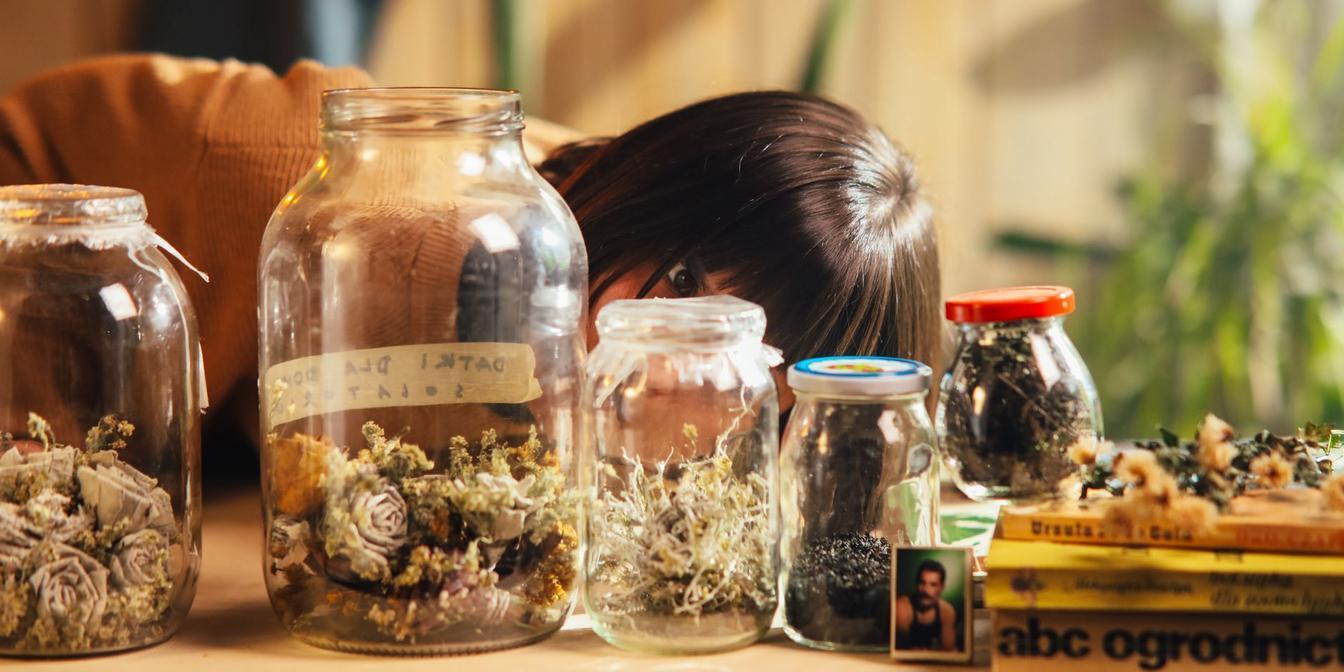
Good storage protects aroma and makes the pantry easier to use. Keep rice, pulses and dried herbs in sealed containers in a cool, dry place. Label containers with the ingredient name, especially when different herb mixtures or similar-looking pulses are stored together.
Store turmeric and other ground seasonings away from heat, light and steam. Saffron deserves a small, tightly closed container in a dark cupboard. Keep dried limes and barberries sealed so that they remain separate from moisture and strong surrounding odours. Follow the label instructions for liquids and opened products, particularly where refrigeration is specified.
Arrange ingredients by frequency of use. Rice, turmeric, pepper and lentils can sit within easy reach, while rose water or a dish-specific herb blend can remain in a secondary section. A simple inventory on the cupboard door prevents duplicate purchases and reminds you which specialist items should be used in an upcoming meal.
Beginner mistakes to avoid
- Buying too many specialist ingredients: start with a recipe plan, not an attempt to own every Iranian pantry essential.
- Treating all sour ingredients as interchangeable: dried lime, sumac, barberries, pomegranate molasses and sour grape juice produce different results.
- Using turmeric as a saffron substitute: their aromas, flavours and culinary roles are distinct.
- Adding saffron threads without preparing them: grinding and blooming helps distribute a small amount more evenly.
- Using every dried herb blend as a general seasoning: identify whether the mixture is intended for a particular dish.
- Buying rice only by bag size: first consider variety, texture, dish and cooking method.
- Overloading a stew with dried lime: excessive lime or damaged seeds can create unwanted bitterness.
- Expecting rice technique to be perfect immediately: note soaking time, parboiling time, steaming time and water quantity so you can adjust the next batch.
A practical first shopping checklist
For a compact but capable starter cupboard, buy one long-grain rice, turmeric, black pepper, a small pack of saffron threads, dried mint and one pulse. Add dried limes, barberries or another sour ingredient only when your first recipes require them. Combine these specialist purchases with onions, cooking oil, salt, fresh herbs, yoghurt, vegetables or meat according to your planned menu.
This restrained approach gives you enough range to practise Persian rice, simple soups, pulse dishes, herb accompaniments and selected stews without filling the cupboard with ingredients you do not yet understand. As your confidence grows, every additional purchase will have a clear purpose—and that is the most reliable way to learn Persian cooking.
Frequently Asked Questions
What ingredients do I need to start cooking Persian food?
Begin with long-grain rice, turmeric, black pepper, saffron threads, dried mint and one useful pulse such as lentils or yellow split peas. Add dried limes, barberries and another souring ingredient when a chosen recipe requires them.
Which Persian spices should a beginner buy first?
Turmeric, black pepper and saffron are the most useful starting points. Turmeric and pepper build everyday savoury dishes, while a small amount of prepared saffron adds distinctive aroma, flavour and colour to rice, marinades, drinks and desserts.
Do I need Iranian rice to make Persian food?
No. A dependable long-grain basmati is suitable for learning Persian rice techniques. Aromatic Iranian varieties such as Hashemi or Tarom are worth exploring later when you want to compare their individual aroma, texture and cooking character.
What is the difference between saffron and turmeric in Persian cooking?
Turmeric is an earthy everyday seasoning commonly cooked with onions and other base ingredients. Saffron is a highly aromatic ingredient used in small amounts, usually after grinding and blooming. One is not a direct substitute for the other.
How are dried limes used in Persian stews?
Whole dried limes are usually pierced before being simmered in selected stews or soups. They may also be cracked or ground when a recipe calls for it. Use them sparingly, because excessive lime and exposed seeds can make a dish unpleasantly bitter.