Dates are sweet, soft and easy to eat, which can make it difficult to decide whether they belong with everyday fruit or occasional confectionery. The most accurate answer lies between those two extremes. Plain whole dates are fruit and provide fibre, carbohydrates, potassium, copper and other plant compounds. However, because they contain relatively little water, their natural sugars and energy are concentrated into a small serving.
So, are dates good for you? They can be. The important questions are how much you eat, what type of date product you choose and what the rest of your diet looks like. This guide explains date fruit nutrition, sensible portions, natural sugar, digestion and the differences between whole dates, date paste, syrup and sweets.
Are dates good for you? The short answer
Whole dates can be a useful part of a varied diet. They contribute fibre and several micronutrients, while their natural sweetness can make fruit-based snacks, breakfasts and desserts more satisfying. Unlike most confectionery, a plain date retains the structure and fibre of the fruit.
That does not mean dates are sugar-free, low in carbohydrate or something to eat without considering quantity. A small handful can contain as much carbohydrate as a much larger portion of water-rich fruit. Dates are therefore best viewed as concentrated fruit rather than as either a “superfood” or a sweet that must be avoided.
A balanced way to think about them is:
- Choose plain whole dates when you want the fruit with its fibre intact.
- Pay attention to portions because sizes vary substantially between varieties.
- Check ingredients on stuffed, coated, flavoured or processed products.
- Combine dates with other foods rather than relying on them as your main source of fruit or fibre.
Dates also have an established place on Ramadan tables and in Middle Eastern food traditions. If you are organising meals for the month, a practical Ramadan grocery checklist for UK households can help you balance dates with grains, pulses, drinks and other staples.
What exactly are dates?
Dates are the fruit of the date palm. They grow in clusters and pass through several stages of ripeness, changing in colour, moisture, sweetness and texture as they mature. Depending on the variety and stage at which they are packed, a date may be crisp and relatively fresh, soft and moist, or dense and chewy.
The dates commonly found in UK shops have much less water than fruits such as oranges, grapes or apples. That is why they can resemble dried fruit even when they have not been dried in the same way as raisins or dried apricots. Removing or naturally losing water makes the fruit smaller and concentrates its carbohydrates per bite.
Dates are used well beyond snacking. They can be served with tea, chopped into porridge, blended into smoothies, added to bakes or made into paste and syrup. They are also among the dried fruits commonly included when building a practical Middle Eastern pantry.
Fresh, semi-dry and dried dates: is there a difference?
Terms such as fresh, soft, semi-dry and dried describe moisture and texture, but they are not always used consistently across varieties and brands. Ripeness, storage and processing also affect the finished fruit.
A softer, moister date may weigh more because it contains more water. A firmer date with less moisture may provide more carbohydrate and energy per 100g, even if the difference per individual fruit is less obvious. Size matters too: one large date can weigh several times as much as a small one.
For precise nutrition, use the label on the pack in front of you. Comparing products per 100g is useful, but the serving you actually eat is equally important. Counting “three dates” is not a reliable nutritional measure when one pack contains small fruits and another contains jumbo dates.
Date nutrition explained
The following is an illustrative overview for a 30g serving of plain whole dates. It is a range rather than a fixed specification because date variety, moisture and product preparation all influence the values.
| Nutrient | Approximate amount per 30g | What it means in practice |
|---|---|---|
| Energy | About 80–90 kcal | A relatively concentrated amount compared with the same weight of water-rich fruit |
| Carbohydrate | About 22–23g | The majority comes from naturally occurring fruit sugars |
| Sugars | About 18–20g | Still counts as sugar even though it is naturally present |
| Fibre | About 2–2.5g | A useful contribution, but only part of the daily fibre target |
| Protein | Less than 1g | Dates are not a significant protein source |
| Fat | Usually very little | Fillings and coatings can change this substantially |
These figures should not replace the individual package label. Large Medjool or Medjoul dates, small firm dates and very moist dates can provide different amounts per fruit.
Calories and carbohydrates
Dates provide relatively concentrated energy because most of their weight comes from carbohydrate rather than water. This is not inherently negative. Energy is necessary, and compact foods can be convenient when appetite, portability or meal timing matters. The practical issue is simply that a small portion can add up quickly.
Comparing dates with fresh berries illustrates the effect of water content: a bowl of berries occupies considerably more space than 30g of dates. Someone eating directly from a large packet may therefore consume several portions before feeling that they have eaten much food.
Instead of judging dates only by their calorie value, consider how they are being used. Two chopped dates stirred into plain yoghurt serve a different purpose from a large bowl of dates eaten alongside an already substantial dessert.
How much fibre do dates contain?
A 30g portion generally provides around 2–2.5g of fibre. Against the UK adult target of 30g per day, that is roughly 7–8%. It is a worthwhile contribution, but dates cannot supply a varied fibre intake by themselves.
Other useful sources include vegetables, fresh fruit, beans, lentils, wholegrain cereals, nuts and seeds. Eating a range of these foods supplies different types of fibre and avoids the need to obtain a large amount from one concentrated fruit.
Portion size remains relevant here. Eating more dates increases fibre, but it also increases sugar, carbohydrate and energy. It is generally more practical to add vegetables, pulses or whole grains when a meal needs a much larger fibre boost.
Vitamins, minerals and plant compounds
Dates commonly provide potassium and copper, along with smaller amounts of magnesium and several other micronutrients. They also contain plant compounds associated with the fruit’s colour and maturation.
These nutrients add value, but there is no need to describe dates as complete or uniquely nutrient-dense. They contain little protein and fat, and they do not replace vegetables, varied fresh fruits or other major food groups. Their strength is that they combine natural sweetness, some fibre and useful micronutrients in a convenient whole fruit.
Are the sugars in dates natural?
In plain whole dates, the sweetness comes primarily from sugars naturally occurring within the fruit. As dates ripen and lose moisture, those sugars become concentrated, which explains their intense sweetness and caramel-like character.
A product being date-based does not automatically mean all its sugar is naturally present in whole fruit. Dates can be filled with sweetened mixtures, covered in chocolate, glazed, blended with syrup or turned into confectionery. Date pastes and syrups may also be combined with other ingredients.
Natural sugar does not mean sugar-free
“Natural” describes the source of the sugar; it does not mean the food contains very little of it. A date can be both a whole fruit and high in sugar by weight.
The structure of a whole date distinguishes it from many sweets. It retains fibre and requires chewing, whereas a syrup has been processed into a form that is easy to pour or blend in large quantities. Nevertheless, the fibre in a date does not cancel its carbohydrate content or make portions irrelevant.
This distinction is especially useful when comparing dates versus sweets. A plain date offers fibre and micronutrients that a boiled sweet may not, but a chocolate-coated or heavily filled date is better assessed as a composite product. Look at everything in it, not merely the fruit at its centre.
How to check whether sugar has been added
Begin with the ingredients list. A pack containing only dates is straightforward. If sugar, glucose syrup, honey, another syrup, sweetened filling or chocolate appears, the finished product includes more than the naturally occurring components of the fruit.
Next, check the stated serving size. A manufacturer’s serving may not match the amount you normally eat, and serving sizes can differ between brands. The per-100g column is better for comparing products, while the per-serving figures help you understand your own portion.
Finally, remember that “of which sugars” on a UK nutrition label generally includes both naturally occurring and added sugars. That number alone does not tell you whether sugar was added; the ingredients list provides the necessary context.
Are dates a good source of fibre?
Dates can make a useful contribution to fibre intake, especially when they replace a snack that contains little or no fibre. Their advantage is convenience: they require no preparation beyond removing the stone where necessary and can be chopped into many familiar meals.
However, eating dates does not compensate for an otherwise low-fibre diet. A stronger overall pattern includes whole grains at meals, pulses regularly, vegetables in generous portions and a variety of fruits, nuts and seeds.
Dates, digestion and constipation
Fibre supports normal digestive function and can help maintain regular bowel habits. Dates may contribute to that total, but they are not a treatment for constipation, and responses vary from person to person.
If you currently eat little fibre, increasing it suddenly can cause discomfort. A gradual increase gives your digestive system time to adjust. Adequate fluid intake is also important as fibre consumption rises.
Persistent constipation, pain or a significant unexplained change in bowel habits should not be managed simply by eating more dates. Individual medical advice is appropriate in those circumstances.
What is a sensible portion of dates?

A useful reference portion is around 30g, which is the standard UK portion commonly applied to dried fruit. Depending on the variety, that could mean one particularly large date, two medium dates or several small ones. Weighing a portion once or twice is more informative than relying on a fixed number.
A sensible amount also depends on context. A 30g snack may fit comfortably into one person’s day, while a smaller quantity may be enough when dates are being added to porridge, baking or a dessert. There is no universal rule stating that everyone should eat a particular number of dates daily.
Try these portion cues:
- Place the intended amount in a bowl rather than eating from the packet.
- Check the weight and nutrition label when changing variety or brand.
- Count the dates used in smoothies, bakes and energy balls as part of the total.
- Consider what accompanies them, especially sweet coatings or calorie-dense fillings.
Under UK guidance, approximately 30g of dried fruit can count as one 5 A Day portion. Eating a larger amount does not make it count as multiple portions, because variety across fruit and vegetables remains important.
Dates and blood sugar
Dates contain substantial carbohydrate, most of which is sugar, so it is misleading to describe them as having no effect on blood glucose. Their fibre and whole-fruit structure matter, but so do portion size, variety, ripeness and the other foods eaten at the same time.
The glycaemic index reported for dates is not a single fixed value across every product. Differences in variety and testing make broad claims such as “dates are always low GI” unhelpful. Glycaemic index also describes a food under specific test conditions; it does not account fully for the amount a person eats or their individual response.
If you monitor carbohydrate or blood glucose, use the total carbohydrate on your specific pack and count the portion actually eaten. Personal guidance from a qualified healthcare professional should take priority over general statements about date fruit.
Do different date varieties have different nutrition?
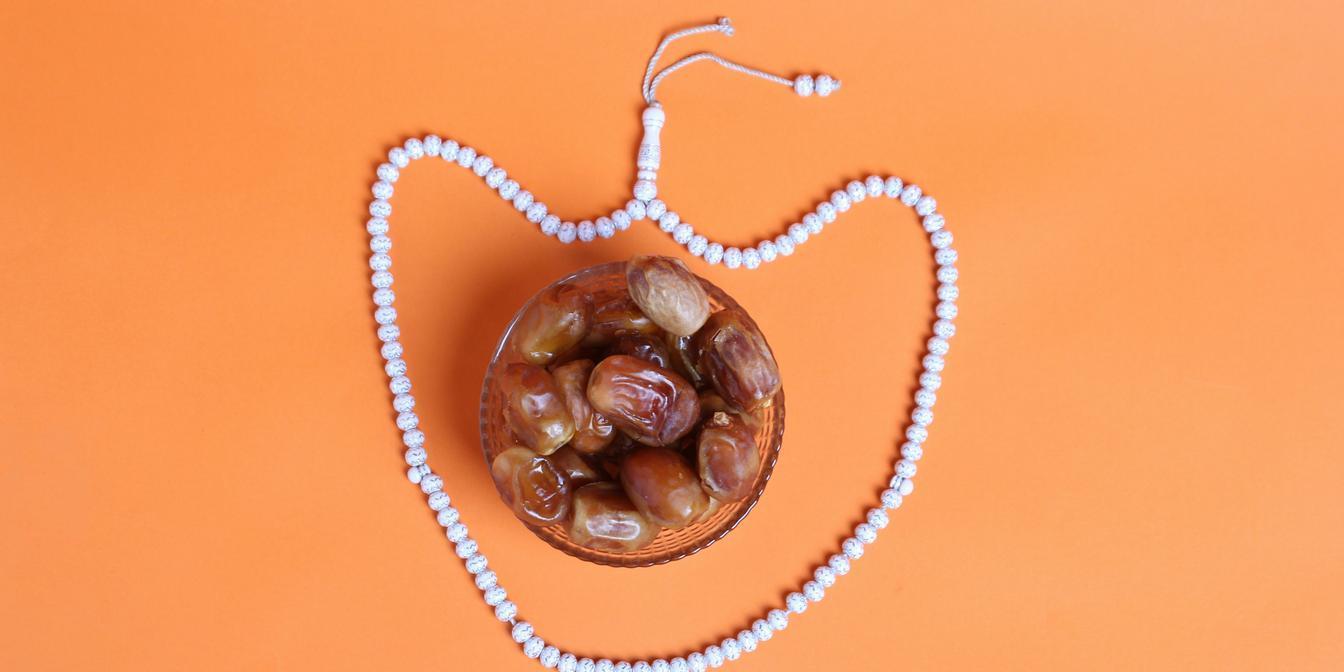
Yes, although the most noticeable differences are often size, moisture, colour and texture. A large, moist date may have different values per fruit from a small, semi-dry one. Per-100g differences can also occur, but they are not always as dramatic as the visual contrast between varieties suggests.
Medjool dates are known for their large size and soft texture, so one fruit may form most of a 30g portion. A pack such as Natural Medjoul dates for snacking or baking is therefore better portioned by weight than by assuming several dates equal one serving.
Mazafati dates tend to be soft and naturally sweet. Tara Iranian Mazafati dates can be served with tea or included on a dessert platter. Piarom dates have a chewy texture and thin dark skin; Iranian Piarom dates provide an option for people who prefer a firmer bite. Kabkab dates are softer and moist, as illustrated by Kalleh Chin Kabkab dates.
These sensory descriptions can help you choose a variety, but they do not replace the package nutrition panel. Do not assume that a premium, jumbo, darker or softer date automatically contains more or less sugar.
Whole dates, date paste and date syrup compared
Whole dates retain the fruit’s structure and are easy to portion visibly. Date paste is made by processing dates into a thick mixture. It may retain some fibre if the whole flesh is used, but it is easier to spread or add in larger amounts without noticing the equivalent number of fruits.
Date syrup is more concentrated and does not have the same intact fruit structure. Its exact composition depends on the product, so it should not be treated as nutritionally identical to a whole date. If you use it to sweeten food, consider it alongside other syrups rather than assuming the word “date” makes quantity unimportant.
Energy balls, bars and “no refined sugar” desserts can still contain a significant amount of total sugar and carbohydrate when dates or date paste are the main binding ingredient. “No refined sugar” does not mean sugar-free, low-sugar or suitable for unlimited portions.
Practical ways to enjoy dates
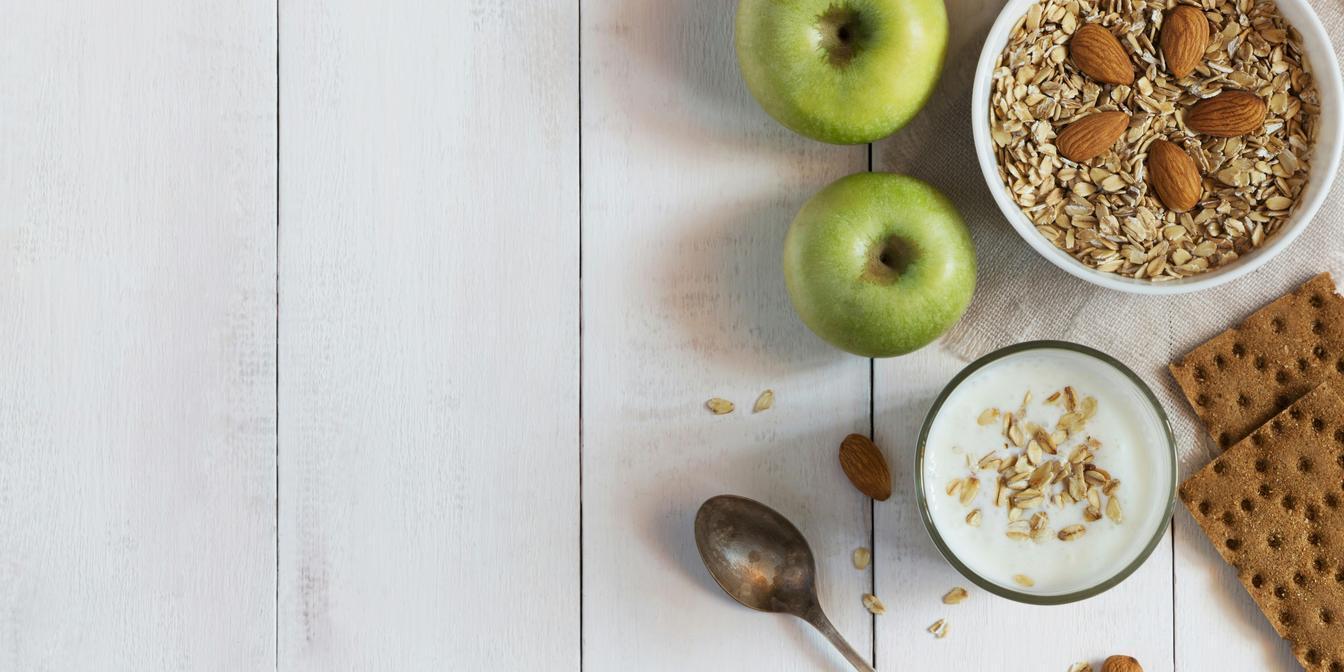
Dates work best when their sweetness has a clear role in the meal. Instead of adding them automatically, use enough to create contrast with less-sweet ingredients.
- With plain yoghurt: Chop one or two dates and add nuts, seeds or fresh fruit for contrasting textures.
- In porridge: Stir in small pieces near the end of cooking so the sweetness spreads through the bowl.
- Alongside fresh fruit: Pair a date with apple or pear slices rather than making concentrated dried fruit the entire snack.
- With tea or coffee: Serve a measured portion on a small plate instead of leaving the full box open.
- In savoury dishes: Use finely chopped dates sparingly in grain salads or stuffings where sweetness balances herbs, spices or acidity.
- In baking: Dates can add sweetness and texture, but the finished bake should still be judged by the complete recipe.
- In smoothies: Remove the stone and count the dates before blending; liquid forms can be consumed quickly.
If you are exploring how dried fruit fits alongside nuts, seeds and traditional treats, this guide to sweet, sour and savoury Persian snacks offers useful comparisons.
How to choose dates when shopping

The best dates are not necessarily the largest or most expensive. Choose according to how you intend to use them and what the label tells you.
- Check the ingredients. For plain dates, look for a single-ingredient product. Read more closely if the dates are coated, filled or flavoured.
- Compare nutrition per 100g. This provides a consistent basis when pack serving sizes differ.
- Look at fruit size. Jumbo dates require different portioning from small dates, even when both packages suggest a serving by number.
- Match texture to purpose. Soft dates are convenient for blending or mashing, while chewier dates may suit snacking and chopping.
- Choose an appropriate pack size. A larger box may be practical for a household or regular cooking, but only if it can be stored according to the package instructions and used without encouraging unplanned grazing.
When ordering specialist ingredients, it can also help to understand what a Persian grocery shop can supply online. Before placing a broader food order, use a consistent checklist for evaluating an online grocery store’s information and service.
Common mistakes when eating or buying dates
Assuming fruit sugar does not count
Dates contain naturally occurring sugar, but it remains sugar and carbohydrate. The phrase “naturally sweet” should describe flavour and origin, not imply that the amount is nutritionally irrelevant.
Using the number of dates as a universal serving
One large date can weigh as much as several small dates. Use weight and package information when portion accuracy matters.
Ignoring dates hidden in recipes
Date paste in bars, smoothies and desserts can represent several fruits. Blending changes the form but does not make the carbohydrate disappear.
Judging a composite product by its healthiest ingredient
A date filled with a sweetened mixture or covered in chocolate is not nutritionally equivalent to a plain date. Assess the entire product.
Trying to obtain all your fibre from dates
More dates provide more fibre, but also more concentrated sugar and energy. Vegetables, pulses, whole grains, nuts and seeds make it easier to build a varied fibre intake.
Believing one variety has universal nutritional superiority
Medjool, Mazafati, Piarom and Kabkab dates differ in size and eating qualities, but brand-specific labels are more useful than broad assumptions about which variety is “healthiest.”
The balanced verdict
Dates can be good for you when they are eaten as one part of a varied diet. Plain whole dates provide fibre, useful micronutrients and natural sweetness, making them a practical alternative to foods that offer sweetness without the structure of fruit.
The qualification is concentration. Dates contain significant natural sugar and carbohydrate in a small volume, so portions matter. Around 30g is a useful reference, although the right amount depends on the size of the fruit, the rest of the meal and individual needs.
Choose whole dates when you want the intact fruit, check labels when buying processed date products and combine them with a broad range of fibre-rich foods. There is no need either to treat dates as unlimited health food or to avoid them simply because they are sweet.
Frequently Asked Questions
Are dates healthy to eat every day?
Plain whole dates can be eaten regularly as part of a varied diet. They provide fibre and micronutrients, but they are also concentrated in natural sugars and carbohydrates, so keep the portion appropriate to your overall diet.
How many dates should you eat a day?
There is no universal daily number because date sizes differ. Around 30g is a useful reference portion, which may be one large date or several smaller dates. Check the pack and weigh a portion if necessary.
Are dates high in sugar?
Yes. Dates are high in naturally occurring fruit sugars by weight because they contain relatively little water. Whole dates also provide fibre, but that does not make them sugar-free or remove the need to consider portions.
Do dates count as one of your 5 A Day?
Around 30g of dried fruit can count as one UK 5 A Day portion. A larger amount still counts as only one portion, as the guidance encourages variety across different fruits and vegetables.
Are dates good for constipation and digestion?
Dates provide fibre, which contributes to normal digestive function and may support regular bowel habits. Increase fibre gradually and drink sufficient fluid. Dates are not a treatment, so persistent or unexplained symptoms require appropriate medical advice.