Shopping for Persian groceries online makes it easier to find the ingredients that give Iranian home cooking its familiar character. A specialist order might include long-grain rice for chelo, dried herbs for soups and stews, saffron for rice and desserts, dried limes for khoresh, flatbread for breakfast, jars of torshi for the table and tea-time sweets for sharing.
Persian grocery delivery in the UK can serve several different needs. You might be stocking a kitchen from scratch, replacing one hard-to-find ingredient, sending familiar foods to a family member or discovering Iranian cooking for the first time. The key is to understand which products are cupboard staples, which may need temperature-conscious handling and which are best chosen according to a particular dish.
What can you order from a Persian grocery store online in the UK?
Persian and Iranian are often used interchangeably in shopping searches, so a Persian supermarket online in the UK may describe parts of its range as Iranian food, Persian ingredients or Middle Eastern groceries. These terms can lead to overlapping selections, although a broad Middle Eastern range is not necessarily the same as a shop with a dedicated Iranian selection.
The main grocery groups you may encounter include:
- Rice and grains: aromatic Iranian rice, basmati-style options, long-grain rice, bulgur and other grains.
- Herbs and flavourings: saffron, dried limes, dried dill, mint, parsley, fenugreek and herb mixtures.
- Cooking essentials: pulses, beans, oils, tomato products, sauces, fruit syrups, extracts and canned vegetables.
- Bread and breakfast foods: flatbreads, cheese, cream, honey, jams, walnuts and spreads.
- Accompaniments: mixed torshi, cucumber pickles, olives, preserves and ready-to-serve pantry sides.
- Drinks and snacks: black tea, herbal infusions, cold drinks, nuts, biscuits, confectionery, fruit leather and sour-fruit snacks.
- Convenience foods: canned dishes, prepared foods, soups, desserts and other products requiring less preparation.
Availability will vary, so it is more useful to treat this as a category guide than a guarantee that every item will be listed at all times. For a wider introduction to comparing these product groups, see the complete guide to Persian and Middle Eastern food shopping online.
Persian pantry staples and everyday cooking ingredients
Most practical first orders begin with shelf-stable foods. Rice, pulses, dried herbs, spices, tomato products and sour flavourings can support many meals, making them a better starting point than buying a large collection of highly specialised items without a plan.
Think in terms of dishes rather than isolated ingredients. If you want to prepare herb rice, for example, you may need rice, dried or fresh herbs, oil and an accompaniment. A stew might require a pulse, dried lime, tomato paste and rice. This approach reduces forgotten ingredients and helps keep the basket useful.
New cooks can also work from a structured Persian pantry shopping list, prioritising versatile staples before occasional extras.
Rice for chelo, polo, kateh and tahdig
Rice is central to many Persian meals, but the right choice depends on how you intend to cook it. Chelo generally calls for rice that can be parboiled, drained and steamed into distinct grains. Polo combines rice with ingredients such as herbs, pulses, vegetables or fruit. Kateh uses an absorption method and usually produces a softer result. Tahdig describes the crisp layer formed at the bottom of the pot rather than a single type of rice.
When comparing rice online, consider four factors:
- Grain character: look at whether the listing describes the rice as long-grain, basmati, Iranian or another named variety.
- Aroma and texture: use the product description to understand the intended cooked character, but remember that soaking, parboiling and steaming also affect the result.
- Cooking method: a rice selected for drained-and-steamed chelo may not behave exactly like one normally cooked by absorption.
- Pack size: estimate how frequently you cook rice and how much dry storage space you have before choosing a large bag.
A listing such as Saharkhiz Iranian Tarom Rice in a 4.5kg pack is an example of a named Iranian rice product suitable for Persian-style rice dishes. Compare it with other long-grain options by reading the full listing rather than relying on the pack design alone.
If your priority is separated chelo, mixed polo or a reliable crust, the detailed guide to choosing Persian rice for tahdig and everyday cooking explains how dish and method should shape the decision.
Saffron, dried limes, spices and dried herbs
A relatively small set of flavouring ingredients can open up a broad range of Persian recipes. Saffron is used in rice, desserts and drinks, while dried limes bring a distinctive sour dimension to selected stews and soups. Dried herbs are useful for herb rice, kuku, ash, stews and yoghurt-based accompaniments, depending on the herb or blend.
Specialist shops can be particularly helpful when a recipe asks for an ingredient under its Persian name. Dried lime may appear as limoo amani, for example, while herb mixtures may be labelled according to their intended dish. Check the English description and ingredient information instead of assuming that similarly coloured packets contain the same blend.
For dried herbs, decide whether you need a single herb or a recipe-specific mixture. A single product such as Anjoman dried dill weed can be used across rice dishes, soups and other recipes calling for dill. A prepared herb blend is more convenient for its named dish but may be less flexible elsewhere.
Saffron listings may differ by form, grade terminology and pack size. Threads give the shopper more visual information than a product already reduced to powder, but the most suitable format still depends on how it will be used. Choose an amount you can store carefully and use within a sensible period. The guide to selecting, storing and using Persian saffron provides a closer explanation of common saffron terms and preparation methods.
Pulses, beans, oils, sauces and preserved ingredients
Pulses and beans add substance to soups, rice dishes and stews. Lentils can be used in lentil rice and soups; split peas are associated with particular stews; and beans appear in dishes ranging from herb stew to ash. Because similar-looking pulses can cook differently, match the product name to the recipe rather than substituting solely by appearance.
Other useful cupboard categories include cooking oils, tomato paste, pomegranate products, sour grape products, rose water, orange blossom water, canned vegetables and prepared sauces. Not every household needs all of them. A better strategy is to choose one or two recipes and identify the ingredients shared between them.
For example, rice, tomato paste, lentils and dried mint can contribute to several meals, whereas a highly specific syrup may be used less frequently. Check container size and storage directions, especially for products that need refrigeration after opening.
Canned and jarred ingredients can also reduce preparation time. They may be useful when a vegetable is difficult to find locally or when you want a pantry backup, but review the label so that you know whether the product is plain, seasoned, preserved in brine or ready to serve.
Persian bread, breakfast foods and dairy products
Persian-style breakfasts often combine bread with cheese, herbs, walnuts, honey, jam or cream, accompanied by tea. Online shops may carry both shelf-stable breakfast products and items with more specific handling requirements.
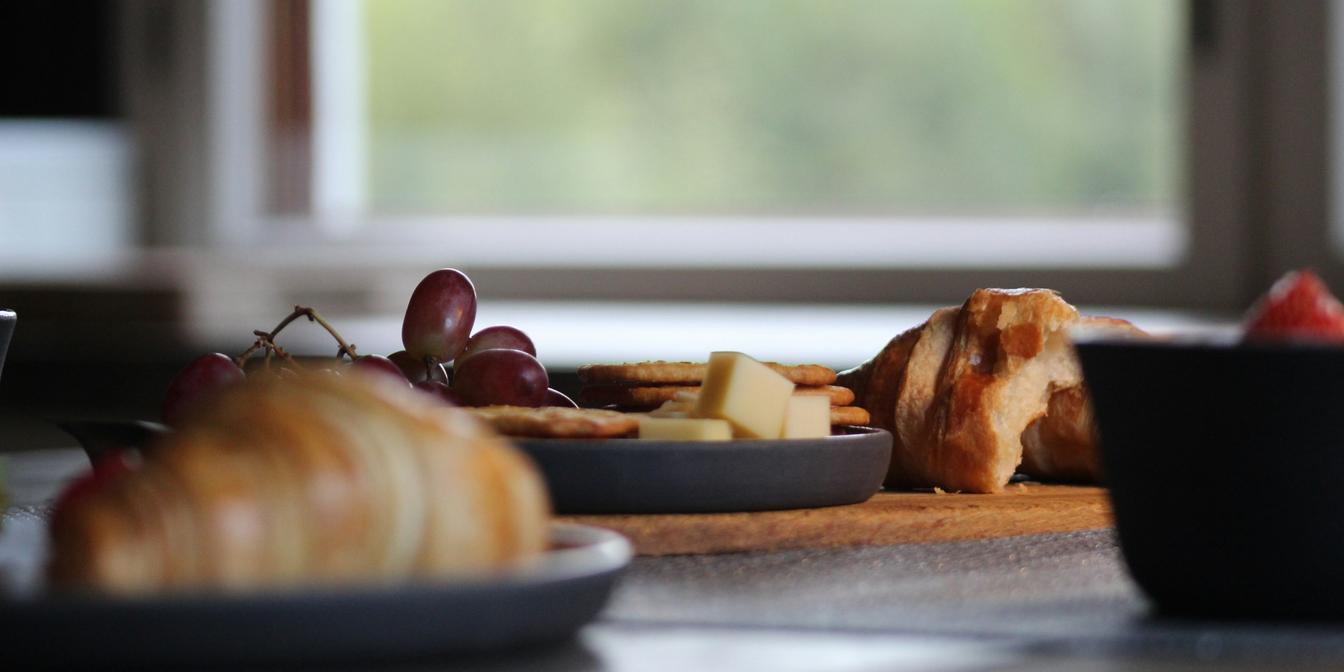
Before adding bread or dairy products, check the individual listing for current availability, storage instructions and delivery eligibility. A retailer may use different dispatch rules for ambient, fresh, chilled or frozen goods, and eligibility can depend on the destination and delivery service.
Traditional breads for meals and breakfast
Iranian bread is not one uniform product. Lavash is thin and flexible, while sangak is associated with a different shape and texture. Other flatbreads may also be listed under Iranian, Persian or regional names. These breads can be served at breakfast, wrapped around cheese and herbs, placed alongside kebabs or used with stews and dips.
When buying bread online, read how the item is packed and stored. Some bread may be intended for immediate use, while another product may be suitable for keeping according to the instructions on its packaging. If ordering more than you can use promptly, check whether the listing gives any freezing or reheating guidance rather than applying the same method to every bread.
Cheese, cream, curd, honey, jams and spreads
A straightforward Persian-style breakfast basket might contain flatbread, white cheese, walnuts, tea and a sweet element such as honey or jam. Fresh herbs, cucumber or tomato can be purchased locally if they are not practical to include in the online order.
Separate the basket into ambient and temperature-sensitive goods. Honey, many sealed jams and some spreads are typically sold as cupboard products, although their labels may specify different storage after opening. Cheese, cream and certain curd products may require refrigeration. Product-page instructions should take priority over assumptions based on the category.
It is also worth checking container size. A large jar of jam can be practical for a family breakfast table, but a smaller pack may make more sense if you are trying an unfamiliar flavour. Popular preserve styles may include sour cherry, quince, carrot, fig or other fruits, depending on what is currently listed.
Pickles, torshi and accompaniments
Sour, salty and preserved accompaniments bring contrast to rice, kebabs, sandwiches and stews. They are also convenient additions to an online order because many are sold in sealed jars or cans, subject to the storage directions shown on the product.
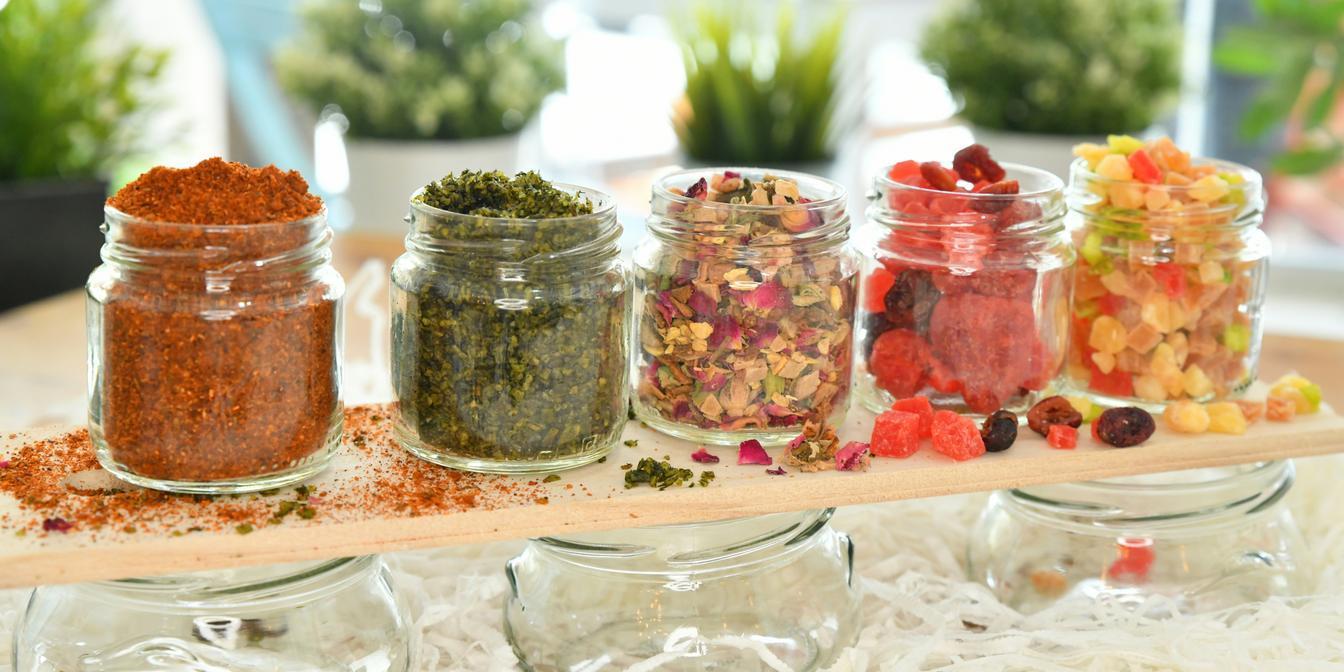
Do not treat every pickle as interchangeable. Texture, acidity, vegetable size, seasoning and intended serving style can vary considerably. Reading the description is especially important if you prefer a finely chopped torshi, whole vegetables or a cucumber pickle with a particular texture.
Torshi and pickled vegetables
Torshi is a broad term covering numerous pickled preparations rather than one fixed recipe. An online range may include mixed vegetables, finely chopped liteh, cucumber pickles, garlic, aubergine, okra and products described by a regional style. The selection can change, so browse what is actually listed rather than expecting every variation.
For a finely chopped option, Anjoman Torshi Liteh mixed pickled vegetables is described as a vinegar-based blend made with finely chopped vegetables. This style can be served as a side with rice, kebabs or stews.
Check jar size before ordering several varieties. Torshi is generally served in modest portions, so one jar may last longer than expected. Once opened, follow the label’s storage directions and use clean utensils when serving.
Fruit preserves, compotes and savoury pantry sides
The preserved-food aisle extends beyond pickles. Fruit jams and compotes can accompany breakfast or desserts, while canned vegetables, beans, olives and prepared sides can make meal assembly easier. Some products are ingredients; others are ready to serve. The distinction should be clear from the description and preparation directions.
When comparing fruit products, look at whether you are buying a jam, preserve, compote, syrup or fruit-based snack. These formats have different uses even when the featured fruit is the same. Likewise, a canned vegetable intended for cooking should not be confused with a seasoned side dish.
Persian tea, cold drinks, sweets and nostalgic snacks
Tea and snacks often drive more exploratory orders. They are approachable choices for newcomers, while familiar brands and flavours can be important to shoppers looking for foods they remember from Iran.

Persian tea shopping commonly begins with black tea, although shops may also list cardamom-flavoured tea, herbal infusions and other blends. Loose-leaf and bagged formats offer different levels of convenience. Check the stated flavouring and format so that you do not accidentally order a scented tea when you want an unflavoured one.
Tea-time accompaniments can include sugar cubes, dates, biscuits, nuts and nabat. One example is Iranian saffron rock candy with a stick, a traditional sweet commonly served with hot tea.
Snack selections may include wafers, biscuits, seeds, nuts, confectionery, fruit leather and sour-fruit products. Lavashak is generally sought as a fruit-based snack with a sweet-to-sour character, but flavours and formats differ. Check whether the listing describes sheets, rolls, pieces or another presentation, and review the product information if you are shopping for a particular ingredient preference.
Cold drinks can include fruit beverages, malt drinks, syrups and yoghurt-based drinks, depending on the shop. Bottles and cans add weight to a parcel, so consider the full basket rather than looking only at the number of items.
Ready meals, soups and Persian desserts
Ready-to-eat and quick-preparation products are useful when you want familiar flavours without cooking every component from scratch. Online Iranian grocery ranges may include canned stews, soups, noodle dishes, prepared pulses, rice dishes and desserts. Some are complete foods, while others still need rice, bread or garnishes to make a meal.
Read the preparation directions before ordering. Terms such as ready to eat, heat and serve, instant and cooking ingredient describe different levels of convenience. Also check whether the pack represents one portion, several servings or a component intended to be shared.
Sweet options can include puddings, halva, biscuits and rice-based desserts. Hani Iranian Shole Zard rice dessert, for example, is listed in a convenient ready-to-enjoy format. Products like this can be useful for trying a traditional dessert before preparing a homemade version.
How to build a useful Persian grocery order
A successful order is not necessarily the largest one. It is a basket in which the ingredients work together and the storage, handling and delivery requirements suit your household.
- Choose two or three meals. Start with dishes you genuinely plan to cook, such as herb rice, lentil rice, a stew or a soup.
- Identify shared staples. Rice, tomato paste, pulses, dried herbs and onions can support several recipes, although fresh produce may be easier to buy locally.
- Add one accompaniment. A jar of torshi, olives or another preserved side can complete several meals.
- Plan breakfast or tea. Bread, cheese, jam, tea and a small sweet create a second use for the order.
- Include convenience selectively. One prepared meal or dessert can provide a useful backup without crowding the basket with products you may not use.
- Review storage space. Large rice bags and multiple jars need suitable cupboard space, while chilled items need refrigerator capacity.
If you are new to buying Iranian food online in the UK, start with familiar formats and introduce specialised flavours gradually. A balanced first basket might contain rice, one pulse, two herbs, dried limes, tomato paste, tea and one pickle. Saffron can be added if it is relevant to the dishes you plan to make.
Delivery and product checks before placing an order
Delivery coverage and conditions can vary between retailers, destinations and parcel types. Enter the correct postcode and review the delivery information before payment, especially if the basket contains bread, refrigerated products, frozen food, drinks or heavy jars.
Use this checklist:
- Read the full product title. Similar packaging can conceal differences in weight, flavour, cut or preparation.
- Check the unit and pack size. Confirm whether the listing is for one item, a multipack, a jar, a tin or a large sack.
- Review storage directions. Distinguish ambient storage from products that require refrigeration or freezing.
- Confirm preparation requirements. Determine whether the food is raw, dried, concentrated, canned, ready to heat or ready to serve.
- Check delivery eligibility. Do not assume that every product can be sent by every service to every postcode.
- Consider the whole basket. Rice, drinks and glass jars can make an order substantially heavier than a basket of herbs and tea.
- Keep substitutions deliberate. If the precise ingredient is unavailable, compare its function in the recipe before choosing an alternative.
A dependable online shop should make these details reasonably easy to find. The guide to choosing an Iranian grocery store in the UK covers product listings, handling information, delivery terms and customer support in more detail.
Common mistakes when buying Persian groceries online
Choosing rice by packaging alone
Rice bags can look similar even when their named varieties, grain characteristics and suggested uses differ. Read the title, description and cooking information, then select according to your preferred method.
Confusing herbs with herb mixtures
A packet of dried dill is not the same as a mixed herb preparation for ghormeh sabzi, ash or kuku. Verify whether the pack contains one herb or a blend and whether the blend is associated with a particular dish.
Ordering too many specialist ingredients at once
An ambitious basket can leave you with jars and packets that do not combine into complete meals. Build around recipes and shared ingredients before adding discovery items.
Assuming all preserved foods are ready to serve
Some canned vegetables and fruit products are ingredients requiring further preparation. Look for serving or cooking directions instead of relying on the container format.
Ignoring delivery restrictions for fresh products
A shop may sell chilled or frozen food without offering the same delivery service to every location. Confirm eligibility for your postcode before planning a meal around a temperature-sensitive item.
Comparing only the item price
Pack size, delivery terms and the usefulness of the whole basket matter when comparing orders. A larger pack is only practical if you will use it and have somewhere appropriate to store it.
Finding the right balance between staples and discovery
The broadest online selection is not automatically the most useful order. Start with the foundations of the meals you cook regularly, then reserve part of the basket for a new tea, preserve, snack or dessert. This creates enough familiarity to make the order practical while still allowing you to explore Persian food.
For a broader step-by-step approach covering labels, accompaniments, snacks and delivery considerations, consult the complete UK buyer’s guide to Persian food online.
Whether you are searching for Iranian rice in the UK, dried Persian herbs, torshi, lavashak, bread or tea, careful product-page reading is more valuable than assumptions. Match ingredients to dishes, check storage and delivery requirements, choose realistic pack sizes and build a basket whose products can be used together. That is the simplest way to make Persian grocery delivery in the UK convenient, economical and genuinely useful.
Frequently Asked Questions
Can I get Persian groceries delivered anywhere in the UK?
Delivery coverage depends on the retailer, destination postcode and type of product. Ambient groceries may have wider coverage than chilled or frozen foods, so check the shop’s delivery terms and enter your postcode before ordering.
What Persian groceries can I order online?
Typical categories include rice, saffron, dried herbs, dried limes, pulses, sauces, bread, breakfast foods, pickles, tea, sweets, snacks, drinks and prepared foods. The exact range and current stock vary by retailer.
Can fresh or refrigerated Persian foods be delivered?
Some online shops list bread, dairy products and other temperature-sensitive foods, but delivery eligibility can vary. Check the individual product page for storage information and confirm that an appropriate service is available for your postcode.
How should I choose Persian rice when shopping online?
Choose according to the dish, cooking method, grain character and pack size. Consider whether you want rice for drained-and-steamed chelo, mixed polo, absorption-style kateh or tahdig, and read the complete product description before ordering.
Where can I buy saffron and dried Persian herbs in the UK?
Specialist Persian or Iranian grocery websites commonly list saffron, individual dried herbs and recipe-specific herb mixtures. Check the product form, pack size and description carefully, particularly when distinguishing a single herb from a prepared blend.