Interest in prunes for bone health after menopause has grown because several clinical trials have reported encouraging changes in bone mineral density, bone structure or bone-turnover markers. The most useful interpretation, however, is more measured than many headlines suggest: prunes may be a helpful whole-food addition to a bone-supportive lifestyle, but they are not a substitute for osteoporosis screening, prescribed treatment, adequate calcium and vitamin D, or appropriate exercise.
Can Prunes Support Bone Health After Menopause? The Short Answer
Possibly, and the effect appears modest. Randomized controlled trials suggest that eating 50 to 100 grams of prunes daily for six to twelve months may help preserve certain skeletal measurements in some postmenopausal women. The strongest individual trial result involved preservation of total hip bone mineral density with 50 grams per day, while a secondary analysis suggested preservation of cortical density and estimated strength at one site of the tibia. (pubmed.ncbi.nlm.nih.gov)
That does not mean prunes have been proved to prevent hip fractures, reverse osteoporosis or work equally well for everyone. The most recent systematic review and meta-analysis, published in April 2026, found preliminary evidence of a modest benefit, particularly at the lumbar spine, but no statistically significant pooled difference at several other sites. Results varied substantially between studies, and the overall evidence base remains small. (pubmed.ncbi.nlm.nih.gov)
The practical conclusion is that prunes can fit into a comprehensive postmenopausal bone-health plan. They should be viewed as a potentially supportive food rather than a treatment.
Why Bone Health Changes After Menopause
Bone is living tissue that is continuously remodelled. Older bone is broken down through a process called resorption, while new bone is formed to replace it. Oestrogen, also spelled estrogen, helps regulate this balance. As oestrogen levels decline around menopause, bone resorption can outpace formation, producing a relatively rapid decrease in bone mass during the menopause transition and the years that follow. (ods.od.nih.gov)
Over time, this loss can contribute to osteopenia, meaning bone density below the expected healthy range, or osteoporosis, in which reduced bone mass and changes in bone structure weaken the skeleton. Osteoporosis is often described as silent because it may not cause obvious symptoms until a fracture occurs. The hip, spine and wrist are common sites of osteoporotic fractures. (niams.nih.gov)
Menopause is only one part of fracture risk. Age, previous fractures, family history, body size, certain health conditions and medicines, smoking, alcohol intake, nutrition, muscle strength, balance and the likelihood of falling can all matter. That is why a small change in a food-related study cannot be interpreted in isolation.
Bone Density, Bone Strength and Fracture Risk Are Not the Same

Understanding the outcomes measured in prune studies helps prevent overstatement of the results:
- Bone mineral density, or BMD, estimates how much mineral is present in a measured area. A DXA scan commonly assesses the hip and lumbar spine and reports a T-score for postmenopausal women.
- Bone structure and geometry describe characteristics such as cortical density, bone area and how material is distributed. These features can contribute to strength independently of standard DXA density.
- Estimated bone strength is calculated from imaging measurements and mathematical models. It is useful in research but does not mean researchers tested whether a participant’s bone would fracture.
- Fracture risk is the clinical outcome that matters most. It reflects bone density and quality alongside age, falls, prior fractures, health conditions and other factors.
A preserved hip BMD value is encouraging, but it is not direct evidence that fewer women broke a hip. None of the major prune trials was large or long enough to test fractures as a primary outcome.
What Research Says About Prunes and Postmenopausal Bone Health
The most relevant evidence comes from human randomized controlled trials, not experiments in cells or animals. Even among human trials, it is important to distinguish one promising result from a consistent effect across studies and skeletal sites.
The 12-Month Prune Study: Hip Bone Density Findings
The largest trial enrolled 235 postmenopausal women aged 55 to 75, with an average age of about 62. Participants had T-scores below zero but above -3.0 at one or more measured sites and were assigned to a no-prune control group, 50 grams of prunes per day or 100 grams per day. Participants were supplemented as needed to achieve the study’s specified calcium and vitamin D intakes, so the trial assessed prunes within that nutritional context rather than as a replacement for these nutrients. (pubmed.ncbi.nlm.nih.gov)
After twelve months, total hip BMD had declined by an average of approximately 1.1% in the control group and 0.3% in the 50-gram group. The difference between those two groups was statistically significant, suggesting that 50 grams daily helped preserve, rather than substantially increase, hip BMD. The 100-gram group was not significantly different from the control group on this outcome. (pubmed.ncbi.nlm.nih.gov)
Adherence among those remaining in the trial was high: reported compliance averaged about 90% in the 50-gram group and 87% in the 100-gram group. Retention was a bigger concern. Overall dropout was 22%, but it reached 41% in the 100-gram group, compared with 15% in the 50-gram group and 10% in the control group. This loss of participants reduced the ability to evaluate the higher dose reliably. (pubmed.ncbi.nlm.nih.gov)
The pooled prune groups also maintained a calculated FRAX hip-fracture risk score while the control group’s score increased at six months. FRAX is a risk-estimation tool, however, and this observation is not equivalent to documenting fewer fractures.
Findings for Tibial Bone Structure and Estimated Strength
A later publication analysed three-dimensional measurements from the same 12-month Prune Study. Researchers used peripheral quantitative computed tomography to examine the radius and tibia. At the 14% site of the weight-bearing tibia, cortical volumetric BMD and a calculated strength measure declined in the control group but were maintained when the two prune groups were pooled. (pubmed.ncbi.nlm.nih.gov)
This provides an interesting indication that prunes might influence aspects of bone beyond standard DXA measurements. It was nevertheless a secondary analysis of the same participants, not an independent new trial. Significant effects were not found consistently at all tibial sites or for all measurements of bone geometry. Most importantly, estimated tibial strength is not a fracture endpoint.
What Earlier Six-Month Studies Found
A small six-month trial assigned 48 older women with osteopenia to 50 grams of dried plum, 100 grams or a control group. Each group contained only 16 participants. Both prune portions were associated with preservation of total-body BMD compared with the control group. A marker of bone resorption called TRAP-5b decreased in both prune groups, while a formation marker did not change significantly. (pubmed.ncbi.nlm.nih.gov)
The trial helped establish that 50 grams might perform similarly to 100 grams for some outcomes, but its small size means that its estimates are uncertain. Total-body BMD is also not interchangeable with hip or spine BMD, which are more commonly used for clinical decision-making.
An earlier 12-month trial compared 100 grams of dried plum with 75 grams of dried apple in postmenopausal women. Among the 100 women who completed it, the dried-plum group had more favourable lumbar-spine and ulna BMD results and reductions in selected bone-turnover markers. Both groups received calcium and vitamin D. Although encouraging, this study had substantial attrition and used an active dried-fruit comparison rather than a no-prune control. (pubmed.ncbi.nlm.nih.gov)
What the Systematic Review and Meta-Analysis Concluded
The 2026 systematic review included 11 papers and data relating to 747 participants. This number should not be mistaken for 11 completely independent clinical trials: several papers reported different outcomes from the same participant groups, and three included populations other than postmenopausal women. (pmc.ncbi.nlm.nih.gov)
When postmenopausal BMD results were pooled by skeletal site, the effect at the lumbar spine was borderline, with slightly higher density in prune groups but a confidence interval that crossed no effect. Heterogeneity was extremely high, meaning that study results varied much more than would be expected from sampling error alone. No significant pooled differences were found at the other individual BMD sites analysed, and pooled bone-formation and bone-resorption markers did not show consistent effects. (pmc.ncbi.nlm.nih.gov)
The review therefore concluded that eating 50 to 100 grams of prunes may have modest skeletal benefits, particularly at the lumbar spine, while emphasizing that the evidence is preliminary. This conclusion is more defensible than claiming that prunes reverse bone loss or prevent osteoporosis.
Important Limitations Behind the Headlines
- Few independent trials: Multiple publications came from the same participant populations, so the number of papers makes the evidence base look broader than it is.
- Small samples and missing data: Several groups contained only a few dozen people, and attrition exceeded levels that can raise concern about bias in some studies.
- Different doses and outcomes: Trials tested 50 or 100 grams, lasted from several months to one year and measured different bones, biomarkers and imaging characteristics.
- Limited generalisability: The largest trial consisted primarily of white postmenopausal women and excluded people with several conditions or fracture histories. Its findings may not apply equally to every population or to women with severe osteoporosis.
- Calcium and vitamin D were provided: Several studies supplied these nutrients to all groups. The findings do not show that prunes can replace them.
- No fracture trials: The studies measured intermediate outcomes rather than whether participants experienced fewer hip, spine or other fragility fractures.
- Funding and relationships: The California Prune Board funded and supplied prunes for the largest trial. The publications state that the funder had no role in data collection, analysis or manuscript preparation, while also disclosing that two investigators served on a prune-board nutrition advisory panel. These disclosures do not invalidate the research, but they are relevant when judging an evidence base that remains small. (sciencedirect.com)
How Might Prunes Affect Bone Biology?
Researchers have proposed several mechanisms, but they remain hypotheses rather than fully demonstrated clinical explanations. A whole food can influence multiple pathways at once, making it difficult to identify which component, if any, produces a measured bone effect.
Nutrients and Plant Compounds Found in Prunes
Prunes provide dietary fibre, potassium, vitamin K and polyphenolic compounds, including chlorogenic acids. These components may act individually or through interactions within the food matrix. Fibre and polyphenols may also affect gut microbial activity, which is being investigated as a possible link between diet, immune regulation and bone remodelling. (pubmed.ncbi.nlm.nih.gov)
Prunes should not, however, be treated as the calcium-rich centre of a bone-health diet. Their possible benefits may come from broader biological effects rather than supplying a large amount of calcium. Calcium-rich foods, appropriate fortified alternatives and vitamin D still require separate attention.
Bone Turnover, Inflammation and Oxidative Stress
After menopause, increased inflammatory signalling and oxidative stress may favour the activity of osteoclasts, the cells that break down bone. Laboratory research suggests that prune polyphenols could influence pathways involved in osteoclast and osteoblast activity. Fibre and polyphenols might also affect metabolites produced by the gut microbiome. (pubmed.ncbi.nlm.nih.gov)
Some individual trials have reported changes in inflammatory mediators or bone-turnover markers, but the pooled 2026 analysis found no consistent significant effect on bone-formation markers, bone-resorption markers or C-reactive protein. Mechanistic findings should therefore be regarded as plausible leads, not proof of why prunes might preserve BMD. (pmc.ncbi.nlm.nih.gov)
How Many Prunes Were Used in Bone-Health Studies?
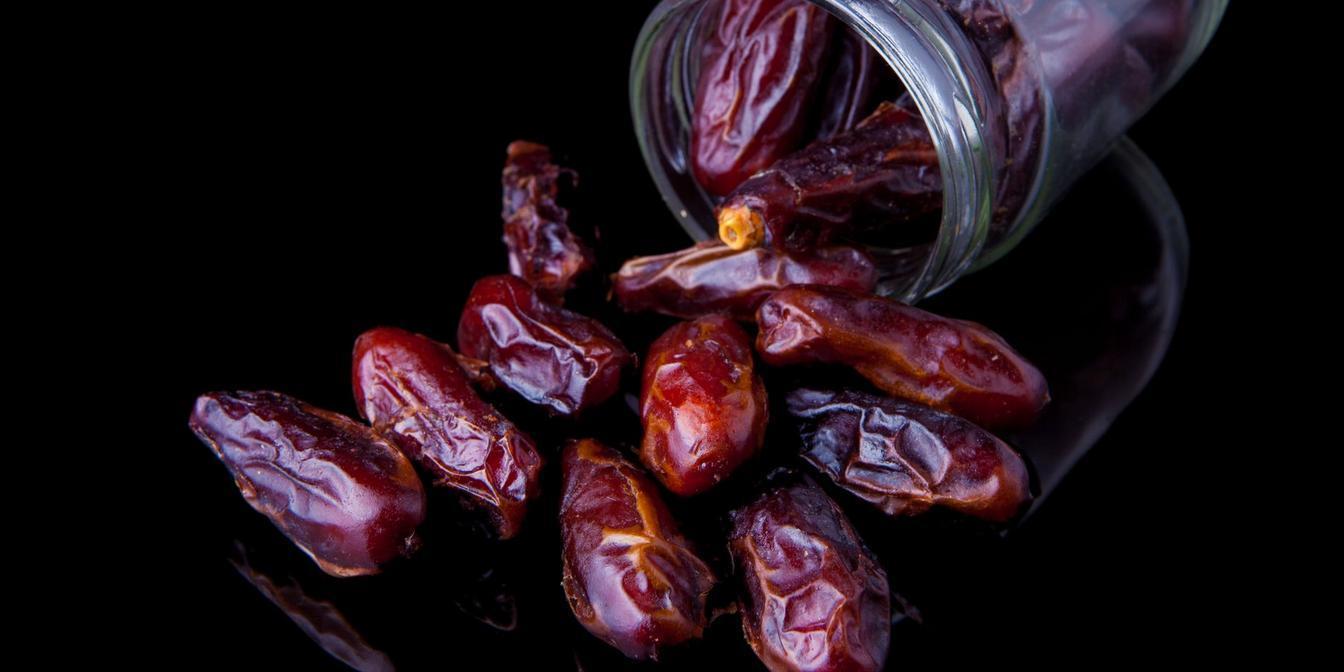
The two principal daily portions were:
- 50 grams: commonly described in the trials as approximately four to six or five to six prunes, depending on fruit size.
- 100 grams: approximately ten to twelve prunes in the largest trial.
There is no officially established prune dose for osteoporosis prevention or treatment. The evidence supports studying a portion by weight, not assuming that a fixed number of fruits always supplies 50 grams. A small kitchen scale is the most accurate way to reproduce the research portion.
Of the two studied amounts, 50 grams has the stronger practical case. It produced the clearest hip result in the largest trial and had better participant retention. In that study, four of 79 participants in the 50-gram group and 12 of 78 in the 100-gram group discontinued because of intolerance. The 2026 review likewise found more reported intolerance at 100 grams in several studies. (pmc.ncbi.nlm.nih.gov)
Readers wanting a conventional format for measuring portions may find plain pitted prunes for snacking or cooking convenient. This product was not the product tested in the clinical trials, so it should not be presented as clinically equivalent to the research intervention.
A Practical Way to Introduce a Studied Portion
If 50 grams is substantially more dried fruit than you normally eat, consider working towards it gradually rather than beginning with 100 grams. The original 12-month trial included a run-in period that increased the amount step by step. You can also divide the portion between breakfast and a later snack.
Consistency matters when comparing everyday use with the research. Trials provided the prunes daily for at least six months, with the largest study continuing for twelve months. Eating a few prunes occasionally has not been studied as an equivalent intervention.
Are All Dried Plums Equivalent to the Prunes Used in Studies?
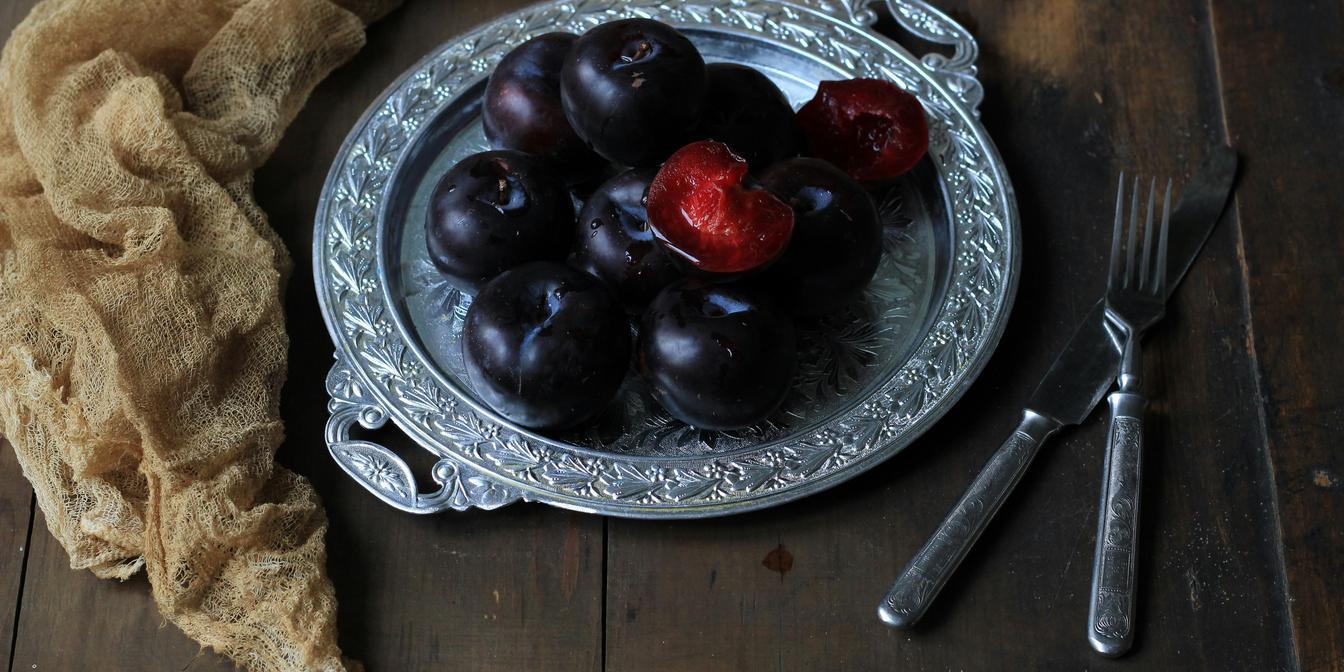
No. Prunes are dried plums, but dried-plum products can differ in cultivar, size, moisture, whether they contain a stone and how they are intended to be used. The largest trial used California prunes of the Improved French variety. A product merely labelled dried plum cannot automatically be assumed to match the studied fruit or portion. (californiaprunes.org)
The terms aloo and Aloo Bukhara are also used on Persian and regional dried-plum products. For example, Iranian dried plums known as Aloo Bukhara can be enjoyed as dried fruit or used in cooking. That shared dried-plum identity does not prove that a particular aloo product has the same cultivar, composition or research effect as the conventional prunes used in clinical trials.
For the closest practical interpretation of the evidence, choose a plain dried-plum product, remove or account for any stones, and measure the edible portion by weight. Do not infer that every plum snack or culinary dried plum is interchangeable solely because the names overlap.
Prunes Are One Part of a Complete Bone-Health Plan
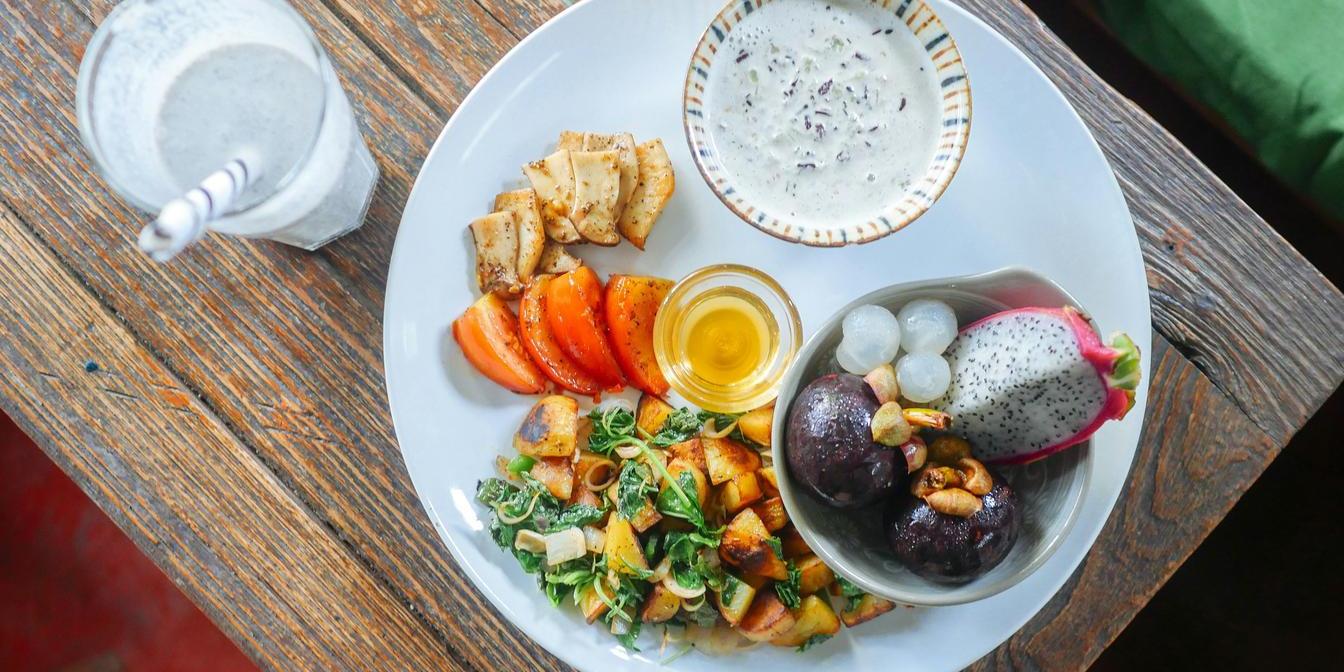
A single food cannot address every contributor to postmenopausal bone loss and fragility fractures. A more complete plan includes:
- Enough calcium and vitamin D: Calcium provides structural material for bone, while vitamin D supports calcium absorption. Individual supplement needs should be discussed with a clinician because more is not automatically better and requirements can depend on diet, health and medicines. (ods.od.nih.gov)
- A balanced eating pattern: Include suitable sources of protein, calcium-rich foods or fortified alternatives, vegetables, fruits, legumes, nuts and other nutrient-dense foods. Prunes can occupy one part of the fruit component.
- Weight-bearing activity: Walking, stair climbing and dancing place useful loading forces on the skeleton.
- Resistance training: Weights, resistance bands or appropriately selected body-weight movements support muscles and bones. Muscle strength also helps with mobility and fall prevention.
- Balance work: Balance training becomes increasingly important because preventing a fall can be as consequential as preserving bone density.
- Clinical risk assessment: A DXA result should be interpreted alongside age, fracture history, medicines and other risks rather than treated as a complete assessment by itself.
U.S. guidance recommends osteoporosis screening for women aged 65 and older. Postmenopausal women younger than 65 should be assessed for risk factors and screened when a clinical risk tool indicates increased fracture risk. (uspreventiveservicestaskforce.org)
If you already have osteoporosis, a fragility fracture or substantial bone loss, prunes should not delay medical evaluation. Approved osteoporosis medicines can preserve or build bone and reduce specific fracture risks in appropriately selected patients. Food remains supportive care, not a replacement for treatment. (niams.nih.gov)
Exercise should also be matched to the individual. People with osteoporosis, previous vertebral fractures, pain, poor balance or other physical limitations should seek guidance before starting high-impact or unfamiliar exercises. Weight-bearing, resistance and balance exercises can be adapted to ability and fracture risk. (niams.nih.gov)
Practical Ways to Eat Prunes Regularly
If you decide to include prunes, choose a routine that makes the portion easy to remember:
- Chop them into porridge, oats or unsweetened cereal.
- Add them to plain yogurt with nuts or seeds.
- Divide a measured portion between two snacks.
- Use chopped prunes in bean, grain or savoury dishes where their sweetness complements spices.
- Soften them in water before blending into a fruit puree for cooking.
Measure the portion before adding it to a dish so that the amount does not become difficult to estimate. It is also sensible to account for prunes within your overall eating pattern rather than treating them as a supplement that must be added on top of everything else.
The Bottom Line
The research on prunes for bone health after menopause is promising but not definitive. A daily 50-gram portion has the best balance of evidence and tolerability, particularly after a 12-month trial found better preservation of total hip BMD than in a no-prune control group. Other findings involving the lumbar spine, total-body density, bone-turnover markers and tibial strength are less consistent or come from small and overlapping study populations.
Prunes can reasonably be included as a whole-food component of bone-conscious eating, but they cannot reverse osteoporosis or guarantee fracture prevention. The priorities remain appropriate screening, treatment when indicated, adequate nutrition, weight-bearing and resistance exercise, balance training and fall-risk reduction.
Frequently Asked Questions
How many prunes should a postmenopausal woman eat for bone health?
Trials generally tested 50 or 100 grams per day. Fifty grams—often about four to six prunes, depending on size—had the clearest hip-density result and better retention, but it is a studied portion rather than an official treatment recommendation. (pubmed.ncbi.nlm.nih.gov)
Can prunes reverse osteoporosis?
No. Prunes have not been proved to reverse osteoporosis or prevent fractures. They may help preserve selected bone measurements, but diagnosed osteoporosis requires clinical assessment and may require medication. (pubmed.ncbi.nlm.nih.gov)
How long does it take for prunes to affect bone density?
Clinical trials measured outcomes after six to twelve months of daily intake. There is no good evidence that occasional use or a few weeks of eating prunes changes bone density. (pubmed.ncbi.nlm.nih.gov)
Are 50 grams of prunes better tolerated than 100 grams?
In the largest trial, the 50-gram group had substantially better retention, while the 100-gram group had more withdrawals and more discontinuations attributed to intolerance. This makes 50 grams the more practical studied portion for many people. (pubmed.ncbi.nlm.nih.gov)
Are dried plums, prunes, aloo and Aloo Bukhara the same food?
Prunes are dried plums, and aloo or Aloo Bukhara may also label dried-plum products. However, the terms do not guarantee the same cultivar, preparation or composition as the conventional prunes used in bone-health trials, so products should not automatically be treated as research-equivalent.