Are pistachios good for you? For most people who are not allergic to them, the answer is yes. Plain pistachios are nutrient-dense, providing plant protein, fibre, predominantly unsaturated fats and several vitamins, minerals and plant compounds. They can be a satisfying snack or a useful ingredient in meals, but they are also energy-dense, so portion size and preparation matter.
The healthiest approach is usually to choose raw or dry-roasted pistachios without much added salt, measure a small handful and consider what they are replacing. A portion of pistachios used instead of sweets, crisps or foods high in saturated fat is different from simply adding a large bowl of nuts to an already energy-rich diet.
Are pistachios good for you? The short answer
Pistachios can form part of a balanced diet because they combine nutrients that are not always found together in snack foods: protein, fibre, unsaturated fat, potassium, phosphorus, copper, thiamin and vitamin B6. They also contain carotenoids and polyphenols. Clinical research has linked pistachio-containing diets with modest improvements in some cardiovascular and metabolic markers, although results vary and pistachios should not be treated as a medicine or a shortcut to good health. [https://pubmed.ncbi.nlm.nih.gov/32951758/]
Context remains important. Salted varieties can contribute more sodium, sweet coatings change the nutritional picture, and eating directly from a large bag makes it easy to lose track of portions. Anyone with a pistachio or relevant tree nut allergy must avoid them according to professional medical advice.
What are pistachios?
Pistachios are the edible kernels of Pistacia vera, a tree native from north-eastern Iran through parts of Central Asia and Afghanistan. Botanically, the kernel is a seed within the fruit, although in cooking and everyday nutrition it is grouped with tree nuts. [https://powo.science.kew.org/taxon/urn%3Alsid%3Aipni.org%3Anames%3A70280-1]
Pistachios have a particularly strong connection with Persian and wider Middle Eastern food traditions. They may be eaten with tea and dried fruit, included in ajil-style nut mixtures, scattered over rice, or used in confectionery and pastries. Nuts including pistachios are also characteristic ingredients in Persian rice dishes, sweets and savoury cooking. [https://www.iranicaonline.org/articles/cooking/] If you are exploring the wider culinary context, this guide to essential Persian cooking ingredients explains how nuts sit alongside staples such as rice, saffron, dried fruit and herbs.
Pistachio nutrition at a glance
The following table shows approximate nutrition for 28g of raw, unsalted, edible pistachio kernels. It is calculated from the USDA FoodData Central SR Legacy entry, which includes a broad vitamin and fatty-acid panel. Newer laboratory datasets and individual product labels may report somewhat different figures, especially for fibre, so use the packaging when you need information for a specific product. [https://getfoodfacts.com/food/nuts-pistachio-nuts-raw-2515379]
| Nutrient | Approximate amount per 28g |
|---|---|
| Energy | 157 kcal |
| Protein | 5.6g |
| Carbohydrate | 7.6g |
| Fibre | 3.0g |
| Total fat | 12.7g |
| Saturated fat | 1.7g |
| Vitamin B6 | 0.48mg |
| Thiamin | 0.24mg |
| Copper | 0.36mg |
| Phosphorus | 137mg |
| Potassium | 287mg |
These numbers explain both the benefits and the need for portion awareness. Pistachios provide meaningful nutrition in a small volume, but around 157 calories can become more than 300 when a serving quietly doubles.
Protein, fibre and healthy fats
A 28g serving provides roughly 5.6g of pistachio protein and about 3g of fibre in the SR Legacy data. Most of the fat is unsaturated rather than saturated. That combination can make pistachios more substantial than a snack based mainly on refined starch or sugar. [https://thebraindiet.org/docs/foods/pistachios/]
Protein and fibre contribute to fullness, while fat slows the pace at which a snack is eaten and digested. This does not make calories irrelevant, but it helps explain why a measured portion of nuts may feel more satisfying than its small size suggests. Pairing pistachios with fruit or plain yoghurt can also create a more rounded snack.
Vitamins, minerals and antioxidants
Pistachios contribute vitamin B6 and thiamin, as well as copper, phosphorus and potassium. These nutrients have many roles throughout the body, but it is better to think of pistachios as one contributor to overall nutrient intake rather than a solution to a deficiency.
The green, yellow and purple tones in pistachio kernels and skins reflect plant compounds including carotenoids, phenolic acids, flavonoids and anthocyanins. Laboratory studies confirm that raw and roasted pistachios contain a range of these phytochemicals. However, the presence of antioxidants in a food does not mean that eating it prevents a particular disease. [https://pubmed.ncbi.nlm.nih.gov/35009022/]
What does a serving of pistachios look like?
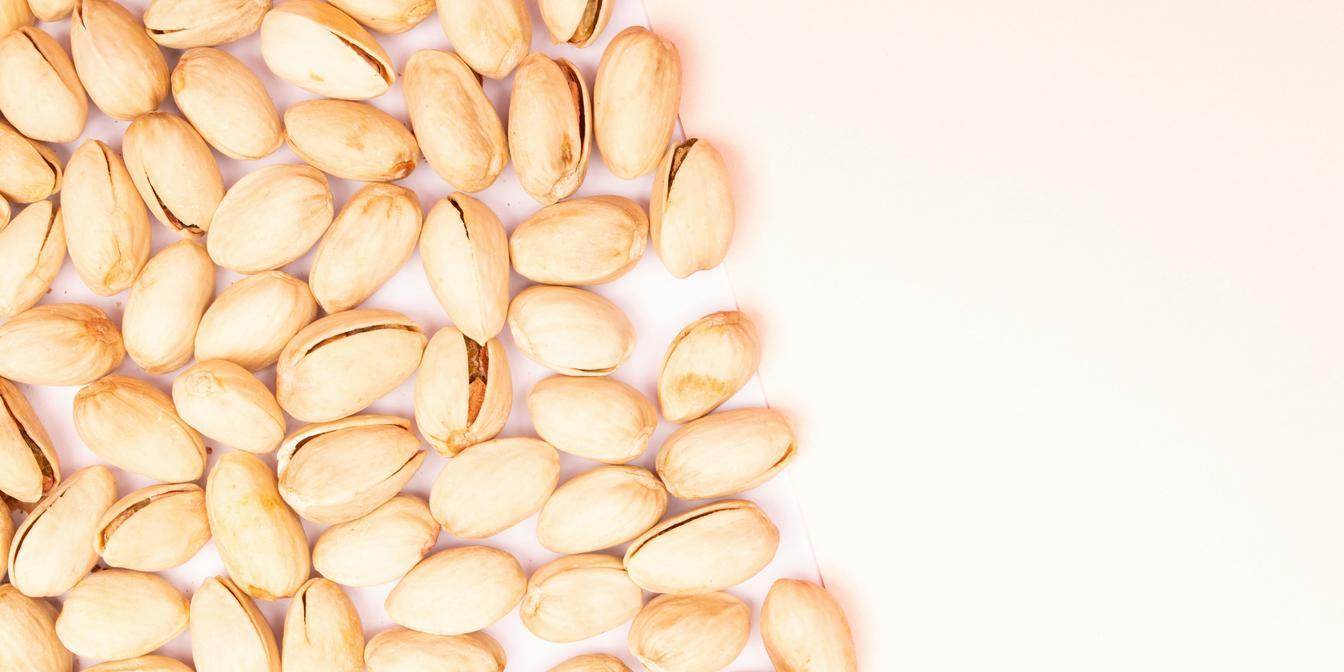
A practical pistachio serving size is about 28–30g of edible kernels, or a small handful. NHS materials also commonly use approximately 30g as an average nut portion. [https://www.guysandstthomas.nhs.uk/health-information/home-introduction-nuts-adults] Kernel size varies, so weighing a portion is more reliable than counting individual nuts.
Be careful when comparing shelled and in-shell pistachios. Nutrition values normally refer to the edible kernel, not the discarded shell. Thirty grams of pistachios still in their shells therefore contains less edible food than 30g of kernels. Check whether a product’s stated serving refers to the whole in-shell product or the edible portion.
Potential health benefits of pistachios
Pistachio health benefits are best understood as part of a wider eating pattern. Some findings come from controlled trials lasting weeks or months, while others reflect established principles such as replacing saturated fat with unsaturated fat. These studies can show changes in risk markers, but they do not prove that pistachios alone prevent or treat disease.
May support heart health
Pistachios are relatively low in saturated fat and rich in unsaturated fats. When they replace foods higher in saturated fat, they can help shift the overall fat balance of a diet in a heart-friendly direction. The UK Eatwell Guide similarly recommends choosing unsaturated fats and using them in modest amounts. [https://assets.publishing.service.gov.uk/government/uploads/system/uploads/attachment_data/file/742750/Eatwell_Guide_booklet_2018v4.pdf]
Meta-analyses of controlled trials have reported modest average improvements in selected blood-lipid ratios and systolic blood pressure among people eating pistachio-enriched diets. Not every marker improved in every analysis, and studies differed in dose, duration and participant health. It is therefore more accurate to say that pistachios may support a heart-healthy pattern than to claim they lower cholesterol or blood pressure for everyone. [https://pubmed.ncbi.nlm.nih.gov/32951758/]
May help with fullness and weight management
Pistachios do not independently cause weight loss. Nevertheless, their protein, fibre and fat can make a controlled serving satisfying, especially when it replaces a less filling snack. In one 12-week trial, women who added a daily pistachio snack reported increased satiety without an increase in body weight, although the study was small and its findings should not be generalised to everyone. [https://pubmed.ncbi.nlm.nih.gov/31604062/]
In-shell pistachios introduce an extra pause because each nut must be opened. The empty shells can also provide a visible reminder of how much has been eaten. One behavioural study found lower intake when discarded shells remained visible, but this is a portion-awareness technique rather than a guaranteed weight-management effect. [https://pubmed.ncbi.nlm.nih.gov/21704666/]
May support steadier blood sugar responses
Pistachios contain relatively little available carbohydrate compared with many biscuit or confectionery snacks. Their fat, protein and fibre may also change the overall response when they are eaten with carbohydrate-rich foods.
In a controlled meal study, adding pistachios to foods such as white bread reduced the meal’s relative post-meal glucose response. Meta-analyses have also found small improvements in some glycaemic markers, although results are variable and do not make pistachios a treatment for diabetes. [https://pubmed.ncbi.nlm.nih.gov/21364607/] People managing diabetes should fit portions into their individual meal plan and follow advice from their clinical team.
May contribute to digestive and gut health
Pistachio fibre contributes to total daily fibre intake, which supports normal digestive function as part of a varied diet. Nuts also deliver plant compounds and other components that reach the large intestine.
Small human feeding studies have found changes in gut microbial composition after pistachio consumption, including a recent trial in adults with prediabetes. This is an emerging research area: a change in particular bacteria does not automatically translate into a proven health outcome. [https://pubmed.ncbi.nlm.nih.gov/24642201/] If you do not normally eat nuts or other fibre-rich foods, increase the amount gradually because a large portion may cause bloating or discomfort.
Provide plant protein for meals and snacks
With approximately 5.6g of protein per 28g serving, pistachios can make a useful contribution to plant-forward meals. They work especially well as a topping because a small amount adds texture alongside protein, fibre and fat.
That said, pistachios are not a complete meal or a sole protein strategy. Combine them with a varied selection of beans, lentils, whole grains, seeds, dairy foods, eggs, fish or other suitable protein sources according to your dietary preferences.
How many pistachios should you eat a day?
For many adults, about 28–30g of kernels is a sensible everyday portion. That is approximately one small handful. It is not a compulsory daily target, and the appropriate amount depends on your appetite, energy needs, other foods and professional dietary advice.
If you are asking how many pistachios a day by count, there is no dependable universal number because kernels vary in size. Weighing 30g a few times can teach you what your usual handful looks like. For in-shell pistachios, measure the edible kernels if you need an accurate nutrition calculation.
Portioning the nuts into a bowl is more useful than eating from a large packet. If you want a larger-looking snack, combine the measured pistachios with fresh fruit, chopped vegetables or plain yoghurt rather than repeatedly refilling the nut bowl.
Are raw, roasted or salted pistachios healthier?
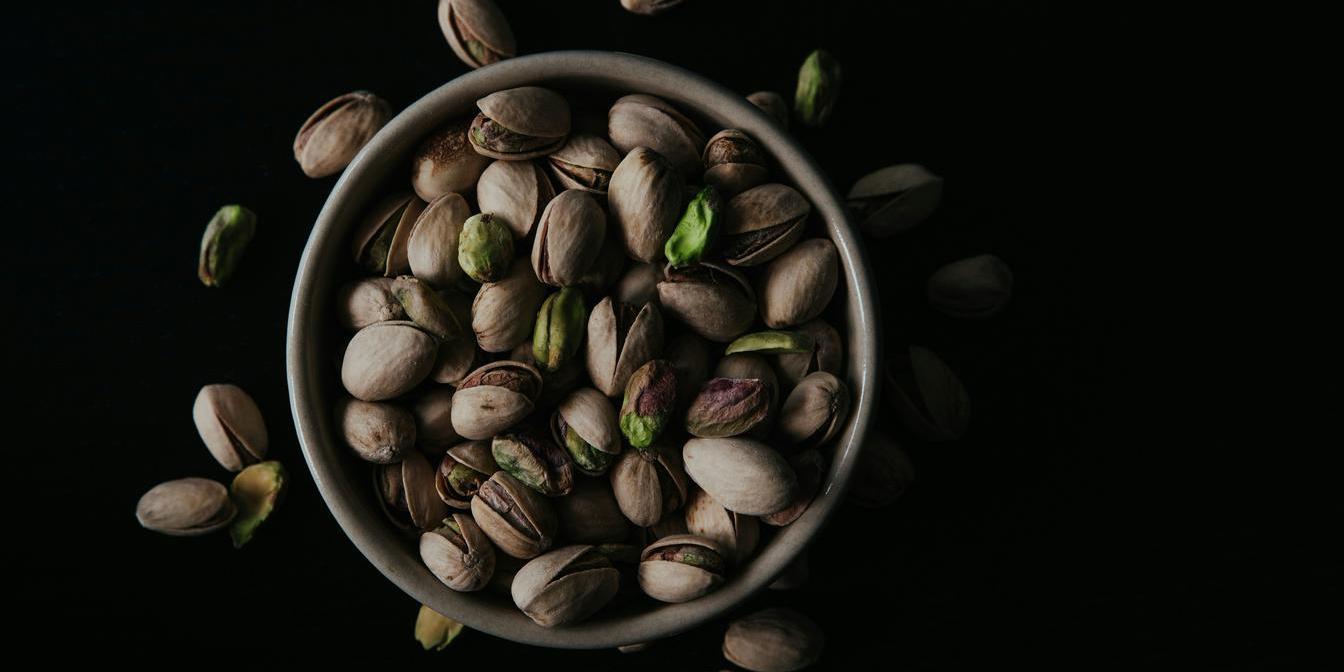
Raw and roasted pistachios can both be nutritious. Roasting changes flavour, texture and some plant compounds, but it does not turn pistachios into an empty-calorie food. A study comparing raw and roasted pistachios found both contained phenolics and antioxidant activity, although individual compounds differed: raw samples contained more carotenoids, while roasted samples contained more vitamin E in that particular analysis. Results can change with variety, temperature and roasting time. [https://pubmed.ncbi.nlm.nih.gov/35893856/]
If you prefer an unroasted option for snacking or recipes, jumbo raw pistachios offer a simple format that can also be used in baking and savoury dishes. Unsalted dry-roasted pistachios are another practical choice when you prefer a toastier flavour.
Salted pistachios retain the protein, fibre and unsaturated fats naturally present in the kernels, but the added salt raises their sodium content. The amount varies considerably, so compare nutrition labels rather than assuming all salted products are alike. A product such as Special Salted Pistachios can be treated as a savoury option, with the portion and the rest of the day’s salt intake kept in mind.
Flavoured pistachios require an additional check. Sugar, oils and seasonings can alter the nutritional profile. Plain raw or dry-roasted, unsalted pistachios make the simplest everyday default, but enjoying a measured salted serving occasionally does not cancel the underlying nutritional value of the nuts.
Possible downsides of eating pistachios
Pistachio and tree nut allergy
Pistachios are tree nuts for food-allergy purposes and can cause serious allergic reactions. The NHS lists pistachios among common tree-nut allergens, and research shows a particularly close allergenic relationship between pistachio and cashew. [https://www.nhs.uk/conditions/food-allergy/]
If you have a diagnosed pistachio allergy, avoid pistachios and follow the plan provided by your allergy specialist. If you have a cashew or other tree nut allergy but are unsure about pistachios, do not test them at home without clinical advice. Seek urgent medical help for signs of a severe reaction, such as breathing difficulty or swelling of the mouth or throat.
Calories and unplanned portions
Pistachio calories are not a reason to avoid them, but they are a reason to use a portion. A 28g serving contains about 157 calories; 100g provides more than three times that amount. A large sharing bowl can therefore contribute substantial energy before it feels like a meal.
Pre-portioning is especially useful with shelled kernels because there is no shelling process to slow you down. Use a scale initially, then transfer the portion to a small bowl and put the packet away.
Salt, coatings and the overall snack
Salted pistachios may not be the best default for someone who has been advised to restrict sodium. Sweetened, chocolate-coated or heavily seasoned versions should also be assessed as complete products rather than assumed to have the same profile as plain nuts.
The same principle applies to desserts. Pistachios are traditional in many pastries, including varieties discussed in this guide to choosing baklava online, but adding pistachios does not make a sweet pastry nutritionally equivalent to a handful of plain nuts.
Digestive discomfort
A sudden large serving of pistachios may cause fullness, wind or bloating in some people, particularly if their usual diet is low in fibre. Begin with a smaller portion, eat slowly and pay attention to your individual tolerance. Persistent digestive symptoms warrant advice from a qualified healthcare professional.
Healthy ways to eat more pistachios
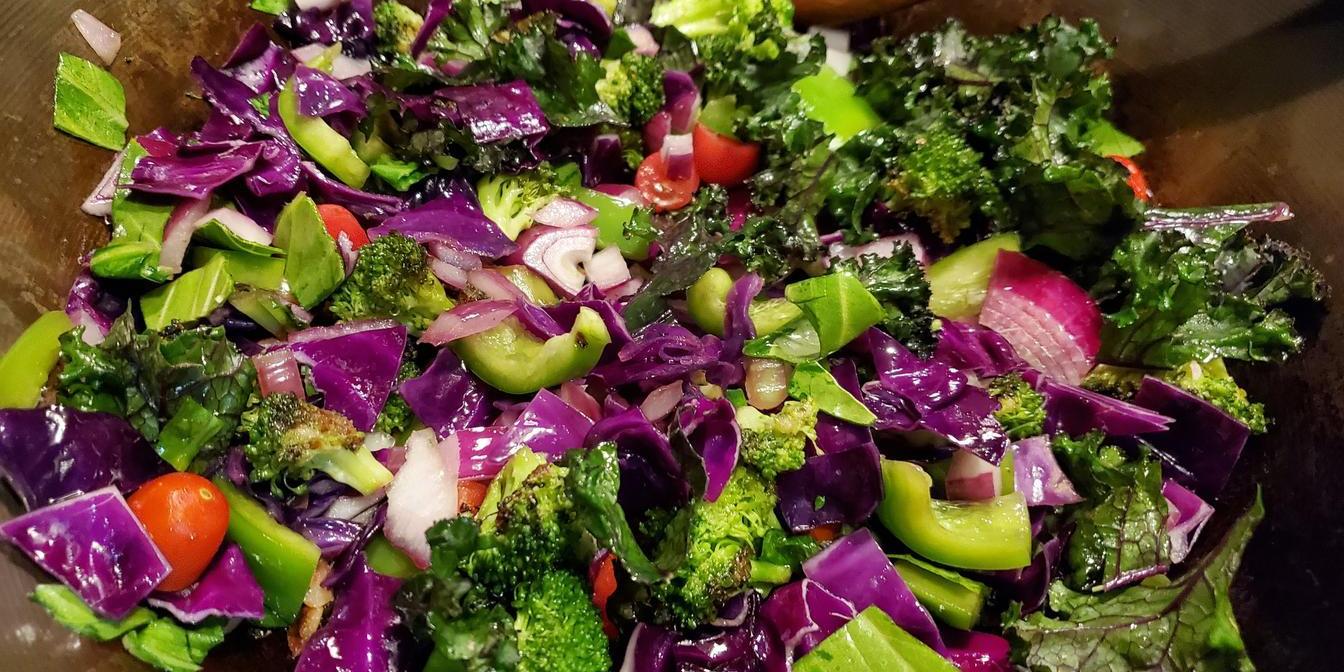
The healthiest uses generally treat pistachios as one component of a meal rather than the whole meal. Their flavour and crunch mean a modest amount can have a noticeable effect.
- Build a balanced snack: pair a small handful with fresh fruit or plain yoghurt.
- Top porridge: add chopped pistachios with berries, pear or apple instead of relying on a sugary crunchy topping.
- Finish salads: scatter them over vegetables, grains, pulses and herbs.
- Add texture to rice: use chopped kernels as a garnish rather than increasing the amount of oil or butter.
- Coat fish or vegetables: combine finely chopped pistachios with herbs and breadcrumbs.
- Blend into sauces: process a measured amount with herbs, lemon and other suitable ingredients.
- Serve in a snack platter: combine pistachios with other nuts, dried fruit and tea, while portioning the energy-dense ingredients.
For cooking, raw, unsalted pistachio kernels remove the need for shelling and can be measured directly for salads, rice dishes, baking and everyday recipes. Their convenience makes pre-measuring especially worthwhile.
Pistachios also fit naturally into a wider cupboard of grains, pulses, spices and dried fruit. A practical guide to Middle Eastern pantry essentials can help you build meals around complementary staples rather than treating nuts only as a snack.
For a more traditional sharing format, pistachios may appear in ajil alongside other nuts, seeds and dried fruit. The guide to Persian sweet, sour and savoury snacks offers more context for these combinations. Remember that mixed nuts and dried fruit are easy to graze on, so serve a defined amount instead of leaving a large bag open.
The bottom line
Pistachios are healthy for most people when eaten in an appropriate portion and as part of a varied diet. They provide plant protein, fibre, predominantly unsaturated fats and a useful range of micronutrients and phytochemicals. Evidence suggests they may support heart-health markers, fullness and post-meal blood sugar responses, but they do not prevent disease or produce weight loss on their own.
Aim for about 28–30g of edible kernels, choose plain or unsalted varieties most often, and use pistachios to replace rather than simply add to less nutritious snacks. Avoid them if you have a relevant allergy, and seek individual advice when a medical condition requires a specialised diet.
Frequently Asked Questions
How many pistachios should you eat in a day?
About 28–30g of edible kernels, or one small handful, is a practical portion for many adults. Your ideal amount may differ with your energy needs and individual dietary advice. [https://www.guysandstthomas.nhs.uk/health-information/home-introduction-nuts-adults]
Are pistachios good for weight loss?
Pistachios do not cause weight loss, but a measured serving may support fullness and can replace a less satisfying snack. Because they are energy-dense, portions still matter. [https://pubmed.ncbi.nlm.nih.gov/31604062/]
Are pistachios high in protein?
A 28g portion of raw pistachios provides approximately 5.6g of plant protein. That is useful for a snack or topping, but pistachios should be combined with varied protein sources across the diet. [https://thebraindiet.org/docs/foods/pistachios/]
Are salted pistachios good for you?
Salted pistachios retain the kernels’ protein, fibre and unsaturated fats, but added salt increases sodium. Compare labels, control the portion and choose unsalted varieties more often if you need to limit salt.
Are roasted pistachios as healthy as raw pistachios?
Both can be nutritious. Roasting changes some phytochemicals, but roasted pistachios still provide protein, fibre and unsaturated fat. Plain, unsalted dry-roasted pistachios are a sensible alternative when you prefer their flavour. [https://pubmed.ncbi.nlm.nih.gov/35893856/]