


















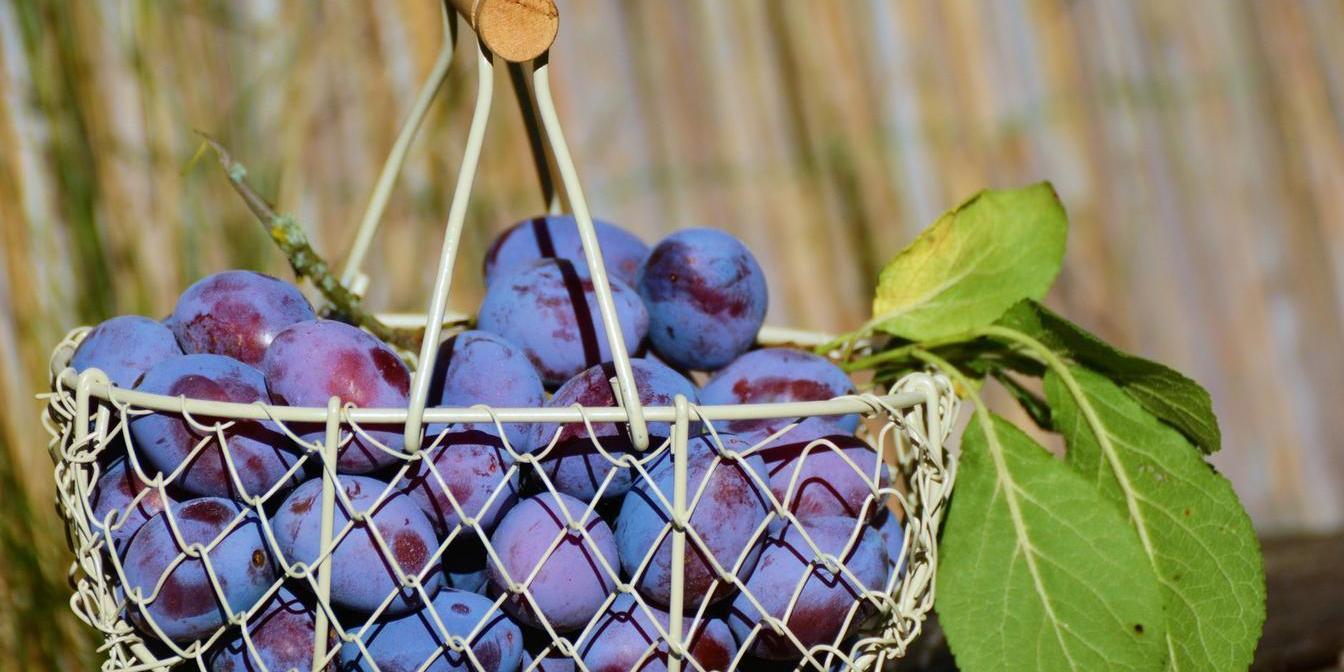
Dried plums have a confusing reputation. They taste sweet and contain concentrated carbohydrate, yet conventional prunes are often described as a low-glycemic-index fruit. Both statements can be true. The effect on blood sugar depends less on whether the food is labeled healthy and more on the specific product, the amount eaten, the rest of the meal, and the person eating it.
This guide examines dried plums and blood sugar without treating one GI number as a guarantee. It also explains how conventional prunes differ from Persian aloo, why total carbohydrate matters more than total sugar alone, and how to make a portion fit an individual diabetes meal plan.
The Short Answer: Are Dried Plums Good for Blood Sugar?
Plain dried plums can fit into a blood-sugar-conscious diet, including for many people with diabetes, but they are not a food that lowers blood sugar. Drying removes much of a plum’s water, leaving its carbohydrate in a compact, easy-to-eat form. A small handful can therefore provide substantially more carbohydrate than its size suggests.
At the same time, whole dried plums retain food structure and provide fiber, while prunes naturally contain sorbitol. These features may help explain why tested prunes have sometimes produced a lower or slower glucose response than refined carbohydrate foods containing a comparable amount of carbohydrate. They do not, however, cancel the carbohydrate or make portions unlimited. [https://pubmed.ncbi.nlm.nih.gov/24090144/]
For someone asking whether prunes are good for diabetes, the most useful answer is practical: choose an appropriate product, read its label, measure the portion, count its total carbohydrate when needed, and notice the personal blood glucose response. The American Diabetes Association includes dried fruit among fruit choices but emphasizes that dried-fruit portions are small and must be included in the meal’s carbohydrate total. [https://diabetes.org/food-nutrition/reading-food-labels/fruit]
Dried Plums, Prunes, and Aloo Bukhara: Are They the Same?
Prunes are dried plums, but not every package described as dried plum will be identical to a conventional soft, pitted prune. Plum variety, moisture, size, processing, added ingredients, and whether the stone remains in the fruit can all change the edible serving weight and nutrition label.
The names can also reflect culinary context. A package labeled prunes commonly contains soft dried plums intended for direct eating or cooking. For example, pitted prunes with the stones removed represent one familiar format. Persian products may instead be labeled aloo or Aloo Bukhara and may be used as snacks or as ingredients in Iranian and Middle Eastern dishes.
Plain Prunes, Persian Aloo, and Prune Juice
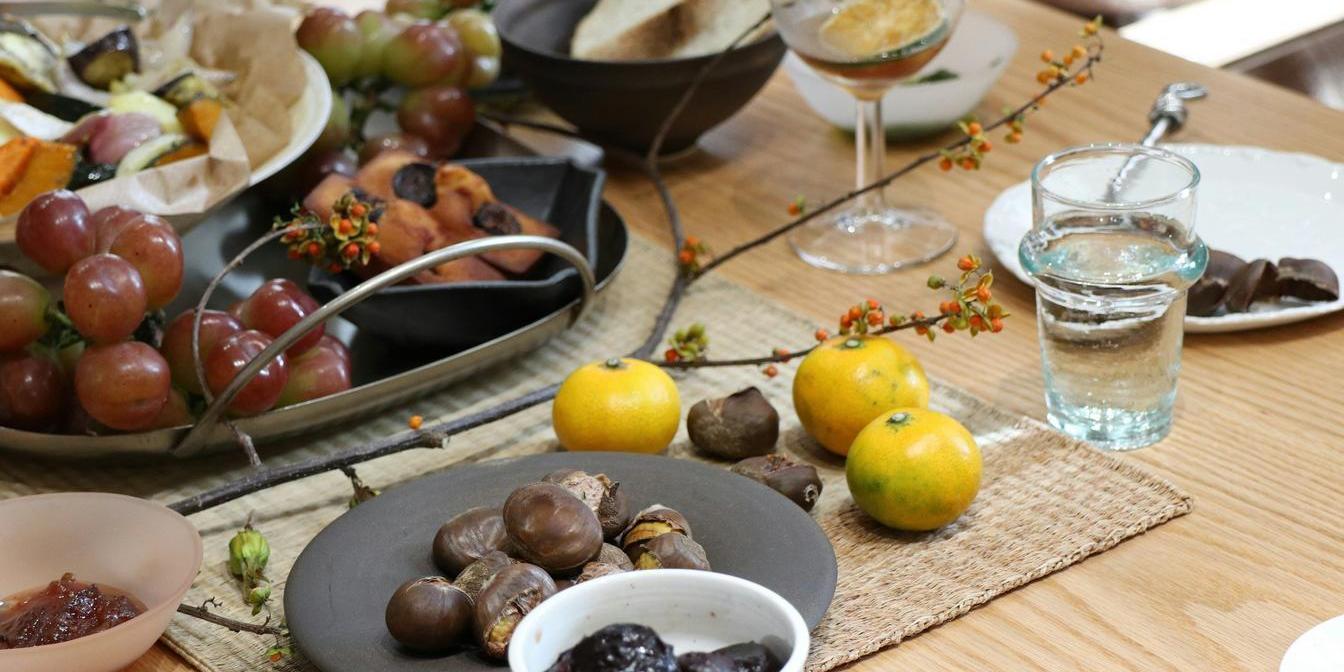
Do not assume that a standard nutrition entry for conventional pitted prunes applies exactly to every Persian dried plum. Some aloo products are smaller, drier, tarter, or sold with stones, so the number of pieces is a poor basis for comparison. A product such as Iranian dried plums labeled Aloo Bukhara illustrates why shoppers should identify the specific format before using a generic prune serving estimate.
Snack products create another distinction. A 30g dried-plum snack pouch provides a clearly stated package weight, but that weight does not reveal its carbohydrate content or whether the bag represents one label serving. The Nutrition Facts panel and ingredient list remain necessary.
Prune juice should be treated as a separate food. It lacks the intact structure of whole dried fruit and is easy to consume quickly. Published GI databases also list prune juice independently from pitted prunes. People managing diabetes are generally encouraged to favor whole fruit over juice and to count juice as a carbohydrate-containing drink. [https://glycemicindex.com/gi-search/]
How Dried Plums Can Affect Blood Sugar
A person’s postprandial blood sugar—the reading after eating—is shaped by competing factors. Dried plums supply sugars and other carbohydrate that can raise glucose, while their fiber, sorbitol, and intact food structure may slow or modify the response. Portion size usually determines which side of that balance matters most.
Natural Sugar Still Counts as Carbohydrate
The sugar in plain dried fruit occurs naturally, but natural does not mean glucose-neutral. During digestion, carbohydrate from fruit contributes to the glucose entering the bloodstream. For carbohydrate counting, the relevant line on a US Nutrition Facts label is Total Carbohydrate, not Total Sugars alone. Total carbohydrate encompasses sugars, starches, and fiber as defined on the label. [https://diabetesjournals.org/clinical/article-pdf/41/2/306/725867/diaclincd23pe02.pdf]
This distinction prevents two common errors. First, a product can have zero grams of added sugar and still contain a meaningful amount of total carbohydrate from the fruit itself. Second, comparing products only by their sugar values can miss differences in serving size, fiber, sugar alcohols, and total carbohydrate.
Added sugar is still worth checking. Under FDA labeling guidance, the sugars naturally present in unsweetened dried fruit are not declared as added sugars, but sugar added during processing must be declared accordingly. Therefore, zero added sugar describes the source of the sweetness; it does not mean zero sugar or zero carbohydrate. [https://www.fda.gov/media/117402/download?attachment=]
How Fibre and Sorbitol May Slow the Response
Fiber can slow digestion and alter how quickly carbohydrate becomes available. Prunes also contain sorbitol, a naturally occurring sugar alcohol that is metabolized differently from glucose. Along with the fruit’s physical structure, these components are plausible reasons that tested prunes have sometimes produced a relatively modest glycemic response.
The key word is may. Fiber and sorbitol do not erase the total carbohydrate, and they cannot guarantee a flat glucose trace. Current diabetes guidance emphasizes that carbohydrate amount is a major predictor of post-meal glucose, while food type, processing, fat, protein, medication, activity, and individual physiology can modify the result. [https://diabetesjournals.org/care/article/27/9/2266/22648/Dietary-Carbohydrate-Amount-and-Type-in-the]
People who use detailed insulin-to-carbohydrate calculations or account for fiber and sugar alcohols should follow the method provided by their diabetes care team. Automatically subtracting every gram of fiber or sorbitol can underestimate the effective carbohydrate for some people and products. [https://diabetesjournals.org/care/article-pdf/37/Supplement_1/S120/485978/s120.pdf]
Why Drying Changes the Portion
A fresh plum contains a large amount of water and takes up more space. Once much of that water is removed, the dried fruit becomes lighter, smaller, and easier to eat in multiples. The carbohydrate has not disappeared; it has become concentrated into a smaller volume.
This is why comparing one fresh plum with one prune can be misleading. The fruits may differ in variety and size, and a stone-in product includes inedible weight. Comparing the edible amount by grams—and then checking the carbohydrate for that weight—is more reliable than counting pieces or estimating a handful.
Dried fruit can also be less filling by volume. The American Diabetes Association notes that dried-fruit portions are small and may not feel as substantial as fresh-fruit portions. Measuring the first few servings with a kitchen scale or measuring spoon can help turn an abstract label quantity into a recognizable portion. [https://diabetes.org/food-nutrition/reading-food-labels/fruit]
Glycemic Index Versus Glycemic Load
Glycemic index and glycemic load answer different questions. Glycemic index, or GI, compares how quickly a standardized amount of available carbohydrate from a food raises blood glucose relative to a reference food. It describes carbohydrate quality under test conditions, not the effect of every real-world serving.
Glycemic load, or GL, adds the amount of available carbohydrate in the portion:
Glycemic load = GI × grams of available carbohydrate in the serving ÷ 100A low-GI food can therefore have a larger glycemic effect when the portion supplies a large carbohydrate dose. Conversely, a modest serving may have a low GL even if the food’s GI is not especially low. GI can add context, but total carbohydrate and serving size remain central to diabetes meal planning. [https://diabetesjournals.org/care/article/30/suppl_1/S48/24062/Nutrition-Recommendations-and-Interventions-for]
Do Dried Plums Have a Low Glycemic Index?
The frequently quoted dried plum glycemic index is 29, which falls in the low-GI category. That value should not be presented as a universal property of every prune or dried-plum product. The University of Sydney database identifies the commonly cited result as unpublished observations involving 10 participants without diabetes. The same database lists another Californian pitted prune result of 40, also based on 10 participants. Both are low-GI values, but their difference demonstrates normal product and testing variability. [https://glycemicindex.com/gi-search/]
Neither number tells you the GI of every Aloo Bukhara variety, sweetened dried-plum snack, stone-in fruit, cooked plum dish, or juice. It also does not establish what will happen in a person with type 1 or type 2 diabetes, because the database tests involved small groups of people described as having normal glucose status.
Why Your Actual Serving Matters More Than a GI Number
Suppose a food has a GI of 29. A portion containing 15 grams of available carbohydrate would have an estimated GL of about 4.4. If the portion were increased to 45 grams of available carbohydrate, its estimated GL would triple to about 13. The GI has not changed, but the likely glucose impact has because the carbohydrate dose is three times larger.
Real life adds further variables. Eating dried plums alone may produce a different curve from eating the same portion with a meal containing protein, fat, and other fiber. Recent activity, starting glucose, sleep, medication timing, gastric emptying, and individual insulin response may also affect the reading. This is why a personal, repeatable portion is more useful than using a low-GI label as permission to eat freely. [https://professional.diabetes.org/sites/dpro/files/2026-06/guide-for-people-with-type_1-diabetes.pdf]
What Human Research Says About Dried Plums and Glucose Control
Research questions must be separated carefully. An acute study can show what happens to glucose or insulin for a few hours after a snack. A longer trial can assess fasting glucose, insulin resistance, or other markers after weeks or months. Evidence involving mixed dried fruit cannot prove a prune-specific effect, and results in healthy adults do not automatically apply to people with diabetes.
Short-Term Blood Sugar and Insulin Findings
One randomized trial compared dried plums with a macronutrient-matched refined carbohydrate snack in healthy adults with overweight. Post-meal glucose only tended to be lower with the dried plums and did not meet the study’s threshold for statistical significance, while post-meal insulin was lower. Fasting glucose and fasting insulin did not differ. This suggests that dried plums and refined snacks can produce different insulin responses, but it does not show that prunes lower blood sugar or treat diabetes. [https://pubmed.ncbi.nlm.nih.gov/30952505/]
Other short-term work has examined satiety or foods containing prunes, but such studies often involve small samples, healthy participants, mixed ingredients, or outcomes other than diabetes control. A favorable comparison with white bread, muffins, or another refined snack means the test food performed differently from that comparator—not that it caused no glucose rise.
Longer-Term Findings on Fasting Glucose and Insulin Resistance
The more direct longer-term evidence does not establish prunes as a glucose-lowering intervention. In a 2024 ancillary analysis of a 12-month randomized trial, 183 postmenopausal women completed control, 50g-per-day prune, or 100g-per-day prune groups. Neither prune dose improved the measured markers of glycemic control compared with the control group. The participants were not selected as a diabetes-treatment population, but the result argues against promising that daily prunes will lower fasting glucose or insulin resistance. [https://pubmed.ncbi.nlm.nih.gov/38490532/]
An eight-week dried-plum snack trial likewise found no differences in fasting glucose or insulin. In a separate four-week crossover trial, 55 adults with elevated cardiometabolic risk consumed a large daily portion of mixed dried plums, figs, dates, and raisins or a carbohydrate-matched control snack. The mixed dried fruit did not improve fasting insulin and produced a small increase in fasting glucose relative to the control. Because several fruits were combined, this cannot be assigned to prunes alone. [https://pubmed.ncbi.nlm.nih.gov/30952505/]
A broader meta-analysis of fruit trials in people with diabetes reported a reduction in fasting glucose overall but no significant improvement in HbA1c. It included fresh and dried fruits rather than establishing a specific dried-plum effect. Taken together, the evidence supports including fruit appropriately within the diet, not using dried plums as a substitute for prescribed diabetes treatment. [https://pubmed.ncbi.nlm.nih.gov/37214237/]
How to Read a Dried-Plum Nutrition Label
Use this order when comparing dried-plum products:
- Start with serving size by weight. Note the grams in one serving and the number of servings in the package. If you eat twice the stated weight, double all listed nutrition values.
- Find Total Carbohydrate. This is the primary figure for carbohydrate counting. Do not use Total Sugars as a substitute.
- Check Dietary Fiber and any sugar alcohol listing. These may influence digestion, but use the counting method recommended for your treatment plan rather than assuming they can all be subtracted.
- Review Added Sugars. Plain fruit may show zero added sugar while still containing natural sugar and total carbohydrate.
- Read the ingredient list. It reveals whether the package contains only dried plum or includes sweeteners, juice concentrates, coatings, or other ingredients.
- Account for stones. If the fruit is stone-in, the package weight and weighed portion may include an inedible part. Follow the label where possible and keep the method consistent.
Be especially careful when comparing a moist prune with a very dry aloo. Equal numbers of pieces may not provide equal edible weights. If precise carbohydrate counting matters, weigh the portion and calculate from the label rather than transferring a serving estimate from another brand or style.
What Is a Sensible Prune Serving Size?
There is no universal number of dried plums that is correct for every person with diabetes. Appropriate portions depend on the product’s label, the carbohydrate target for the meal or snack, medication, activity, glucose goals, and individual response.
As a general reference, the American Diabetes Association notes that only two tablespoons of some dried fruits can supply about 15 grams of carbohydrate. That is a dried-fruit planning example, not a prune-specific prescription. For dried plums, calculate the amount from the package in front of you. [https://diabetes.org/food-nutrition/reading-food-labels/fruit]
For example, imagine a label lists 24 grams of total carbohydrate per 40g serving. If a person’s meal plan calls for 15 grams of carbohydrate from the fruit, the calculated portion would be 25g: 40 × 15 ÷ 24. This is only a math example; it is not the nutrition information for any product linked in this article.
If you do not count carbohydrates, begin with the portion recommended by your dietitian or diabetes educator. Measuring it before eating is usually more dependable than repeatedly reaching into a large container.
Practical Ways to Eat Dried Plums
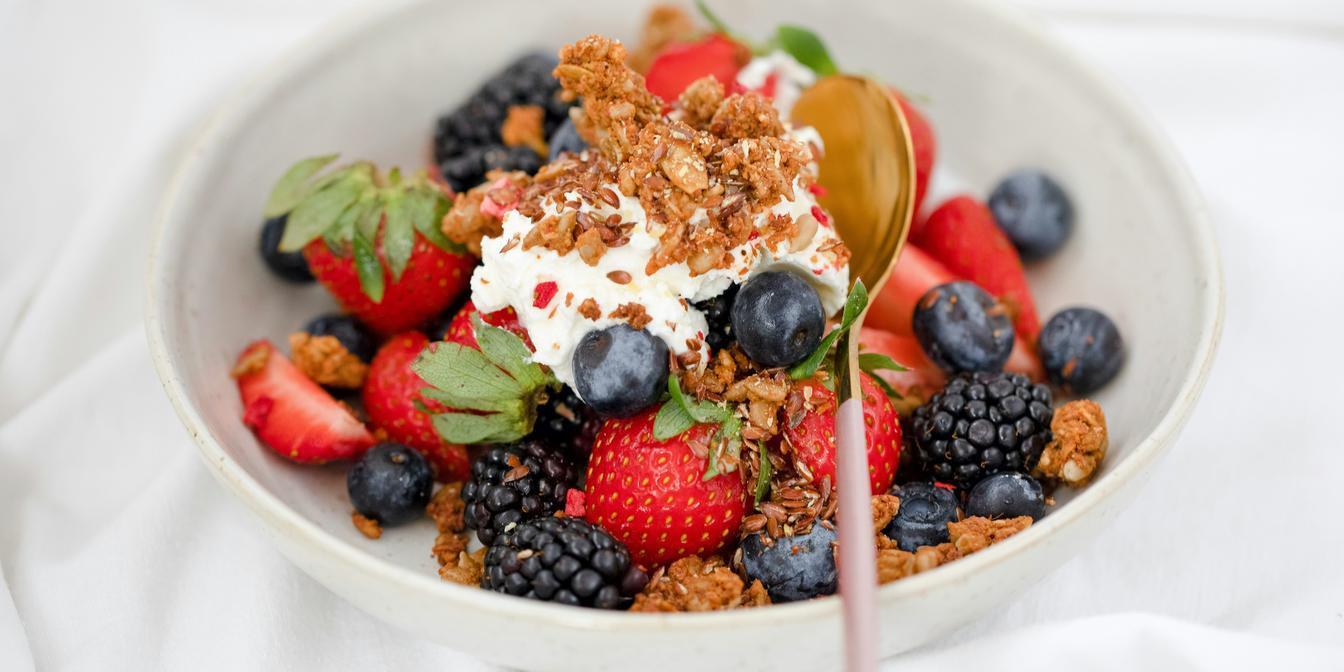
Dried plums do not have to be eaten alone or in a large handful. These strategies make the carbohydrate dose easier to see and plan:
- Pre-portion them. Weigh or count the planned amount and put the main package away before eating.
- Pair rather than pile. A measured portion can be eaten with an appropriate protein- or fat-containing food, such as plain yogurt or nuts. Pairing may alter the speed and shape of the post-meal response, but it does not remove the dried plums’ carbohydrate.
- Use them as a replacement. If dried plums take the place of another carbohydrate snack, the total may be easier to manage than when they are added to an already complete meal.
- Chop them into a dish. A small measured amount can distribute plum flavor through oatmeal, yogurt, salads, grain dishes, sauces, or stews.
- Keep the portion consistent. Consistency can make glucose patterns easier to interpret, particularly for people using fixed mealtime insulin doses.
- Check your personal response when appropriate. If glucose monitoring is part of your care plan, compare similar portions under similar conditions rather than drawing conclusions from one unusual reading.
Remember that yogurt, oatmeal, grains, and other accompaniments may also contain carbohydrate. Count the snack or meal as a whole rather than focusing only on the fruit. Guidance for diabetes management recognizes that carbohydrate amount, food pairing, and medication plans can all influence post-meal glucose. [https://professional.diabetes.org/sites/dpro/files/2026-06/guide-for-people-with-type_1-diabetes.pdf]
Common Mistakes to Avoid
- Treating low GI as unlimited. GI describes a standardized test response; it does not override portion size.
- Looking only at sugar. Total carbohydrate is the more useful label value for carb counting.
- Assuming no added sugar means no glucose effect. The fruit’s natural carbohydrate remains.
- Counting pieces across different products. A large moist prune, a small dry aloo, and a stone-in plum are not interchangeable units.
- Assuming every Persian dried plum has conventional-prune nutrition. Use the specific package label rather than a generic database entry.
- Forgetting the rest of the meal. A reasonable prune portion can still push a meal beyond its planned carbohydrate total when added on top.
- Expecting a therapeutic effect. Current trials do not establish dried plums as a method for lowering fasting glucose, HbA1c, or insulin resistance.
Who Should Get Individual Guidance?
Talk with a registered dietitian, diabetes educator, or prescribing clinician if you use mealtime insulin, take medicine that can cause low blood glucose, have highly variable readings, are pregnant, or have been given a specific carbohydrate target. Do not change medication or insulin doses to accommodate dried fruit without guidance from the professional managing your treatment.
This article provides general education rather than an individualized meal plan. Your own glucose data and treatment instructions take priority over a published GI value or a generic serving suggestion.
The Bottom Line
Dried plums can raise blood sugar because their natural sugars count toward total carbohydrate. Conventional prunes may have a relatively low GI, but the commonly cited results come from small tests and cannot be applied automatically to every prune, Persian aloo, snack product, or serving size.
The most dependable approach is to choose a suitable product, check the serving weight and total carbohydrate, measure the amount, include it within the meal’s carbohydrate plan, and monitor personal response when advised. Enjoy dried plums as food—not as a treatment for lowering blood sugar.
Frequently Asked Questions
Do dried plums raise blood sugar?
Yes. Dried plums contain natural sugars and other carbohydrate, so they can raise blood glucose. The size and speed of the response depend on the portion, product, meal composition, medication, activity, and individual physiology.
Can people with type 2 diabetes eat prunes?
Many people with type 2 diabetes can include a measured portion of prunes in their eating plan. Count the product’s total carbohydrate and follow any portion or medication guidance provided by your diabetes care team. [https://diabetes.org/food-nutrition/reading-food-labels/fruit]
How many dried plums can someone with diabetes eat?
There is no universal number. Plum size and carbohydrate content vary, so use the label’s gram weight and total-carbohydrate value to fit the portion into your individual meal or snack plan.
What is the glycemic index of dried plums?
Pitted prunes have published database entries of 29 and 40, both in the low-GI range. These values came from small tests in people without diabetes and should not be assumed to represent every dried-plum product. [https://glycemicindex.com/gi-search/]
Are dried plums better for blood sugar than fresh plums?
Fresh plums contain more water and usually provide a larger food volume for a given amount of carbohydrate, which may make portions easier to manage. Neither form is automatically better; compare the actual edible weight, total carbohydrate, serving size, and personal glucose response.