




















Can you eat dried plums every day? For many adults, the answer is yes: a modest, measured portion can be part of a balanced diet. Dried plums provide fibre, carbohydrate, naturally occurring sugars and several micronutrients, and conventional prunes have been studied for bowel regularity and bone health. However, “dried plum” can describe products with different varieties, ingredients, moisture levels and serving sizes. Eating them daily is therefore less about following a universal piece count and more about choosing the right product, reading its label and paying attention to your digestive response.
The Short Answer: Can You Eat Dried Plums Every Day?
Most adults who tolerate dried fruit can include dried plums every day. The important qualification is that a daily portion should fit your total fruit intake, carbohydrate needs and digestive comfort. A small serving added to breakfast is different from repeatedly eating handfuls from a large package.
Daily consumption may be useful if dried plums help you eat more fruit or fibre, but they are not essential and should not replace variety. Fresh berries one day, frozen fruit in a smoothie the next and a measured prune portion on another day can all contribute different flavours, textures and nutrients.
There is no official requirement to eat a particular number of prunes every day. Package serving sizes are useful reference points, but the FDA notes that a listed serving reflects the amount people typically consume rather than a personalized recommendation. Your suitable amount may be smaller, especially if you are introducing prunes for the first time. [https://www.fda.gov/food/nutrition-facts-label/serving-size-nutrition-facts-label]
A practical approach is to begin with a few pieces or a small weighed portion, keep the rest of your diet consistent and evaluate how you feel. Increase only if the portion is comfortable and still appropriate for your goals. If you have a diagnosed digestive condition, kidney disease, diabetes or a prescribed diet, individualized professional guidance is more reliable than a general daily target.
Dried Plums, Prunes and Persian Aloo: Know What You Are Eating
Prunes are dried plums, but the words used on packages do not always describe identical products. Conventional pitted prunes, Persian dried plums, Aloo Bukhara, whole plums with pits, dried plum snacks and prune juice may differ in plum variety, texture, moisture, preparation and portion size.
Persian “aloo” is a broad marketplace and culinary term associated with plums. Depending on the item, the fruit may be intended for snacking, soaking or adding to savoury dishes. Do not assume that an aloo product has the same size, fibre content or preparation as the conventional pitted prunes used in a nutrition study.
Whole Prunes, Persian Aloo, Prune Juice and Plum Snacks
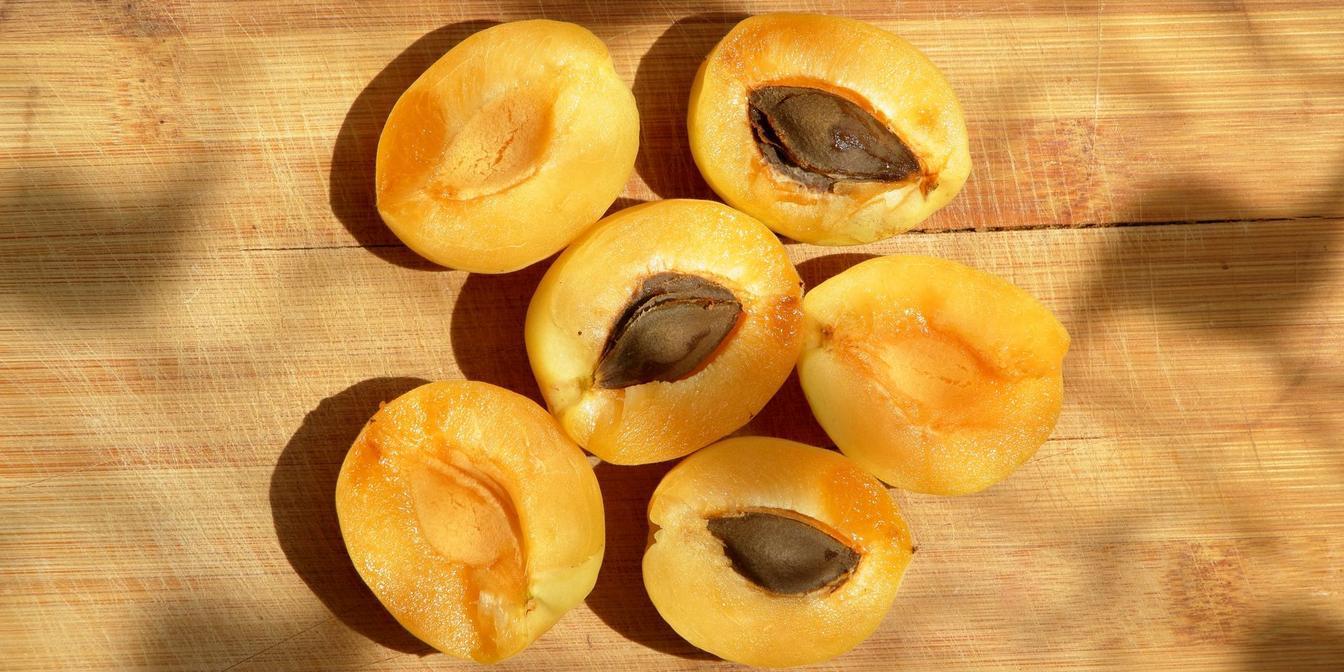
Conventional whole prunes are the format most commonly used in research on regularity and bone health. They retain the fruit’s solid structure and fibre, although nutrition values and piece sizes still vary by brand.
Persian aloo products can be eaten as fruit or incorporated into traditional cooking. For example, Saharkhiz Iranian Dried Plums (Aloo Bukhara) are presented as an option for snacking or Iranian and Middle Eastern cooking, while Persia Food Dried Plum (Aloo) – Shams is another Persian pantry format. Consult each package rather than treating these products as nutritionally interchangeable with standardized prunes.
Prune juice is a different serving experience. It can contain naturally occurring sorbitol and has been investigated for constipation, but it does not provide the intact fruit in the same form. Evidence for juice should not automatically be used to predict the effect of an equal weight or volume of whole fruit, and vice versa.
Processed plum snacks may be single-fruit products or may contain additional ingredients. A sweet or tangy snack should be assessed using its own ingredient list and Nutrition Facts panel. Research involving unsweetened whole prunes cannot automatically establish the benefits or appropriate serving size of every plum-flavoured snack.
Why the Ingredient List and Nutrition Label Matter
Start with the ingredient list. It tells you whether the package contains only dried plums or includes sugar, salt, oil, flavouring, preservatives or other fruit ingredients. None of those details should be guessed from the front of the package.
Next, compare the serving size in both grams and household units. Piece counts are less reliable because one product may contain small, firm fruits while another contains larger, softer ones. Check the number of servings in the package as well; a resealable tub can contain many servings even when it looks easy to finish over a short period.
On a U.S. Nutrition Facts label, “Total Sugars” includes sugars naturally present in fruit and any sugars added during processing. “Added Sugars” identifies the added portion. Unsweetened dried fruit can contain considerable total sugar without containing added sugar, because water removal concentrates the fruit’s natural carbohydrate. The FDA specifies that extra sugar added to dried fruit must be declared as added sugar. [https://www.fda.gov/food/nutrition-facts-label/added-sugars-nutrition-facts-label]
Also look for preparation details such as “pitted,” “unpitted” or “may contain pits.” If that information is unclear, inspect each fruit before biting or chopping it. Nutrition labels and ingredient declarations vary by market, so use the information available on the actual package you have.
What Do Dried Plums Provide Nutritionally?
Dried plums are primarily a carbohydrate-containing fruit. They generally provide dietary fibre, naturally occurring sugars and small or moderate contributions of several vitamins and minerals. Conventional prunes are associated with nutrients such as potassium, vitamin K and copper, but exact amounts depend on the fruit, processing method, moisture level and serving weight.
That profile can make a small portion useful in oatmeal, yogurt, grain dishes or a snack. It does not make dried plums a complete meal or a substitute for vegetables, protein foods, whole grains and other fruits. Think of them as one component of a varied eating pattern.
If a nutrient matters for a medical reason, do not rely on a generic online value. Compare the package label with the portion you actually eat. A 30-gram snack pouch, a 50-gram research dose and an unmeasured handful from a tub are not equivalent.
Dried Fruit Is More Concentrated Than Fresh Fruit
Drying removes much of a plum’s water, leaving a smaller volume in which carbohydrate, natural sugars and energy are concentrated. This explains why several dried fruits can be eaten much faster than the corresponding amount of fresh fruit.
USDA MyPlate materials use one-half cup of dried fruit as one cup-equivalent from the fruit group. This is a food-group conversion, not a recommendation that everyone should eat one-half cup of dried fruit at once. [https://www.myplate.gov/sites/default/files/2022-11/MiPlatoYourWay-112822.pdf]
The concentration is neither automatically good nor bad. It can be useful when you want portable fruit, but it also makes portion awareness important. Pour your intended serving into a bowl, close the package and combine it with a meal rather than grazing directly from the container. If managing body weight is one of your goals, this broader guide to dried plums and weight management explains why serving context matters more than calling one food “fattening” or “slimming.”
Potential Benefits of Eating Dried Plums Regularly
The strongest reason to include dried plums is not a promise that they will prevent or treat disease. It is that they can contribute fruit, fibre and flavour while potentially supporting bowel regularity. Bone-health research is also promising in selected populations, but it requires a more cautious interpretation.
Bowel Regularity and Constipation
Prunes contain fibre as well as naturally occurring sorbitol, a sugar alcohol. Fibre can add to stool bulk and retain water, while incompletely absorbed sorbitol can draw water into the bowel. Together, these characteristics help explain why prunes may soften stool or increase bowel movements in some people.
Human trials have found improvements in certain constipation outcomes, including comparisons with psyllium and research involving prune juice. These studies do not prove that prunes will solve every case of constipation. Participants, doses, product formats and study durations differ, and constipation can have causes that require medical evaluation. [https://pubmed.ncbi.nlm.nih.gov/35971232/]
More is not necessarily better. A large amount may produce gas, cramping, urgency or loose stools rather than comfortable regularity. If you are using dried fruit for occasional constipation, begin cautiously and give your digestive system time to respond. AsaMarket’s evidence-focused guide to how prunes may help with constipation examines the research and its limitations in more detail.
Seek medical advice for persistent or recurrent constipation, severe pain, vomiting, blood in the stool, unexplained weight loss or a major change in bowel habits. Dried plums are a food option, not a substitute for investigating concerning symptoms.
A Convenient Way to Add Fruit and Fibre
Dried plums are portable, require little preparation and can be stored in a pantry according to the package directions. They can be chopped into breakfast foods, packed as a measured snack or used in cooked dishes. This convenience may help people who struggle to keep fresh fruit available.
Convenience should still be paired with variety. Fresh and frozen fruits generally provide more water and a larger eating volume, while canned fruit can be another practical option. Rotating formats keeps an everyday prune habit from displacing other useful foods.
Possible Bone-Health Benefits
Several controlled studies have investigated daily conventional prunes in postmenopausal women. In a 12-month trial, 50 grams per day was associated with better preservation of total hip bone mineral density than the control condition. The 100-gram group had a substantially higher dropout rate, an important reminder that a larger research dose is not automatically more practical or more effective. [https://pubmed.ncbi.nlm.nih.gov/35798020/]
These findings are encouraging, but they do not establish that prunes prevent fractures or treat osteoporosis. Much of the research has focused on postmenopausal women, often with specific inclusion criteria and study protocols. The findings should not be generalized automatically to younger adults, children or every dried-plum product.
The evidence also differs by population. A one-year study published in 2026 found that 50- or 100-gram daily prune supplementation did not produce detectable improvements in total or lumbar bone mineral density beyond calcium and vitamin D supplementation in older men with or at risk of osteopenia. [https://pubmed.ncbi.nlm.nih.gov/42356242/]
For a closer look at study designs, outcomes and unanswered questions, see the detailed review of dried plums and bone health research. Anyone concerned about osteoporosis or fracture risk should use appropriate clinical assessment and treatment rather than relying on one food.
Potassium, Vitamin K and Other Nutrients
Dried plums can contribute potassium, vitamin K and other micronutrients, depending on the product and portion. These nutrients have important functions, but a serving of fruit should not be presented as a replacement for a varied diet, prescribed supplements or medical care.
The most useful question is not whether dried plums contain a particular nutrient, but how much your actual serving contributes to your total intake. Use the Nutrition Facts panel where available, and remember that doubling the labelled serving also doubles the listed carbohydrate, sugars, fibre and micronutrients.
How Many Dried Plums Should You Eat a Day?

There is no universal daily prune intake. For everyday eating, many people can begin with a small portion—often a few conventional prunes or the serving shown on the package—and adjust according to digestive tolerance and the rest of the diet. Weight is more dependable than piece count.
Use this process:
- Read the serving weight. Find the grams listed on the Nutrition Facts panel rather than relying only on “pieces.”
- Measure the first few portions. A kitchen scale shows how your usual handful compares with the label.
- Begin below the full serving if you are sensitive. This is especially sensible if your current diet is low in fibre or you have not eaten prunes recently.
- Observe the result for several days. Look for comfortable digestion rather than trying to produce the strongest possible laxative effect.
- Adjust the rest of your diet. Account for other dried fruit, juice, sweets and carbohydrate-containing snacks eaten that day.
For occasional constipation, one cautious strategy is to start with about three to four conventional dried plums daily, along with appropriate fluid intake, and increase gradually only if needed and tolerated. The dedicated guide to choosing a prune portion for constipation explains how this starting point compares with amounts used in research.
Do not treat a 50- or 100-gram research dose as a universal recommendation. Those amounts were selected for specific trials and populations. Your regular portion may be lower, particularly if you experience bloating or are already eating other high-fibre foods.
Possible Side Effects and Who May Need to Limit Them
Gas, Bloating, Cramping or Loose Stools
The same fibre and sorbitol that may support regularity can cause discomfort when the portion exceeds your tolerance. Common signs that you may need less include increased gas, abdominal rumbling, bloating, cramps, urgency or loose stool.
If symptoms appear after a sudden increase, reduce the amount or pause and retry a smaller serving later. Persistent, severe or unexplained digestive symptoms deserve professional assessment rather than repeated experiments with increasingly large prune portions.
IBS and Sensitivity to FODMAPs
Sorbitol is a polyol and therefore a FODMAP. Prunes can also provide other fermentable carbohydrates. Monash University identifies a 30-gram serving of prunes as high in sorbitol and fructans and notes that prunes may trigger unpleasant symptoms in some people with IBS, although individual tolerance varies. [https://www.monashfodmap.com/blog/research-update-kiwifruit-psyllium-and-prunes-which-one-better-constipation/]
If you have IBS or are following a structured low-FODMAP plan, do not assume that a serving promoted for constipation will suit you. Use the portion and reintroduction guidance provided by your dietitian or clinical plan.
Dried Plums and Blood Sugar
Dried plums contain carbohydrate and naturally occurring sugars. That does not mean everyone with diabetes must avoid them, but portion size, the rest of the meal, medication and individual glucose response can all matter.
Use the label’s total carbohydrate value for the serving you eat. Pairing a measured amount with a balanced meal may be more manageable than grazing from a bag, but your diabetes care plan should take priority over general advice. Sweetened plum snacks and juice should be assessed separately from unsweetened whole fruit.
Kidney Disease, Potassium Restrictions and Medication
People instructed to limit potassium may need to restrict or carefully portion prunes and other dried fruits. The National Kidney Foundation includes prunes and dried fruits among foods that may need limiting in a potassium-controlled diet, while emphasizing that serving size is important. [https://www.kidney.org/sites/default/files/01-10-7269_ABG_PatBro_Hyperkalemiap7.pdf]
Dried plums also contribute vitamin K. If you take warfarin, the general goal is usually a consistent vitamin K intake rather than making sudden dietary changes. Discuss a new daily prune routine with the clinician managing your medication. [https://ods.od.nih.gov/factsheets/VitaminK-Consumer/]
You should also avoid any product containing an ingredient to which you are allergic or have been advised to avoid. When in doubt, use the package information and your healthcare professional’s instructions rather than relying on the general reputation of prunes as a healthy food.
Easy Ways to Include Dried Plums in Your Routine

A routine is easier to maintain when the portion has a clear place in a meal. Instead of keeping an open package beside you, decide in advance how the fruit will be used.
- Add chopped fruit to breakfast. Stir a measured portion into oatmeal or plain yogurt and add nuts or seeds if they fit your diet.
- Use it in savoury cooking. Persian aloo can contribute fruit flavour to suitable rice, stew or braised dishes. Follow the recipe and product directions, especially when pits may be present.
- Pack a defined snack. A single pouch such as the Hampa Dried Plum Snack provides a clearly stated pack size, making it easier to compare the amount with your usual portion. Check its own label for complete ingredient and nutrition information.
- Combine it with other foods. Rather than treating dried fruit as an unlimited stand-alone snack, include a few pieces as part of a planned meal or snack.
- Chop before using. Smaller pieces distribute sweetness and plum flavour throughout a dish, so you may not need a large quantity.
Morning and evening are both possible. Choose a time that is convenient and lets you observe your digestive response. If prunes create urgency or discomfort at a particular time, reduce the amount or move the serving rather than assuming that everyone needs to eat them before bed or on an empty stomach.
How to Choose Dried Plums for Everyday Eating

The best everyday option is the one whose format, ingredients and serving size match how you intend to use it. Use this checklist when comparing packages:
- Product identity: Is it a conventional prune, Persian aloo, juice or formulated plum snack?
- Ingredients: Is dried plum the only ingredient, or are sugar, salt, flavouring, preservatives or other ingredients listed?
- Serving weight: How many grams are in one labelled serving, and how many servings are in the container?
- Total and added sugars: How much sugar is naturally present, and does the label declare any added sugar?
- Dietary fibre: How much does your intended portion provide?
- Sodium and potassium: Are these relevant to a prescribed diet or health condition?
- Pits: Does the package say pitted, unpitted or that pits may remain?
- Intended use: Does the texture and package format suit snacking, breakfast or cooking?
A long ingredient list is not automatically a reason to reject a product, and a one-ingredient package is not permission to ignore the portion. The goal is informed selection. If you want the closest match to conventional prune research, look for an unsweetened whole-prune format and verify the label. If you want aloo for a Persian recipe, select according to the recipe and package instructions rather than assuming it behaves like a soft pitted snack prune.
Making a Daily Dried-Plum Habit Work
Before making dried plums an everyday food, ask four questions: What exact product am I eating? What is its serving weight? How does my digestion respond? What other fruit, fibre and carbohydrate am I consuming?
If the answers point to a modest portion that you enjoy and tolerate, daily dried plums can be reasonable. If they cause symptoms, interfere with a prescribed diet or encourage unplanned grazing, eating them less often or in a smaller amount may be the better choice.
The most sustainable habit is usually simple: measure the portion, use it in a meal, keep other fruits in rotation and review the actual label whenever you change products. Dried plums can be useful, but their value comes from how they fit into the whole diet—not from eating the largest possible daily amount.
Frequently Asked Questions
Is it safe to eat dried plums every day?
For many adults, a modest daily portion is reasonable if it is well tolerated and fits the overall diet. People with IBS, kidney disease, diabetes, allergies or a prescribed diet may need individualized portion guidance.
How many dried plums should you eat per day?
There is no universal number because fruit sizes and products vary. Start with a few pieces or a small weighed portion based on the package label. For occasional constipation, three to four conventional prunes can be a cautious starting point.
What happens if you eat too many dried plums?
A large amount may cause gas, bloating, abdominal cramping, urgency or loose stools because dried plums contain fibre and naturally occurring sorbitol. They can also add more carbohydrate and energy than expected when eaten without measuring.
Should you eat dried plums in the morning or at night?
There is no proven best time for everyone. Choose a consistent time that suits your meals and lets you monitor digestive effects. If they cause inconvenient urgency or discomfort, reduce the portion or change the timing.
Do dried plums contain a lot of sugar?
Drying concentrates a plum’s naturally occurring sugars because much of its water is removed. Check total sugars, added sugars, total carbohydrate and serving weight on the product label; unsweetened dried plums can contain natural sugar without added sugar.