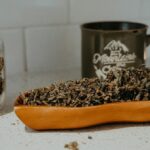
Learning how to make Persian tea is less about following one rigid recipe and more about mastering a flexible brewing method. Loose-leaf black tea is infused into a dark, fragrant concentrate, then combined with hot water in each person’s glass. One guest can have a light amber tea while another receives a stronger, deeper-coloured cup, all from the same pot.
This guide explains the complete method using an ordinary kettle and teapot, as well as the role of a samovar or double teapot. You will also learn how to choose the tea, use optional aromatics such as cardamom or saffron, avoid bitterness and serve the finished drink with sugar, dates or Persian sweets.
What Is Persian Tea?
Persian tea is usually a clear, aromatic black tea served throughout the day in Iranian homes, workplaces and social gatherings. In Persian, tea is called chai, so names such as Persian chai, Iranian tea and chai Irani generally refer to the same broad tea tradition.
The defining feature is the concentrate-and-dilute method. Rather than brewing a complete cup for every person, the host prepares a strong infusion in a small teapot. A little concentrate is poured into each glass and diluted with hot water until the desired colour and strength are reached.
This is an adaptable method rather than a single universal formula. The tea variety, amount of leaf, infusion time, aromatics and accompaniments differ between households. Some people prefer plain black tea, while others enjoy cardamom, saffron, bergamot or another fragrance. The concentrate may be moderately strong or very dark depending on how the family serves it.
Tea also has an important place in Persian hospitality. It may be offered soon after a guest arrives, served with breakfast, enjoyed after a meal or brought out alongside fruit, nuts and sweets. For more background on these customs, see this introduction to Persian tea culture and hospitality.
How Persian Tea Differs from an Ordinary Cup of Black Tea
An ordinary cup of black tea is often brewed at its final drinking strength: tea leaves or a tea bag are infused in a mug, removed and served. Persian tea is commonly prepared in two parts. The teapot contains the strong tea concentrate, while the kettle or samovar supplies plain hot water for dilution.
The leaves are generally allowed to infuse gently while the teapot remains warm. This longer, gentler extraction is different from boiling the leaves or leaving a mug unattended until it becomes harsh. The aim is a fragrant concentrate that can be adjusted without filling the cup with leaves.
Clear, heatproof glasses are especially useful because colour acts as a practical guide. The server can see whether the tea is pale amber, reddish brown or very dark and adjust the balance accordingly. Traditional narrow-waisted tea glasses are often called estekan, although any suitable heatproof glass or cup can be used at home.
Not every Iranian household follows exactly the same routine. Some use a samovar, some use stacked kettles and others simply use an electric kettle with a small teapot. The essential principle is to brew the tea separately from the dilution water and keep both hot enough for serving.
Is Persian Tea the Same as Chai?
The word chai means tea in Persian, but Persian chai should not be confused with South Asian masala chai. Masala chai is commonly prepared with tea, spices and milk, often simmered together. Persian tea is normally a clear black tea served without milk, although individual preferences naturally vary.
Cardamom may be added to Persian tea, but it is an optional fragrance rather than proof that the drink is masala chai. Saffron, rose or bergamot may also appear in household variations. The base method remains black-tea concentrate diluted with hot water.
Persian Tea Ingredients
The shortest Persian tea recipe needs only two ingredients: black tea and fresh water. Everything else is optional or intended for serving. Keeping these categories separate makes it easier to understand the traditional base before experimenting with variations.
Essential ingredients
- Loose-leaf black tea: Choose a robust tea with an aroma you enjoy. Loose leaves are particularly convenient for preparing a concentrate in a teapot.
- Fresh water: You need water for both the concentrate and dilution, so boil more than the amount that goes into the teapot.
Optional aromatics
- Lightly crushed green cardamom pods
- A very small pinch of saffron threads
- A black tea already flavoured with cardamom or bergamot
- A small amount of rose fragrance, where this is part of your preferred household recipe
Optional serving accompaniments
- Qand, or sugar cubes
- Nabat, a rock-candy stick or pieces of rock candy
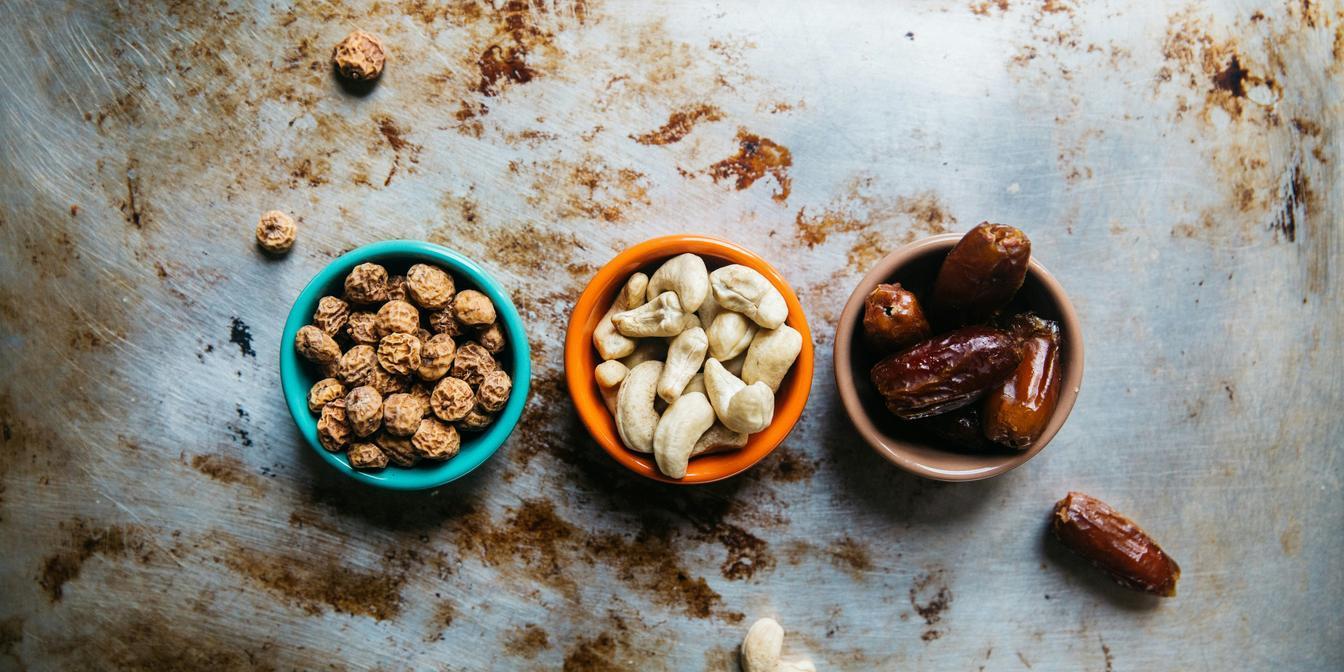
- Dates or dried fruit
- Nuts such as pistachios or walnuts
- Persian biscuits, gaz, sohan or other sweets
- Lemon, if preferred
Choosing the Right Black Tea
Look for a loose-leaf black tea that smells clean and distinct before brewing. Leaf size influences how quickly tea infuses: smaller particles release colour and flavour quickly, while larger leaves may need more time. Neither is automatically better, but the brewing time should suit the leaf.
Iranian-grown tea, including tea associated with Lahijan in northern Iran, can produce a different profile from Ceylon black tea or other robust blends. Ceylon tea is a common practical choice for a brisk, clear cup. If you want a straightforward loose-leaf option, Ahmad Tea Ceylon loose-leaf black tea is blended from Sri Lankan teas and has a lively character with bright citrus notes. Another everyday option is Do Ghazal Pure Ceylon loose-leaf tea, which produces a brisk, refreshing cup.
Freshness matters because tea that has spent a long time exposed to air, moisture, heat or strong kitchen odours can taste dull. Store the leaves in a tightly closed container away from steam and strongly scented ingredients. Before measuring, smell the dry leaves; their aroma gives you an early indication of what will appear in the cup.
If you are comparing Iranian-grown tea with Iranian-style blends, this guide to Persian tea varieties and serving styles explains how Ceylon, cardamom, Earl Grey and saffron options can differ.
Water: The Ingredient That Is Easy to Overlook
Use freshly drawn water and bring it to a full boil for black tea. Water that has been repeatedly boiled may produce a flatter-tasting cup, especially if it has been sitting in the kettle for a long time.
If your tap water leaves a heavy mineral taste or visibly affects the clarity of tea, compare one batch made with filtered water. You do not need to buy specialist water; the goal is simply to use water that tastes pleasant on its own. Avoid filling the kettle with water that is already hot from the tap.
Remember that dilution water is part of the finished drink. A well-brewed concentrate can still taste disappointing if the hot water added to the glass has an unpleasant flavour.
Optional Cardamom, Saffron and Other Variations
Plain black tea is a complete Persian tea and needs no spices. Aromatics should be treated as variations, not mandatory ingredients. Add them lightly so that the fragrance supports the tea rather than covering it.
For cardamom tea, gently crack one or two green pods and add them to the dry leaves before pouring in the boiling water. Crushing the pods too finely can make the flavour dominate and may leave small particles in the concentrate. If you prefer a ready-flavoured blend, Do Ghazal loose-leaf Ceylon tea with cardamom combines black tea with a warm cardamom aroma.
Saffron is best used sparingly. Crush a small pinch of threads and steep it briefly with a spoonful of hot water before adding it to the teapot, or add the threads directly during infusion. Golestan saffron threads can be used for tea as well as cooking and desserts. Start with less than you think you need; too much will push the black tea into the background.
Bergamot-flavoured black tea, often sold as Earl Grey, is another familiar preference in some households. Because it is already aromatic, taste it without extra cardamom or saffron before combining flavours.
What You Need to Brew Persian Tea at Home
You do not need specialist equipment to begin. Assemble the following items:
- A kettle for boiling and holding the dilution water
- A small teapot for the concentrate
- A teaspoon or small scale for measuring tea
- A tea strainer if the teapot does not have a built-in filter
- Heatproof glasses or cups
- A tray for carrying several servings
- An optional samovar, double teapot or purpose-made stacked kettle
A small teapot is preferable to a very large one because you are making concentrate, not filling it with final-strength tea. It should provide enough room for the leaves to move and expand when water is added.
Do You Need a Samovar?
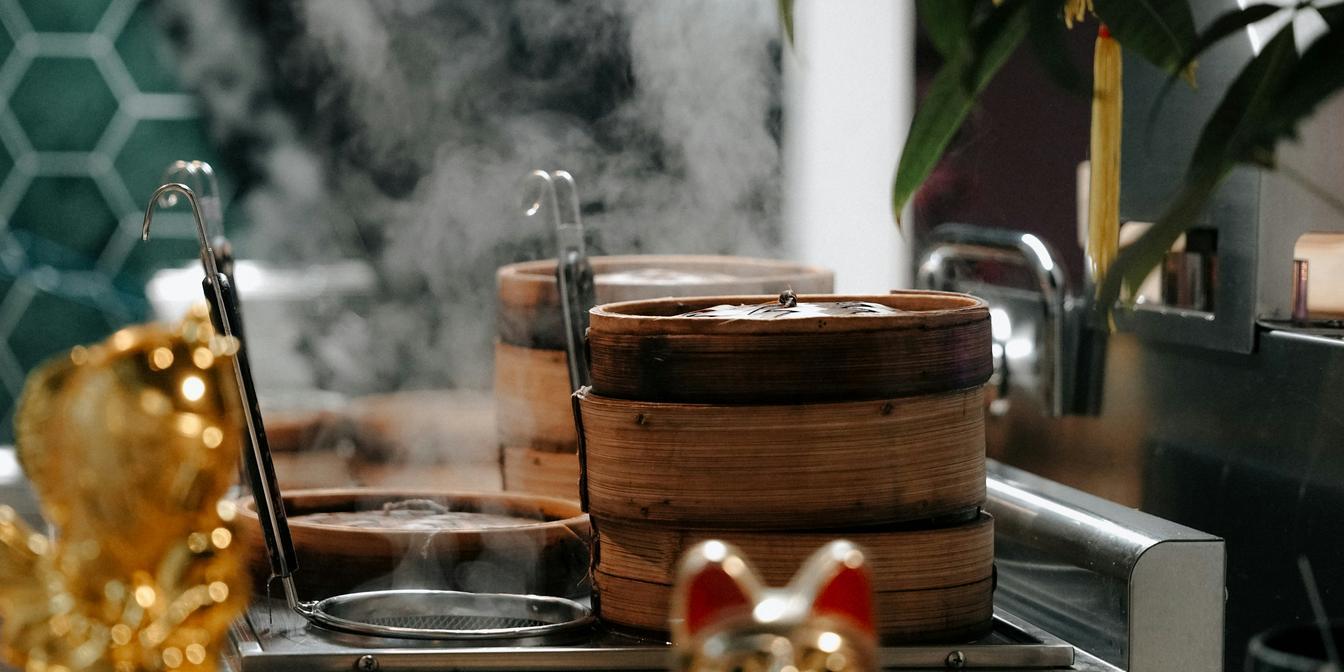
No. A samovar makes repeated tea service convenient because it keeps a supply of water hot while the teapot of concentrate stays warm above it. This is useful when tea will be served over an extended visit, but it does not create a completely different beverage.
A kettle and small teapot reproduce the core method. Brew the concentrate in the warmed teapot, keep the remaining water hot in the kettle and protect the teapot from rapid cooling. A tea cosy can help. If you own a purpose-made stacked kettle or double teapot, use the lower vessel for water and the upper vessel for tea concentrate.
Do not improvise an unstable stack with equipment that was not designed to fit together. The upper pot should sit securely and should be suitable for the warming method being used.
Choosing a Safe Teapot and Warming Method
Ceramic, porcelain and heat-resistant glass teapots can all work well, provided they are intended for hot beverages. Check the manufacturer’s instructions before exposing any teapot to direct heat.
A serving teapot should not be placed directly on a burner unless it is explicitly rated for stovetop use. Ceramic, porcelain or ordinary glass can crack when subjected to unsuitable direct heat or rapid temperature changes. If you are not using a purpose-made samovar or stacked system, warm the pot with hot water before brewing and keep it covered or use a tea cosy.
Prewarming also improves the infusion. Pour hot water into the empty teapot, swirl it carefully, discard that water and then add the leaves. The pot will draw less heat from the brewing water.
Persian Tea Recipe at a Glance
| Servings | Approximately 4 to 6 small glasses |
|---|---|
| Preparation time | About 5 minutes |
| Infusion time | Approximately 10 to 15 minutes |
| Black tea | 4 to 5 rounded teaspoons loose-leaf black tea |
| Concentrate water | About 500 ml freshly boiled water |
| Dilution water | About 750 ml, kept hot in the kettle |
| Optional aromatics | 1 to 2 lightly cracked cardamom pods or a small pinch of saffron |
| Equipment | Kettle, small teapot, strainer and heatproof glasses |
Use this as a starting ratio rather than an inflexible rule. For a smaller or larger gathering, allow roughly one rounded teaspoon of loose tea per person, with an optional extra spoonful for the pot. Reserve enough hot water to dilute every serving. Leaf size, teapot capacity and personal taste will determine the final adjustment.
How to Make Persian Tea Step by Step
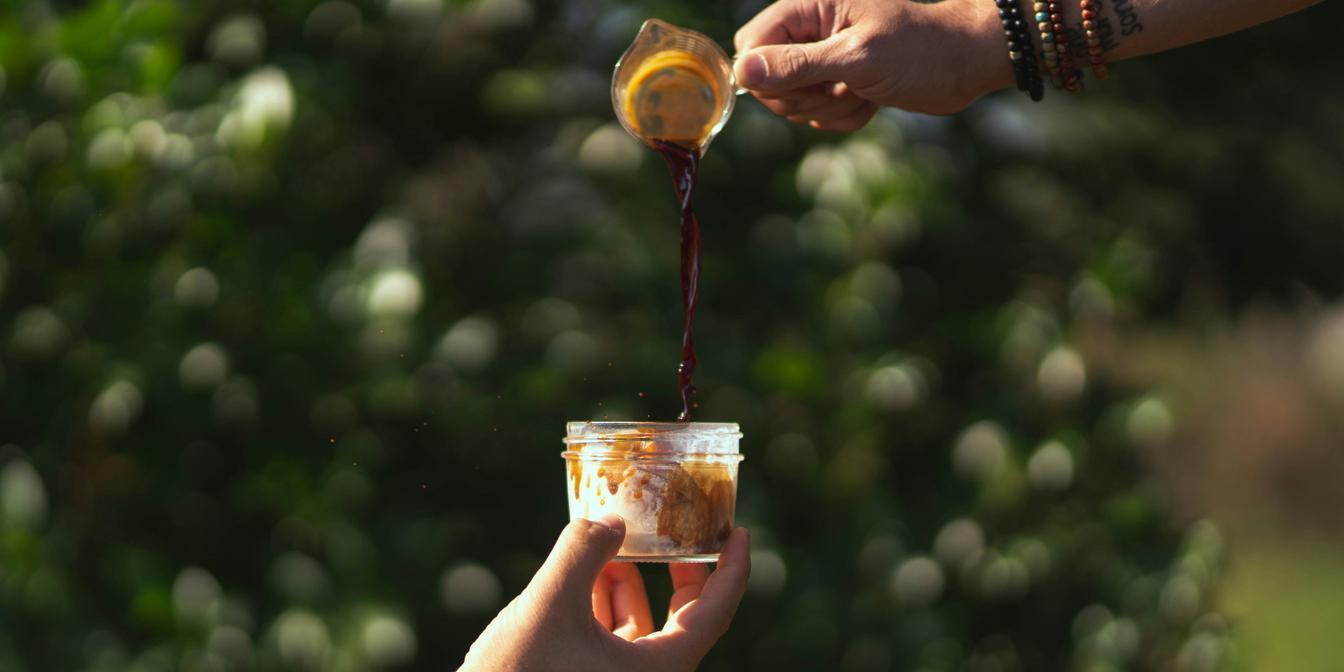
- Fill the kettle with fresh water. Add enough for the concentrate, prewarming the teapot and diluting the finished servings. Bring the water to a full boil.
- Warm the teapot. Pour in a little hot water, swirl it around and discard it. This prevents a cool pot from immediately lowering the brewing temperature.
- Measure the black tea. Add about four to five rounded teaspoons for four to six small servings. If your tea is finely broken and infuses quickly, begin with slightly less. If it is made of large leaves, it may need a little more time.
- Add optional aromatics. Place one or two lightly cracked cardamom pods in the pot, or add a restrained amount of prepared saffron. Skip this step for classic plain black tea.
- Add boiling water. Pour approximately 500 ml over the leaves. Leave enough room in the pot for the tea to move without spilling when it is poured.
- Cover and infuse gently. Put on the lid and keep the teapot warm for about 10 to 15 minutes. On a compatible samovar or double kettle, the pot can rest in its designed upper position. With an ordinary teapot, use a tea cosy or place it in a warm area away from direct burner heat.
- Check the concentrate. Pour a small amount through a strainer into a clear glass. It should look distinctly darker than the final tea and smell rounded rather than raw. If it is too pale, give it a few more minutes. If it is already very dark, begin serving rather than extending the infusion.
- Pour concentrate into each glass. Start by filling approximately one-quarter to one-third of the glass with concentrate. Use less for a light tea and more for a strong cup.
- Dilute with hot water. Top up each glass from the kettle. Watch the colour as the liquids combine. Pale amber will taste lighter, while a deeper reddish brown will be stronger.
- Taste and adjust. If the tea is too weak, add a little more concentrate. If it is too strong, add hot water. This individual adjustment is one of the chief advantages of the Persian method.
- Serve promptly. Bring the glasses to the table while hot, with the preferred sugar, dates, nuts or sweets on the side.
How to Judge the Colour and Strength
There is no single correct shade. Use colour as a repeatable visual measurement for your own household. If you like a lighter cup, note the pale amber colour that gives you the best balance. If you prefer a robust tea, aim for a deeper copper or reddish-brown appearance.
Do not assume that the darkest possible tea is the best. A very dark concentrate can be useful when serving several preferences, but it still needs aroma and balance. Tea that tastes rough, drying or burnt is not improved merely by making it stronger.
How to Scale the Recipe
For two people, begin with two to three rounded teaspoons of tea and approximately 250 to 300 ml of water in the teapot. For a larger gathering, use roughly one rounded teaspoon per person plus an optional extra spoonful, provided the teapot has enough space for the leaves and water.
When serving many guests, it may be better to prepare a fresh second pot than to overcrowd the first. Also keep more dilution water available than you expect to need. Strong-tea drinkers use more concentrate, while lighter cups require more hot water.
How to Serve Persian Tea
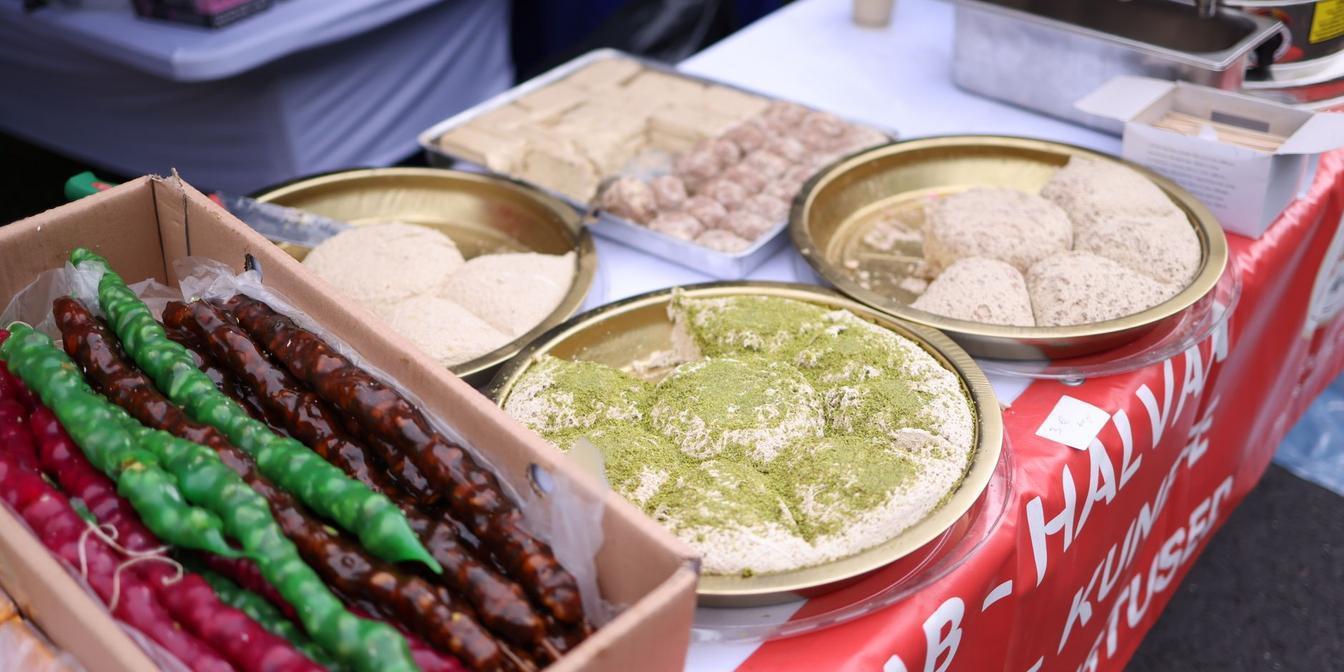
Serve Persian tea in small heatproof glasses or cups on a tray, with teaspoons and accompaniments arranged separately. Clear glasses display the tea’s amber colour, but they are not essential to the flavour.
Qand, or sugar cubes, is a familiar accompaniment. Some people stir a cube into the tea, while others hold a small piece in the mouth and sip the unsweetened tea through it. Nabat provides another sweet option and may be presented as pieces or on a rock-candy stick. Dates offer sweetness without being dissolved in the glass.
Tea can also accompany a Persian breakfast of bread, cheese, herbs, walnuts, preserves or eggs. The broader guide to traditional Persian breakfast foods offers ideas for building a complete morning table.
For an afternoon or after-dinner tray, consider small portions of biscuits, gaz, sohan, qottab or noghl. Choose only one or two accompaniments if you want the tea to remain the focus. This guide to traditional Iranian sweets served with tea explains how their flavours and textures differ.
Common Persian Tea Mistakes and How to Fix Them
Boiling the Leaves Directly
Persian tea concentrate is kept warm, but the leaves do not need to be aggressively boiled. Direct boiling can create an unnecessarily harsh infusion. Pour boiling water over the leaves, then let them infuse in a covered, warm teapot.
Making the Concentrate at Drinking Strength
If the tea in the pot is already at final strength, adding hot water will make it weak. Brew it noticeably stronger than the cup you intend to drink. You can then dilute each serving without losing character.
Using Too Much Cardamom or Saffron
Aromatics can quickly dominate. Begin with one lightly cracked cardamom pod or a very small pinch of saffron, especially when using an unfamiliar tea. You can increase the amount in a future pot, but you cannot remove an overpowering flavour once it has infused.
Leaving the Concentrate for Too Long
Extended warmth is useful during tea service, but endlessly infusing the same leaves may lead to a drying, over-extracted taste. If you expect a long gathering, strain the concentrate from the leaves once it reaches the flavour you want, or prepare a smaller fresh pot later.
Ignoring the Dilution Water
Do not use lukewarm water to top up the glasses. It cools the tea immediately and can make the result seem flat. Keep fresh hot water ready in the kettle or samovar and replenish it when necessary.
Changing Several Variables at Once
If the first pot is not quite right, adjust one variable next time: the amount of leaf, infusion time, concentrate-to-water ratio or quantity of aromatics. Changing everything simultaneously makes it difficult to identify what improved the tea.
A Simple Routine for Consistently Good Persian Tea
Once you know the method, consistency comes from recording a few details. Use the same teaspoon or scale, note the capacity of your teapot and observe the colour of your preferred serving. Start with fresh water, prewarm the pot, allow a gentle 10-to-15-minute infusion and dilute each glass individually.
Your ideal Persian tea recipe may eventually differ from the starting formula in this guide. That is part of the tradition’s practicality: one pot can accommodate different tastes, and small adjustments let you match the tea to breakfast, a sweet accompaniment or a long conversation with guests.
Frequently Asked Questions
What type of tea is used to make Persian tea?
Persian tea is generally made with robust black tea. Iranian-grown tea, Ceylon black tea and other aromatic loose-leaf blends can all be used. Choose a tea that produces a clear, fragrant concentrate rather than assuming one variety is mandatory.
Can I make Persian tea without a samovar?
Yes. Brew the concentrate in a small teapot and keep separate dilution water hot in a kettle. A samovar or double teapot makes extended service convenient, but it is not required for the core brewing method.
How much loose-leaf tea should I use per person?
Begin with approximately one rounded teaspoon per person, plus an optional extra teaspoon for the pot. Adjust according to leaf size, desired strength and the amount of hot water used for dilution.
How long should Persian tea steep?
Allow roughly 10 to 15 minutes in a covered, gently warmed teapot. Smaller tea particles may infuse sooner, while larger leaves can take longer. Check the aroma, colour and taste rather than relying only on the clock.
Why is Persian tea brewed as a concentrate?
The concentrate lets each glass be adjusted independently. A host can pour more concentrate for a strong tea or use more hot water for a lighter cup while serving everyone from the same teapot.