Shopping for Iranian sweets in the UK opens the door to a varied confectionery tradition, from chewy gaz and crisp sohan to delicate rice cookies, filled pastries, rock candy and sugar-coated nuts. The best choice depends on more than the name of the sweet: texture, sweetness, flavour, format, ingredients and serving occasion all matter. This guide explains the principal varieties, the terms you may encounter on product listings and the checks worth making before placing an online order.
Iranian Sweets in the UK: A Quick Introduction
Traditional Persian sweets range from small tea-time biscuits to rich celebration pastries and substantial pieces of nougat-style confectionery. Some are fragrant with rosewater, cardamom or saffron, while others place more emphasis on nuts, a buttery pastry texture or simple sweetness. Recipes are not standardised across every bakery or manufacturer, so two products with the same general name can differ noticeably.
For first-time shoppers, it is usually easier to begin with a texture or occasion. Gaz may appeal if you want a chewy confection to share, while sohan offers a crisper experience. Naan berenji and other cookies can be convenient alongside tea, and individually portioned sweets may be easier to present to guests. For a shorter initial selection, this shortlist of must-try Iranian sweets introduces several familiar options.
What Makes Iranian Sweets Distinctive?
Iranian confectionery is distinctive for its breadth rather than one universal flavour profile. A box of Persian sweets might combine crumbly cookies, chewy nougat, crisp confectionery and delicate pastries. Sweetness can be direct and pronounced, as with sugar-based tea accompaniments, or balanced by nuts, spice and fragrant aromas.
Serving context is equally important. Many sweets are made in sizes that work naturally with tea, conversation and shared hospitality. Others have decorative shapes or presentation formats that make them useful for a celebration table. This variety also means that shoppers should not assume every Iranian sweet is a pastry, every pastry contains nuts, or every confection has a floral taste.
Common Flavours and Aromas
Saffron, rosewater and cardamom appear frequently across traditional recipes, but they do not occur in every product. Saffron may contribute a warm aromatic character, rosewater a floral note and cardamom a gently spiced fragrance. Pistachios, almonds and walnuts can add flavour and texture, while coconut is found in certain confections and coatings.
The balance varies considerably. One naan berenji may be subtly perfumed, while another has a more noticeable spice character. Gaz can differ in chewiness and the amount or type of nuts used. Even familiar sweets may be made to different formulas, so use these flavours as a guide rather than an ingredient guarantee.
From Regional Specialities to Everyday Tea Sweets
Names associated with regional or city styles appear regularly in Persian confectionery, alongside everyday biscuits and simple sweets. The category includes filled pastries such as qottab, rice-flour cookies, raisin cookies, nougat-style pieces, brittle confectionery, baklava, rock candy and small coated sweets.
It is also useful to distinguish packaged confectionery from Iranian desserts intended to be prepared or served fresh. When browsing Persian sweets online in the UK, listings will commonly focus on products that can be boxed, wrapped or stored according to their label. A broader introduction to Iranian snacks can help place these sweets alongside savoury and everyday grocery choices.
How to Choose Iranian Sweets Online
An unfamiliar name does not always tell you whether a sweet is soft, crisp, crumbly or heavily sweetened. Before comparing brands, decide what kind of eating experience you want and who will be sharing it. Then examine the exact product description, photographs, pack format and current label information.
Choose by Texture
- Soft and chewy: Consider gaz, other nougat-style sweets or baslogh. Check whether the pieces are individually portioned and whether nuts are visible or specified.
- Crisp or brittle: Sohan is a prominent option. Flat pieces can feel different to small portioned formats, even when they belong to the same general family.
- Crumbly: Rice-flour cookies such as naan berenji are known for a delicate bite. Handle and serve crumbly sweets with their presentation in mind.
- Flaky or pastry-like: Qottab and Persian baklava may appeal when you want pastry rather than straightforward confectionery.
- Syrup-soaked: Certain baklava and pastry varieties have a moist, rich character. Consult the listing because recipes and sweetness levels vary.
- Hard or dissolving: Nabat is rock candy intended to sweeten tea or be enjoyed gradually, rather than eaten like a soft sweet.
- Light or airy: Some Iranian confections have a delicate, thread-like or aerated structure. Packaging matters because these textures can be very different from dense nougat.
Choose by Flavour
Nut-focused sweets are a sensible starting point for people who enjoy pistachio, almond or walnut flavours. Floral choices may feature rosewater or bidmeshk aromas, while saffron-forward sweets offer a different fragrant profile. Cookies can be relatively subtle, whereas rock candy and syrup-based pastries may deliver more direct sweetness.
If you are creating an assortment, contrast is often more useful than buying several similar products. For example, combine a chewy sweet with a crisp confection and a delicate cookie. This gives guests a choice and makes it easier for a first-time buyer to discover which Persian confectionery style they prefer.
Choose by Occasion
For everyday tea, consider small cookies, noghl, nabat or portioned confectionery. For family sharing, a box containing multiple pieces may be more practical than a single large or fragile format. Gifts and celebration tables can benefit from variety, but presentation should not replace checks for ingredients, allergens and the recipient’s preferences.
Think about how the sweets will be served. Individually wrapped pieces can be convenient for a mixed gathering, while an unwrapped pastry assortment may need plates and serving utensils. If you are sending a gift directly, review the shop’s current delivery information and the specific product presentation rather than assuming that every box is gift-ready.
Check Ingredients, Allergens and Dietary Information
Never infer suitability from the traditional name alone. Depending on the recipe, Persian sweets may contain or come into contact with nuts, sesame, wheat, dairy, eggs or other allergens. Similar-looking products from different manufacturers can use different ingredients.
Read the current product listing and the label supplied with the item. Anyone checking for vegetarian, vegan, halal or gluten-free suitability should look for explicit information applying to that exact pack. If the listing is unclear, ask the retailer before ordering rather than relying on a general description of the sweet.
Traditional Iranian Sweets to Know and Try
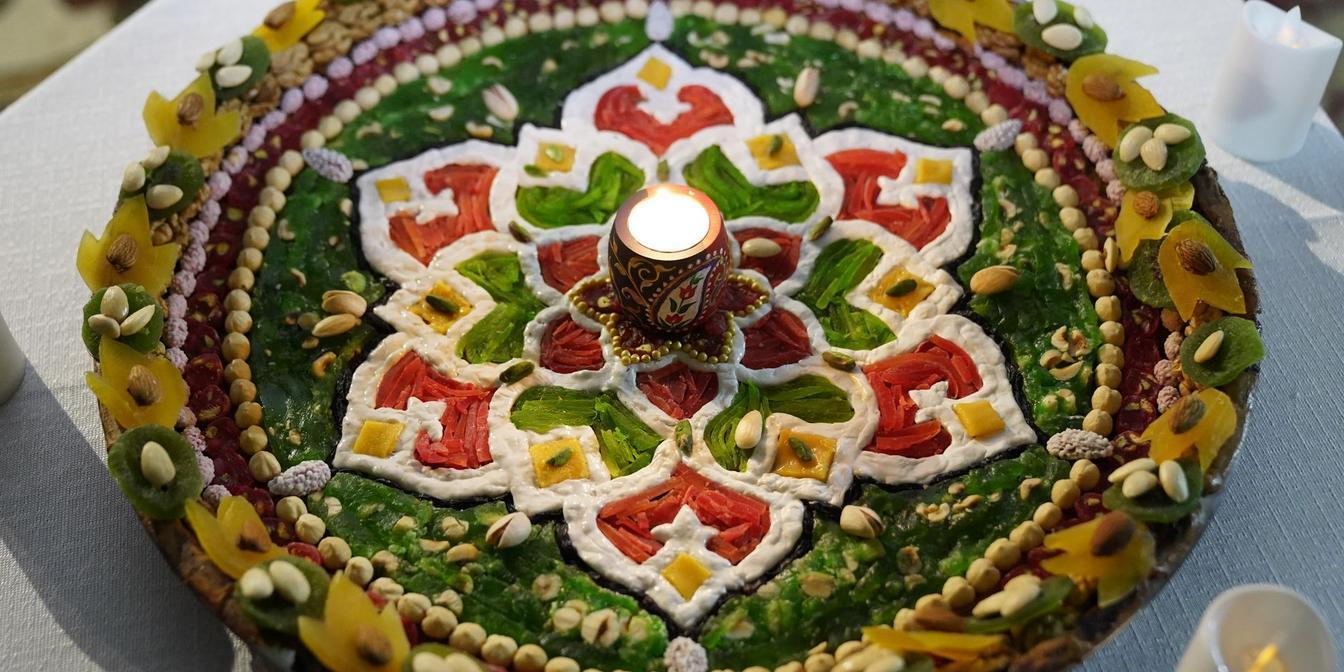
The following varieties provide a practical introduction to Iranian confectionery. Spellings can vary when Persian names are written in English, so qottab may also appear as ghotab, while naan berenji may be written as nan-e berenji. Focus on the description and format when matching differently spelled listings.
Gaz: Persian Nougat
Gaz is a nougat-style Iranian confection known for its chewy character. It is commonly sold in pieces suitable for sharing, serving with tea or placing in a mixed sweets assortment. Nut content, firmness and flavouring can vary, so gaz should be chosen from the details of the individual pack rather than from the category name alone.
Loghmeh generally indicates a portioned or bite-sized presentation. Ardi refers to a traditional flour-style format. These terms describe how shoppers may encounter gaz, but they do not establish a complete ingredient list. If you want to explore a classic format, the Kermani gaz nougat listing provides one example. Shoppers specifically comparing presentation styles can also examine traditional gaz in the ardi format.
When buying gaz, check piece size, packaging, stated texture and any declared nuts or allergens. Softer gaz and firmer gaz can produce quite different experiences, even though both sit within the same confectionery family.
Sohan: Crisp Persian Confectionery
Sohan provides a crisp counterpoint to chewy gaz. It is often chosen for tea, sharing and celebration assortments, particularly by people who enjoy brittle-style confectionery. Its richer, crisper bite means that a small piece may be enough for some guests, while others may prefer it as part of a varied plate.
Format terms can help set expectations. Sohan takht generally refers to flat or slab-like pieces, while sohan loghmeh describes smaller portions. Compare photographs and pack descriptions because thickness, piece size and presentation can vary. Check the current label for nuts, sesame, dairy, wheat and other relevant allergens rather than assuming a standard recipe.
Iranian Cookies and Pastries

Cookies and pastries are particularly useful for shoppers who want something familiar in format but distinctively Persian in flavour. They can range from very delicate rice-flour biscuits to filled pastries and syrup-enriched baklava. Because texture is central to their appeal, consider how the product is packed and how you intend to present it.
Qottab or Ghotab
Qottab is a traditional filled pastry, also written as ghotab. Recipes commonly combine a pastry shell with a sweetened nut filling, which may include almond or walnut and aromatic spice. Some versions are baked and others may be prepared differently, so the name does not confirm the exact method or ingredients.
Qottab can suit a tea tray or mixed pastry plate when you want a substantial bite rather than a small hard sweet. Before ordering, look for information about the filling, coating, piece count and allergens. This is particularly important when purchasing for someone who avoids nuts, wheat, dairy or eggs.
Naan Berenji and Other Persian Cookies
Naan berenji are Persian rice cookies with a characteristically delicate, crumbly texture. Traditional recipes may use rosewater, cardamom or decorative seeds, but packaged versions vary. Their subtle scale and texture make them a useful contrast to dense gaz or crisp sohan.
Other choices include raisin cookies, chickpea-flour cookies and coconut sweets. Raisin cookies usually offer a more familiar biscuit experience, while very delicate flour-based cookies can crumble easily when served. If you are assembling a selection, include only one or two fragile cookie types and balance them with sturdier wrapped confectionery.
Persian Baklava and Syrup-Based Pastries
Persian baklava belongs to a broad family of layered or filled pastries, but its shape, filling, aroma and syrup level depend on the recipe. Some versions emphasise nuts, while others place more focus on fragrant flavourings or a fine pastry texture.
Look closely at portion size and packaging when buying online. Baklava can be richer and more syrup-forward than a dry biscuit, so it works well in small servings with unsweetened or lightly sweetened tea. Do not assume that all baklava has the same nut mixture or dietary suitability.
Nabat, Noghl and Other Tea-Time Sweets
Nabat: Persian Rock Candy
Nabat is rock candy commonly paired with hot tea. It may be sold as crystals, pieces or on a stick, and some versions are presented with saffron or other flavour descriptions. Its hard, dissolving texture separates it from cookies and nougat: it can be used to sweeten a drink gradually rather than served as a pastry.
Check whether the format will fit the cups or glasses you use and read the label for the exact flavouring. When serving nabat alongside other sweets, remember that it contributes sweetness to the drink as well as to the overall tea table.
Noghl: Small Coated Sweets
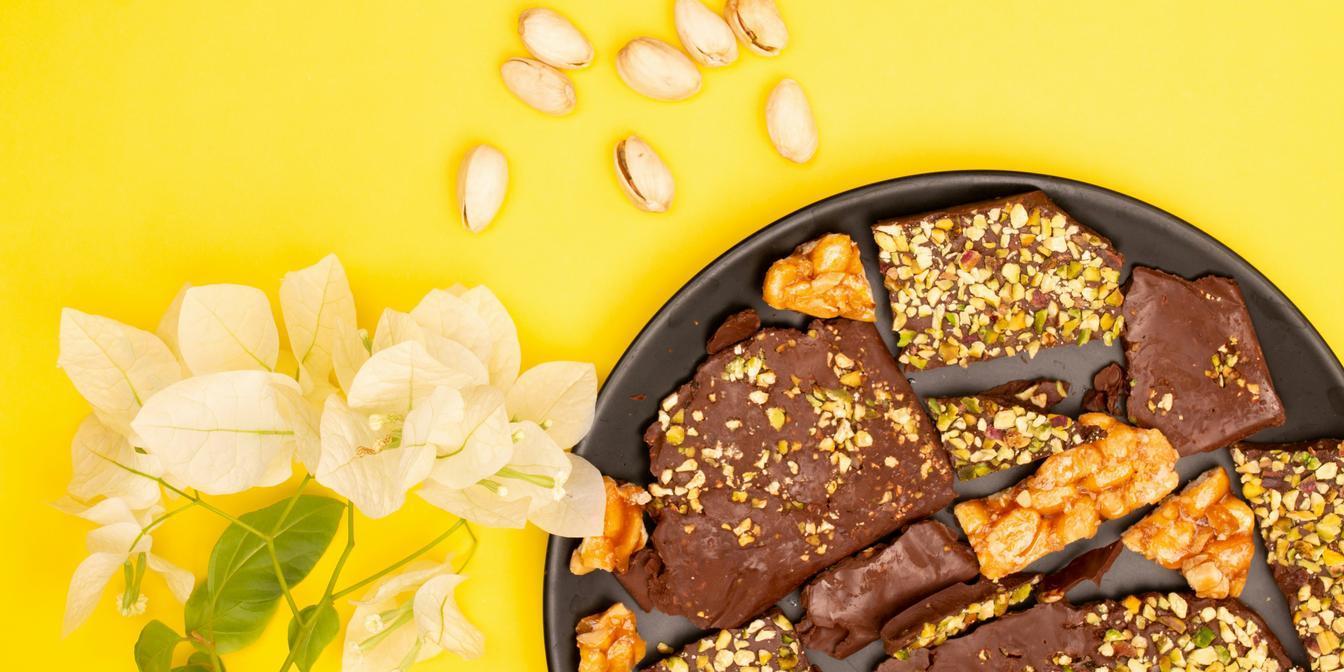
Noghl commonly refers to small sugar-coated confections, often made around an almond, although the centre and flavour can vary. They are easy to place in a small sharing bowl and can add a crisp texture to a tea-time selection.
Floral variations may be especially interesting to shoppers looking beyond rosewater and saffron. One example is Iranian noghl with a delicate bidmeshk aroma. As with other coated sweets, confirm the centre, flavouring and allergen information on the current pack.
Baslogh and Other Chewy Confections
Baslogh is a soft, chewy Iranian sweet that can complement crisp cookies and brittle sohan. Its texture is the principal reason to include it in an assortment, particularly if you want an alternative to nougat-style pieces. The traditional Iranian baslogh listing is one example for shoppers comparing chewy formats.
Nougat traditions also extend beyond products labelled gaz. A listing such as Tabriz-style Iranian nougat can be compared with gaz by checking the stated texture, presentation and pack information. Avoid assuming that all white nougat-style sweets have identical ingredients or firmness.
A Quick Comparison of Persian Sweet Styles
| Sweet | Typical character | Useful buying check |
|---|---|---|
| Gaz | Chewy, nougat-style confection | Firmness, format and declared nut content |
| Sohan | Crisp or brittle-style confectionery | Takht or loghmeh format and piece size |
| Qottab | Filled pastry | Filling, preparation style and allergens |
| Naan berenji | Delicate, crumbly rice cookie | Flavouring, packaging and current ingredients |
| Baklava | Layered or filled, often syrup-enriched pastry | Nut mixture, sweetness and portion size |
| Nabat | Hard rock candy | Stick, crystal or loose-piece format |
| Noghl | Small coated confection | Centre, coating flavour and allergens |
| Baslogh | Soft and chewy sweet | Piece format and ingredient label |
Choosing Iranian Sweets for Gifts and Celebrations
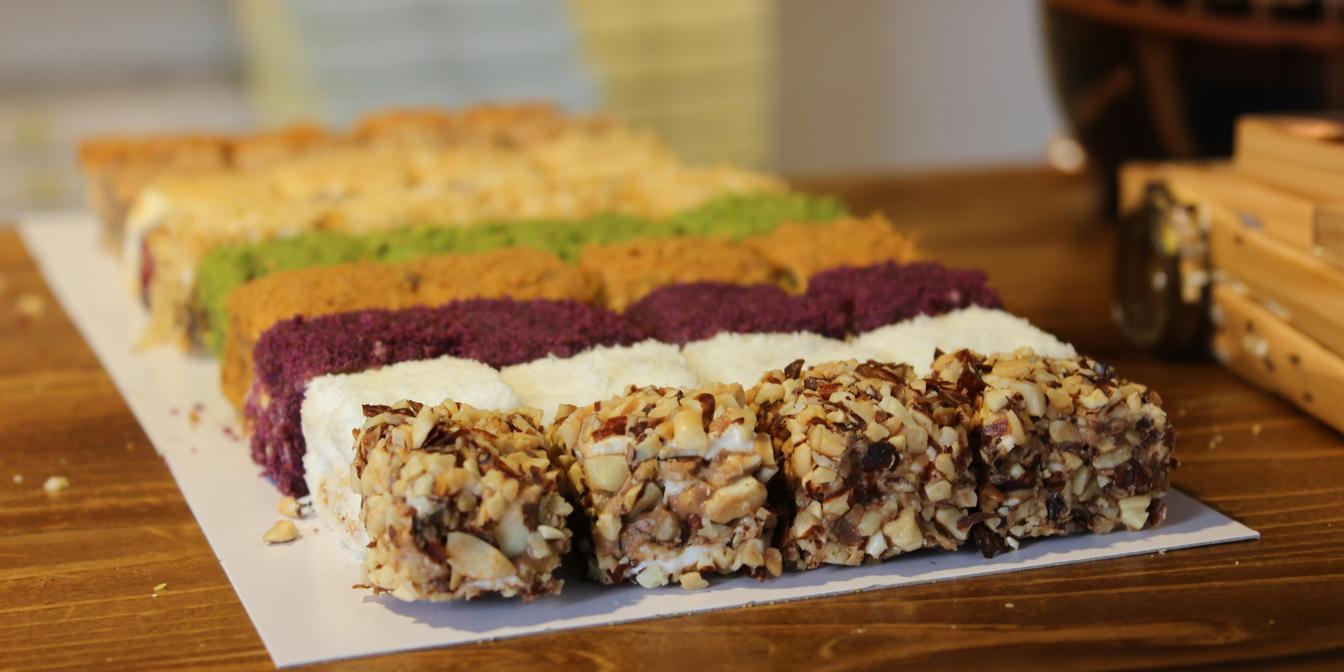
A successful gift assortment usually offers contrast without becoming confusing. One chewy confection, one crisp sweet and one cookie or pastry can provide a balanced introduction. If the recipient already has a favourite, a focused box of gaz, sohan or cookies may be more useful than a broad assortment.
Consider practical presentation as well as appearance. Individually portioned pieces can be easier to share, while delicate cookies and pastries may need careful plating. Review the product listing to understand whether an item comes as loose pieces, wrapped portions or a presentation box; do not infer the packaging from a styled photograph alone.
For celebrations, account for the other food and drinks being served. Rich pastries may work best in smaller portions, while cookies and coated nuts can be placed in bowls for gradual sharing. Always check with guests about allergens and dietary requirements before selecting the final mix.
How to Buy Iranian Sweets Online in the UK
A specialist Iranian sweet shop in the UK should make it possible to identify what is being sold without relying solely on translated product names. Useful listings describe the format, pack size, manufacturer or brand where applicable, and current ingredient or allergen information. Photographs should help shoppers understand whether the contents are individually wrapped, flour-packed, flat, bite-sized or arranged as pastries.
When comparing retailers, use a consistent checklist rather than judging on range alone. The advice in this guide to choosing an online Iranian grocery store covers listing quality, delivery terms, basket cost and customer support. For a wider pantry order, the complete guide to buying Iranian food online in the UK explains how to assess specialist grocery shops and product information.
Review the Exact Listing
- Confirm whether the product name describes a flavour, texture, regional style or presentation format.
- Check pack weight, piece count where supplied and whether portions are individually wrapped.
- Read the current ingredients and allergen statement rather than using a general recipe from another source.
- Look for storage instructions applying to the exact pack.
- Review current delivery terms before ordering for a fixed celebration or gifting date.
Plan the Whole Basket
If sweets are part of a larger Persian grocery order, think about how the items work together. Tea, serving sugar, nuts and a small selection of contrasting sweets may be more useful than several near-identical boxes. A mixed basket can also include pantry staples, but keep fragile confectionery and your intended delivery date in mind when reviewing the retailer’s terms.
Common Mistakes When Buying Persian Sweets
Assuming Every Product Has the Same Recipe
Gaz, sohan, qottab and naan berenji are categories rather than single universal formulas. Ingredient lists, flavour intensity and texture can differ by producer. Always make the final decision from the exact product information.
Choosing Only by Appearance
A decorative box does not tell you whether the contents are chewy, brittle, crumbly or heavily sweetened. Read the format description and, when possible, choose a mixture suited to the people who will eat it.
Overlooking Transliteration
English spellings of Persian names vary. Searches for qottab and ghotab, or naan berenji and nan-e berenji, may surface related products. Treat spelling as a search aid, then compare the actual descriptions.
Assuming Dietary Suitability
A rice cookie is not automatically gluten-free, a nut-free-looking sweet may still contain nuts, and a traditional name does not establish vegan, vegetarian or halal suitability. Only explicit information for the current product should guide those decisions.
Buying Too Many Similar Textures
An assortment containing only dense nougat-style sweets may feel repetitive. For a more useful introduction, combine chewy, crisp and crumbly choices, then add either a pastry or a tea sweet such as noghl or nabat.
How to Serve Iranian Sweets with Tea
Arrange small portions on separate plates or shallow bowls so guests can identify each sweet. Serve crumbly cookies away from sticky or syrup-enriched pastries, and provide small plates when offering qottab or baklava. Gaz, noghl and individually portioned confectionery can be placed near the tea service for gradual sharing.
The tea itself can be plain or aromatic depending on the sweets. A less sweet drink can balance rich pastries, while cardamom or saffron notes may complement selected confections. This guide to Persian tea and traditional serving explains the principal tea styles available to UK shoppers.
Start with modest servings and replenish the plates as needed. This keeps the selection orderly and lets guests compare flavours without committing to a large portion. Follow the storage directions on each package after opening, particularly when different kinds of pastry and confectionery are served together.
Building Your First Iranian Sweets Selection
For a straightforward first order, choose three contrasting formats: a chewy gaz or baslogh, a crisp sohan, and a delicate cookie such as naan berenji. Add qottab if you prefer filled pastry, noghl for small coated sweets, or nabat when the tea ritual is the main focus.
The central principle is to shop by experience rather than name alone. Compare texture, flavour, portion format, ingredients and occasion, then verify every dietary or allergen requirement against the current label. With those checks in place, buying Iranian sweets online becomes an enjoyable way to explore the range of traditional Persian confectionery available to UK shoppers.
Frequently Asked Questions
What are the most popular traditional Iranian sweets?
Well-known choices include gaz, sohan, qottab, naan berenji, noghl, nabat, baslogh and Persian baklava. They cover a wide range of chewy, crisp, crumbly, hard and pastry-like textures.
Where can I buy Iranian sweets online in the UK?
Look for a specialist Persian or Iranian grocery shop with clear pack descriptions, current ingredient and allergen information, storage guidance and transparent delivery terms.
What is the difference between gaz and sohan?
Gaz is generally a chewy, nougat-style confection, while sohan has a crisper, more brittle character. Both come in different formats, so check the individual product description.
Which Persian sweets are best served with tea?
Gaz, sohan, naan berenji, qottab, noghl and baslogh can all accompany tea. Nabat is particularly associated with tea because the rock candy can be dissolved in the drink.
What is qottab made from?
Traditional qottab commonly has a pastry shell surrounding a sweetened nut filling, often using almond or walnut with aromatic spice. Recipes vary, so check the exact product label for ingredients and allergens.