Buying unfamiliar groceries online can be difficult when product names vary, labels use more than one language and several similar-looking ingredients serve different purposes. The simplest solution is to shop by meal rather than filling your basket with random specialities. Decide what you want to cook or serve, choose a few versatile pantry foundations and then add the flavourings, sides and drinks that make those meals distinctive.
The quick way to buy Middle Eastern groceries online with confidence
To buy Middle Eastern groceries online in the UK with confidence, begin with a specialist retailer that provides clear product names, pack sizes, photographs, descriptions and practical ordering information. Next, build your basket around two or three meals you already understand. Compare the form and intended use of each ingredient before adding it, and check the retailer’s current delivery and returns information before placing the order.
A useful first shop normally contains five types of item:
- A main foundation: rice, grains, bread, noodles or another ingredient around which meals can be organised.
- Meal builders: pulses, beans, canned vegetables or ready-cooked ingredients.
- Flavour builders: dried herbs, spices, sauces, extracts or oils selected for particular recipes.
- Table accompaniments: pickles, preserves, jams or ready-to-serve side dishes.
- Everyday extras: tea, nuts, dried fruit, snacks or sweets for breakfast, hospitality and informal entertaining.
This structure keeps an initial order manageable while giving every purchase a clear role. If you want a checklist before shopping, the guide to building a practical Middle Eastern pantry explains how to prioritise cupboard staples without trying to buy everything at once.
What counts as Middle Eastern groceries?
Middle Eastern groceries are not one fixed range of products or a single cuisine. The broad category may include Persian, Arab, Levantine, Turkish and other regional foods, with substantial variation between countries, communities and households. Everyday products can include rice, grains, pulses, noodles, bread, canned vegetables, herbs, spices, pickles, tea, preserves and cooking ingredients. Specialist ranges may also include regional sweets, drinks, dried fruits, nuts, snacks and convenience foods.
Some items are used across several cuisines but under different names or in different ways. Others are closely associated with particular dishes or traditions. Even when two products belong to the same broad family, their texture, preparation, cut, strength or blend may differ. This is why it is more useful to ask what an ingredient is for than whether it is simply authentic.
Persian, Levantine, Turkish and Arab pantry traditions are not identical
Persian cooking has its own rice traditions, herb combinations, stews, pickles and serving customs. Levantine cooking may place different emphasis on mezze ingredients, grains, pulses and seasonings. Turkish and Arab cuisines contain further regional variations, and no short list can represent every country or household.
Ingredient names can also overlap without guaranteeing that products are interchangeable. A dried herb mixture intended for a Persian stew, for example, should not automatically be treated as a universal seasoning. Pickled vegetables can vary in cut, acidity and intended accompaniment, while rice may be chosen according to a particular cooking method or finished texture.
ASA Market is particularly relevant to shoppers looking for Persian groceries online and Iranian food in the UK, while also carrying products that can fit a wider Middle Eastern pantry. Readers concentrating on Iranian ingredients can use the more focused Persian grocery buying guide alongside this broader overview.
Start with the dishes and meals you actually want to make
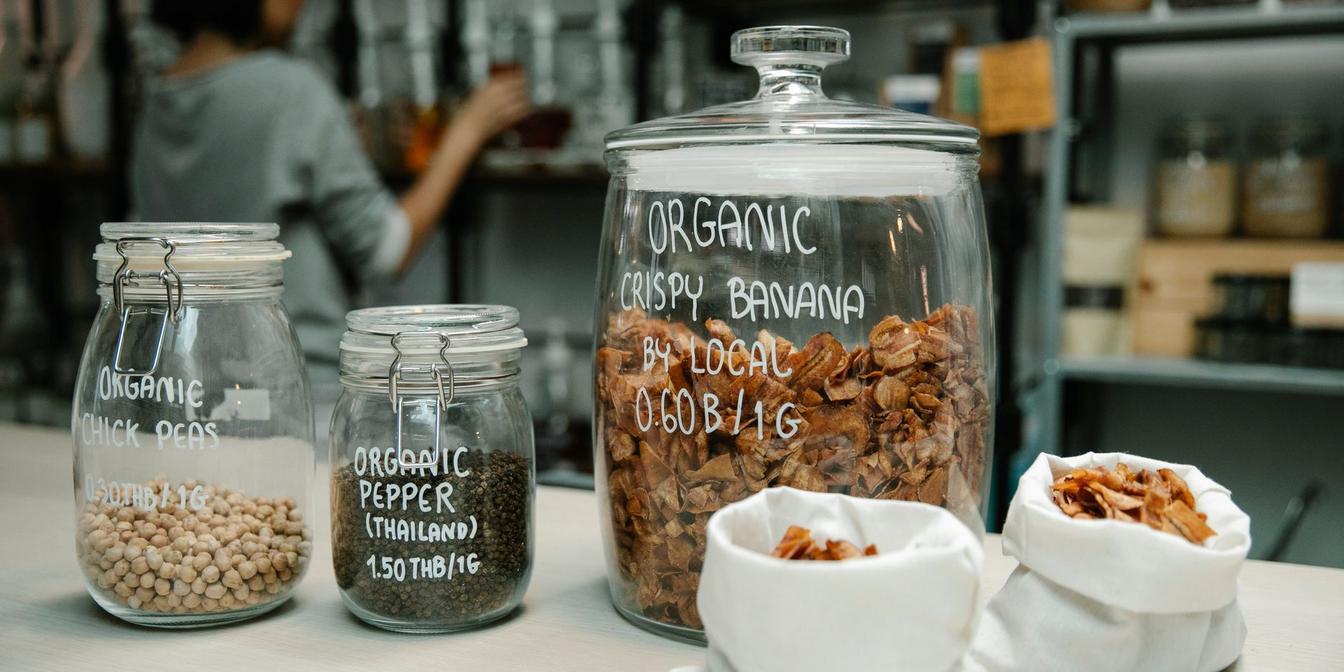
A long category menu can encourage impulse purchases, especially when every jar, spice packet and sweet looks interesting. Before browsing, write down the occasions for which you are shopping. These might include weekday rice dishes, soups and stews, grilled meals, mezze, breakfasts, afternoon tea, baking, snacks or a table for guests.
Choose two repeatable meals and one low-effort serving occasion. For example, you might plan a rice-based dinner, a pulse-based soup and a tea-and-snack selection. List the foundation, main flavourings and accompaniments required for each. Ingredients that appear in more than one plan deserve priority because they are less likely to remain unused.
Everyday foundation staples
Rice, grains, pulses, noodles, bread and canned vegetables form the practical centre of many baskets. Select them according to how often you cook, the dishes you intend to prepare and the preparation time that suits your routine. A large rice pack may make sense for a household that cooks rice frequently, while a smaller or ready-cooked format can be a better introduction to an unfamiliar ingredient.
Do not assume that every grain or rice variety behaves identically. Read the product name and preparation information, then match it to a recipe or cooking method. With canned foods, distinguish between ready-cooked items and products that still require further preparation.
Flavour-building ingredients
Herbs, spices, saffron, dried vegetables, sauces, extracts and oils can define a dish, but they are also the products most likely to be bought without a plan. Check whether an ingredient is whole, ground, chopped, powdered, dried or blended. These formats can affect how it is measured, added and cooked.
A single spice and a recipe-specific blend are not the same purchase. Individual spices offer flexibility, while blends can be convenient when you know the dish for which they are intended. Start with the items named in the recipes you will actually use rather than assembling a large collection immediately.
Ready-to-serve sides, preserves and convenience foods
Pickles, torshi, jams, canned foods and ready meals can make an online order useful even when you do not plan elaborate cooking. They can accompany rice, stews or grilled dishes, contribute to a breakfast table or provide a convenient cupboard option.
When comparing preserves, look at the specific product style rather than choosing solely from the category name. Mixed vegetables, finely chopped pickles and whole pickled ingredients offer different eating experiences. Check the pack size and serving context so that the product fits your household and meal plan.
Tea, nuts, dried fruit, snacks and sweets
Not every basket needs to be built around dinner. Tea, nuts, dried fruit, confectionery and savoury snacks can support breakfast, afternoon tea, hospitality, gifting or informal entertaining. These categories are also an accessible way to explore unfamiliar flavours without learning a new cooking technique.
Keep the occasion in mind. A tea chosen for everyday drinking may be a different decision from a drink selected for guests. Likewise, a small variety of sweets or dried fruit may be more practical than several large packs of similar items. For a more focused overview, see the guide to Middle Eastern drinks available to UK shoppers.
A category-by-category Middle Eastern pantry shopping guide
Once you have a meal plan, compare products within their own grocery families. The most useful questions are consistent: What dish is this for? What form is it in? How much will I use? Does it require preparation? Is the product name describing a broad category, a regional style, a variety or a brand?
Rice and grains: choosing by dish, texture and pack size
Rice deserves careful comparison because the word rice alone does not tell you how a product is normally used. Persian rice, basmati, parboiled rice and other grains may suit different recipes and cooking methods. Choose by the result the dish requires rather than treating one variety as universally superior.
Start by checking the full variety name and pack size. Named Iranian products such as Saharkhiz Iranian Tarom Rice and Sina Food Domsiah Gilan Rice illustrate why shoppers should look beyond a generic rice label. The listings identify specific Iranian rice varieties in 4.5kg packs, making them relevant to shoppers planning Persian-style rice dishes.
If you are new to a variety, follow the preparation information supplied with the product or the recipe you have selected. Do not automatically transfer the timing and water ratio from another type of rice. Also consider storage space and cooking frequency before choosing a large pack.
Pulses, beans and canned vegetables: reliable meal builders
Pulses, legumes and canned vegetables can support soups, stews, rice dishes, salads, sides and quick meals. When comparing them, first establish whether the item is dried, canned or already cooked. Dried products generally require more planning, while ready-cooked versions reduce preparation.
Check the total pack size, any stated drained weight and the preparation instructions. A product such as 1&1 Cooked Broad Beans is explicitly described as ready-cooked, so it can be considered for quick meals or side dishes. That is a different proposition from buying dried broad beans that need soaking or longer cooking.
It is sensible to begin with one or two pulse types connected to planned meals. Buying many similar cans may create apparent variety without giving you meaningfully different options.
Herbs and spices: whole, ground, dried or blended
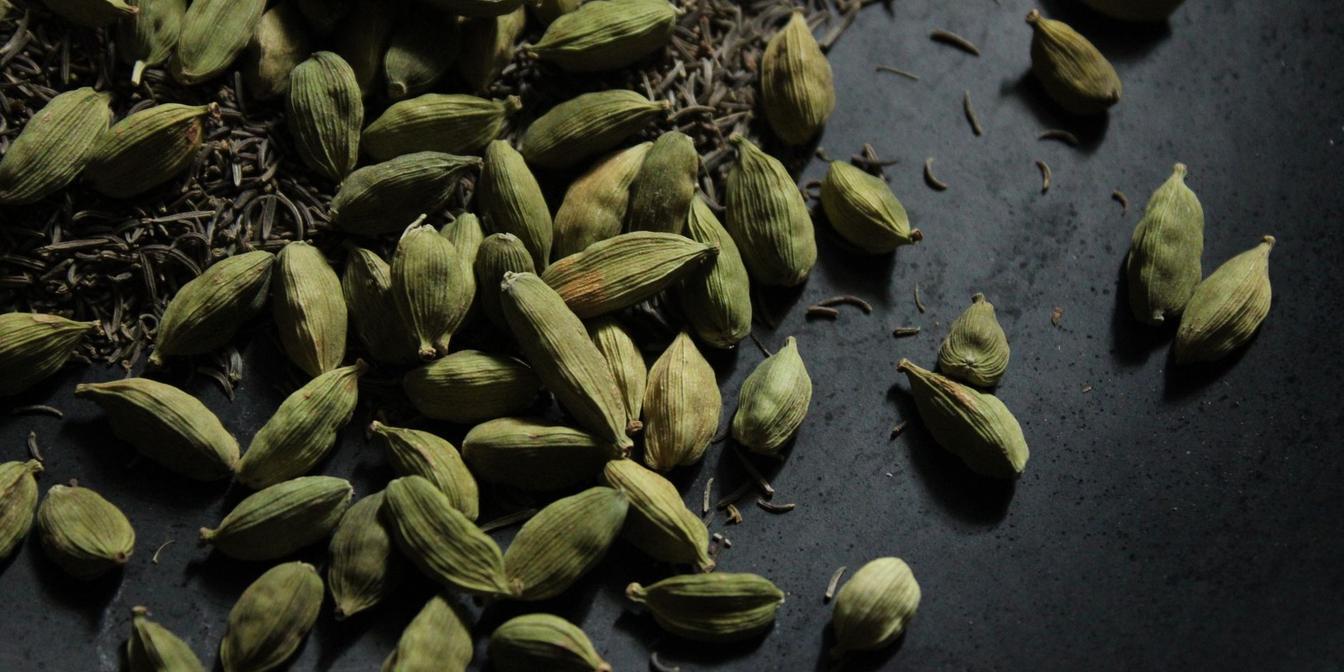
Middle Eastern spices online are commonly offered whole, ground or as blends, while herbs may be sold dried, chopped or combined for particular dishes. Format matters because whole spices, ground powders and dried leaves are not measured or used in exactly the same way.
Options such as saffron, sumac, turmeric and dried herbs can perform very different jobs. Saffron may be selected for recipes that explicitly call for it; sumac can provide a distinctive seasoning; turmeric is used in many savoury preparations; and dried herbs may be added individually or as part of a recipe-specific mixture. The important step is to match the ingredient to a known use.
For example, Anjoman Dried Dill Weed is described as a dried herb suitable for rice dishes and soups. It is therefore a practical option when dill appears in your meal plan, rather than an all-purpose substitute for every herb blend.
Before adding a large spice selection, inspect what is already in your cupboard. Duplicate jars are a common result of online ethnic grocery shopping because familiar spices can appear under slightly different category names.
Pickles and torshi: compare style as well as ingredients
Middle Eastern pickles range from individual vegetables to mixed preparations, with products varying in cut and serving style. Torshi is a broad Persian pickling tradition rather than one completely standard item, so the specific name and description matter.
Anjoman Torshi Liteh, for instance, is described as finely chopped mixed vegetables in a vinegar-based blend and as a side for rice, kebabs and stews. That description helps distinguish it from a jar containing whole or larger pieces. Choose according to the texture and meal context you prefer.
Tea and drinks: shop by serving occasion
Tea and other drinks may be everyday household staples, part of welcoming guests or simply a way to explore regional grocery traditions. Compare the product format, pack size and preparation method before ordering. Loose tea, tea bags, concentrates and ready-to-serve drinks require different equipment and levels of preparation.
A useful first drinks order should complement the rest of the basket. If you are buying sweets, dried fruit or nuts for guests, tea may be a natural addition. If the focus is weekday cooking, you may prefer to reserve more of the basket for pantry foundations.
Nuts, dried fruit, snacks and sweets: add variety with a purpose
These categories can quickly expand an order, so assign each purchase an occasion. Select a few items for tea, packed snacks, a shared table or gifting rather than ordering several near-duplicates. Read the current product information carefully when ingredients or personal dietary requirements affect your choice.
How to compare unfamiliar grocery products online
A strong product page should help you identify what the item is, how much is included and how it might be used. When several choices look similar, compare them in a fixed order:
- Product type: confirm whether the listing is for a single ingredient, a blend, a preserve, a drink or a ready-cooked food.
- Regional or variety name: determine whether words in the title identify a place, recipe style, ingredient variety or brand.
- Format: check for whole, ground, dried, chopped, canned, cooked or concentrated forms.
- Pack size: match the quantity to cooking frequency, household needs and available cupboard space.
- Intended use: look for examples of dishes or serving occasions in the supplied description.
- Preparation: establish whether soaking, rinsing, brewing, cooking or dilution is required.
A familiar-looking photograph should not replace the written information. Similar packages can contain different cuts, blends or varieties. If a critical detail is absent, contact the retailer before ordering rather than relying on an assumption.
How to choose a reliable Middle Eastern supermarket online in the UK
A reliable specialist online supermarket should make it reasonably easy to understand what you are buying and how the ordering process works. Look for descriptive product titles, readable pack sizes, useful categories and product information that goes beyond a photograph. Clear contact details and accessible policies also help you resolve questions before payment.
Review the retailer’s current delivery information for your UK location before building a large basket. Pay attention to dispatch expectations, delivery areas, charges and any special handling information displayed for particular product types. These details can change, so consult the retailer’s current pages rather than depending on an old review or search result.
Navigation matters as well. A store organised into useful categories such as rice, pulses, herbs, pickles, tea and sweets makes comparison easier than a catalogue with inconsistent naming. Search should accommodate English spellings and regional names where possible.
If your priority is specifically Iranian food online in the UK, evaluate how deeply the retailer covers Persian staples rather than judging it only by the size of its general international range. The overview of shopping for Iranian groceries in the UK provides additional questions to consider when choosing a specialist supplier.
Build a practical first order
Your first order does not need to represent the entire region. A focused basket is easier to use, evaluate and repeat. One practical approach is to choose a basket style and limit yourself to a small number of roles.
A general beginner’s pantry basket
- One rice or grain suited to a planned main dish.
- One or two pulses or canned vegetables.
- Two individual herbs or spices used by your chosen recipes.
- One pickle or preserve to serve alongside meals.
- One tea, dried fruit, nut, snack or sweet for an everyday occasion.
A Persian cooking basket
- A named rice variety selected for a Persian-style rice dish.
- Pulses or canned vegetables required by a stew, soup or side.
- A small set of recipe-specific dried herbs and spices.
- Torshi or another suitable table accompaniment.
- Tea or a snack selected for serving after the meal.
A low-cooking entertaining basket
- Ready-to-serve pickles or preserves.
- Nuts and dried fruit chosen for a shared table.
- Tea or another drink with a clear preparation method.
- A limited selection of sweets or savoury snacks.
- One or two canned items that can be incorporated into simple sides.
Before checkout, remove any item that has no planned use. Then check whether several products perform the same role. Three kinds of pickles and four similar spice blends may be interesting, but they can make a first order less practical than one carefully chosen example from each category.
Common mistakes to avoid
Treating the region as one cuisine
A broad Middle Eastern label is useful for store navigation, but it should not erase regional differences. Follow the terminology and ingredient list of the recipe you intend to make.
Buying by packaging alone
Packaging can be visually persuasive without explaining format or use. Always read the product title, quantity and description, especially when comparing herbs, spice blends, rice and pickles.
Confusing a blend with a single ingredient
A named herb or spice mixture may be formulated for a particular dish. Do not assume it can replace each individual ingredient in an unrelated recipe.
Ignoring preparation requirements
Dried pulses, ready-cooked beans, concentrated drinks and loose tea involve very different levels of effort. Confirm the preparation method before ordering.
Ordering too many speciality products at once
An ambitious basket can leave you with numerous products but no complete meal. Foundations, meal builders and a few targeted flavourings are normally a better starting point.
Forgetting to review the basket as a whole
Check for duplicate roles, impractical quantities and missing foundations. If you have several seasonings but nothing to cook with them, rebalance the order before payment.
A simple ordering process to reuse
- Choose two meals and one breakfast, snack or hospitality occasion.
- Write down the foundation and essential ingredients for each.
- Search by both the English name and any regional name provided by your recipe.
- Compare product type, format, pack size and intended use.
- Add one accompaniment and one everyday extra only if they have a clear purpose.
- Review current product and delivery information.
- After using the order, note what you would buy again and what quantity was practical.
This final step turns a first order into a personalised pantry plan. Over time, you can add new regional ingredients while continuing to reorder the foundations that genuinely fit your cooking.
Buy for real meals, then expand gradually
The best way to buy Middle Eastern groceries online is not to search for a definitive list of authentic products. It is to choose a reliable UK specialist, recognise that Persian, Levantine, Turkish and Arab traditions differ, and connect every purchase to a dish or serving occasion.
Begin with rice or another foundation, add useful pulses and canned vegetables, select recipe-specific herbs and spices, and complete the basket with one preserve, drink or snack. Once you understand the formats, quantities and flavours that suit your household, you can expand the cupboard with far more confidence and far less waste.
Frequently Asked Questions
What are the best Middle Eastern groceries for a beginner’s pantry?
Start with one rice or grain, one or two pulses, a few recipe-specific herbs and spices, a pickle or preserve, and tea, nuts or dried fruit. Choose products connected to meals you already plan to make.
Where can I buy Middle Eastern groceries online in the UK?
Use a specialist UK online supermarket with clear product descriptions, pack sizes, contact details and current delivery information. ASA Market is particularly relevant for Persian and Iranian groceries alongside wider Middle Eastern pantry products.
How can I tell whether an online Middle Eastern grocery store is reliable?
Look for clear product names, useful descriptions, readable quantities, organised categories, accessible policies and contact information. Review the store’s current delivery details before ordering.
What is the difference between Persian groceries and other Middle Eastern groceries?
Persian groceries reflect Iranian ingredients, dishes and pantry traditions, including particular rice varieties, herb combinations and pickles. Other Middle Eastern cuisines have their own staples and methods, so similarly named products are not always interchangeable.
Which Middle Eastern ingredients are most versatile for everyday cooking?
Rice, pulses, canned vegetables, individual dried herbs and commonly used spices are practical starting points. Pickles, tea, nuts and dried fruit can add useful table and snack options without requiring complex preparation.