Buying saffron online can be confusing. Product pages may use terms such as Negin, Sargol, Pushal, pure, premium or Grade A, yet those descriptions do not always mean the same thing from one seller to another. The best approach is to compare verifiable details rather than choosing solely by a grade name, photograph or promotional phrase.
This guide explains what to check when you buy Persian saffron online in the UK, how the main Iranian thread styles differ, when whole threads are preferable to powder, and how to select a sensible pack size. It also covers preparation, blooming, cooking and storage so that the saffron you buy is used effectively.
Buying Persian saffron online in the UK: the quick answer
Prioritise genuine saffron threads sold with a clearly stated Iranian origin, net weight and identifiable seller or brand. The product page should show the form of the spice, explain what the pack contains and provide clear packaging images or descriptions. Batch, packing or date information is also useful when the seller supplies it.
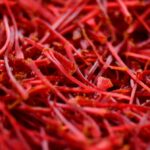
Whole threads are generally the easiest form for an online buyer to inspect after delivery. You can examine their shape, colour variation and cleanliness before grinding them yourself. However, attractive red threads alone cannot prove purity, origin or laboratory quality, so appearance should be treated as one part of a broader assessment.
Choose the pack size according to how often you cook with saffron. An occasional user might begin with a clearly labelled product such as Saharkhiz Iranian saffron in a 1g pack. A larger pack can be practical for a household regularly preparing saffron rice, desserts or drinks, but only if it can be kept tightly sealed and protected from heat, moisture and light.
Seller transparency matters as much as presentation. Look for accessible contact details, understandable product descriptions and consistent information about weights and product identity. For wider advice on evaluating an online Persian food retailer, consult this guide to buying Persian groceries online in the UK.
A practical saffron buyer’s checklist
Use the following checklist while comparing product pages:
- Form: Does the listing clearly say whether the product contains whole threads, ground saffron or a saffron-containing blend?
- Origin: Is Iran stated as the geographical origin, rather than merely implied by Persian-style branding or packaging?
- Net weight: Is the amount shown in grams? If a traditional unit such as mesghal is used, is an approximate gram weight also provided?
- Thread style: If the product is described as Negin, Sargol, Pushal or Dasteh, does the listing explain what that means for the visible thread portions?
- Packaging: Are the threads held in an intact, closable or sealed inner container that can help protect them after purchase?
- Batch and date details: Are batch, packing or best-before details visible or described where supplied?
- Seller identity: Can you identify the retailer, obtain contact information and understand what will be supplied?
- Quality evidence: If the seller makes specific laboratory or ISO-related claims, is there supporting information connected to the product or batch?
- Photographs: Do the images appear to show the actual product and its label rather than only a decorative bowl of saffron?
- Pack suitability: Is the quantity realistic for your cooking frequency and storage conditions?
Be cautious when a listing depends entirely on words such as “finest”, “superior” or “authentic” without explaining origin, form, weight or evidence. Conversely, do not reject a product merely because its packaging is simple. Useful specifications are more informative than elaborate presentation.
What is Persian saffron?
Culinary saffron consists of the dried stigmas of Crocus sativus. Each flower produces only a small number of stigma strands, which are separated and dried before being sold as threads or ground into powder. Persian saffron and Iranian saffron are geographical descriptions indicating that the saffron is stated to originate from Iran.
In Iranian cooking, saffron is used in rice dishes, khoresh-style stews, marinades, desserts, sweets and drinks. It can provide colour, aroma and a distinctive flavour, but the result depends on how the threads are ground, infused and distributed through the dish. Saffron is therefore both an ingredient and a preparation technique.
It also belongs within a wider pantry that may include rice, dried herbs, barberries, dried limes, pulses and rosewater. If you are building that pantry from the beginning, this overview of essential Persian cooking ingredients explains how the main items are used together.
Why Iranian origin does not automatically tell you the grade
Country of origin answers one question: where the product is stated to come from. It does not, by itself, tell you how the stigmas were separated, how much yellow style is present, how recently the saffron was packed, how it has been stored or what laboratory results it may have achieved.
Two products can both be Iranian saffron threads while differing in thread length, proportion of red stigma, handling, packaging and measured colour strength. Likewise, a premium-sounding commercial name cannot independently establish freshness or purity. Treat origin, thread style, pack condition and supporting evidence as separate parts of the buying decision.
Persian saffron grades and thread styles explained
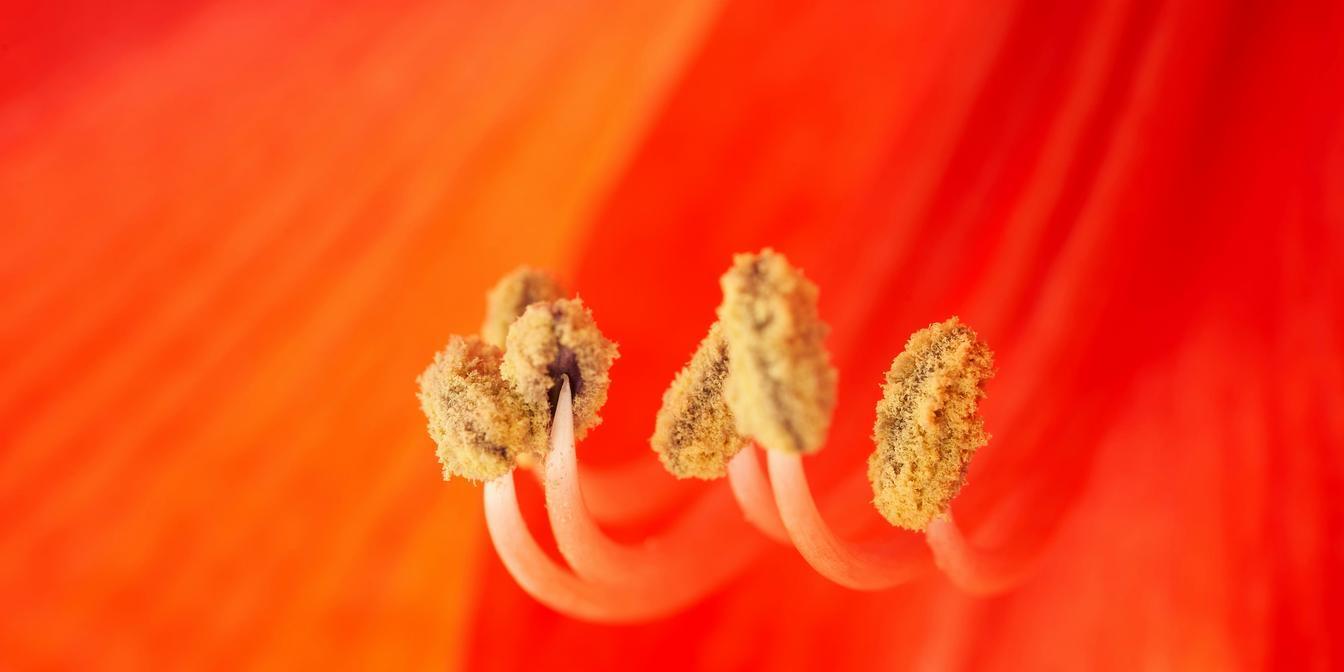
Iranian saffron sellers commonly use Negin, Sargol, Pushal and Dasteh to describe different commercial presentations. Broadly, these terms indicate how much of the red stigma and lighter yellow or orange style remains in the finished product.
Terminology can vary between producers and retailers, and the boundaries are not always obvious from an online photograph. Use the name as a starting point, then check the written specification and any credible supporting information.
Negin saffron
Negin is generally presented as a premium commercial style made up of relatively long, separated red stigma portions with little or no visible yellow style. Its tidy, all-red appearance makes it attractive to buyers who value presentation as well as culinary use.
The word Negin should not be treated as a complete quality guarantee. Check whether the actual product description specifies whole threads, Iranian origin and net weight. If a seller makes precise claims about colour strength or laboratory classification, look for evidence applying to the relevant product or batch.
Sargol saffron
Sargol generally consists of the red stigma portions after the lighter style has been removed. The threads may be shorter or less uniformly arranged than a typical Negin presentation, but Sargol remains a widely used all-red thread style suitable for everyday premium cooking.
Whether Sargol or Negin is the more sensible purchase depends on the individual product, evidence, pack size and intended use. A carefully packed Sargol product may be a better choice than a vaguely specified product carrying a more prestigious name.
Pushal saffron
Pushal typically retains some yellow or orange style attached to the red stigma. This visible transition can help buyers see more of the natural structure of the stigma, although it means that the pack contains a mixture of red and lighter material.
Pushal is a legitimate saffron presentation and should not automatically be labelled fake or unsuitable. Compare it on the basis of accurate labelling and intended use rather than assuming that the presence of lighter ends proves poor quality.
Dasteh or bunch saffron
Dasteh, also called bunch saffron, retains more of the stigma and style and may be tied or arranged in a traditional bundle. Its appearance is closer to the connected structure collected from the flower than an all-red Sargol or Negin presentation.
Because more of the lighter style remains, buyers receive less all-red material within each gram. That is a characteristic of the presentation rather than proof of adulteration. Dasteh may appeal to buyers interested in a traditional format, while all-red styles may be more convenient when a recipe calls for a measured quantity of red threads.
Commercial grades versus ISO 3632 categories
Negin, Sargol, Pushal and Dasteh are commercial thread-style terms. They are not interchangeable with ISO 3632 categories. ISO 3632 is a laboratory framework covering saffron specifications and test methods, including characteristics associated with colour, flavour and aroma.
A seller should not use a commercial name as though it automatically proves a particular ISO category. Likewise, a general statement that saffron is “tested” is less useful than information identifying the test method, result, sample or batch and testing date. Laboratory evidence can strengthen a product claim, but shoppers should check what was tested and whether the evidence can reasonably be connected to the item being sold.
The absence of displayed test data does not, on its own, establish that a product is poor or inauthentic. It simply means the buyer should avoid inferring a laboratory category that has not been demonstrated.
Threads or powder: which saffron should you buy?
Whole saffron threads are usually the most practical choice for shoppers who want to inspect the spice and grind only what they need. They make it easier to distinguish red stigma portions, lighter style ends and obvious foreign material. Grinding the threads immediately before blooming also gives the cook control over preparation.
Ground saffron can be convenient, particularly when purchased from a trusted seller in transparent, clearly labelled packaging. Its disadvantage is that buyers cannot inspect the original thread structure. A powder may also lose its distinctive qualities more quickly after opening because more surface area is exposed.
Do not confuse pure ground saffron with a saffron-containing seasoning or colouring blend. A blend can have a valid culinary purpose, but it is a different product and should identify its contents clearly. If your intention is to buy pure saffron, the listing should explicitly describe the product as saffron rather than relying on a saffron-related flavour name.
Why whole saffron threads are easier to evaluate
With whole threads, you can screen for several visible characteristics after opening the package:
- recognisable stigma-like strands rather than uniformly cut fibres;
- variation expected from a natural product rather than perfectly identical pieces;
- the stated balance of red stigma and lighter style for the advertised thread type;
- an absence of obvious debris or unrelated plant material; and
- threads that have not been crushed into an unexplained mass during packing or transit.
These checks are useful but limited. Colour, shape, smell and a home infusion test cannot conclusively prove geographical origin, purity or ISO classification. Visual inspection is a screening step, not a substitute for traceable product information or appropriate testing.
How to choose the right saffron pack size
Saffron is used in small quantities, so the largest pack is not automatically the best value for every household. Think about how frequently you prepare saffron rice, tahdig, desserts or drinks and whether the opened package will remain well protected between uses.
| Pack size | Who it may suit | Buying consideration |
|---|---|---|
| About 1g | First-time or occasional users | A manageable size for learning how saffron behaves in different recipes. |
| About 2–3g | Regular home cooks | Useful when saffron appears frequently in rice, desserts or drinks. |
| About 4.6g or one mesghal | Frequent users and larger households | Requires disciplined storage and careful measuring to avoid waste. |
Between the smallest and largest formats, a half-mesghal pack of approximately 2.3g offers a middle-sized option. A 3g Iranian saffron pack may suit a household that uses saffron regularly across several types of dish.
One mesghal is commonly represented on Iranian saffron product labels as approximately 4.6g, as shown by this one-mesghal saffron thread pack. Always use the displayed gram weight for comparison because traditional units and retailer rounding can otherwise make pack sizes harder to judge.
Assessing the seller, packaging and delivery information
A trustworthy product page should make it reasonably clear what you are ordering. Confirm the product name, brand, form, stated origin and net weight. Images should be consistent with the written description, and the seller should provide a workable way to ask questions or resolve an order issue.
Packaging matters because delicate threads can be crushed and exposed to environmental conditions. Look for an inner container or sealed pack rather than assuming that a decorative outer box alone protects the spice. When the order arrives, check that the product identity and weight match the listing and that the package is intact before putting it away.
For a larger grocery order, also review dispatch and delivery information, particularly when combining saffron with fragile jars, chilled foods or heavy bags of rice. This guide to Persian grocery delivery in the UK outlines practical checks for ordering pantry products online.
Be wary of absolute claims based on weak evidence. An intense photograph can be edited, a powerful aroma is subjective, and a home water test cannot establish origin or full chemical quality. Strong seller transparency comes from specific, consistent information rather than one dramatic claim.
How to prepare saffron before cooking
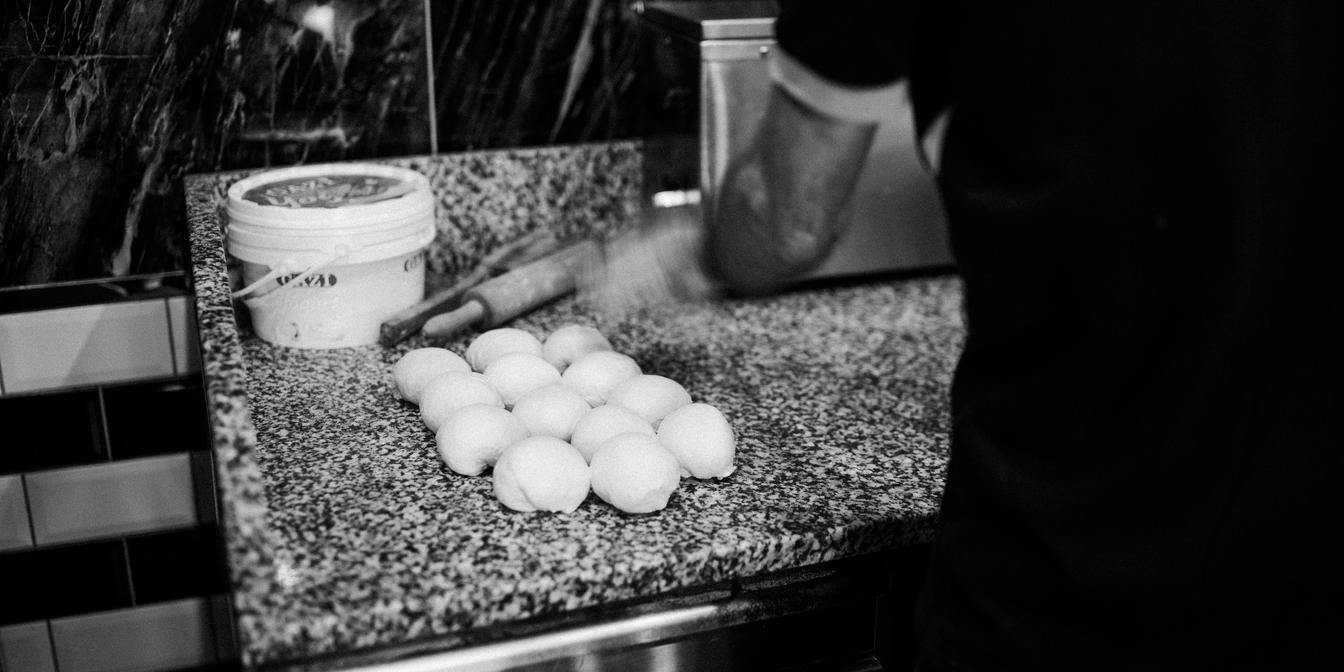
Saffron threads are normally ground and infused before being added to a dish. This helps spread a small quantity through rice, liquid, dessert mixtures or marinades more evenly than scattering dry threads directly into the food.
- Measure the threads. Follow the recipe where possible. If you are adapting a dish, begin with a small amount rather than assuming that more saffron will always improve it.
- Grind gently. Place the threads in a clean, dry mortar and grind them into smaller particles. A fine powder disperses more evenly, but there is no need to grind a large pack in advance.
- Add a small amount of liquid or use ice. Bloom only the amount needed for the recipe.
- Allow time to infuse. The liquid should gradually take on saffron’s colour and aroma.
- Add strategically. Mix the infusion into the dish, reserve part for a decorative rice layer, or add it at the stage specified by the recipe.
Keep the mortar, spoon and storage container dry. Moisture introduced into the main saffron pack can affect the remaining threads, so remove what you need with a clean utensil and close the package promptly.
Two practical ways to bloom saffron
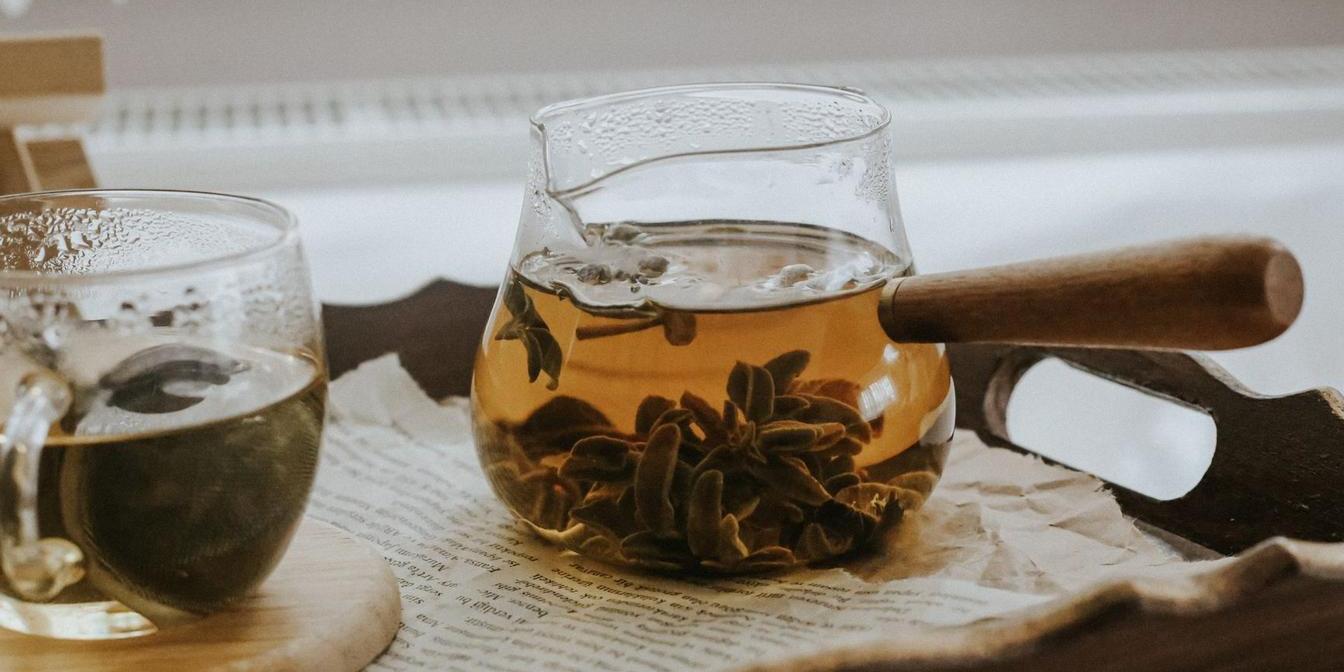
Warm-water method: Put freshly ground saffron in a small bowl, add a modest quantity of warm water and allow it to infuse. The water should be warm rather than aggressively boiling. This method is straightforward when the infusion will be mixed into rice, a stew or a dessert.
Ice method: Place the ground saffron in a small bowl, add one or more ice pieces and let them melt gradually. This is a familiar technique in Persian home cooking and requires little active work, although it takes longer than using warm water.
Neither method compensates for inaccurate product information or poor storage. Their purpose is culinary: to disperse the ground spice before it enters the dish. Choose the method that fits your recipe and preparation schedule, and avoid using so much liquid that it changes the intended consistency of the food.
How to cook with saffron
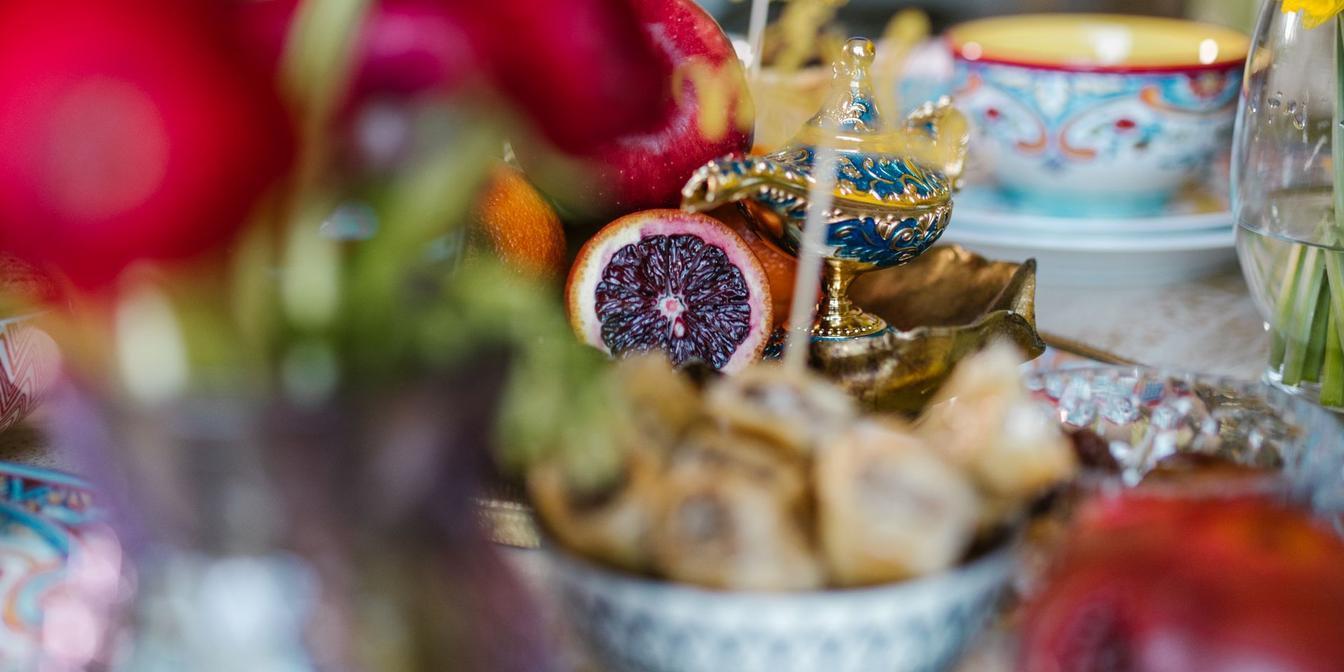
In Persian rice dishes, saffron is often used selectively rather than mixed through the entire pot. A portion of cooked rice can be combined with the infusion to create a golden layer for the top of the dish. This produces visual contrast and concentrates the saffron character where it will be noticed.
For stews and savoury dishes, add the infusion according to the recipe and allow enough time for it to integrate without repeatedly extending the cooking time. In marinades, saffron is usually dispersed in liquid before being combined with the other components.
Desserts and sweets require balance. Saffron can accompany ingredients such as rice, milk, rosewater, nuts or sugar, but it should remain one element of the finished flavour rather than overwhelm everything else. The same principle applies to saffron tea and other drinks: begin conservatively, evaluate the result and adjust the next preparation if needed.
How much saffron should you use?
There is no universal amount for every recipe. The appropriate quantity depends on serving size, the type of food, the concentration of the infusion and the characteristics of the saffron itself. Follow a reliable recipe for your first attempt and measure consistently so that you can reproduce the result.
Using more is not necessarily better. Excessive saffron can make the flavour unbalanced and deplete an expensive pack unnecessarily. Careful grinding and blooming usually distribute a modest measured quantity more effectively than adding extra dry threads.
How to store saffron and protect its quality
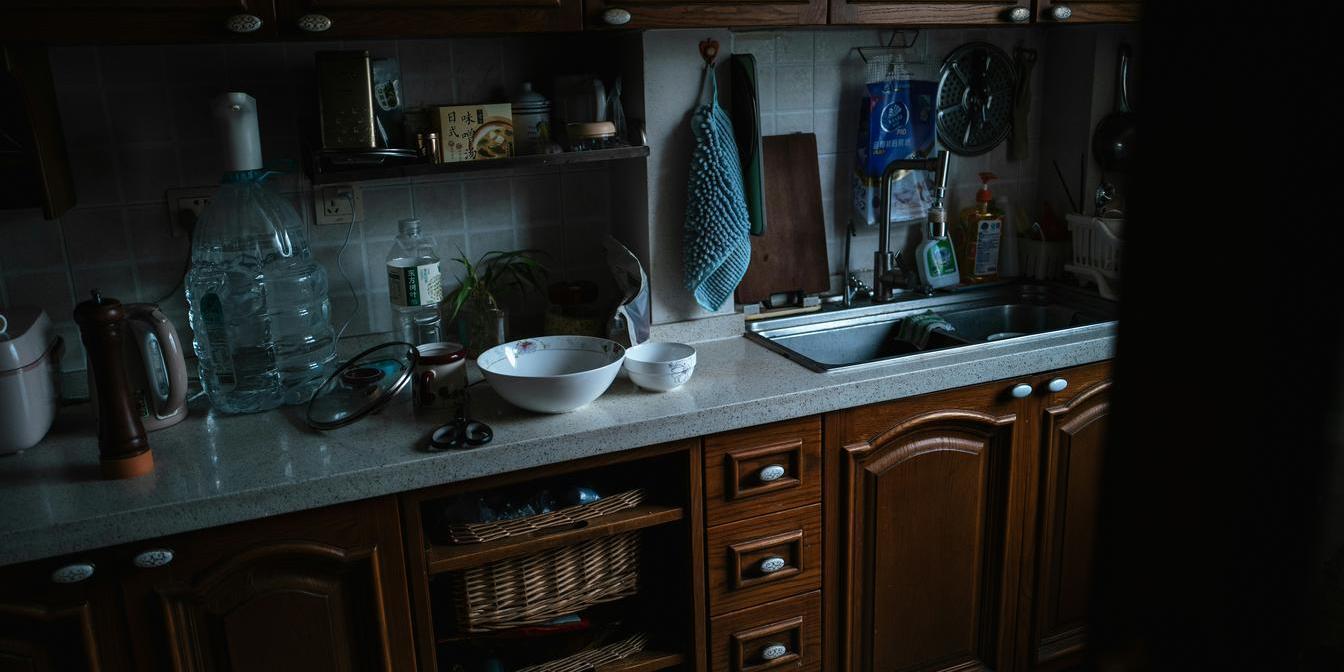
Store saffron in a tightly closed container in a cool, dry and dark cupboard. Keep it away from direct sunlight, steam and frequently heated areas beside a cooker or oven. If the retail packaging does not close securely after opening, place the inner pack in a suitable airtight container while retaining the label and product details.
Open the container only when needed, use a clean and dry utensil, and close it promptly. Avoid grinding the entire pack in advance because whole threads are easier to inspect and expose less surface area than powder.
It is also helpful to keep products from separate purchases identifiable rather than mixing new saffron with an older batch. Retaining the original label allows you to refer back to its weight, brand and date information. For additional detail on buying, preparing and storing the spice, see the broader Persian saffron guide for UK cooks.
Common mistakes when buying saffron online
- Choosing by the deepest red photograph: Screen and lighting differences make online colour comparisons unreliable.
- Assuming every Iranian product has the same grade: Origin does not define thread style, freshness, handling or laboratory category.
- Treating Negin as an automatic guarantee: It is a commercial presentation term and should be supported by an accurate product specification.
- Calling every yellow-ended thread fake: Pushal and Dasteh legitimately retain different amounts of the style.
- Buying powder without checking the label: Confirm whether it is ground saffron or a saffron-containing blend.
- Overbuying: A large pack is not useful if it remains open for a long time in poor storage conditions.
- Comparing pack prices without comparing grams: Mesghal, half-mesghal and gram-based packs should be converted to the displayed net weight before comparison.
- Relying on one home authenticity test: Visual, aroma and infusion checks can reveal concerns but cannot prove purity, origin or ISO classification.
- Ignoring the seller: Product presentation cannot replace clear retailer details, consistent descriptions and understandable order information.
Making the final buying decision
To buy Persian saffron online in the UK with confidence, start with the fundamentals: whole or clearly identified ground saffron, stated Iranian origin, an exact gram weight, suitable packaging and a transparent seller. Then compare thread style, pack size and any supporting quality evidence.
Choose Negin, Sargol, Pushal or Dasteh according to the actual product specification and your intended use, not a simple hierarchy of impressive names. Once the saffron arrives, inspect the package, store it carefully, grind only what you need and bloom it before cooking. These practical habits are more dependable than judging authenticity from colour alone.
Frequently Asked Questions
Where can I buy Persian saffron online in the UK?
Buy from an identifiable UK retailer that clearly states the saffron’s form, Iranian origin, net gram weight and product details. Check the packaging description, seller contact information and delivery terms before ordering.
How can I tell whether Persian saffron is good quality?
Assess the product specification, thread condition, packaging, seller transparency and any credible batch-related test evidence. Whole threads can be inspected for shape and foreign material, but appearance and home tests cannot conclusively prove purity or origin.
Is Negin saffron better than Sargol saffron?
Not automatically. Negin generally has longer, separated all-red threads, while Sargol consists of red stigma portions that may be shorter or less uniformly presented. The better purchase depends on the individual product, evidence, pack condition and intended use.
Are saffron threads better than saffron powder?
Threads are easier to inspect and can be ground immediately before use. Powder is convenient when it comes from a trusted, transparently labelled source, but buyers cannot examine the original thread structure and should distinguish pure ground saffron from blends.
What does one mesghal of saffron weigh?
One mesghal is commonly shown on Iranian saffron product labels as approximately 4.6g, while half a mesghal is approximately 2.3g. Use the stated net weight in grams when comparing products because labels may round the conversion.