If you are wondering how many dried plums to eat for constipation, the most useful answer is not a single magic number. Dried plums, also called prunes, vary in size, and people differ in how they respond to their fiber and naturally occurring sorbitol. For an adult with occasional, uncomplicated constipation, a sensible food-based trial is to start with a small portion, keep it consistent for several days, and increase it only if necessary and well tolerated.
The short answer: how many dried plums should you eat for constipation?
A cautious practical starting point is three to four pitted dried plums once daily, accompanied by a glass of water or another suitable fluid. This is a starting strategy rather than a medically established dose. Stay with the same amount for several days so that you can judge its effect instead of changing the portion after every meal.
If your stools remain hard or infrequent and you have not developed troublesome gas, abdominal cramping, loose stools, or diarrhea, increase the portion by one or two dried plums at a time. Some evidence-based guidance for chronic constipation lists approximately eight to 10 prunes daily, while major clinical studies have commonly tested about 80 to 120 grams per day. Those research-sized portions should not be treated as the automatic starting amount for every person. ([pmc.ncbi.nlm.nih.gov](https://pmc.ncbi.nlm.nih.gov/articles/PMC12517116/?utm_source=openai))
In practical terms, the answer to “how many prunes should I eat for constipation?” is usually:
- Start: three to four dried plums daily.
- Wait and observe: keep that amount consistent for three or four days.
- Adjust carefully: add one or two at a time only if needed.
- Reduce the amount: if stools become loose or you develop uncomfortable gas or cramps.
- Seek advice: if constipation persists, keeps returning, or occurs with warning symptoms.
Drinking adequate fluid matters when increasing fiber. The amount of fluid a person needs varies with health, activity, environment, and body size, so anyone who has been given a fluid restriction should follow their clinician’s instructions rather than adding extra water automatically. ([niddk.nih.gov](https://www.niddk.nih.gov/health-information/digestive-diseases/constipation/eating-diet-nutrition?utm_source=openai))
A simple step-by-step dried plum schedule
The following schedule is a conservative way to test dried plums for occasional constipation. It is not a prescription, and there is no need to proceed to the next step if a smaller portion is already working.
| Stage | Suggested approach | What to monitor |
|---|---|---|
| Days 1–3 | Eat three to four pitted dried plums once daily and maintain normal fluid intake. | Stool frequency, ease of passage, gas, bloating, and cramping. |
| Days 4–7 | If there is no useful change and the portion is comfortable, add one or two dried plums daily. | Whether stools are becoming softer and easier to pass without becoming watery. |
| After one week | Continue the lowest amount that helps. If needed, make another small increase rather than jumping straight to a large research portion. | The overall pattern across several days, not the result of a single meal. |
| If side effects occur | Return to the last comfortable portion or pause the trial. | Loose stools, diarrhea, persistent abdominal discomfort, or excessive flatulence. |
If you reach a larger daily amount, dividing it between two meals may be easier to tolerate than eating everything at once. One constipation trial divided 100 grams into two 50-gram portions, although this study design does not prove that split portions are better for everyone. ([pubmed.ncbi.nlm.nih.gov](https://pubmed.ncbi.nlm.nih.gov/21323688/?dopt=Abstract&utm_source=openai))
Count versus weight: why grams are more reliable
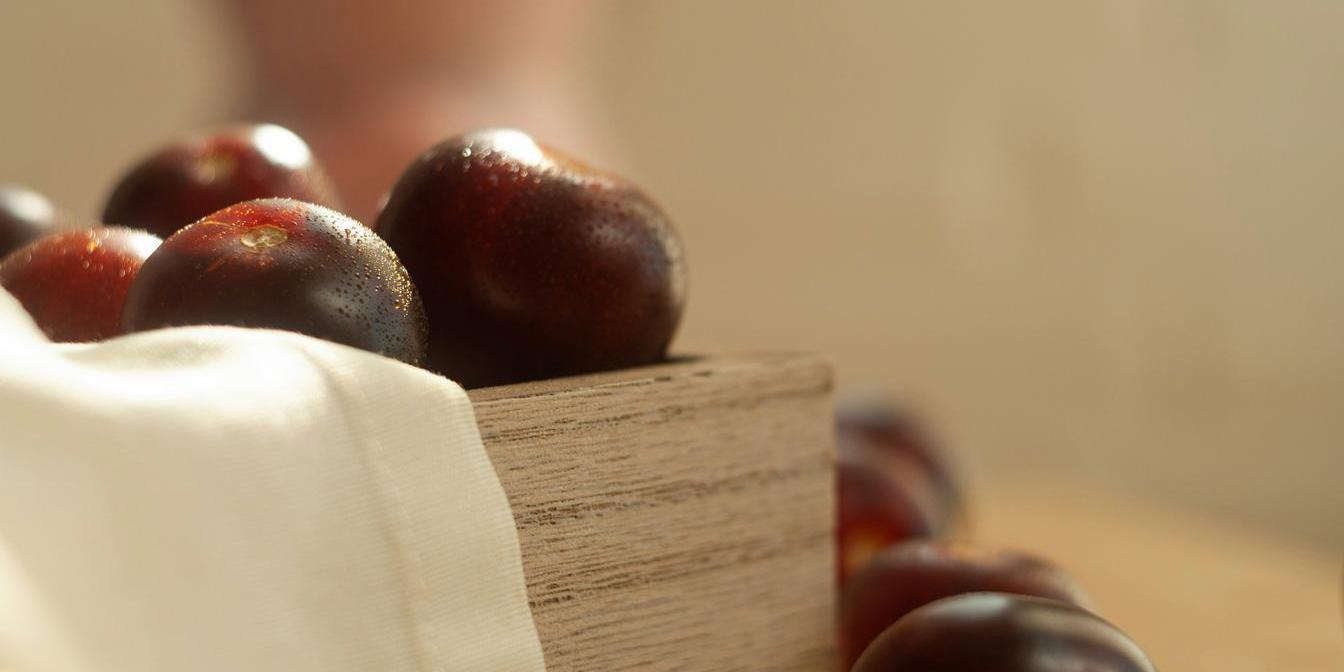
The number of dried plums in a serving is only an estimate. Individual fruits differ in size, moisture content, variety, and whether the weight includes a stone. Ten small pitted prunes may weigh considerably less than 10 large, moist ones.
When comparing your intake with research, use the edible weight listed on the package or weigh the pitted fruit on kitchen scales. Depending on size, 100 grams may be roughly 10 to 12 prunes, but it should not be assumed that every brand or batch has the same count. Composition analyses have also found meaningful differences in fiber content among prunes from different origins, reinforcing the value of using package information rather than relying only on piece count. ([pubmed.ncbi.nlm.nih.gov](https://pubmed.ncbi.nlm.nih.gov/30987487/?utm_source=openai))
Why dried plums may help relieve constipation
Dried plums are not guaranteed to relieve constipation, but they contain several components that may support bowel function. Fiber and sorbitol are the best-known explanations. Researchers have also investigated phenolic compounds and changes in intestinal bacteria, although the precise contribution of each component remains uncertain. ([pubmed.ncbi.nlm.nih.gov](https://pubmed.ncbi.nlm.nih.gov/34505614/?utm_source=openai))
Dietary fiber adds bulk and holds water
Dried plums contain a mixture of soluble and insoluble fibers. Insoluble fiber contributes material to the stool, while soluble fiber can retain water and form a softer mass. Together, these effects may make stool bulkier and easier to pass.
More fiber is not always better immediately. A sudden increase can lead to gas, bloating, or discomfort, particularly when someone’s usual diet is relatively low in fiber. That is why gradual increases are preferable to eating a large bag of dried fruit in one sitting. General constipation guidance likewise recommends adding fiber little by little and drinking suitable fluids to help it work effectively. ([niddk.nih.gov](https://www.niddk.nih.gov/health-information/digestive-diseases/constipation/eating-diet-nutrition?utm_source=openai))
Sorbitol can draw water into the bowel
Dried plums naturally contain sorbitol, a sugar alcohol that is not always fully absorbed in the small intestine. Unabsorbed sorbitol can retain or draw water into the intestinal contents, producing an osmotic effect that may soften stool and promote a bowel movement.
The same mechanism explains why too many dried plums can produce flatulence, urgency, loose stools, or diarrhea. Tolerance varies substantially, and people with sensitive digestive systems may react to a smaller portion. Laboratory analysis has found approximately 11.2 to 15.5 grams of sorbitol per 100 grams of prunes, although the amount varies among samples. ([pubmed.ncbi.nlm.nih.gov](https://pubmed.ncbi.nlm.nih.gov/30987487/?utm_source=openai))
Other prune compounds may contribute
Dried plums contain phenolic compounds, including chlorogenic acids. These compounds have been proposed as possible contributors to the fruit’s bowel effects, and interactions among fiber, sorbitol, phenolics, water, and intestinal microbes may be important. However, the mechanism has not been established precisely enough to say that one compound is solely responsible. Current reviews describe the evidence as compatible with several components working together. ([pubmed.ncbi.nlm.nih.gov](https://pubmed.ncbi.nlm.nih.gov/34505614/?utm_source=openai))
What research says about dried plum amounts
Research portions are useful reference points, but they do not provide a universal dried plum dosage. Study participants are selected according to defined criteria, portions are measured by weight, and outcomes are tracked over weeks. It is important to distinguish studies involving people diagnosed with constipation from those involving otherwise healthy adults who simply had relatively infrequent bowel movements.
The 100-gram dried plum trial in adults with constipation
A small randomized crossover trial published in 2011 enrolled 40 adults with chronic constipation. Participants consumed either 50 grams of dried plums twice daily—100 grams per day in total—or an equivalent-fiber psyllium treatment. Each intervention lasted three weeks, with a washout period between them.
Compared with psyllium, dried plums produced a greater improvement in complete spontaneous bowel movements and stool consistency. A complete spontaneous bowel movement means one occurring without rescue medication and with a feeling of complete evacuation. The treatments did not differ significantly in straining or overall constipation symptoms. ([pubmed.ncbi.nlm.nih.gov](https://pubmed.ncbi.nlm.nih.gov/21323688/?dopt=Abstract&utm_source=openai))
The result supports the idea that 100 grams per day can affect bowel habits, but it should be interpreted cautiously. The sample was small, 37 of the 40 participants were women, and each treatment was studied for only three weeks. It does not show that every constipated adult needs 100 grams or that this should be the first amount tried.
The 80-gram and 120-gram study in healthy adults
A larger randomized trial studied 120 generally healthy adults who had low fiber intake and usually passed three to six stools per week. People with functional constipation or irritable bowel syndrome were excluded. Participants received 80 grams of prunes plus 300 milliliters of water, 120 grams plus the same amount of water, or water alone for four weeks.
Prune consumption increased stool weight and frequency compared with the water-only control, while whole-gut transit time did not change. Flatulence occurred more often in the prune groups, although reported severity was generally low. ([sciencedirect.com](https://www.sciencedirect.com/science/article/pii/S0261561418300037?utm_source=openai))
This study helps show what larger portions can do, but it was not a treatment trial in patients with diagnosed chronic constipation. Its findings therefore cannot be translated directly into a required dose for someone with persistent symptoms.
What later evidence adds
A 2021 comparative trial assigned adults with chronic constipation to 100 grams of prunes, 12 grams of psyllium, or two green kiwifruits daily for four weeks. Complete spontaneous bowel movement frequency increased with all three approaches. Prunes also improved stool consistency and straining from baseline, but the trial did not establish that prunes were superior overall. ([pubmed.ncbi.nlm.nih.gov](https://pubmed.ncbi.nlm.nih.gov/34074830/?itid=lk_inline_manual_pubble&utm_source=openai))
More recent systematic reviews and 2025 dietary guidelines have emphasized that the prune evidence remains limited. When relevant trials were pooled, prunes were not shown to outperform psyllium for stool consistency or straining, and certainty in these comparisons was low or very low. This does not mean dried plums are ineffective; it means the available research cannot support confident claims that they are better than established alternatives. ([pubmed.ncbi.nlm.nih.gov](https://pubmed.ncbi.nlm.nih.gov/37905980/?utm_source=openai))
How to translate study portions into everyday use
The tested range of 80 to 120 grams may correspond very approximately to eight to 14 pitted dried plums, depending on their size. Rather than trying to reproduce the largest study dose on day one, use the research as evidence that moderate-to-large measured portions can influence bowel function.
For home use, the more practical strategy is to:
- Begin with three to four dried plums.
- Use the same product and portion for several days.
- Increase by only one or two pieces at a time.
- Use weight rather than count if approaching a research-sized portion.
- Stop increasing once stools become comfortably soft and easier to pass.
The goal is not to eat the maximum amount. It is to find the lowest portion that produces a useful change without unwanted digestive effects.
How long do dried plums take to work?
There is no dependable promise that dried plums will work within a particular number of hours. The main clinical studies assessed repeated daily intake over three or four weeks rather than treating prunes as an immediate rescue laxative. ([pubmed.ncbi.nlm.nih.gov](https://pubmed.ncbi.nlm.nih.gov/21323688/?dopt=Abstract&utm_source=openai))
For an individual trial, look for a pattern over several days. Useful changes may include easier passage, less straining, more frequent bowel movements, or stool that is softer but still formed. Avoid repeatedly adding more prunes during the same day simply because an effect has not occurred yet; a large sudden intake is more likely to create gas or diarrhea.
If constipation is severe, worsening, persistent despite self-care, or repeatedly returns, increasing the dried plum portion is not an adequate substitute for medical assessment.
Practical ways to eat dried plums
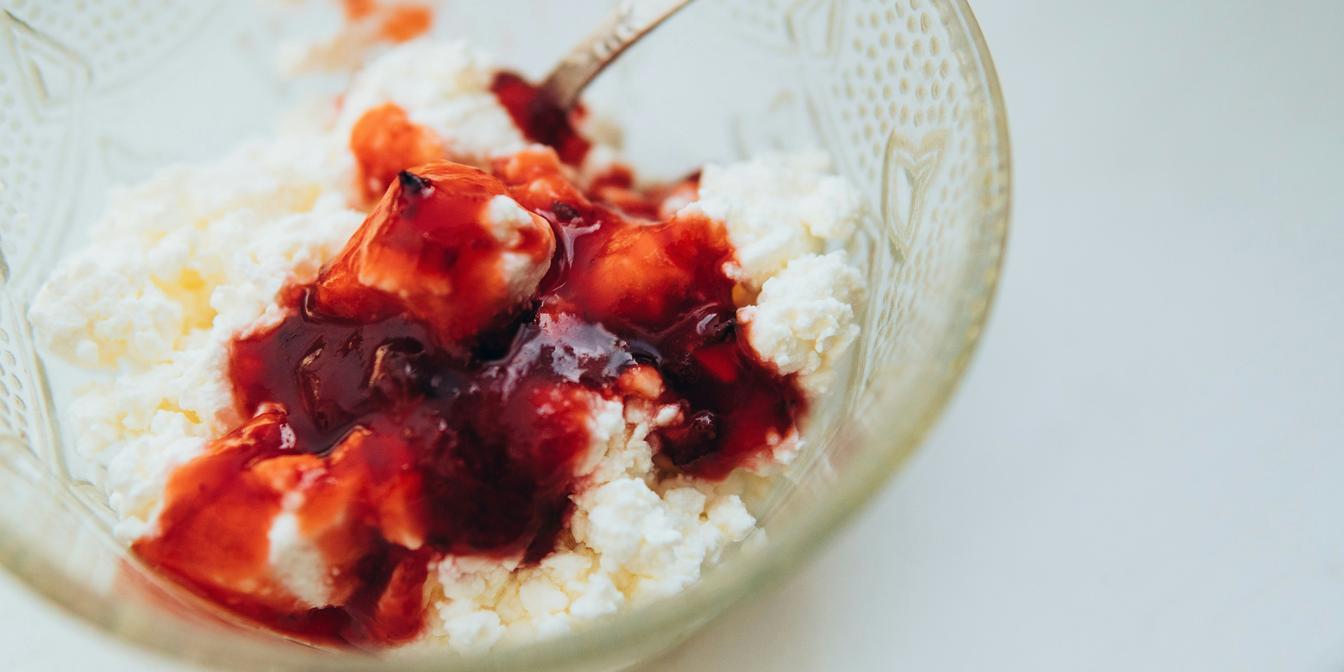
Dried plums do not have to be eaten on their own. The best method is usually the one you can repeat consistently while keeping track of the amount. Options include:
- Eating a measured portion with breakfast and a drink.
- Chopping them into oatmeal, yogurt, or cereal.
- Adding them to a fruit and whole-grain breakfast bowl.
- Pureeing a measured portion and spreading it on toast.
- Dividing a larger portion between two meals.
There is no convincing evidence that morning is universally better than night. Morning may be convenient because eating can stimulate normal colonic activity, and it gives you the day to observe your response. Evening is also reasonable if it better suits your routine. Consistency and tolerance matter more than the clock.
Soaking dried plums is optional. It softens their texture and may make them easier to chop or chew, but clinical research has not established that soaking creates a stronger laxative effect. If you soak them, count the original fruit portion and consume the soaking liquid only if it fits your usual fluid plan.
Pitted prunes, whole dried plums, and Aloo Bukhara

Pitted prunes are the easiest form to measure because the listed weight is generally close to the edible portion. Whole dried plums containing stones are less convenient for comparisons: piece count can be misleading, and the stone should not be included when estimating how many grams you actually ate.
Aloo Bukhara is a regional term used for plums and, in some contexts, dried plums. Products sold under that name are not necessarily identical in size, moisture, variety, or preparation to packaged pitted prunes. Check whether the fruit is fresh or dried and whether it contains stones before using a prune count as your guide. ([en.wiktionary.org](https://en.wiktionary.org/wiki/alubukhara?utm_source=openai))
How to tell whether the amount is working

Judge results by more than whether you had any bowel movement. A useful portion should improve the overall pattern without replacing constipation with diarrhea.
For one to two weeks, make a brief daily note of:
- The number or weight of dried plums eaten.
- The time you ate them.
- Whether a bowel movement occurred.
- Whether the stool was hard, formed and soft, loose, or watery.
- How much you strained.
- Whether you felt completely emptied.
- Gas, bloating, cramps, urgency, or diarrhea.
The amount is probably suitable if stools become easier to pass and remain formed, with little or no troublesome discomfort. It is probably too high if you develop repeated loose stools, watery diarrhea, urgency, or significant cramping. Reduce the portion rather than assuming those effects are necessary for the fruit to work.
Dried plums versus prune juice
Whole dried plums provide intact fruit fiber as well as sorbitol. Prune juice contains sorbitol and other soluble components, but filtered juice contains much less of the whole fruit’s insoluble fiber. That means a glass of juice and a portion of dried plums should not be treated as directly interchangeable doses. ([pubmed.ncbi.nlm.nih.gov](https://pubmed.ncbi.nlm.nih.gov/11401245/?utm_source=openai))
Prune juice has also been studied for chronic constipation, but the amount and composition depend on the product. Choose one format at a time when testing your response; combining a full portion of juice with a large serving of dried plums makes it harder to identify a comfortable amount.
Common mistakes when using dried plums for constipation
Starting with the largest research portion
Research doses demonstrate what was tested under study conditions, not what every reader should eat initially. Beginning with 100 or 120 grams can cause unnecessary digestive discomfort in someone who is sensitive to sorbitol or unused to added fiber.
Increasing the portion every few hours
Dried plums are a food-based strategy, not a predictable rapid-response treatment. Keep the amount stable long enough to observe a pattern instead of repeatedly adding more during one day.
Ignoring the rest of the diet
A few prunes cannot compensate reliably for a consistently low-fiber eating pattern, inadequate fluid intake, repeatedly ignoring the urge to go, or a medication that contributes to constipation. General management may also involve other high-fiber foods, suitable hydration, physical activity, and regular bathroom habits. Do not stop or change a medicine without consulting the professional who manages it. ([niddk.nih.gov](https://www.niddk.nih.gov/health-information/digestive-diseases/constipation/symptoms-causes?utm_source=openai))
Assuming diarrhea means the remedy is working
The aim is a comfortable, formed stool—not urgency or watery bowel movements. Diarrhea usually signals that the portion is more than you currently tolerate.
Continuing self-treatment despite warning signs
Constipation can occasionally be associated with a condition that needs assessment. More dried fruit is not the appropriate response to severe pain, vomiting, bleeding, or inability to pass gas.
When to seek medical advice
Contact a healthcare professional if constipation does not improve with reasonable self-care, becomes a recurring problem, or represents a major unexplained change in your usual bowel pattern. An assessment is also appropriate if you depend on laxatives, have persistent difficulty emptying, or suspect a medicine or supplement is contributing.
Seek prompt medical care for constipation accompanied by constant or severe abdominal pain, inability to pass gas, vomiting, fever, rectal bleeding, blood in the stool, or unintentional weight loss. These are not situations in which you should continue increasing dried plums at home. ([niddk.nih.gov](https://www.niddk.nih.gov/health-information/digestive-diseases/constipation/symptoms-causes?utm_source=openai))
The practical bottom line
For an adult trying dried plums for occasional constipation, three to four pitted fruits once daily is a cautious place to begin. Take them with suitable fluid, keep the portion consistent for several days, and add only one or two at a time if necessary. Research has often tested approximately 80 to 120 grams daily, but those amounts are reference points—not universal starting doses.
Use grams when accuracy matters, watch stool consistency as well as frequency, and settle on the lowest amount that produces comfortable, formed bowel movements. If symptoms persist, worsen, or occur with warning signs, stop treating the problem as a simple question of how many prunes to eat and seek medical advice.
Frequently Asked Questions
How many dried plums should I eat to relieve constipation?
For occasional constipation, a cautious starting point is three to four pitted dried plums once daily with suitable fluid. Keep that amount consistent for several days, then add one or two only if needed and well tolerated. Research has tested larger portions, but they are not universal starting doses.
Is it better to eat dried plums in the morning or at night?
There is no established best time. Morning is convenient for many people and can fit naturally with breakfast, while evening may suit another routine. Consistent daily intake and a tolerable portion matter more than the time of day.
How long do dried plums take to help with constipation?
Response time varies, and a specific number of hours cannot be promised. Evaluate changes in stool frequency, consistency, and straining over several days rather than increasing the portion repeatedly during one day.
Can eating too many dried plums cause diarrhea?
Yes. Their fiber and sorbitol can cause loose stools, diarrhea, urgency, gas, or cramping when the amount exceeds your tolerance. Reduce the portion or pause the trial if these effects occur.
Should dried plums be soaked before eating?
Soaking is optional. It makes dried plums softer, but there is no established evidence that it makes them more laxative. Count the original number or weight of fruit so you can track your portion consistently.