Buying Persian food online in the UK makes it easier to find the rice, herbs, spices, preserved ingredients and table accompaniments used in Iranian home cooking. The challenge is not simply finding a Persian supermarket online; it is understanding unfamiliar product names, choosing suitable formats and building a basket that matches the dishes you actually intend to make. This guide explains the main categories, the details worth comparing and the checks to complete before ordering.
Buying Persian Food Online in the UK: The Quick Answer
UK shoppers looking for Persian food online can search specialist Iranian grocery stores, broader Middle Eastern retailers and supermarkets with international ranges. Depending on the retailer, the catalogue may include Persian rice, saffron products, dried herbs, barberries, dried limes, pulses, pickles, bread, tea, sweets, snacks and prepared foods.
The most effective approach is to begin with a meal plan rather than a long list of interesting products. Decide whether you are preparing rice dishes, khoresh-style stews, soups, breakfast, tea service or a mixed Persian pantry. You can then divide your order into three groups:
- Core staples: rice, pulses, tomato products, cooking oil and frequently used seasonings.
- Distinctive Persian ingredients: saffron, zereshk, limoo amani, dried herb mixtures and sumac.
- Meal-specific extras: bread, pickles, tea, sweets, snacks or convenience foods.
This prevents a common first-order mistake: buying several specialist ingredients without having the supporting staples needed to turn them into complete meals. If you are still deciding where to shop, use a structured checklist for comparing an Iranian grocery store in the UK before evaluating individual products.
What Counts as Persian Food?
In a shopping context, Persian food includes more than finished Iranian dishes. It covers the ingredients, drinks and accompaniments associated with Persian cooking and hospitality. A retailer’s Persian range may therefore contain several distinct types of product:
- Cooking ingredients: rice, pulses, herbs, spices, dried fruit, nuts and preserved vegetables.
- Flavouring ingredients: saffron, sumac, dried limes, rose-flavoured products and herb blends.
- Table accompaniments: flatbreads, pickles, relishes and products served alongside meals.
- Drinks and hospitality foods: tea, sweets, biscuits, dates, nuts and savoury snacks.
- Prepared products: canned dishes, ready meals, seasoning mixes and other convenience formats.
Not every item needs to have a Persian brand name or decorative Persian packaging to be useful in Iranian cooking. Chickpeas, lentils and tomato products, for example, are widely available across different cuisines. Their value depends on the recipe, format and quality of the listing rather than on branding alone.
Persian, Iranian and Middle Eastern Food: What Is the Difference?
“Persian food” and “Iranian food” are often used interchangeably by shoppers and retailers. In everyday grocery searches, both expressions generally lead to ingredients and dishes connected with Iran. “Persian” is especially common when discussing cuisine and cultural traditions, while “Iranian” may appear more often in product names, shop descriptions and search filters.
“Middle Eastern food” is a broader category covering multiple regional cuisines. Some ingredients overlap—such as rice, chickpeas, dates, sumac and flatbread—but this does not make all products interchangeable. Herb blends, rice varieties, pickles, tea styles and seasoning profiles can differ significantly between culinary traditions.
Use several search terms when browsing: “Persian groceries online UK”, “Iranian food online UK” and the specific ingredient’s Persian and English names. A broader guide to Middle Eastern groceries online can help you understand shared pantry items while keeping regional differences in view.
The Essential Persian Food Categories to Shop Online
A well-planned Persian pantry does not need to contain every specialised ingredient. Start with categories that support the meals you cook frequently, then add less familiar products one recipe at a time. The following sections explain what to compare within each major category.
Persian Rice
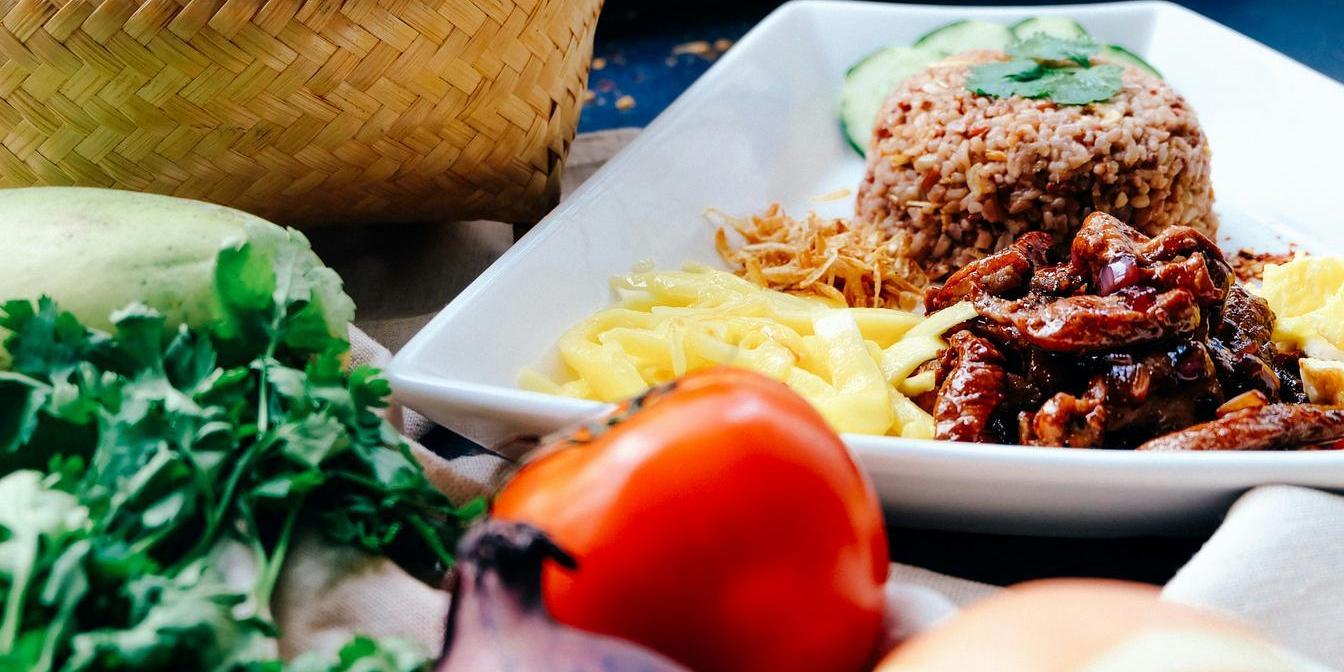
Rice is central to many Persian meals, including plain chelow, mixed polo dishes and rice served with stews or kebabs. When comparing Persian rice online in the UK, look beyond the front of the pack and consider the following:
- Rice name or variety: product listings may identify varieties such as Tarom or Domsiah, or use broader descriptions such as Iranian long-grain rice.
- Cooking purpose: check whether the listing describes the rice as suitable for separate, fluffy grains, mixed rice dishes or general home cooking.
- Aroma and texture: use the retailer’s description to understand the intended cooked result, but remember that rinsing, soaking and cooking technique also matter.
- Pack size: large bags make sense for households that cook rice regularly, while a smaller pack reduces commitment when trying an unfamiliar variety.
- Packaging condition: examine product photographs and read the stated storage instructions before ordering.
Two listings can both be appropriate without being identical. For example, Saharkhiz Iranian Tarom Rice in a 4.5kg pack is presented for Persian-style rice dishes, while Sina Food Iranian Domsiah Gilan Rice is described as an aromatic option suited to chelow and polo. Compare their stated characteristics with your cooking habits rather than assuming one named rice is universally best.
Tahdig is primarily a cooking outcome, not a special category of rice. Your pot, heat control, fat, chosen base and cooking method all affect the crust. Buying expensive rice will not compensate for an unsuitable technique, so allow time to learn how a new variety behaves.
Saffron, Dried Herbs and Persian Spices
Saffron is used in measured quantities to bring colour and aroma to rice, desserts and selected savoury dishes. Online listings may include threads, ground products, blended seasonings or saffron-style flavouring products. These formats should not be treated as identical. Read the product name and ingredient information carefully so you know whether you are purchasing saffron itself or a seasoning that includes or imitates a saffron profile.
Dried herbs are useful when fresh Persian herbs are difficult to source or when a recipe requires a prepared mixture. Searches for sabzi ghormeh, for example, may return dried herb blends intended for ghormeh sabzi. Mixtures can vary, so compare the listed contents and preparation directions rather than choosing solely by the blend name.
Other useful seasonings may include turmeric, cinnamon, black pepper, dried mint and sumac. Their roles differ: turmeric commonly supports savoury cooking, dried mint can be used in sauces and garnishes, and sumac provides a tangy flavour for foods such as kebabs, rice and salads. A product such as Persia Food Iranian Sumac is best purchased when you already have dishes in mind, particularly if you do not use it frequently.
Spices and herbs are easy to overbuy because each packet appears inexpensive compared with a full basket. Check the net weight, estimate how often you will cook with it and avoid ordering several near-duplicate blends on your first shop.
Barberries, Dried Limes and Other Distinctive Ingredients
Some of the most recognisable Persian ingredients are also the least familiar to first-time UK buyers. Searching with both English and Persian names can produce better results:
- Barberries or zereshk: small, tart dried berries associated with dishes such as zereshk polo. Check whether the listing gives preparation or storage guidance.
- Dried Persian limes, limoo amani or dried limes: whole or prepared dried citrus used to add a sour, aromatic character to selected stews and soups.
- Dried shallots: a concentrated pantry ingredient used in Iranian and broader savoury cooking. Preparation can differ by product, so follow the packet directions.
- Rose-flavoured ingredients: products may be supplied in liquid, dried or confectionery formats and are not automatically interchangeable.
With whole dried limes, check the recipe before choosing a pack. Some methods call for the limes to be pierced, cracked or otherwise prepared before cooking. For dried shallots, the product instructions may indicate whether soaking is needed; Anjoman Dried Shallots provides one example of the packaged format shoppers may encounter.
Specialist ingredients should support a specific dish or flavour goal. If your current meal plan does not use zereshk, limoo amani or dried shallots, leave them for a later order rather than treating them as mandatory components of every Persian pantry.
Pulses, Legumes, Tomato Products and Cooking Essentials
Lentils, split peas, beans and chickpeas support many everyday meals, including soups, stews and rice combinations. They are often easier to understand than specialist herbs, but their format still matters. Dried pulses require planning and may need soaking or longer cooking; canned versions can reduce preparation but have their own draining and storage instructions.
For any recipe, confirm the exact pulse required. Yellow split peas, lentils, chickpeas and black-eyed beans have different textures and cooking times. A substitution may change the finished dish, even when the products look similar in a category photograph.
Tomato paste and canned tomato products are useful foundations for many savoury dishes. Compare pack size and format with the quantity your recipe needs. Large tins may create unnecessary leftovers in a small household, whereas tubes, jars or smaller cans can be more practical for occasional use.
General essentials may also include flour, cooking fats, salt, sugar, stock products and noodles used in soups or regional dishes. These do not always need to come from a specialist Iranian grocery store. Compare the complete basket cost and reserve specialist orders for products that are genuinely difficult to source locally.
Persian Bread, Pickles and Table Accompaniments
Persian meals are often completed at the table with bread, herbs, yoghurt-based accompaniments, pickles or relishes. Online searches for Iranian bread in the UK may include flatbreads in fresh, chilled, frozen, dried or shelf-stable formats. Do not assume that every bread listing can be handled in the same way.
Before adding bread, check the product format, storage information and any preparation instructions. Consider whether you will be available to receive the order and whether you have suitable storage space. If the listing does not make the format clear, ask the retailer before purchasing.
Pickles may appear under names such as torshi, pickled vegetables or mixed pickles. Compare the vegetable combination, jar size and product description. Persian pickles can vary in texture and flavour, so choosing a familiar vegetable mixture may be more sensible than ordering several large jars at once.
Also inspect jars for the seller’s stated handling guidance when the parcel arrives. Set aside any item that appears damaged or does not match the listing and contact the retailer using its published process rather than consuming or opening it immediately.
Tea, Sweets, Nuts and Snacks
Persian tea is closely associated with hospitality and everyday social occasions. When shopping for Persian tea in the UK, compare whether the product is loose-leaf or bagged, plain or flavoured, and suited to the brewing method you intend to use. Loose-leaf tea offers control over strength but requires suitable brewing and straining equipment.
If you are new to the serving tradition, this guide to making Persian tea at home explains the practical brewing process. It is usually better to begin with one tea and learn how its strength changes with time and dilution than to buy several large packs immediately.
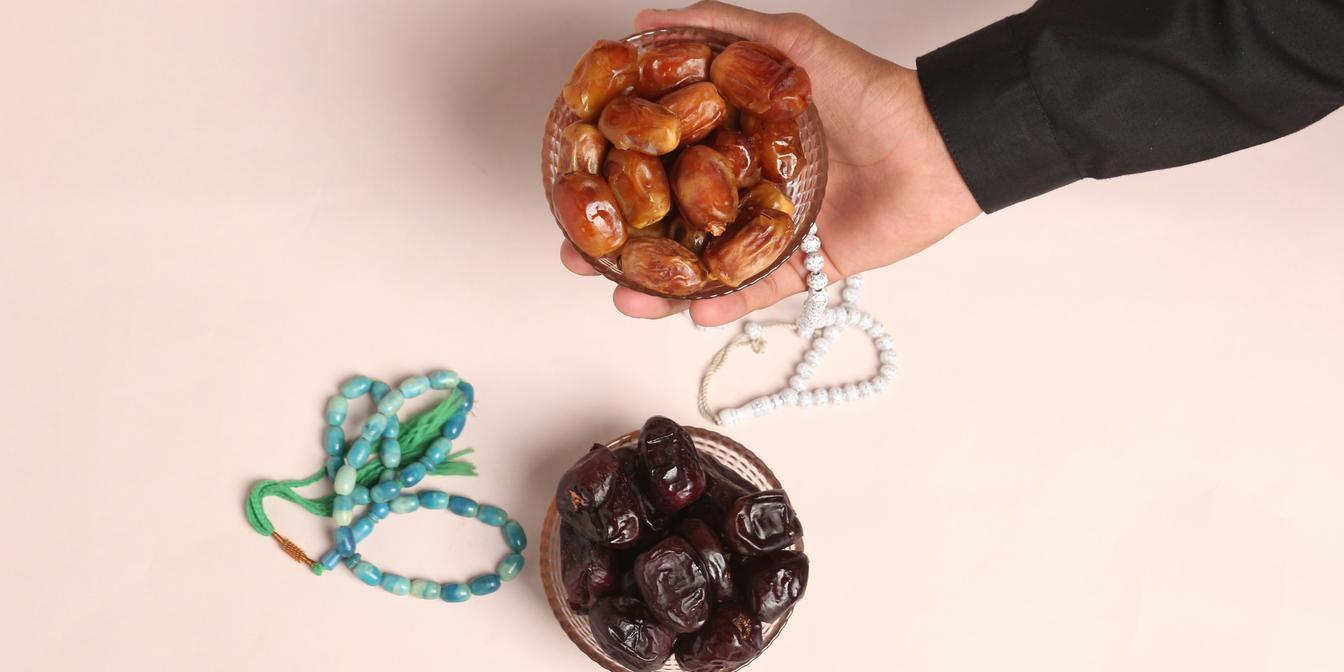
Sweets, biscuits, dates, nuts and savoury snacks can be purchased for guests, gifting or casual tea service. Check the product format, pack size and ingredient information, especially when ordering for other people. A decorative box may suit a gift, while individually packed or resealable products may be more convenient for gradual use.
Do not assume that a product is traditionally Persian simply because it appears in a Persian supermarket. Specialist shops may also carry popular international and regional snacks. That can be useful, but the product description should make clear what you are buying.
Persian Ready Meals and Convenience Foods
Prepared foods can help shoppers explore unfamiliar dishes or reduce preparation on busy days. The category may include canned stews, soups, rice accompaniments, prepared beans and seasoning blends. These products vary significantly in how much work they replace.
A spice blend, for example, still requires the main ingredients and cooking process. Golestan Iranian Gheimeh Stew Seasoning is a blended seasoning intended for gheimeh, not a complete ready-to-eat stew. Distinguishing between a seasoning, a meal component and a finished dish avoids disappointment.
For every convenience product, review the ingredient information, preparation directions, stated serving guidance and storage requirements. Make sure you have any additional ingredients needed before placing the order. If instructions are unclear in the online listing, check the package when it arrives before planning the product for a particular meal.
How to Recognise Authentic Persian Groceries Online
Authenticity is not established by Persian script, decorative packaging or a retailer repeatedly using the word “traditional”. A more reliable assessment combines culinary suitability with transparent product information.
- Check the full product name. Look for the ingredient, variety, blend or dish name rather than relying on the category heading.
- Read the description closely. It should explain what the item is, its format and how it is generally intended to be used.
- Review available label information. Check the ingredient list, storage directions, preparation instructions and any information relevant to your household.
- Compare English and Persian names. Terms such as zereshk and barberries or limoo amani and dried limes can help confirm that you have found the intended ingredient.
- Separate ingredients from substitutes and blends. Saffron threads, saffron seasoning and saffron-style flavouring are different purchases.
- Inspect product images. Photographs should be consistent with the title, size and format described in the listing.
- Assess the retailer, not only the product. Clear contact details, understandable policies and well-structured listings make informed purchasing easier.
Country of manufacture alone does not answer every authenticity question. A product may be useful for Persian cooking because it matches the required ingredient and format, while an Iranian-branded product may still be unsuitable for a particular recipe. For more detail on evaluating listings, see this complete Persian grocery buying guide.
Delivery, Packaging and Returns: What UK Buyers Should Check
Delivery coverage, service options and handling terms are retailer-specific, so confirm them directly before paying. Enter your postcode where required and review the information shown for your actual basket rather than relying on a general search result or an older recommendation.
Pay particular attention when an order combines dry goods with bread, chilled products, frozen foods or breakable jars. Useful questions include:
- Which delivery services are offered for your postcode?
- Does the basket contain products with special storage or handling requirements?
- How does the retailer describe its packaging for jars and other breakable items?
- What should you do if a parcel arrives late, incomplete or visibly damaged?
- What evidence does the retailer request when reporting a problem?
- Are there any product-specific restrictions or conditions stated before checkout?
When the parcel arrives, compare it with the order confirmation before putting everything away. Check pack sizes, quantities and visible package condition. Follow the storage directions printed on each product and retain the order information until you are satisfied that the delivery is complete.
How to Compare Persian Supermarkets Online
A shop with the largest catalogue is not automatically the best choice for a particular order. Compare retailers using the same planned basket so that the result reflects what you genuinely need.
- Range relevance: does the shop stock the rice, herbs and meal-specific ingredients on your list?
- Listing quality: are pack sizes, formats and preparation details clear?
- Basket suitability: can you complete a meal without buying several substitutes or unnecessary extras?
- Terms and support: can you find clear information about ordering, delivery issues and contacting the seller?
- Total order: compare the complete checkout information rather than judging an order by one attractively presented item.
If your search begins with “Iranian food online UK”, remember that search visibility does not prove that a shop is suitable for your postcode or cooking plans. A focused guide to sourcing authentic Iranian food online can help you evaluate retailers and product labels in a consistent way.
How to Build Your First Persian Grocery Basket
A beginner’s basket should produce several complete meals without creating a cupboard full of rarely used packets. One practical structure is:
- One rice suited to your preferred Persian rice method.
- One or two pulses required by planned soups or stews.
- A tomato product in a manageable size.
- Core seasonings already used in your recipes.
- One dried herb blend or distinctive ingredient for a named dish.
- One table accompaniment, such as a pickle or suitable bread.
- Tea or a snack if hospitality products are part of the purpose of the order.
For example, a basket planned around gheimeh could prioritise rice, the correct split peas, tomato paste, dried lime or an appropriate seasoning blend, plus any fresh ingredients sourced locally. A zereshk polo basket would instead place rice, barberries and the recipe’s other required ingredients at the centre. The two baskets are both Persian, but they should not contain the same specialist products by default.
Plan by Recipes, Not Categories
Choose two or three dishes with overlapping staples. Rice can support multiple meals, while a single herb or spice should ideally have more than one planned use. Write the required quantity beside each ingredient before selecting a pack size.
Separate Local and Specialist Purchases
Fresh onions, potatoes and other familiar basics may be easier to buy locally. Use the specialist order for named rice varieties, Persian herb blends, zereshk, limoo amani and other products that are difficult to find in your usual shop.
Keep a Record of What You Buy
Note the product name, pack size, cooking result and how quickly your household used it. This turns the second order into an informed restock rather than another experiment. It also helps you identify whether you prefer a particular rice type, tea format or pickle style.
Common Mistakes When Buying Persian Food Online
- Searching only in English: include names such as zereshk, limoo amani and sabzi ghormeh when relevant.
- Confusing a blend with a pure ingredient: check whether a saffron, herb or stew product is a seasoning mixture.
- Buying the largest pack automatically: calculate likely use before committing cupboard space.
- Treating all Middle Eastern products as interchangeable: confirm the ingredient and format required by the Persian recipe.
- Ignoring preparation directions: dried herbs, pulses, limes and shallots may require different handling.
- Building a basket without meals in mind: every specialist product should have a clear intended use.
- Checking delivery information too late: review retailer-specific terms before investing time in a large basket.
- Judging authenticity by packaging alone: prioritise transparent descriptions, labels and culinary suitability.
Final Checklist for Buying Persian Food Online in the UK
Before completing your order, confirm that you can answer these questions:
- Which meals will the basket produce?
- Have you selected the exact rice, pulse, herb or seasoning format each recipe requires?
- Do the pack sizes match your cooking frequency and storage space?
- Have you checked product descriptions, available label details and preparation instructions?
- Have you distinguished Persian-specific ingredients from broader Middle Eastern alternatives?
- Have you reviewed the retailer’s current checkout, delivery and problem-reporting information?
- Will any bread, prepared food or other product require prompt storage after arrival?
Buying Persian food online in the UK becomes much simpler once you organise the shop around recipes and product formats. Start with versatile Persian pantry staples, add distinctive ingredients for named dishes and compare listings on evidence rather than branding alone. A smaller, coherent first order will usually teach you more about your preferences than a large basket of unrelated products—and it gives you a reliable foundation for future Persian cooking.
Frequently Asked Questions
Where can I buy Persian food online in the UK?
Search specialist Persian or Iranian grocery stores and broader Middle Eastern retailers. Compare product-listing detail, relevant range, checkout information and the retailer’s current terms for your postcode before ordering.
What Persian ingredients should a beginner buy first?
Begin with rice, one or two pulses, tomato products, core seasonings and a distinctive ingredient required by a planned recipe, such as barberries, dried limes or a Persian herb blend. Add bread, pickles or tea only when they fit your meals.
What is the difference between Persian food and Iranian food?
In grocery searches, Persian food and Iranian food usually refer to the same national cuisine. Persian is common in cultural and culinary descriptions, while Iranian often appears in shop and product terminology.
Can Persian groceries be delivered throughout the UK?
Delivery coverage depends on the individual retailer, product type and destination. Check the current options for your postcode at checkout, particularly when ordering bread, breakable jars or products with special storage requirements.
How can I tell whether a Persian product is authentic?
Look for a precise product name, transparent description, appropriate format, available ingredient and preparation information, consistent photographs and a clear culinary use. Persian script or decorative packaging alone does not establish authenticity.