Finding the best Iranian rice in the UK is not simply a matter of choosing the most expensive bag or the variety with the strongest marketing description. Hashemi, Tarom, Domsiah and smoked rice each offer a different balance of aroma, grain character and versatility. The right choice depends on whether you are making plain chelow, an ingredient-rich polow, a crisp tahdig or an everyday pot of rice to serve with stew.
Iranian Rice in the UK: The Quick Buying Guide
If you are ready to buy Iranian rice online in the UK, start with the meal you cook most often. A fragrant, unsmoked long-grain variety is the most flexible first purchase, while Doodi rice is better treated as a flavour-led choice rather than an automatic upgrade.
- Choose Hashemi for versatility: its aromatic character and soft, fluffy cooked texture suit chelow, polow, kebabs and Persian stews.
- Choose Tarom for fragrance and delicate rice dishes: it is a strong candidate for plain steamed rice and polow where the rice remains a central part of the dish.
- Choose Domsiah for a distinctive northern Iranian variety: it appeals to shoppers interested in aromatic rice associated with Gilan.
- Choose smoked or Doodi rice for pronounced flavour: buy it because you want smoke in the finished dish, not because smoked rice is inherently a higher grade.
- Choose pack size according to confidence and use: a 1kg bag is practical for comparing varieties, while a larger bag may suit households that cook Persian rice regularly.
For a flexible starting point, consider a standard pack such as Iranian Hashemi rice in a 4.5kg bag. If you would rather test your cooking method before buying a larger quantity, the 1kg Mehmandoust Hashemi rice provides a smaller-format option described for chelo, polo and tahdig.
Variety is only one part of the decision. Compare the stated country or region of origin, pack size, product description and total order terms. The broader checklist in this guide to buying authentic Iranian food online in the UK can help you assess specialist grocers and current product listings.
What Makes Iranian Rice Different?
Traditional Persian rice is associated with fragrance, slender grains, visible elongation during cooking and a finished texture in which the grains remain recognisably separate. This is especially important for chelow, where plain rice is presented as a dish in its own right rather than merely acting as a neutral base.
These qualities do not come from the variety name alone. Milling, grain age, the proportion of broken grains, storage and cooking technique can all change the result. Even an aromatic variety can become wet or clumped if it is boiled too far before steaming. Conversely, careful rinsing, controlled parboiling and gentle steaming can produce an excellent result from a practical alternative.
Iranian Rice vs Basmati Rice
Iranian rice and basmati are not interchangeable names. Hashemi, Tarom and Domsiah are named Iranian varieties or variety groups, while basmati generally refers to aromatic long-grain rice traditions associated with the Indian subcontinent. Both can produce long, fragrant and separate grains, but their aroma and cooked character are not necessarily identical.
In the UK, basmati is widely encountered in general supermarkets, whereas named Iranian rice is more often found through Persian and specialist food shops. Good basmati therefore remains a useful option when Iranian rice is not the priority or when budget and convenience matter most. For traditional Persian cooking, however, a clearly labelled Iranian variety lets you explore the aromas and textures associated with that particular rice.
Do not assume that any bag labelled “Persian rice” contains a specific Iranian variety. Look for a variety name, stated origin and meaningful description rather than relying on front-of-pack imagery alone.
Why Northern Iran Is Closely Associated with Persian Rice

A large share of Iranian rice cultivation is concentrated in the Caspian provinces, particularly Gilan and Mazandaran. Their regional names consequently appear frequently on bags and product pages. Hashemi is strongly associated with northern Iran, Tarom is closely linked with Mazandaran, and Domsiah is particularly associated with Gilan.
A regional reference can be useful, but it should not replace the variety name. “Gilan rice” or “Mazandaran rice” identifies a place, whereas Hashemi, Tarom or Domsiah gives the shopper more specific information about the rice. Check whether a listing clearly distinguishes the variety, region and brand.
Iranian Rice Varieties Compared
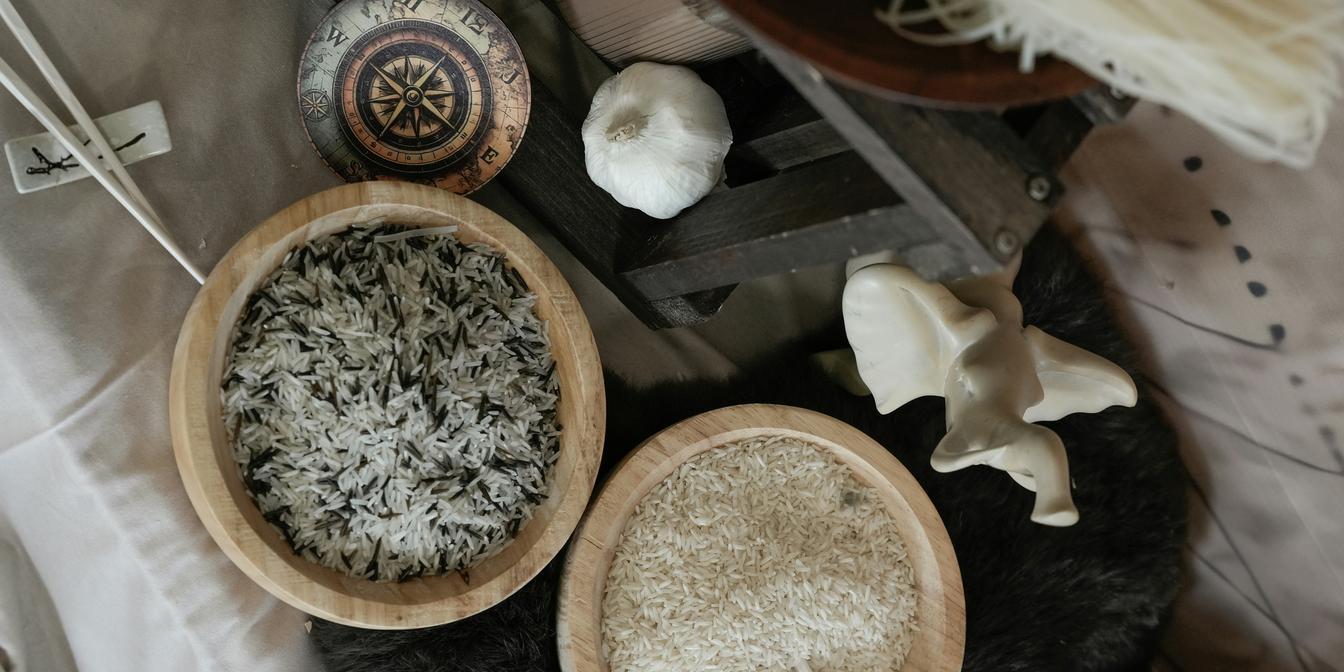
The following comparison is a practical starting point rather than a rigid ranking. Aroma varies by crop and processing, while texture depends heavily on how the rice is cooked.
| Rice type | Typical appeal | Cooked character | Suitable dishes | Best suited to |
|---|---|---|---|---|
| Hashemi | Fragrant and versatile | Soft, fluffy and separate when cooked carefully | Chelow, polow, stews, kebabs and tahdig | First-time buyers and regular Persian cooking |
| Tarom | Distinctive fragrance and delicate grains | Light, aromatic and well suited to steaming | Chelow, herb rice, mixed polow and tahdig | Shoppers prioritising aroma in the rice itself |
| Domsiah | Aromatic northern Iranian variety | Slender, fluffy grains with a distinctive identity | Celebration rice, chelow and polow | Experienced buyers exploring regional varieties |
| Smoked or Doodi | Pronounced smoky aroma | Depends on the underlying variety and cooking method | Plain rice, grilled foods and selected stews | People who specifically enjoy smoky flavours |
| Good basmati | Accessible aromatic alternative | Long, separate grains | Everyday Persian-style rice and mixed dishes | Budget-conscious or convenience-led shoppers |
Hashemi Rice: A Versatile Choice for Classic Persian Meals
Hashemi is a popular aromatic Iranian rice associated with Gilan and Mazandaran. Its main attraction for a UK household is versatility: it can provide a fragrant bowl of plain chelow but is equally comfortable beside kebabs, under saffron rice or in a polow containing herbs, vegetables, fruit or meat.
When cooked using the Persian draining-and-steaming method, Hashemi is valued for a soft, fluffy result with separate grains. That makes it a sensible first variety for someone moving from supermarket basmati to Iranian rice. It is expressive without restricting you to one type of meal.
Choose a smaller bag if you are comparing Hashemi with Tarom or still refining your parboiling stage. Choose a larger format if it is already your household rice and you have suitable pantry space. Brand descriptions can differ, so compare the exact variety, region where stated and intended uses rather than assuming every Hashemi product will cook identically.
Tarom Rice: Fragrant Rice for Chelow and Polow
Tarom is closely associated with Mazandaran and is appreciated for fragrance, slender grains and suitability for traditional Persian rice dishes. It works particularly well when you want the aroma of the rice to remain noticeable, such as plain chelow, sabzi polow or a lightly seasoned mixed rice.
The Hashemi versus Tarom decision is mainly one of preference, not a contest with a universal winner. Hashemi is often the easier all-purpose recommendation, while Tarom appeals to cooks who place special emphasis on fragrance and a delicate grain character. Cooking two small batches under the same conditions is the most reliable way to discover your preference.
A shopper testing Tarom can consider Golestan Tarom rice from Mazandaran in a 1kg pack. Households already familiar with the variety may prefer a larger format such as Golestan Iranian Tarom rice in a 4.5kg bag.
Domsiah Rice: A Distinctive Premium Iranian Variety
Domsiah may also be written as Dom Siah, Domsiyah or Domesiah. The Persian name is commonly translated as “black tail” or “black end”. Accounts differ over whether this refers specifically to a dark feature at the end of the grain or part of the rice plant, so it is more accurate to treat the translation as the origin of the name without turning one explanation into a purchasing guarantee.
Domsiah belongs among the aromatic rice names associated with northern Iran, especially Gilan. It is not automatically the right choice for every cook, but it is worth considering when regional identity and aromatic character are priorities. One example is Sina Food Domsiah rice from Gilan, described for chelow and polow.
Smoked Iranian Rice: When to Choose Doodi Rice
Smoked Iranian rice, called berenj-e doodi or simply Doodi rice, is rice that has been exposed to smoke as part of its processing. Smoking has historical associations with the Caspian rice-growing regions and creates an aroma that remains noticeable after cooking.
This is a flavour category rather than a variety. A smoked rice may be made from an underlying aromatic variety, so check both the rice name and the smoking description. Do not assume that Doodi rice is a quality level above unsmoked Hashemi or Tarom.
For a first purchase, consider whether everyone at the table enjoys smoky flavours. Doodi rice can accompany grilled meat, fish, vegetables or a stew whose flavour will not be overwhelmed by the aroma. If a full pot seems too intense, blend a small portion with plain aromatic rice and adjust the ratio next time. Starting with roughly one part smoked rice to two or three parts plain rice is a practical experiment, not a fixed rule.
Other Names You May See on Iranian Rice Packaging
Sadri may appear as a family, type or regional variety description, sometimes alongside a more specific name. Tarom can also appear with additional local or commercial wording. These labels should not be treated as proof that two differently named products contain identical rice.
Second-cultivation rice describes how or when a crop was produced rather than identifying a separate variety. Depending on context, it can refer to a second planted crop or rice regrown from the first crop after cutting. Because commercial wording is not always detailed, check the stated variety and cultivation information on the current product page.
Terms such as “premium”, “special” or “royal” are marketing descriptions unless the listing explains what they mean. Give more weight to specific information: variety, origin, pack size, grain description and recommended dishes.
Which Iranian Rice Is Best for Each Persian Dish?
A dish-first approach is often easier than comparing variety names in isolation. The best rice is the one that produces the required texture while complementing the other ingredients.
Best Rice for Chelow, Kebabs and Persian Stews
For plain chelow served with kebabs, ghormeh sabzi or another khoresh, choose an aromatic long-grain rice capable of remaining fluffy and separate. Hashemi, Tarom and Domsiah can all work. Hashemi is the most straightforward all-purpose starting point; Tarom is attractive when fragrance is the priority; Domsiah offers another distinctive regional option.
Separate grains matter because chelow should remain light beside a rich stew rather than absorbing all the sauce immediately. Reserve a little cooked rice for mixing with brewed saffron water if you want the familiar golden garnish. For background on selecting and using this ingredient, see the guide to Iranian saffron in Persian cooking.
Best Rice for Polow
Polow combines or layers rice with other ingredients, so choose according to the intensity of the recipe. Fragrant Tarom can shine in sabzi polow or a relatively delicate dish. Versatile Hashemi is useful for recipes containing stronger herbs, spices, dried fruit or meat because it still produces the expected Persian rice texture.
The grains must be firm enough after parboiling to withstand layering and further steaming. Whatever the variety, stop boiling before the centre becomes fully soft. Overcooking at this stage is more damaging than choosing Hashemi instead of Tarom.
Best Rice for Tahdig
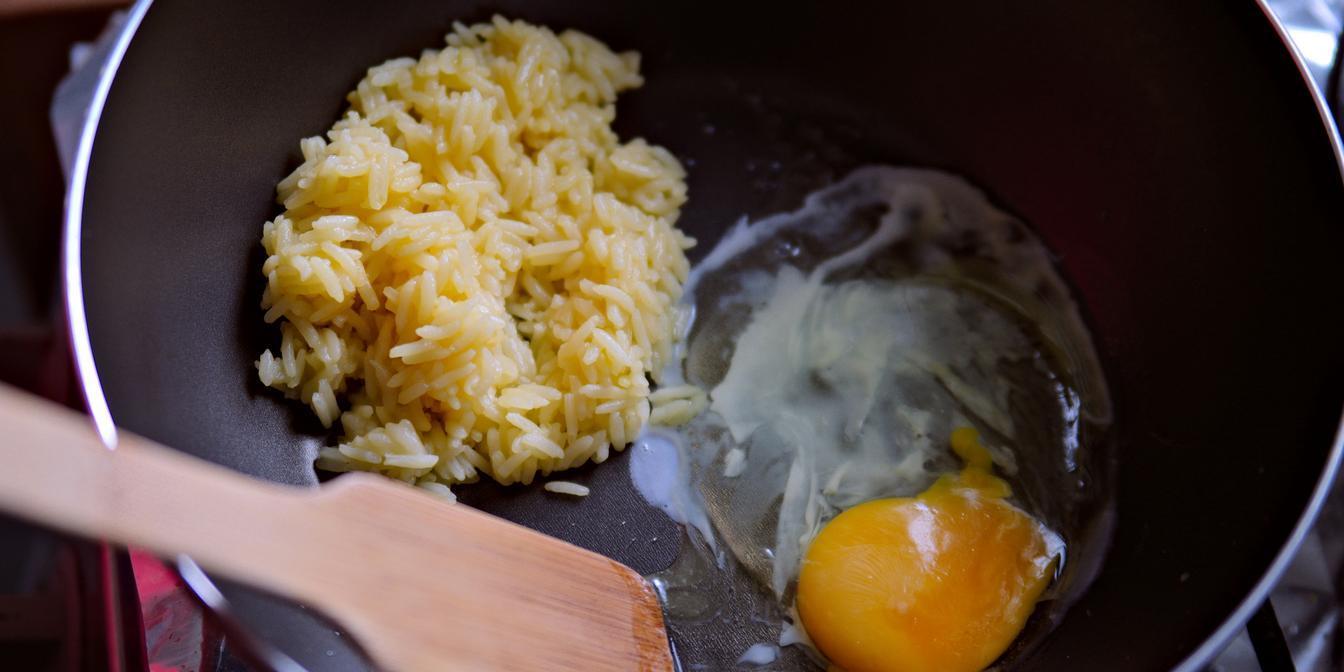
There is no single compulsory rice variety for tahdig. Hashemi, Tarom and other good long-grain aromatic rice can all create a crisp base. Success depends more on controlling moisture, fat, heat and steaming than on buying the costliest variety.
For rice tahdig, use grains that have been parboiled but still retain a firm centre. For potato or flatbread tahdig, the rice above the crust should also be well drained so excess moisture does not soften the base. A 1kg trial bag can be sensible while you learn how a new variety responds to your pot and hob.
Best Rice for Everyday Kateh or Dami
Kateh and dami use an absorption-style method rather than draining the rice before steaming. Because the cooking water remains in the pot, the texture will naturally differ from formal chelow. Hashemi is a flexible option, while basmati can be a practical everyday substitute. Use a consistent rice-to-water method and adjust gradually for each new bag instead of assuming every long-grain rice absorbs the same amount.
How Cooking Method Affects Your Choice of Rice
Before judging a new Iranian rice, cook it at least twice using a controlled method. A poor first batch may reflect unfamiliar water absorption or parboiling time rather than the quality of the rice.
- Inspect and rinse: look at grain length, uniformity and broken pieces, then rinse gently until the water becomes noticeably clearer.
- Soak if your recipe calls for it: soaking can help the grains hydrate evenly, but the required duration varies by rice and household method.
- Parboil by texture: for drained chelow or polow, test a grain rather than relying only on the clock. The outside should be tender while the centre retains resistance.
- Drain thoroughly: excess water encourages clumping and can interfere with tahdig.
- Steam gently: mound the rice loosely, make steam channels and avoid compressing the grains.
- Record the result: note soaking, boiling and steaming choices so the next batch can be adjusted.
If two varieties are being compared, use the same pot, quantity and method. Otherwise, a difference caused by heat or water can easily be mistaken for a difference between Hashemi and Tarom.
How to Choose Iranian Rice Online in the UK
An online listing should give you enough information to distinguish a genuine variety-led product from a generic bag of long-grain rice. Before ordering, check the following:
- Variety: look for Hashemi, Tarom, Domsiah or another specific name.
- Origin: check whether the country and, where relevant, the region are stated clearly.
- Pack size: select a trial size for comparison or a larger pack for an established household favourite.
- Product description: useful listings explain grain character and intended dishes without relying entirely on promotional adjectives.
- Photographs: packaging images should be clear enough to compare the displayed name and details with the written listing.
- Order terms: review delivery information and the total basket rather than judging the rice by its item price alone.
When comparing sellers, use the practical checks in this guide to choosing an Iranian grocery store in the UK. It covers product range, listing quality, delivery terms, basket cost and customer support.
Rice is often purchased alongside saffron, dried herbs, barberries, dried limes, tea or pickles. Planning the complete basket can make more sense than assessing one product in isolation. The wider Persian and Middle Eastern food shopping guide explains how to compare these pantry categories.
Budget should influence the decision, but avoid treating the highest cost per kilogram as proof of the best cooking result. A correctly labelled, versatile rice that suits your usual meals can offer more practical value than a specialised variety you rarely use.
How to Store Iranian Rice at Home
Keep unopened rice in a clean, dry pantry away from direct sunlight and strong-smelling ingredients. Once a bag has been opened, close it securely or transfer the rice to a suitable sealed food-storage container. Retain the original label, or record the brand, variety and opening date, especially when testing several rice types.
Avoid mixing a new bag into the remains of an old one before you have evaluated it. Keeping batches separate makes it easier to identify differences in aroma, broken-grain content and cooking behaviour. If pantry space is limited, a smaller pack may be a better purchase even when your household cooks rice frequently.
Common Mistakes When Buying Persian Rice
- Looking for one universal winner: the best Iranian rice for chelow is not necessarily the preferred rice for a strongly flavoured polow or a smoked-rice meal.
- Confusing variety with processing: Doodi means smoked rice; it does not identify the underlying cultivar by itself.
- Assuming Iranian rice and basmati are the same name: they overlap in some useful cooking qualities but refer to different rice traditions and labels.
- Buying a large bag before testing: begin with a smaller pack when you are unsure about aroma or cooking behaviour.
- Ignoring the cooking method: overboiled rice will not become separate simply because the bag says Hashemi, Tarom or premium.
- Relying on promotional wording: verify the variety, origin and pack details instead of making a decision based only on terms such as “royal”.
- Changing several variables at once: when comparing rice, keep the pot, quantity and method consistent.
Final Verdict: Which Persian Rice Should You Buy?
For most first-time shoppers, Hashemi is a versatile introduction to Iranian rice in the UK. Choose Tarom when fragrance and delicate Persian rice dishes are your main priorities, Domsiah when you want to explore a distinctive Gilan-associated variety, and Doodi only when a pronounced smoky aroma is part of the desired meal.
Whichever variety you select, judge it by clear labelling, suitability for your dishes and results in your own kitchen. Careful rinsing, parboiling and steaming are just as important as the name printed on the bag.
Frequently Asked Questions
What is the best Iranian rice to buy in the UK?
Hashemi is a versatile first choice for chelow, polow, stews, kebabs and tahdig. Tarom suits shoppers prioritising fragrance, while Domsiah and smoked Doodi rice offer more distinctive options.
Is Hashemi or Tarom rice better?
Neither is universally better. Hashemi is an adaptable everyday choice with a soft, fluffy texture, while Tarom is particularly appealing when fragrance and delicate grain character are priorities.
What is the difference between Iranian rice and basmati rice?
Hashemi, Tarom and Domsiah are Iranian variety names. Basmati generally refers to aromatic long-grain rice traditions associated with the Indian subcontinent. Both can work for Persian cooking, but their aroma and cooked character may differ.
Which Iranian rice is best for tahdig?
Hashemi and Tarom are both suitable, but technique matters more than choosing one variety. Parboil the grains only until the outside is tender, drain thoroughly and control the pot’s heat and moisture.
What is Domsiah rice?
Domsiah, also written Dom Siah or Domsiyah, is an aromatic Iranian rice associated particularly with Gilan. Its name is commonly translated as “black tail” or “black end”.