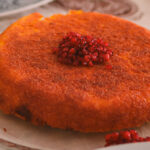
Building a Persian pantry in the UK does not require an enormous collection of unfamiliar products. A few versatile ingredients—good long-grain rice, saffron, turmeric, dried limes, barberries, herbs and pulses—will take you surprisingly far. The key is to understand what each ingredient contributes, then buy according to the dishes you actually want to cook.
This guide introduces the most useful Persian cooking ingredients UK shoppers are likely to encounter, including their Persian names, culinary roles and practical alternatives. It also explains which staples deserve a place in a beginner’s cupboard and which specialist products can wait until your cooking repertoire expands.
What makes Persian cooking distinctive?
Persian cooking is often defined by balance rather than intense heat. Aromatic spices, fresh and dried herbs, fruit, nuts and carefully chosen sour ingredients are layered to create dishes that may be savoury, gently sweet, tangy and fragrant at the same time. Individual flavours are usually intended to complement one another rather than dominate.
Rice is central to many meals, but its role goes beyond being a neutral side dish. It may be steamed until the grains are separate and fluffy, mixed with herbs or pulses, decorated with saffron, or cooked to create a crisp tahdig crust. Stews, grilled foods, soups, herb dishes, pickles and yoghurt-based accompaniments complete the table.
Another distinguishing feature is the range of sour flavours. Fresh citrus is only one option. Persian cooks also use dried lime, barberries, pomegranate products, sour grape juice and other tart fruits. These ingredients do not taste identical, so choosing the right one can change the personality of a dish.
Beginners should focus on versatility rather than trying to reproduce a fully stocked specialist shop at home. The most useful Persian pantry staples are ingredients that work across rice dishes, stews, soups and simple accompaniments.
The essential Persian pantry at a glance
A practical pantry can be built in three stages. Start with ingredients that appear repeatedly in everyday cooking, add a second group when you know which dishes you enjoy, and reserve highly specialised items for particular recipes.
| Priority | Ingredients | Why they are useful |
|---|---|---|
| Must-have staples | Long-grain rice, turmeric, black pepper, saffron, dried lime, barberries, lentils, split peas and dried herbs | These cover the foundations of steamed rice, mixed rice, soups, stews and several well-known Persian flavour combinations. |
| Useful next purchases | Sumac, cinnamon, cardamom, pomegranate molasses, sour grape juice, walnuts, chickpeas, beans and prepared herb mixtures | These broaden the range of dishes you can make and give you more control over sourness, aroma and texture. |
| Specialist ingredients | Kashk, moosir, rose water, dried rose petals, advieh blends and smoked Iranian rice | These have distinctive uses but may not be needed in every household or every style of Persian cooking. |
The best ingredients for a starter pantry
Begin with one dependable long-grain rice. Basmati is accessible and suitable for learning the soaking, parboiling and steaming techniques associated with Persian rice. If you later want to compare aromas and grain characteristics, you can explore Iranian varieties.
Add saffron threads, turmeric, black pepper and cinnamon. Together they cover colour, warmth and aroma without filling the cupboard with blends you may rarely use. Dried lime, or limoo amani, provides the characteristic citrus depth required by several stews, while barberries bring a sharp fruitiness to rice and other sweet-savoury dishes.
For herbs, a prepared ghormeh sabzi mixture is convenient if that stew is one of your priorities. Otherwise, dried mint, parsley, coriander leaf, fenugreek and dill can be bought individually and used more widely. Lentils, yellow split peas, chickpeas and beans round out the pantry, but you can choose the pulse required by your first few recipes instead of buying every type immediately.
Finally, select one versatile souring ingredient. Pomegranate molasses suits dishes that benefit from concentrated fruitiness, while sour grape juice offers a cleaner, sharper acidity. They are not direct equivalents, so let your intended recipes guide the purchase.
Ingredients to add as your Persian cooking expands
Once the basics are familiar, consider moosir, kashk, rose water, dried rose petals and advieh. Moosir is a Persian shallot used in preparations such as yoghurt accompaniments. Kashk is a concentrated dairy ingredient associated with dishes including kashk-e bademjan and ash reshteh. Both have distinctive characters and should be purchased for recipes that call for them rather than treated as general-purpose seasonings.
Rose water and dried rose petals bring floral notes to selected sweets, drinks and spice blends. Use them deliberately: a small amount can support other aromas, whereas an indiscriminate addition can obscure the balance of a dish.
You may also encounter ab ghooreh, meaning sour grape juice, and prepared herb blends for dishes such as ghormeh sabzi and kuku sabzi. Blends save preparation time, but their proportions can differ. Check the label so you know which herbs are included before adjusting a recipe.
Rice: the foundation of the Persian table
Rice is one of the most important Iranian pantry essentials. Selecting an appropriate grain matters because Persian rice cooking usually aims for distinct, elongated grains rather than a soft or sticky mass. Aroma is also important, particularly when the rice is served relatively simply.
In Persian cooking, chelow generally refers to plain steamed rice, while polow describes rice combined or layered with ingredients such as herbs, beans, fruit or meat. Tahdig is the crisp layer formed at the bottom of the pot and may be made from rice itself or created with ingredients such as bread or potato.
Iranian rice varieties and basmati rice
UK shoppers looking for Iranian rice may see names including Tarom, Hashemi and Domsiah. These names identify recognised types of Iranian long-grain rice, but the experience can also be influenced by the producer, processing and age of the grain. Packaging may use different transliterations, so compare the English and Persian names where possible.
Tarom and Hashemi are commonly sought by cooks who value fragrance and traditional grain character. Domsiah is another aromatic name that may appear in specialist selections. Smoked rice has an intentionally smoky profile and is best treated as a distinct style rather than an automatic replacement for ordinary rice. Some cooks blend a small quantity with unsmoked rice to moderate the flavour.
Basmati remains a practical option for everyday Persian cooking in the UK. Choose a long-grain product that cooks into separate grains and holds its shape during parboiling and steaming. Once you are comfortable with the method, the detailed guide to choosing Iranian rice in the UK can help you compare Tarom, Hashemi, Domsiah and smoked varieties.
Choosing rice for chelow, polow and tahdig
For chelow, prioritise aroma, long grains and a texture that remains separate after steaming. Because the rice is served plainly, its own character is especially noticeable. Basmati works well for practice and everyday meals, while an aromatic Iranian rice can be selected when you want the rice itself to take centre stage.
Polow needs rice that retains its structure when layered with herbs, pulses or fruit. Very fragile grains can break during draining and assembly, while soft rice may become compressed as it steams. For heavily flavoured polow, an expensive aromatic variety is not always necessary because the added ingredients contribute much of the final aroma.
Tahdig depends on technique as much as variety. The rice should tolerate parboiling without becoming fully cooked, because it will continue steaming in the pot. Accurate draining, controlled heat and sufficient steaming time are more important than searching for a product labelled specifically for tahdig.
Saffron and the core Persian spice cupboard
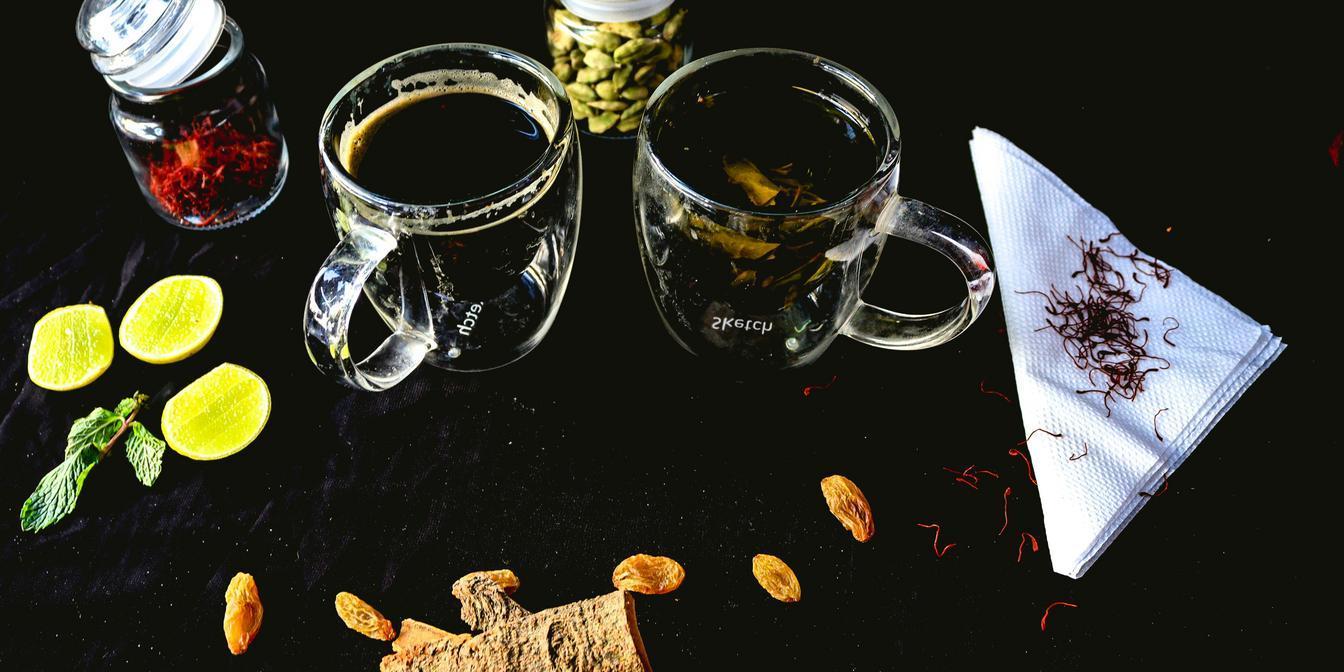
Persian herbs and spices tend to produce aroma, colour and warmth rather than chilli heat. Saffron may be the most celebrated example, but turmeric, black pepper and cinnamon do much of the everyday work. Sumac, cardamom, cumin and advieh become useful as you explore particular dishes.
Saffron: how to buy, store and prepare it
Choose visible saffron threads rather than an unidentified powder. Threads are easier to inspect, portion and grind at home, while a small pack is sensible for beginners who are still learning how often they use the spice. For example, a 1g pack of saffron threads is a manageable format for experimenting with rice, desserts and tea.
Store saffron in a tightly closed container away from light, heat and moisture. To prepare it, gently grind the required threads into a fine consistency, add a small quantity of hot water and allow the colour and aroma to infuse. This blooming step distributes a small amount more evenly than scattering whole threads directly into a large pot of rice.
Use bloomed saffron selectively. It can colour a portion of cooked rice for decoration, flavour the liquid used in a dish, or contribute to sweets and drinks. Adding more is not automatically better; saffron should remain recognisable without overwhelming the other ingredients. Readers who want more background can explore this introduction to Persian saffron and its culinary role.
Turmeric, black pepper and cinnamon
Turmeric is the everyday backbone of many stews, soups and meat preparations. It contributes an earthy flavour and golden colour and is often added early in cooking with onion. It should not be confused with saffron: the two spices have different aromas, flavours and functions even though both can produce yellow tones.
Black pepper provides gentle heat and savoury depth. Freshly ground pepper is useful, but ordinary ground pepper can still form part of a practical starter cupboard. Cinnamon appears in savoury as well as sweet cooking. In rice dishes and stews, it is generally used with restraint so that it adds warmth without making the food taste like a dessert.
Sumac, cardamom, cumin and advieh
Sumac has a tart, fruity profile and is commonly associated with grilled foods and table seasoning. It adds acidity without introducing liquid, making it different from lemon juice, dried lime or sour grape juice.
Cardamom is strongly aromatic and is especially useful in tea, sweets and selected rice preparations. Cumin has a warm, earthy character and appears in regional dishes, rice and pulse combinations, but it is not necessarily the dominant spice in every Persian meal.
Advieh means a spice blend rather than one fixed formula. A mixture intended for rice may differ from one designed for stews, pickles or sweets. Possible components include cinnamon, cardamom, cumin, rose and other spices, but shoppers should never assume that two packets are identical. Read the ingredient list and choose the blend according to its intended use.
Sour ingredients that define Persian flavour
Sourness is one of the most important organising flavours in Persian cooking. It may come from citrus, tart fruit, fermented ingredients or unripe grapes, and it is often balanced with herbs, onions, warming spices or a modest degree of sweetness.
Dried limes: limoo amani
Persian dried limes have a fermented, concentrated citrus character that fresh lime cannot reproduce exactly. Whole dried limes are commonly pierced before being simmered in stews and soups, allowing the cooking liquid to move through the fruit. Keeping them whole also makes them easy to remove or serve separately.
Black and pale dried limes may look different, and individual batches can vary in intensity. Start conservatively until you understand the product. Ground dried lime disperses quickly and is useful when you want the flavour without whole fruit, but it is harder to remove if too much is added.
A product such as loose black limoo amani can be used to introduce deep citrusy, tangy notes to stews, soups and rice dishes. Fresh lime can provide acidity in an improvised meal, but it will taste brighter and less complex, so it should be understood as an adaptation rather than an exact substitute.
Barberries, pomegranate and sour grape products
Zereshk barberries are small, tart dried fruits used most famously in zereshk polow. Their bright sharpness contrasts with buttery or saffron-scented rice, and they can also be used in salads and other sweet-savoury preparations. The berries are delicate, so recipes usually call for brief, gentle cooking rather than prolonged simmering.
Beginners who want to try the ingredient without committing to a large quantity can consider a 125g pack of dried barberries. Cranberries are larger and generally sweeter, so they do not create the same result. If used as an accessible adaptation, chopping them and reducing other sweet ingredients can move the balance closer to the intended dish.
Pomegranate molasses brings concentrated fruit, sweetness and acidity. Products can differ in balance, so taste yours before deciding how much a recipe needs. It is associated with dishes such as fesenjan, where it works with walnuts to create a rich sweet-sour sauce.
Ab ghooreh, or sour grape juice, offers a more direct tartness. It can be used in stews, salads and vegetable dishes when the goal is acidity without the dark fruit character of pomegranate. Unripe grapes and dried sour fruits may appear in regional recipes as further variations on this theme.
How to choose the right souring ingredient
- Use dried lime when a stew or soup needs an aromatic citrus depth developed during simmering.
- Use barberries when the dish benefits from small bursts of tart fruit, especially in rice.
- Use pomegranate molasses for concentrated sweet-sour fruitiness and a darker sauce.
- Use sour grape juice for a sharper, cleaner acidity that can be added and adjusted more directly.
- Use sumac when you want dry, sprinkleable tartness on grilled foods, rice or accompaniments.
Herbs and green flavours
Herbs are not merely garnishes in Persian food. In dishes such as ghormeh sabzi, kuku sabzi and ash reshteh, they help form the substance and identity of the meal. Parsley, coriander leaf, dill, mint, chives and fenugreek are among the names UK cooks will encounter.
Fresh herbs versus dried herbs
Fresh herbs provide volume and a vivid green character, while dried herbs are concentrated and convenient to keep in the cupboard. They are not always interchangeable in equal quantities. When adapting a recipe, identify whether the herbs form the body of the dish or act only as seasoning.
Dried mint is particularly versatile for soups, yoghurt accompaniments and finishing mixtures. Dried dill works well with rice and broad beans. Fenugreek has a powerful, distinctive aroma and should be measured carefully rather than added by the handful.
Prepared ghormeh sabzi herbs
A prepared ghormeh sabzi herb mixture can reduce shopping and preparation time, particularly when several fresh herbs are difficult to obtain together. The exact proportions may vary, however, and some blends may include dried fenugreek while others expect it to be adjusted separately.
Check whether a blend is dried, frozen or prepared in another form, then follow an appropriate method. Do not assume that the same volume of each format will behave identically. Prepared blends are most useful when they simplify a dish without preventing you from tasting and adjusting it.
Pulses, legumes, nuts and dried fruit
Persian pulses and legumes
Lentils, chickpeas, beans and split peas are economical, versatile components of the Persian pantry. Brown or green lentils can be combined with rice in adas polow. Yellow split peas are associated with gheimeh, while chickpeas and beans appear in soups, mixed dishes and regional recipes.
Buy according to a plan. A beginner who wants to make adas polow needs lentils but does not immediately need several kinds of beans. Check whether a recipe specifies dried or tinned pulses, because soaking requirements, cooking time and final texture will differ.
Nuts and fruit for savoury cooking
Walnuts are essential to the texture and character of fesenjan, while almonds and pistachios may appear in decorated rice, sweets and celebratory dishes. Raisins, dates, prunes, apricots and sour cherries can contribute sweetness, acidity or chewiness to rice and stews.
The important principle is balance. Fruit in Persian savoury cooking is not necessarily intended to turn a dish into a sweet course. It may contrast with saffron, onions, meat, pulses or sour ingredients. If substituting one fruit for another, consider size, sweetness, acidity and how quickly it softens.
Specialist ingredients worth understanding
Kashk and moosir
Kashk has a concentrated savoury character and is used in particular soups and aubergine dishes. Its consistency and concentration can vary between products, so recipes may need adjustment. Treat it as a defining ingredient rather than as an all-purpose replacement for yoghurt.
Moosir is a Persian shallot with a distinctive flavour. Dried forms may need preparation before use, while prepared products can be incorporated more directly. It is strongly associated with mast-o moosir, but it can also be used wherever a recipe specifically calls for its characteristic allium note.
Rose water and dried rose petals
Rose water is used in selected desserts, drinks and aromatic preparations. Choose a culinary product and add it gradually, because its perfume should sit within the overall flavour rather than dominate it. Dried rose petals may be used as a garnish or included in certain advieh blends.
Neither ingredient is required for a basic savoury pantry. Buy them when you have a clear use in mind, keep the packaging closed between uses and follow the storage directions on the label.
How to buy Persian ingredients in the UK
Persian food ingredients can be found through Iranian grocery shops, wider Middle Eastern supermarkets and online retailers. Specialist shops are often the easiest place to compare Iranian rice, saffron, limoo amani, zereshk, herb blends, kashk and moosir in one order.
Search using both English and Persian names. Dried lime may be listed as limoo amani, limo omani or black lime; barberries may appear as zereshk; sour grape juice may be labelled ab ghooreh or verjuice. Transliteration varies, so searching only one spelling can hide relevant products.
When comparing products, check the net weight, format and ingredient list rather than relying only on the front label. A whole dried lime and dried lime powder serve related but different purposes. Saffron threads and saffron-flavoured mixtures are not interchangeable. A ghormeh sabzi blend should identify what is included, and an advieh packet should indicate the intended application or list its components.
For broader planning, consult a guide to shopping for Persian and Middle Eastern food online. It is also useful to review practical advice on comparing Persian groceries in the UK before placing a large pantry order.
Storing your Persian pantry
Rice, pulses and dried herbs should be kept closed, dry and away from strong odours. Saffron benefits from protection from light, heat and moisture. Spices are easiest to manage when labelled with their purchase or opening date, particularly if several similar-looking powders share a cupboard.
Keep barberries and other dried fruits according to the package directions and close the pack securely after use. Whole dried limes should remain dry and aromatic. Liquids such as pomegranate molasses, sour grape juice and rose water should be stored as directed by their labels after opening.
Avoid buying the largest pack automatically. Large formats make sense only for ingredients you use frequently and can store appropriately. Smaller quantities are often a better way to learn how an unfamiliar ingredient behaves before making it a permanent pantry staple.
A practical first shopping list
For a compact but capable starter pantry, buy the following:
- One long-grain basmati or Iranian rice.
- A small pack of saffron threads.
- Turmeric, black pepper and cinnamon.
- Whole dried limes.
- A small pack of zereshk barberries.
- Dried mint and dill, plus a ghormeh sabzi blend if you plan to make that stew.
- Lentils and yellow split peas.
- One sour condiment: pomegranate molasses or sour grape juice.
- Walnuts if fesenjan is on your cooking list.
- Sumac for grilled dishes and table seasoning.
This selection supports several useful learning projects: plain steamed rice, tahdig, saffron rice, adas polow, zereshk polow, a pulse-based soup and a dried-lime stew. Add specialist ingredients only when a chosen recipe requires them.
Common pantry-building mistakes
- Buying everything at once: A large specialist order can leave you with products you do not yet understand. Build around three or four planned dishes.
- Treating every sour ingredient as interchangeable: Dried lime, sumac, pomegranate molasses and sour grape juice all create different results.
- Using turmeric as a saffron substitute: Turmeric provides colour and earthiness but cannot reproduce saffron’s aroma.
- Assuming every advieh blend is the same: Check the ingredients and intended use before adding it to rice, stew or sweets.
- Choosing rice by price or grain length alone: Consider aroma, cooked texture, dish and your confidence with the cooking method.
- Overusing floral ingredients: Rose water and rose petals should support a recipe rather than conceal its other flavours.
- Ignoring product format: Whole, ground, dried, frozen and prepared forms may require different quantities and methods.
Build your pantry around the food you want to cook
The best collection of Persian cooking ingredients is not the biggest one. It is the one that helps you cook regularly, understand flavour balance and gradually expand your repertoire. Start with rice, saffron, turmeric, dried lime, barberries, a few herbs and the pulses required by your preferred dishes.
As your confidence grows, introduce advieh, sour grape products, kashk, moosir, rose water and more specialised rice varieties. This gradual approach keeps the pantry useful and makes it easier to appreciate what each ingredient contributes to the distinctive aromatic, herb-led and sweet-sour balance of Persian food.
Frequently Asked Questions
What are the most essential Persian cooking ingredients for a beginner?
Start with long-grain rice, saffron threads, turmeric, black pepper, dried lime, barberries, dried mint or dill, lentils and yellow split peas. Add one sour condiment, such as pomegranate molasses or sour grape juice, according to the dishes you plan to cook.
Where can I buy Persian ingredients in the UK?
Look in specialist Iranian grocers, broader Middle Eastern supermarkets and UK online shops. Search with both English and Persian names, then compare the product format, net weight, ingredient list and storage directions.
Which type of rice is best for Persian cooking?
Aromatic Iranian varieties such as Tarom, Hashemi and Domsiah are traditional choices, but good-quality long-grain basmati is a practical and widely accessible option. Choose rice that remains separate and holds its shape during parboiling and steaming.
What is the difference between dried lime and fresh lime?
Dried lime, or limoo amani, has a concentrated, complex citrus character developed through drying. Fresh lime provides brighter acidity but does not reproduce the same aroma or depth, so it is an adaptation rather than an exact substitute.
Can I substitute cranberries for Persian barberries?
Cranberries can be used when barberries are unavailable, but they are larger and usually sweeter. Chop them if necessary and reduce other sweet ingredients, while recognising that the finished dish will not have the same sharp flavour as zereshk.