Shopping for Persian and Middle Eastern food online in the UK gives you access to ingredients that may be difficult to find in a general supermarket. The challenge is knowing which products suit your cooking, how regional ingredients differ and what to check before placing an order.
This guide explains how to build a versatile pantry rather than simply filling a basket with unfamiliar products. It covers Persian rice, saffron, dried herbs, sour flavourings, pulses, preserves, tea, nuts, sweets and other essentials, along with practical advice on labels, pack sizes, storage and delivery.
How to shop for Persian and Middle Eastern food online in the UK
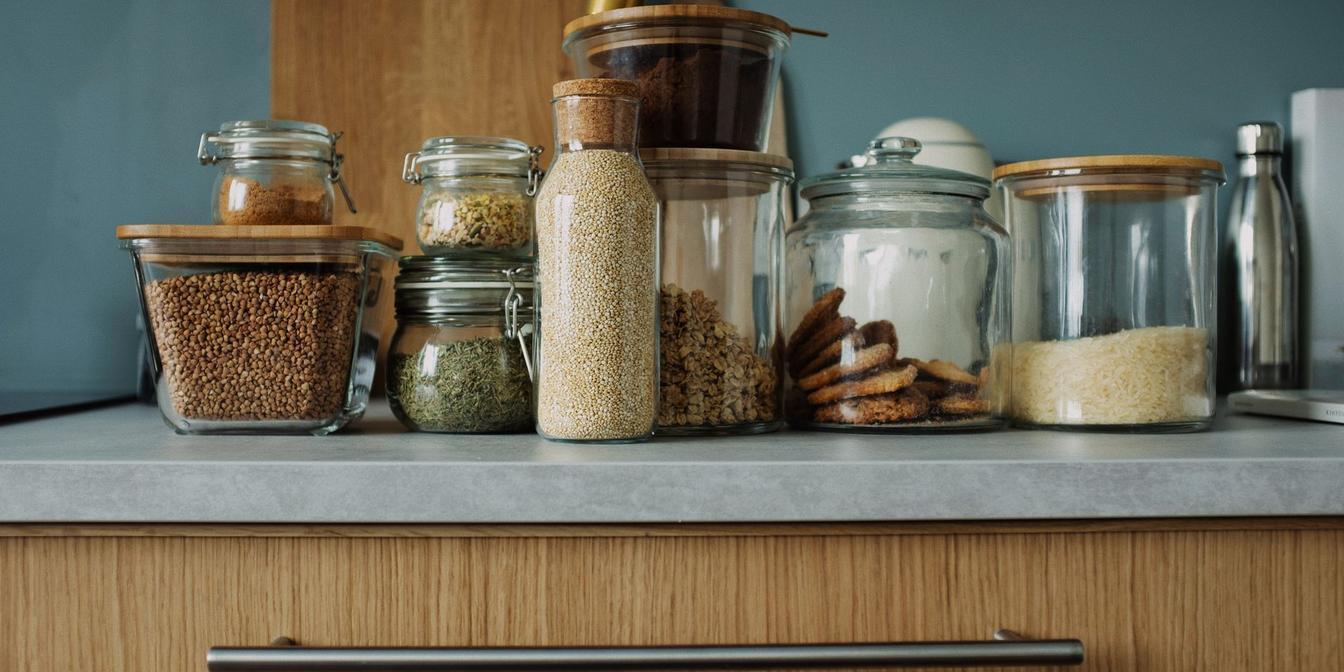
The easiest way to shop is to begin with the meals you intend to prepare. A basket for Persian rice dishes and stews will look different from one built around mezze, baking, tea-time hospitality or convenient weekday meals. Make a short list of dishes, identify the core ingredients shared between them and buy specialist items only when you know how you will use them.
Next, compare listings carefully. Product names may appear in English, Persian transliteration, Arabic transliteration or a brand’s preferred spelling. Dried lime, for example, may also appear as limoo amani, while barberries may be listed as zereshk. Search by both the familiar English name and the regional name if the first search produces limited results.
Before ordering, check:
- Product type: Confirm whether an item is whole, ground, dried, preserved, concentrated, sweetened or ready to use.
- Pack size: Compare the actual weight or volume, not just the photograph or apparent size of the container.
- Ingredients and allergens: Read the listing and the product label, particularly for spice mixtures, sweets, sauces, nuts and prepared foods.
- Preparation: Check whether the product needs soaking, rinsing, dilution, cooking or another step before use.
- Storage: Look for instructions covering unopened storage and refrigeration after opening.
- Delivery suitability: Confirm that the retailer delivers to your postcode and review any conditions applying to the products in your basket.
If you want a more focused overview of retailer and label checks, the guide to buying authentic Iranian food online in the UK provides a useful companion to this pantry checklist.
Persian, Iranian and Middle Eastern food: what do these terms mean?
Persian and Iranian are often used interchangeably in food shopping, but context matters. Persian food generally refers to culinary traditions associated with Iran and Persian culture. Iranian food is a broad practical label that can also encompass the country’s many regional and community traditions.
Middle Eastern food is a much wider category. It covers numerous countries, languages and communities, each with distinct approaches to rice, bread, pulses, herbs, meat, vegetables, pickles, sweets and drinks. A Middle Eastern supermarket online in the UK may therefore carry products for Persian, Arab, Levantine, Turkish, Kurdish and other cooking traditions.
Do not assume that every ingredient sold under a broad regional heading is interchangeable. Similar-looking rice, spice blends, pickles and syrups may have different flavour profiles, textures or intended uses. The listing, ingredient panel and cooking instructions are more useful than the category name alone.
Persian and Iranian groceries
Typical Persian pantry categories include aromatic and long-grain rice, saffron, dried herbs, turmeric, barberries, dried limes, tea, pickles, pulses and sour fruit products. Traditional confectionery, biscuits, nuts and rock candy are also commonly associated with tea service, celebrations and hospitality.
Many Iranian cooking ingredients are selected for balance rather than intensity alone. Saffron can add aroma and colour; barberries bring tartness; dried limes contribute a distinctive sour depth; and dried herb mixtures make particular soups, stews and rice dishes easier to prepare. A structured Persian pantry shopping list can help beginners prioritise versatile ingredients before exploring more specialised products.
Wider Middle Eastern groceries
Wider Middle Eastern groceries may include chickpeas, lentils, beans, bulgur, tahini, molasses, spice blends, preserved vegetables, flatbreads, dates, nuts, sweets and drinks. Some are used across several cuisines, but preparation and serving customs can vary considerably.
When comparing products, look for the stated product description and intended use rather than relying only on a regional category. If halal suitability, a particular production method or another certification matters to you, verify the wording shown on the current listing and packaging instead of assuming that it applies to every product in the shop.
The essential Persian and Middle Eastern pantry checklist
A useful pantry is organised by function. Start with a staple grain, several flavouring ingredients, one or two pulses, a preserve or accompaniment, and a drink or snack you already know you will enjoy. This approach creates complete meals and reduces the risk of buying several interesting products with no clear purpose.
Rice, grains, noodles and pulses
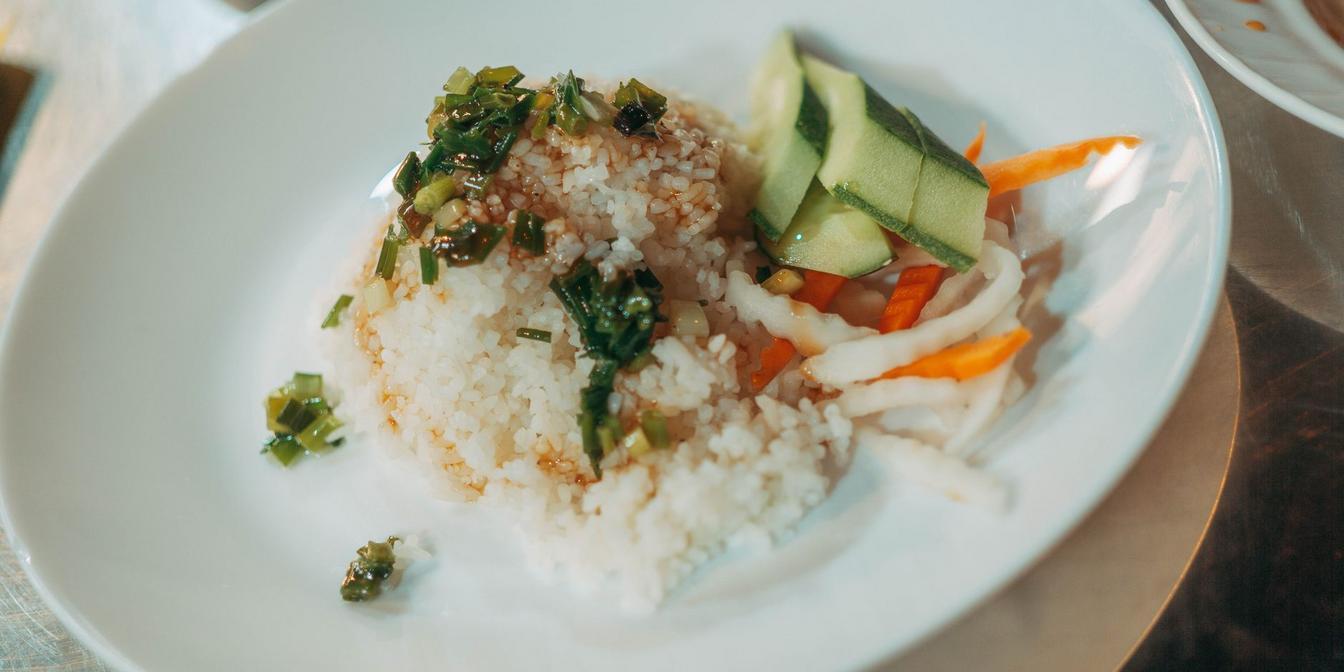
Rice is central to many Persian meals, but the right choice depends on the result you want. For chelow, polo and similar dishes, shoppers often look for long grains that can be rinsed, soaked where required and cooked so that the grains remain distinct. Cooking technique is at least as important as the label: absorption, steaming and parboiling methods can produce different results from the same rice.
Check whether a listing identifies the rice variety, style and recommended cooking method. Consider pack size as well. A larger bag can be practical for frequent rice cooking, whereas a smaller pack lets a beginner test an unfamiliar variety. As one concrete option, Saharkhiz Iranian Tarom Rice in a 4.5kg pack is listed for classic home cooking and Persian-style rice dishes.
Beyond rice, bulgur works in grain dishes, salads and stuffings, while lentils, chickpeas and beans provide the base for soups, stews, dips and side dishes. Reshteh-style noodles are particularly relevant when a recipe calls for a noodle designed for Persian soups or rice dishes; ordinary pasta should not automatically be treated as an exact replacement.
Convenience also has a place in a well-planned pantry. Ready-cooked products such as 1&1 Cooked Broad Beans can shorten preparation for quick meals and side dishes. Check the drained quantity, liquid, seasoning and instructions before deciding how they fit your recipe.
Herbs, spices and sour flavourings

This category gives Persian cooking much of its recognisable character. Saffron, turmeric and sumac perform different roles: saffron is used selectively for aroma and colour, turmeric often supports the savoury base of a dish, and sumac supplies tartness. Similar colour does not mean similar flavour or use.
Dried herbs may be sold individually or as mixtures intended for particular recipes. Dill can be used in rice dishes, soups and other savoury cooking; Anjoman Dried Dill Weed 150g is one example of a single-herb option. A named mixture should be checked ingredient by ingredient because proportions can differ between brands.
Fenugreek is another ingredient that should be measured thoughtfully, as its role differs from that of mint, parsley, coriander or dill. When following a recipe, identify whether it asks for the leaves, seeds or a prepared mixture rather than treating every fenugreek product as equivalent.
Persian sour flavourings deserve their own place in the cupboard:
- Zereshk or barberries: Small tart berries commonly incorporated into rice and other dishes. Check whether cleaning or preparation is required.
- Limoo amani or dried limes: Whole or prepared dried limes used to add a deep sour note. Follow the recipe’s directions for piercing, crushing or adding them whole.
- Sumac: A tangy ground seasoning often added at the table or used in cooking.
- Pomegranate-based products: These vary in sweetness, sharpness and concentration, so they should be chosen by ingredients and intended use.
For saffron, compare form and quantity rather than judging the product only by packaging. Determine whether it contains threads or another format, read the stated net weight and follow the listing’s storage information. Avoid assuming that saffron colouring, saffron-flavoured products and pure saffron threads are interchangeable.
Oils, sauces, syrups and cooking essentials
Cooking oils, ghee, tomato products and bottled flavourings can make up a substantial part of a Middle Eastern grocery basket. Choose them according to the dish and the information given on the product listing rather than searching for one supposedly universal regional cooking fat.
Pomegranate products, rose water and orange blossom water require particularly careful comparison. One bottle may be intended for savoury cooking, another for drinks or desserts, and another may be concentrated. Check the ingredient list, suggested uses, quantity and any dilution instructions. A strongly flavoured product is generally easier to add gradually than to correct after too much has been used.
Tomato paste, canned tomatoes and prepared sauces can save time, but they are not identical. Review whether a product is plain or seasoned and whether your recipe expects a concentrated paste, a looser sauce or whole pieces of tomato.
Pickles, preserved foods and ready-to-use ingredients
Pickles provide contrast alongside rice, stews, grilled dishes and simple meals. Persian torshi can include mixed vegetables, herbs, vinegar and seasonings, with texture ranging from chunky to finely chopped. For example, Anjoman Torshi Liteh mixed pickled vegetables is described as a finely chopped, vinegar-based blend intended as an accompaniment.
Compare jar size with how often you expect to serve the product, and check the label for storage after opening. Pickled cucumbers, mixed pickles and other preserved vegetables can differ in saltiness, acidity, sweetness and seasoning, so a familiar English product name does not guarantee an identical flavour.
Canned vegetables, beans and ready-to-use meal components are valuable when convenience matters. Read the preparation instructions: some products can be served after heating, while others are ingredients that still need seasoning or incorporation into a recipe.
Tea, cold drinks and everyday refreshments
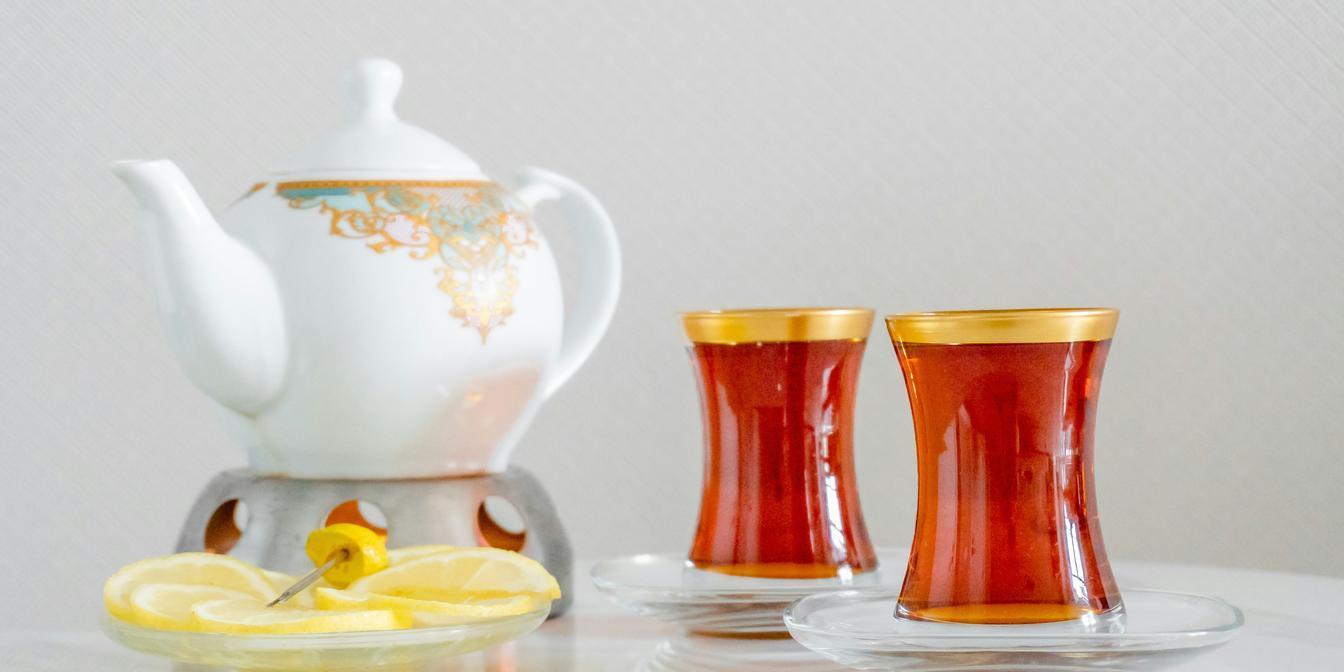
Black tea is an everyday staple in many households, but strength, leaf style, brewing time and serving preferences vary. Some people serve tea plain, while others pair it with sugar, dates, sweets or rock candy. Iranian saffron rock candy, also known as nabat, is one traditional tea-time option; saffron rock candy on sticks offers a portioned format for stirring into hot drinks.
Herbal infusions, fruit drinks, syrups and non-alcoholic beverages broaden the category. Check whether a drink is ready to serve or requires dilution, and review sweetness and preparation guidance where these details are provided. The overview of Middle Eastern drinks available online in the UK offers more detail on navigating this varied section.
Nuts, seeds and dried fruit
Pistachios, walnuts, sunflower seeds, dates, figs and raisins can serve several purposes. They may be eaten as snacks, offered to guests, used in baking or incorporated into rice, salads and savoury dishes. Decide whether you need a cooking ingredient, a seasoned snack or a presentation-ready hospitality item.
Check whether nuts are shelled, roasted, salted, flavoured or raw as described by the listing. For dried fruit, compare whether it is whole, chopped or prepared in another format. Always review allergen information and storage instructions, including guidance applying after the package has been opened.
Bread, snacks, sweets and confectionery
Flatbreads are everyday meal components, while biscuits, wafers and packaged snacks are convenient cupboard items. Bread dimensions, thickness and texture affect whether a product is best suited to wrapping, dipping or serving beside a meal, so inspect the listing rather than assuming that all flatbreads behave in the same way.
Lavashak is a sour fruit product commonly described in English as fruit leather. Its taste and texture place it in a different category from sweet biscuits or boxed confectionery. Check the listed fruit ingredients and flavour rather than expecting every variety to have the same level of tartness.
Gaz, sohan, ghotab and baklava are distinct sweets, not interchangeable names for one style of dessert. Some are convenient for tea-time serving or gifting, while others may be purchased as an everyday treat. Look at portion format, pack weight, ingredient information and allergen labelling before choosing. Anyone exploring the category for the first time may find it easier to select one familiar biscuit or wafer and one traditional Iranian sweet rather than ordering many large packs.
How to read online grocery listings effectively
A product page should answer practical questions, not merely confirm that an item looks familiar. Begin with the full product name and net quantity, then read the description, ingredients, allergen statement, preparation guidance and storage instructions shown for the item.
Transliterated names can vary. Search terms such as zereshk, barberry, limoo amani, dried lime, torshi and mixed pickles may lead to related products, but the final choice should be based on the actual listing. Photographs are useful for identifying packaging and product format, yet they should not replace written quantities or label information.
If two products seem similar, compare them in this order:
- The exact product type and intended dish.
- Ingredients, flavourings and added seasonings.
- Net weight, drained weight or volume where stated.
- Preparation and storage requirements.
- Whether the pack size is realistic for your household.
For a wider examination of these decisions, see the complete Persian food buyer’s guide.
How to build your first online basket
A beginner does not need every Persian pantry staple at once. A better first basket supports two or three planned meals and includes a few flexible ingredients for later use.
A balanced starter order might contain:
- One rice or grain suited to the dishes you plan to cook.
- One pulse, such as lentils, chickpeas, beans or broad beans.
- Two or three individual herbs or spices you can identify in your recipes.
- One sour ingredient, such as sumac, dried lime or barberries.
- One tomato, pomegranate or floral pantry product if a planned dish requires it.
- One pickle or preserved accompaniment.
- Tea or another everyday drink.
- One snack, dried fruit or sweet in a manageable pack.
Plan overlapping uses. Dill might serve a rice dish and a soup; chickpeas can work in several meals; dates can be served with tea or used in cooking. Specialist products become better value when they have a clear second use, but substitutions should still respect the flavour and format required by the recipe.
Regular cooks can then expand into dried herb blends, additional sour flavourings, larger rice packs and regional confectionery. The broader guide to choosing Middle Eastern groceries online can help when extending a Persian-focused cupboard into other regional cuisines.
Delivery, storage and order planning
Check delivery terms before building a large basket. Confirm postcode coverage, available delivery options and any product-specific conditions shown by the retailer. Do not assume that every item is handled in the same way simply because it appears on one website.
When the parcel arrives, compare the contents with the order and read the product packaging. Store each item according to its label. Dry goods generally benefit from an orderly cupboard where opened packs can be sealed and used in rotation, while jars and prepared products may carry specific refrigeration instructions after opening.
Keep specialist ingredients visible and label transferred ingredients clearly. Dried limes, herb mixtures and similar products are easier to use when their names remain attached to them. Record the opening date where that helps you follow the packaging guidance.
Common online shopping mistakes to avoid
- Buying by photograph alone: Images can make it difficult to judge weight, concentration or serving format.
- Treating regional labels as recipes: “Persian” or “Middle Eastern” does not by itself explain how a product should be cooked.
- Assuming similar ingredients are substitutes: Sumac, dried lime, barberries and pomegranate products all bring sourness in different ways.
- Ordering oversized packs immediately: Test an unfamiliar product before committing to a quantity you may not use.
- Ignoring transliteration: Learning alternative names makes it easier to locate the exact ingredient in a recipe.
- Overlooking storage after opening: Jarred, bottled and prepared foods may have instructions that differ from their unopened storage.
- Making certification assumptions: If a dietary requirement or certification matters, confirm it on the specific listing and packaging.
Shop with a plan, then expand your pantry
Buying Persian and Middle Eastern food online in the UK is simplest when you work from real dishes, compare product formats and check delivery and storage information before ordering. Start with versatile rice, pulses, herbs, sour flavourings and accompaniments, then add drinks, snacks and specialised ingredients as your cooking develops.
The goal is not to buy the largest possible collection. It is to create a pantry in which every ingredient has a purpose, the labels are understood and the products can be used while they are at their best.
Frequently Asked Questions
Where can I buy Persian and Middle Eastern food online in the UK?
Look for a specialist online grocer with clear product descriptions, pack sizes, ingredients, storage information and delivery terms. Confirm that it serves your postcode and carries the specific Persian or regional ingredients required by your recipes.
What are the most useful Persian pantry staples for beginners?
A practical starter pantry includes suitable long-grain rice, turmeric, dried herbs, a pulse, barberries or dried limes, a tomato-based cooking product, tea and one pickle. Choose ingredients that support two or three planned meals rather than buying everything at once.
What is the difference between Persian, Iranian and Middle Eastern food?
Persian food generally refers to Iran’s Persian culinary traditions, while Iranian food can describe the country’s broader range of regional cuisines. Middle Eastern food is a wider category covering many distinct countries, communities and cooking traditions.
How do I choose rice for Persian cooking?
Match the rice to the intended dish and cooking method. Check the variety or style, grain description, pack size and preparation guidance. For many Persian rice dishes, shoppers seek long grains that can remain distinct after careful rinsing, cooking and steaming.
What should I check before buying saffron online?
Check the product format, stated net weight, ingredient information and storage guidance. Distinguish saffron threads from saffron-flavoured products, colouring and confectionery, as these are not interchangeable in recipes.