Persian breakfast foods range from quick combinations of bread, cheese and tea to generous spreads filled with herbs, walnuts, preserves and warm cooked dishes. The meal is flexible rather than fixed: one household may begin the day with lavash and panir, while another prefers barbari with butter and honey or a bowl of adasi with fresh bread.
This guide explains the main elements of a traditional Iranian breakfast, how the foods are combined and how to build a balanced spread without treating any single arrangement as universal. Whether you want a simple weekday breakfast or a more elaborate weekend table, the central idea is the same: good bread, several contrasting accompaniments and plenty of freshly brewed tea.
What Is a Traditional Persian Breakfast?
In a food context, “Persian breakfast” and “Iranian breakfast” are often used interchangeably. Persian refers to the culinary and cultural tradition, while Iranian refers to the country and its diverse population. Iran includes many regions and communities, so breakfast habits vary by location, family background, season and personal taste.
An everyday breakfast is usually uncomplicated. Fresh flatbread is placed alongside cheese, butter, jam, honey, walnuts, herbs, cucumber or another available accompaniment. Black tea completes the meal. People choose their own combinations rather than following a formal sequence of courses.
Cooked breakfasts tend to appear when there is more time, such as at weekends, during family gatherings or in breakfast cafés and restaurants. These can include tomato omelette, eggs, lentil stew, halim or more specialised dishes. A cooked item does not replace bread and tea; it often joins them.
The everyday Iranian breakfast formula
The simplest formula begins with bread and one savoury or sweet topping. Bread with white cheese is perhaps the most recognisable pairing, especially when walnuts and fresh herbs are added. Butter with honey or fruit preserve offers a sweeter alternative, while cucumber, tomato and radishes bring freshness and contrast.
There is no requirement to serve every component at once. A practical weekday breakfast might consist of lavash, cheese, cucumber and tea. A larger spread can include two breads, cheese, herbs, walnuts, butter, honey and several preserves, allowing everyone to assemble a different bite.
How Persian breakfast is served and shared
Persian breakfast is commonly presented as a shared, mix-and-match meal. Foods may be arranged on a dining table or on a sofreh, a shared cloth or eating surface. The precise layout is less important than making the bread and accompaniments accessible to everyone.
Bread may be torn into manageable pieces and used to pick up cheese, wrap herbs or scoop a cooked dish. Small bowls and plates keep preserves, nuts and fresh produce separate. Tea is poured and replenished during the meal, helping breakfast feel unhurried even when the foods themselves are simple.
The Essential Persian Breakfast Foods at a Glance
| Category | Common examples | Typical role |
|---|---|---|
| Bread | Sangak, barbari, lavash and taftoon | The foundation for wrapping, scooping and spreading |
| Dairy | Panir, butter, cream, sarshir or kaymak | Salty, mild or rich accompaniments |
| Fresh items | Herbs, cucumber, tomato and radishes | Freshness and texture alongside bread and cheese |
| Sweet accompaniments | Morabba, honey and fruit preserves | Spread over bread, butter or cream |
| Nuts and fruit | Walnuts, dates and seasonal fruit | Served individually or paired with cheese |
| Warm dishes | Persian omelette, eggs, adasi and halim | More substantial options for leisurely breakfasts |
| Drinks | Iranian black tea | The customary hot drink served throughout the meal |
Persian Breakfast Breads: The Foundation of the Meal
Iranian flatbread is central to breakfast because it connects almost every other component. It can hold a piece of cheese, wrap herbs and walnuts, carry butter and jam or scoop up omelette and lentils. The bread you choose also changes the character of the meal: thin lavash makes compact wraps, while thick barbari provides a chewier base for spreads and eggs.
Freshness matters, but slightly dry or chilled bread can often be refreshed with gentle heat. If several kinds are available, serving one thin bread and one thicker bread gives the table useful variety.
Sangak
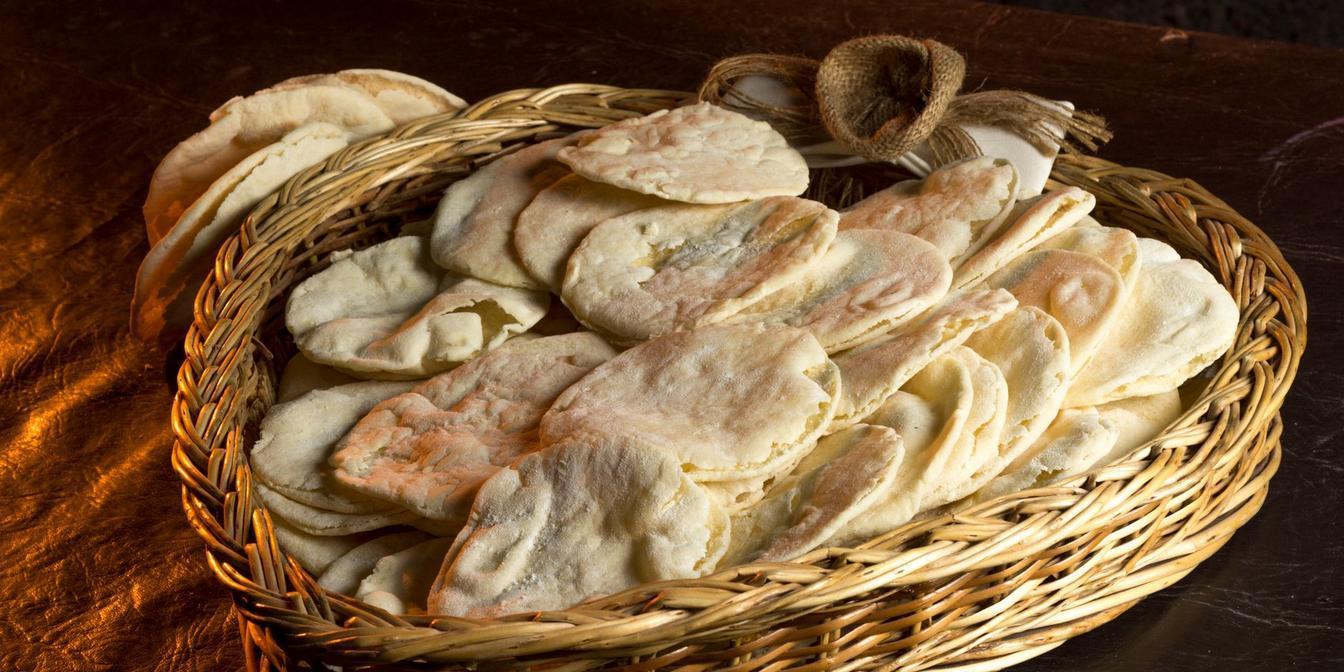
Sangak is a long, rustic flatbread with an uneven, textured surface. Its name is associated with the small stones traditionally used during baking, which help create its distinctive appearance. The thinner areas can become crisp, while thicker sections retain more chew.
It is particularly well suited to bread-and-cheese combinations because pieces can be folded around panir, walnuts and herbs. It is also useful for scooping warm dishes. For a convenient starting point, traditional Iranian sangak bread can be served with either savoury or sweet breakfast accompaniments.
Barbari
Barbari is thicker than sangak or lavash and is recognised by its elongated shape, ridged surface and chewy interior. The substantial texture makes it a satisfying base for butter, honey, cream, jam and eggs. It can be sliced or torn, depending on how it will be served.
Because barbari has more body, it works especially well when a topping might overwhelm thinner bread. Warm pieces can be placed in a lined basket so diners can help themselves without the bread dominating the whole table.
Lavash
Lavash is thin, flexible and easy to fold. At breakfast it can be wrapped around cheese, herbs and walnuts or spread with butter and preserves. Smaller folded portions are practical when several fillings are available and each person wants to make a different combination.
Thin bread loses moisture quickly, so warm only what you plan to serve. A brief pass through a warm oven or dry pan can restore flexibility, but too much heat may make it brittle. Iranian lavash bread is a versatile option for wraps, sandwiches and a Persian-style breakfast table.
Taftoon and other regional breads
Taftoon is generally thinner than barbari but more substantial than very delicate lavash. Its round or oval form and flexible texture make it suitable for cheese, butter, honey and cooked foods. As with Iran’s other breads, its exact thickness and appearance can differ between bakeries.
Regional bread traditions extend far beyond these four familiar names. Local grains, baking surfaces and shaping methods influence the finished loaf, and families naturally favour the breads available where they live. A Persian breakfast made with a suitable local flatbread can still preserve the spirit of the meal when an Iranian bakery is not nearby.
How to warm and serve Persian bread
For fresh bread, a short period in a low oven is usually enough to bring back warmth without drying it. Chilled bread can be wrapped loosely before warming so it remains pliable. A dry frying pan is useful for individual pieces, especially lavash or taftoon.
If the bread feels dry, a very light mist of water before warming may help. Avoid soaking it or applying high heat for too long. Serve immediately in a basket or under a clean cloth, and cut or tear very large loaves into pieces that are easy to pass around.
Cheese, Cream, Butter and Other Dairy Foods
Dairy foods provide much of the savoury, creamy or rich contrast in a Persian breakfast spread. White cheese is the everyday classic, but butter, thick cream, sarshir and kaymak can also appear. They may be served alone with bread or balanced with honey, jam, walnuts and fresh produce.
Panir: Iranian-style white cheese
Panir simply means cheese, but at breakfast it commonly refers to a white cheese with a mild-to-salty character. Styles vary in firmness, richness and saltiness, so there is no single cheese that represents every household. The important point is that it should be easy to portion and pair with bread.
Walnuts are a classic companion because their firm texture contrasts with soft cheese. Cucumber, radishes, tomato and fresh herbs add further variety. One suitable option is Pegah sheep and cow cheese, an Iranian mixed-milk cheese intended for breakfasts, sandwiches and simple serving.
Butter, sarshir and kaymak
Butter is often paired with honey or morabba, although it can also be spread under cheese. Sarshir and kaymak are names associated with thick, rich dairy accompaniments, with terminology and style varying by region. They are usually served in modest bowls so they can be spooned onto warm bread.
Sweet preserves provide a sharp colour and flavour contrast to rich dairy foods. When serving several options, use separate utensils so guests can combine them as they wish.
The Classic Savoury Combination: Noon Panir Sabzi
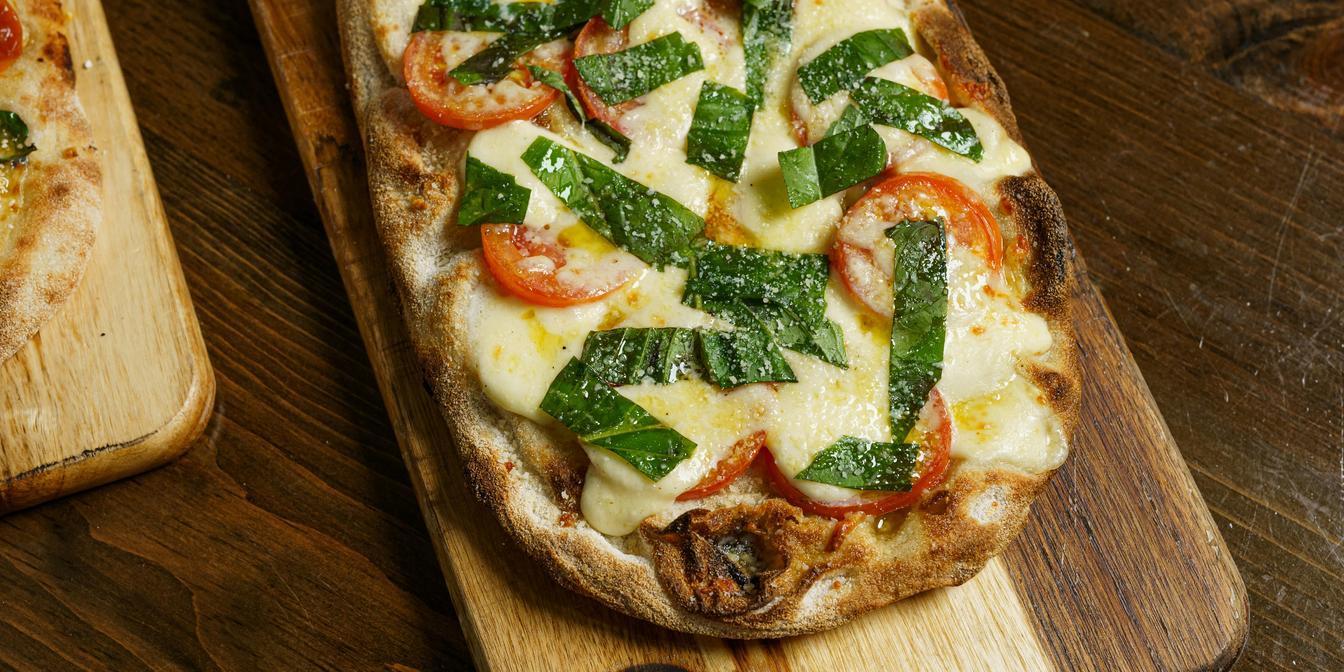
Noon panir sabzi translates directly as bread, cheese and herbs. It is one of the clearest expressions of the Persian breakfast approach: a few simple foods assembled into a bite with contrasting textures and flavours. Walnuts are frequently added, leading to the familiar combination of bread, cheese, herbs and walnut.
The herbs can include whatever is fresh and suitable for eating raw, such as basil, mint, parsley, tarragon or chives. The selection is not rigid, and a small mixed herb plate is more useful than searching for one supposedly definitive combination. Cucumber, radishes and tomato can sit alongside the herbs.
To assemble a bite, tear off a piece of bread, add a small portion of cheese, one or two herb leaves and a piece of walnut, then fold the bread around the filling. Keep the portions compact so no single ingredient overwhelms the others.
Sweet Accompaniments: Morabba, Honey and Preserves
Morabba is the Persian term commonly used for fruit preserves or preserves in syrup. It brings sweetness and colour to the breakfast table and is usually eaten with bread, often over butter or alongside cream. Depending on the household, flavours may include carrot, quince, sour cherry, fig or other fruits.
Honey is another straightforward option and works particularly well with warm barbari or taftoon. Rather than covering every piece of bread in advance, place honey and preserves in small bowls. This keeps the bread from becoming soggy and allows diners to alternate between sweet and savoury bites.
A varied spread does not require numerous jars. One preserve and one savoury cheese combination are enough to create contrast. When serving several preserves, choose noticeably different flavours rather than options that taste very similar.
Fresh Herbs, Vegetables, Walnuts and Fruit
Fresh produce gives a Persian breakfast much of its visual appeal and textural variety. Cucumbers can be sliced into spears or rounds, tomatoes cut into wedges and radishes served whole or halved. A plate of washed herbs allows each person to choose individual leaves and stems.
Walnut halves are particularly useful with cheese, but other nuts or dried fruit may appear according to family preference. Dates can be served beside tea or combined with bread and butter. Seasonal fruit is best presented separately so it can be eaten during or after the main breakfast.
Avoid overfilling the table with large quantities of every ingredient. Small, replenishable plates keep herbs and vegetables looking fresh and leave room for bread, teapots and warm dishes.
Persian Tea: The Essential Breakfast Drink
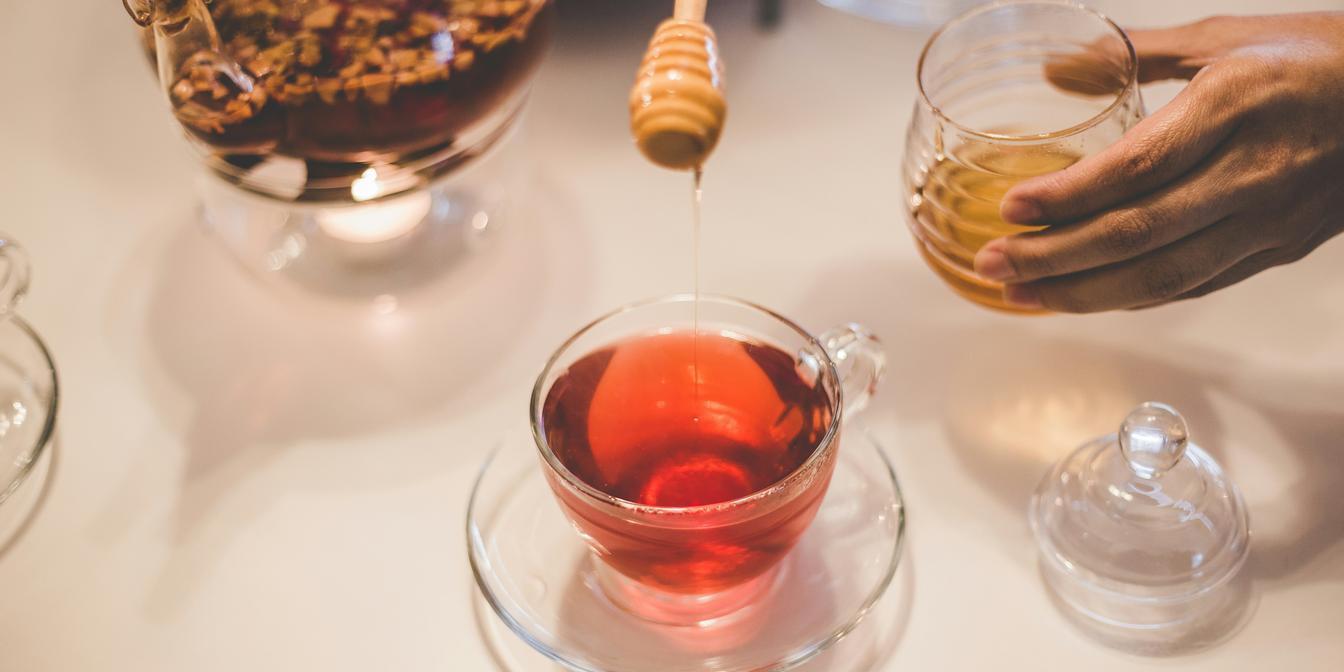
Black tea is the drink most closely associated with a traditional Persian breakfast. It is commonly served in clear glasses or small cups, where the amber colour can be seen. Some people drink it plain, while others use sugar cubes, loose sugar, dates or another sweet accompaniment.
The preferred strength varies. A useful approach is to brew a concentrated pot and provide hot water so each person can adjust the cup. Tea should be fragrant and clear rather than left to develop a harsh, over-brewed taste. For a full method, see this guide to making Persian tea the traditional way.
Tea styles can differ in leaf size, strength and added aroma. Those comparing options can consult the overview of Iranian and Iranian-style teas. For a bold everyday cup, Golestan Breakfast Black Tea CTC is described as a strong, full-bodied black tea.
Prepare the tea near the end of setting the table so it arrives hot. If breakfast will continue for some time, keep hot water available rather than leaving the brewed leaves to steep indefinitely.
Warm and Cooked Persian Breakfast Dishes
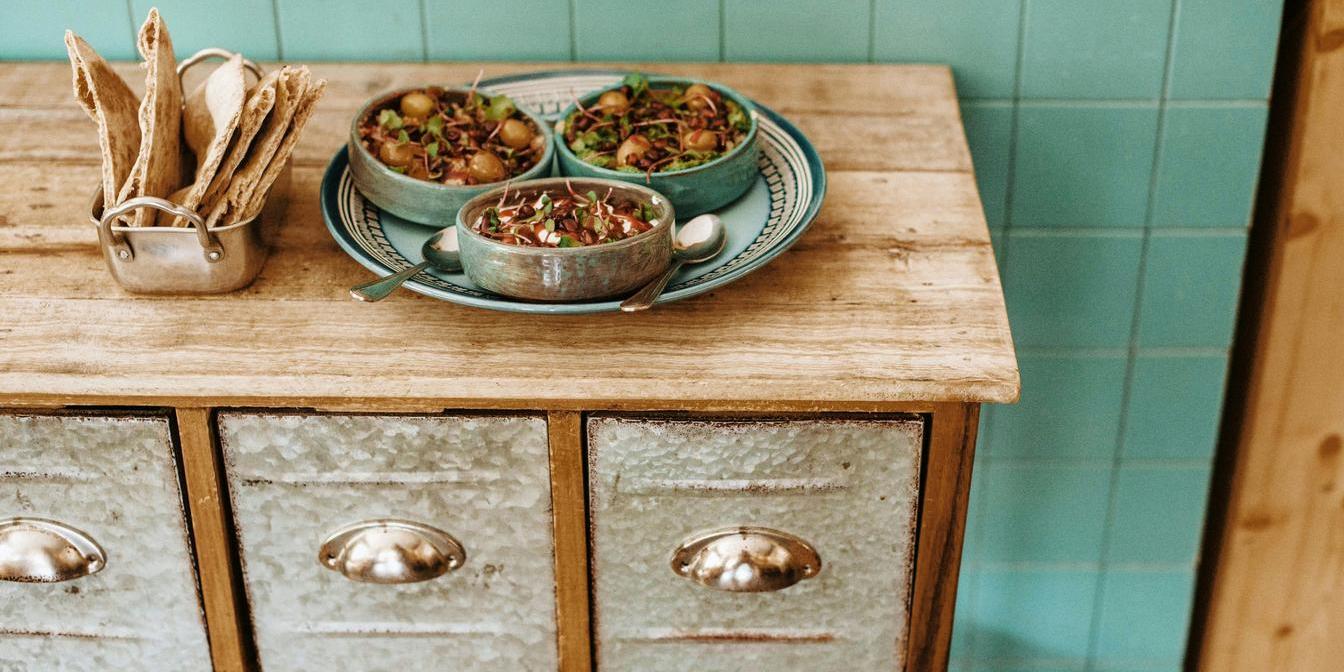
Cooked dishes turn a simple bread-and-cheese meal into a more substantial breakfast. They are often associated with relaxed mornings, restaurants or family gatherings, although any of them can be prepared at home when time allows.
Persian tomato omelette
Omelette gojeh farangi, commonly called Persian tomato omelette, combines eggs with cooked tomato. Some versions begin by reducing chopped or grated tomatoes until much of their liquid has evaporated, while others use tomato paste for deeper colour and concentration. Eggs are then stirred in or allowed to set more visibly.
The finished dish is usually brought to the table with plenty of bread for scooping. Seasoning varies, but restraint helps preserve the contrast between tomato, egg and bread. If you are exploring seasonings beyond breakfast, the guide to essential Persian spices explains several ingredients used across Iranian cooking.
Adasi
Adasi is a warm lentil dish commonly eaten with bread. Its texture can range from a loose stew to a thick, spoonable bowl, depending on preparation and preference. Onion and gentle seasoning build the base, while optional garnishes are added at the table.
Serve adasi in individual bowls with lemon wedges or other preferred accompaniments on the side rather than assuming everyone wants the same finish. A chewy bread such as barbari works well, but sangak and taftoon are equally practical.
Halim
Halim is a slow-cooked wheat-based breakfast with a dense, porridge-like consistency, often prepared with meat. It requires more time than an omelette or boiled egg, which is why many people buy it from specialist breakfast shops or reserve homemade versions for occasions when lengthy cooking is practical.
Serving preferences can be sweet, savoury or a combination of both. Cinnamon, sugar, butter and salt may be offered separately so diners can finish their own bowl. Fresh bread and tea can accompany it, although halim is substantial enough to remain the centre of the meal.
Eggs and other cooked options
Fried, scrambled or boiled eggs fit naturally into an Iranian breakfast even when no distinctly Persian recipe is used. They can be paired with tomato, bread, cheese and herbs. Some restaurants also serve specialist dishes such as kaleh pacheh, but this is a particular traditional breakfast rather than an everyday choice for every household.
When including a warm dish in a shared spread, one is usually enough. Adding omelette, adasi and halim simultaneously can make the table unnecessarily complicated and may leave less room for the fresh components that define the meal.
How to Build a Complete Persian Breakfast Spread
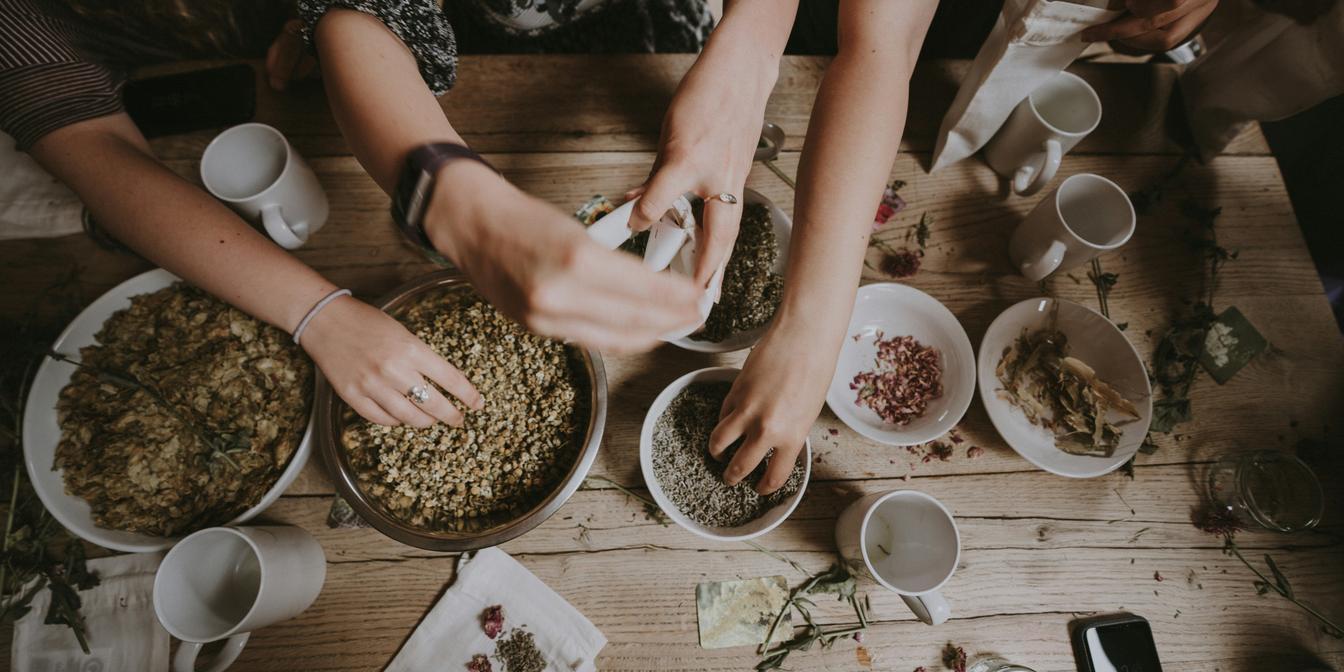
A successful Persian breakfast spread is based on contrast, not sheer quantity. Choose foods that provide different textures and allow both sweet and savoury combinations.
- Choose the bread. Select one main flatbread. Add a second only when it offers a noticeably different texture, such as lavash alongside barbari.
- Add a savoury dairy item. White cheese is the most familiar choice. Butter or thick cream can be added if sweet accompaniments are also being served.
- Prepare something fresh. A small herb plate plus cucumber or radishes is enough. Tomato can be included when it is not already featured in a cooked omelette.
- Include walnuts. Place them beside the cheese so guests can assemble noon panir sabzi.
- Choose one sweet element. Honey or a single morabba gives the table variety without crowding it.
- Decide whether you need a hot dish. For a weekday breakfast, the cold spread may be sufficient. For a leisurely meal, add omelette, adasi or halim.
- Brew the tea last. Warm the bread and pour the first glasses of tea just before everyone sits down.
A simple everyday menu
For two to four people, try warm lavash or sangak, white cheese, walnuts, cucumber, a handful of fresh herbs, one preserve and black tea. This arrangement covers the essential savoury, sweet, fresh and hot-drink components without requiring any cooking.
A larger weekend breakfast
Begin with barbari and sangak, then add panir, butter, honey, morabba, walnuts, herbs, cucumber, tomato and radishes. Choose one cooked centrepiece, such as Persian tomato omelette or adasi, and serve tea throughout the meal. Fruit can follow once the warm food has been cleared.
Common Mistakes to Avoid
- Serving bread cold and stiff: Gentle warming can dramatically improve texture, especially for chilled or previously frozen flatbread.
- Using too many toppings: A Persian breakfast is generous but does not need to become an overloaded buffet. Choose a few ingredients that work together.
- Forgetting fresh contrast: Cheese, butter and bread can feel heavy without herbs, cucumber, radishes or tomato.
- Letting tea over-brew: Prepare enough for the first round, then use fresh hot water or a new pot as needed.
- Treating one menu as universal: Iranian breakfast foods and serving habits differ among regions and families. Present the spread as adaptable.
- Cooking several hot dishes at once: One warm centrepiece usually creates a more manageable and enjoyable meal.
Finding Persian Breakfast Ingredients
Outside Iran, the most specialised items are usually Iranian flatbreads, white cheeses, tea and particular preserves. Fresh herbs, cucumbers, walnuts, butter, honey and eggs can generally be selected locally. If an exact bread is unavailable, choose a fresh flatbread with a texture suited to the intended topping rather than abandoning the meal.
For a broader overview of pantry and chilled items, the guide to ordering Persian groceries online in the UK explains the types of Iranian foods commonly available through specialist shops.
Bringing the Persian Breakfast Tradition to Your Table
The best introduction to Persian breakfast foods is not an enormous feast. Start with warm bread, panir, walnuts, herbs and black tea, then add honey, morabba or a cooked dish as the occasion allows. The result should feel communal, adaptable and easy to share—a breakfast built from simple foods that become more interesting when enjoyed together.
Frequently Asked Questions
What do Iranians traditionally eat for breakfast?
A traditional Iranian breakfast commonly includes fresh flatbread, white cheese, walnuts, herbs, cucumber, butter, honey or fruit preserves and black tea. Cooked options such as tomato omelette, adasi and halim may be served when there is more time.
What are the most common Persian breakfast foods?
The most familiar foods are sangak, barbari, lavash or taftoon bread; panir; walnuts; fresh herbs and vegetables; morabba or honey; and Persian black tea. Eggs and warm lentil or wheat dishes are also popular.
Which bread is best for a Persian breakfast?
There is no single best bread. Sangak is excellent with cheese and herbs, barbari suits butter, honey and eggs, lavash makes flexible wraps, and taftoon works with both sweet and savoury accompaniments.
What cheese is eaten for breakfast in Iran?
Breakfast is commonly served with panir, usually a white cheese that may range from mild and soft to firmer and saltier. It is often paired with bread, walnuts, herbs, cucumber or radishes.
What is noon panir sabzi?
Noon panir sabzi means bread, cheese and herbs. A piece of flatbread is filled with white cheese and fresh herbs, often with walnut added, then folded into a small bite.