Persian snacks offer much more than one style of sweet or savoury treat. The range spans intensely tangy fruit leather, soft nougat-style confectionery, crisp saffron sweets, delicate pastries, roasted seeds, mixed nuts, dried fruit and familiar packaged biscuits. Whether you are building a tea tray, choosing a gift or simply looking for a different desk snack, there is an accessible place to begin.
This guide introduces the Persian snacks UK shoppers are most likely to encounter and explains how their flavours, textures and formats differ. Because recipes and packaged varieties can vary, descriptions such as “sweet”, “sour” or “nutty” are useful starting points rather than guarantees. Always check the individual product description and label when ingredients, flavourings or allergens matter to you.
Persian Snacks in the UK: A Quick Guide for First-Time Shoppers
A useful first step is to separate everyday Iranian snacks from traditional confectionery. Biscuits, wafers, crackers, seeds and dried fruit work well for lunchboxes, desks and casual tea breaks. Gaz, sohan, pashmak, qottab and assorted pastries tend to feel more celebratory and are often chosen for tea, sharing or gifting. Lavashak and packaged sour fruits sit in a category of their own: bold, fruity snacks made for people who actively enjoy sharp flavours.
If you want a quick recommendation, use these starting points:
- For intense sourness: begin with lavashak, sour plums or sour cherries.
- For a soft sweet: try gaz or a filled pastry.
- For a crisp sweet: consider sohan, a wafer or a dry biscuit.
- For savoury snacking: choose roasted sunflower, pumpkin, watermelon or melon seeds.
- For sharing: serve ajil, pistachios, mixed nuts and dried fruit in small bowls.
- For Persian tea: pair biscuits, naan berenji, qottab, gaz or sohan with freshly brewed black tea.
Shoppers putting together a wider pantry order can also consult this guide to buying Persian and Middle Eastern food online in the UK. It places snacks alongside staples such as rice, herbs, tea and accompaniments.
Choose Your First Persian Snack by Taste and Texture
Texture is often as important as flavour. Someone who enjoys a chewy fruit snack may love lavashak but find brittle sohan less appealing, while a biscuit fan may prefer a familiar wafer before moving on to traditional confectionery. This comparison offers a practical shortlist.
| Snack type | Typical flavour | Texture | Good occasion | Best suited to |
|---|---|---|---|---|
| Lavashak | Tangy, fruity and sometimes intensely sour | Chewy fruit leather | Individual snacking or a sour tasting plate | Fans of bold fruit flavours |
| Gaz | Sweet, delicate and often nutty | Soft to chewy | Tea, sharing or gifting | Nougat lovers |
| Sohan | Sweet, rich and aromatic | Crisp or brittle | Tea-time and gift selections | People who enjoy crunchy confectionery |
| Pashmak | Sweet, with flavour varying by variety | Light, airy strands | Dessert spreads and sharing | Fans of delicate sweets |
| Naan berenji and pastries | Usually gently to richly sweet | Crumbly, tender or filled | Tea trays and afternoon gatherings | Cookie and pastry fans |
| Biscuits and wafers | Familiar sweet or lightly savoury flavours | Crisp, layered or crunchy | Lunchboxes, desks and tea breaks | First-time shoppers |
| Roasted seeds | Savoury, roasted or seasoned | Crunchy | Slow, social snacking | People seeking a non-sweet option |
| Ajil and mixed nuts | Nutty, salty, sweet or fruity | Crunchy with chewy elements | Sharing bowls and gatherings | Groups with varied preferences |
| Dried fruit | Sweet, tart or a mixture of both | Chewy, firm or soft | Pantry snacking and tea trays | Fruit-focused snackers |
| Sour fruit cups | Sharp and fruit-forward | Juicier or firmer than fruit leather | Ready-to-eat individual snacking | Serious sour-snack enthusiasts |
Best for Sour-Fruit Fans: Lavashak
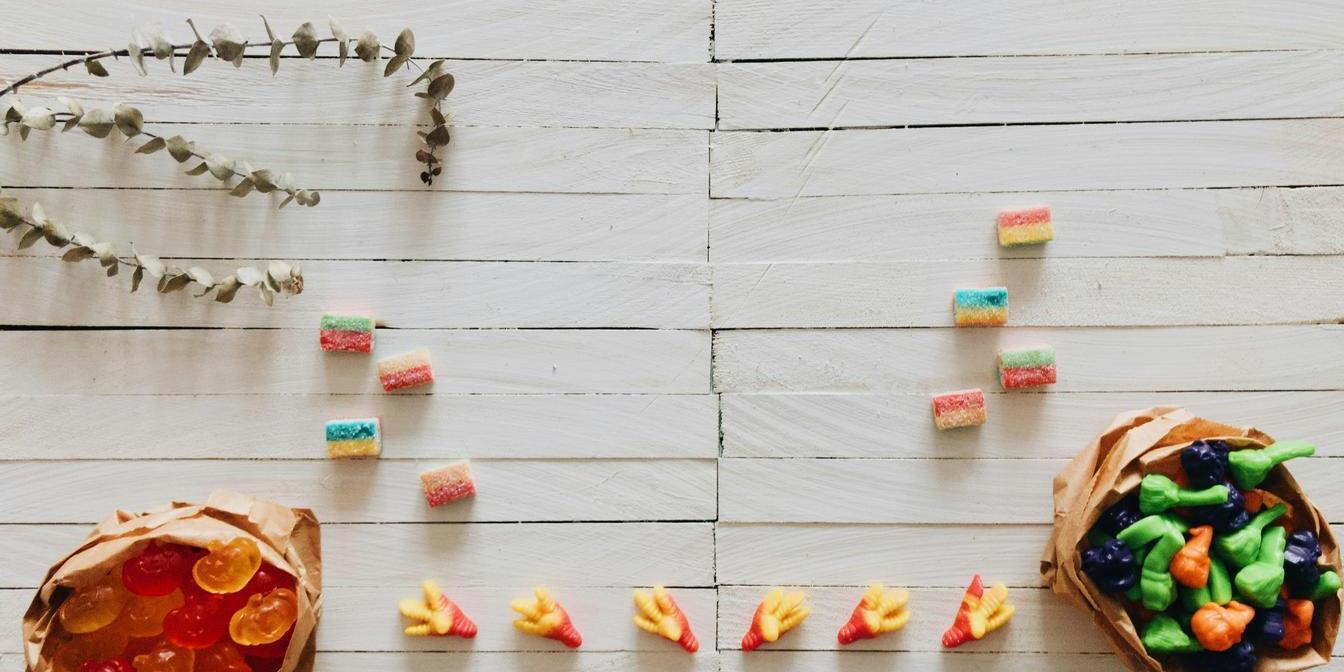
Lavashak is Persian fruit leather: a thin, chewy fruit snack known for its concentrated tang. It may be sold in sheets, strips, rolls or individual portions. Some versions balance sweetness and acidity, while others are deliberately mouth-puckering, so the fruit name and product description are important clues.
Common flavour families include plum, sour cherry, pomegranate, barberry, kiwi and mixed fruit. Plum and sour cherry are sensible choices if you want a recognisably sharp stone-fruit character. Pomegranate can combine tartness with a deeper fruit profile, while kiwi and mixed-fruit options offer a different route into the category. These are general flavour guides; the exact taste and composition depend on the individual product.
For an introductory assortment, mixed Iranian lavashak lets you begin with a tangy mixed-fruit style. Shoppers who already know they enjoy a pronounced cherry taste may prefer a soft sour-cherry fruit roll, while pomegranate fruit leather in an individual pack is a convenient alternative.
Choose the format according to how you will eat it. A smaller roll or pack is convenient for trying one flavour, whereas a larger sheet or mixed selection is better suited to cutting into portions for a sour-snack platter.
Best for a Soft, Nutty Sweet: Gaz
Gaz is a nougat-style Persian confection and a strong contrast to sour lavashak. Its texture can range from soft and tender to noticeably chewy. Varieties can also differ in their nuts, flavourings, coating and presentation, so two boxes labelled gaz may provide quite different eating experiences.
Gaz is particularly well suited to tea because a small piece provides a distinct sweet element without requiring a plated dessert. It also works in a sharing selection alongside contrasting textures such as crisp sohan, crumbly cookies and pistachios.
When choosing gaz, consider three points: whether you prefer a softer or firmer bite, how prominent you want the nuts to be, and whether individually wrapped pieces would be more practical than a larger shared format. For gifting, presentation may matter; for home snacking, portion size and texture are usually more useful deciding factors.
Best for a Crisp Saffron Treat: Sohan
Sohan is the option to consider when you want a crisp or brittle Persian sweet rather than a soft one. It is associated with Persian tea-time and gift selections, and its characteristic snap makes it a useful textural partner for gaz.
Slab-style sohan creates the most traditional shared presentation but may need to be broken into manageable pieces. Bite-sized pieces are easier to portion and serve neatly. Sesame varieties offer another style within the broader category, with a texture and flavour balance that can differ from saffron-focused brittle. Check each listing rather than assuming every type has the same composition.
Best for a Light, Airy Sweet: Pashmak
Pashmak is a Persian-style spun-sugar confection with a fine, airy texture. It occupies a different place from dense nougat, filled pastry or hard brittle and can add visual and textural variety to a dessert spread.
It is a good choice for sharing when guests want small tastes rather than substantial portions. Handle it gently and serve it separately from moist fruit or other snacks that could affect its delicate strands. Not every cotton-candy-style product follows one traditional recipe, so use the individual description to confirm the particular style and flavour.
Best with Tea: Naan Berenji, Qottab and Other Persian Pastries
Naan berenji, qottab and assorted Persian pastries make a natural tea-time group, but they should not be treated as interchangeable. Naan berenji is known as a crumbly rice cookie, whereas qottab is a filled pastry. Assorted confectionery boxes may combine several sizes, textures and levels of sweetness.
Choose according to the way you plan to serve them:
- For a light tea tray: select small, crumbly cookies that are easy to portion.
- For a more substantial treat: choose a filled pastry with a denser bite.
- For guests: an assortment reduces the need to predict one shared preference.
- For pairing with other sweets: use smaller portions so gaz, sohan, fruit and pastries can all be sampled.
The tea itself can be simple or aromatic. If you are comparing black tea, cardamom, Earl Grey and saffron-style options, the guide to choosing and serving Persian tea in the UK explains the distinctions in more detail.
Best for Everyday Snacking: Iranian Biscuits and Wafers
Iranian biscuits, cream biscuits, wafers and crackers are among the easiest entry points for first-time shoppers. Their formats are familiar, they are simple to portion, and they fit naturally into a lunchbox, desk drawer or everyday tea break.
Use texture to narrow the choice. Wafers have a light, layered crunch; cream biscuits offer a more substantial sandwich-style bite; plain biscuits suit people who want something straightforward with tea; and crackers provide an alternative to sweet confectionery. Flavour and ingredients vary by brand and variety, so check the current listing and package label before choosing.
These familiar products are also useful when creating a mixed order for a household. A bold snack such as lavashak may divide opinion, while biscuits and wafers provide an accessible option for anyone who prefers a less adventurous starting point.
Best Savoury Choice: Roasted Seeds
Roasted seeds are a classic slow, social snack. Sunflower, pumpkin, watermelon and melon seeds may be eaten while talking, watching television or sitting around a shared table. The process of opening shell-on seeds makes the snack more leisurely than eating a handful of ready-shelled nuts.
Seasoning and shell format vary. Some packs may be plain or lightly roasted, while others use more prominent seasoning. Some require shelling and others may be ready to eat. Check the individual description so the format matches the setting: shell-on seeds can be enjoyable for relaxed home sharing, but shelled options are usually more convenient at a desk or on the move.
Best for Sharing: Ajil, Pistachios and Mixed Nuts

Ajil refers broadly to snack combinations built around nuts, dried fruit and related ingredients. The contrast is part of the appeal: crunchy nuts can be mixed with chewy raisins, mulberries or other fruit, creating a bowl that offers several flavours and textures.
Everyday mixes tend to be chosen for casual household snacking, while seasonal selections may be associated with gatherings such as Yalda or Chaharshanbe Suri. There is no need to assume that every ajil blend follows one fixed formula. Some emphasise pistachios and other nuts; others contain a more noticeable dried-fruit element.
For a simple sharing table, serve one bowl of mixed nuts or ajil beside a separate bowl of roasted seeds. This keeps shell-on snacks apart from ready-to-eat mixtures and allows guests to choose between seasoned, salty, sweet and fruity elements. If serving gaz or sohan as well, use smaller nut portions so the table does not become too rich or repetitive.
Best Naturally Sweet Option: Dried Mulberries and Other Dried Fruit
Dried mulberries, figs, dates, raisins and jujube are traditional pantry snacks with varying degrees of sweetness and chew. Tart dried fruits can provide a sharper counterpoint, especially in a mixed bowl containing nuts or sweeter fruit.
Texture should guide your choice. Mulberries and raisins are easy to scatter into an ajil-style mix, while larger figs or dates create more substantial individual pieces. Jujube and tart fruits can feel firmer and provide variety for people who do not want every item to taste equally sweet.
“Dried fruit” does not automatically describe one standard product. Added ingredients, coatings, processing and pack formats can differ, so inspect the label rather than making assumptions based only on the fruit name.
Best for Serious Sour-Snack Lovers: Sour Plums, Cherries and Cornelian Cherries
Lavashak is not the only route into sour Persian snacks. Packaged plums, sour cherries, Cornelian cherries and other tart fruit snacks provide a fruit shape and bite that leather does not. They may feel juicier, firmer or more uneven in texture, whereas lavashak is generally flatter, denser and consistently chewy.
A ready-to-eat cup of tangy Iranian sour cherries is suited to shoppers who want individual fruit pieces rather than a roll. Alternatively, Iranian sour plums in a snack cup offer a different stone-fruit experience.
If you are new to this style, begin with one cup or a small lavashak pack instead of ordering many highly sour varieties at once. Sourness is personal: a product one shopper finds pleasantly sharp may be intense to another.
How to Serve Persian Snacks at Home
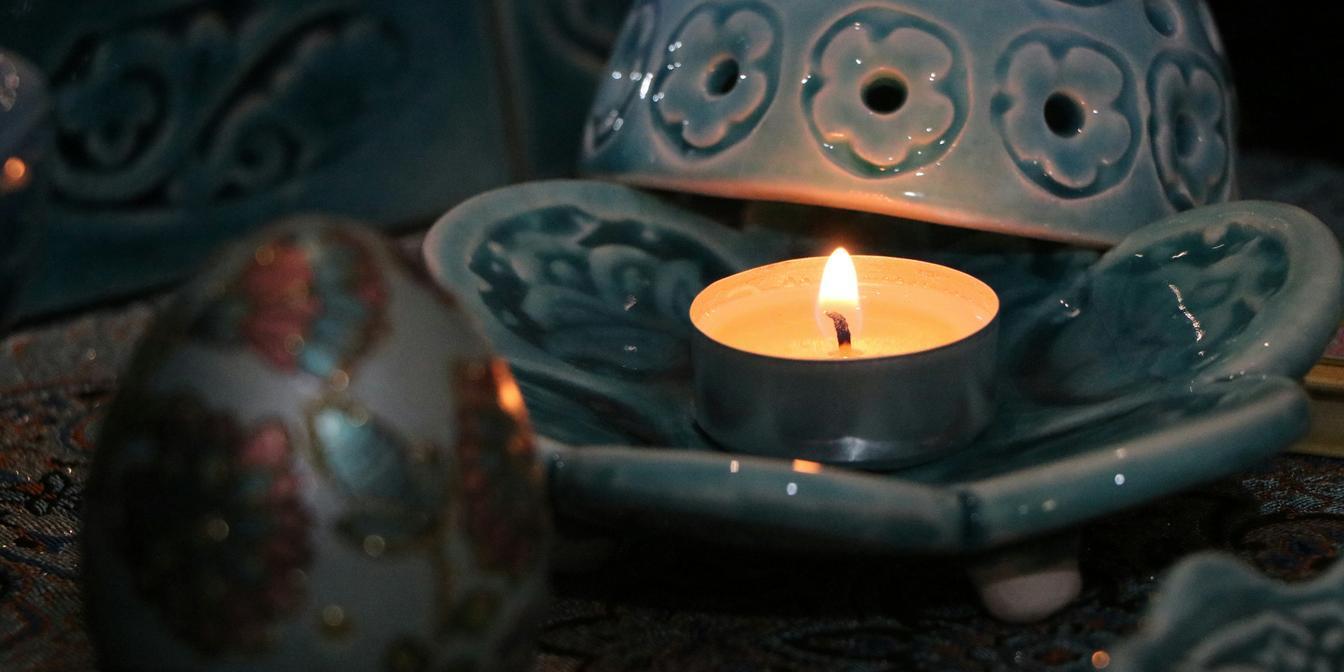
You do not need a formal occasion to create a Persian snack spread. The easiest approach is to combine contrasting flavours and textures rather than placing several similar sweets on one plate.
- Start with tea. Brew black tea and let guests adjust their own accompaniments according to preference.
- Add one soft sweet. Gaz, a filled pastry or another tender confection provides a rich element.
- Add one crisp item. Use sohan, wafers, crackers or dry biscuits to create contrast.
- Include fruit. Dried mulberries, raisins, figs or dates can bridge the gap between confectionery and nuts.
- Offer something savoury. Roasted seeds or seasoned nuts prevent the spread from tasting entirely sweet.
- Keep very sour snacks separate. Serve lavashak and sour fruit on their own plate so guests can opt in.
Small bowls and plates make the selection easier to navigate. Cut or break large confectionery into practical portions before guests arrive, but keep different products separate when their textures or coatings could mix. Retain the packaging so anyone who needs ingredient or allergen information can check the original label.
How to Buy Persian Snacks Online in the UK
When shopping through a Persian grocery online, begin with flavour and format rather than ordering only by product name. A practical first basket might contain one sour fruit snack, one tea-time sweet, one biscuit or wafer, and one savoury seed or nut option. That gives you a useful comparison without filling the order with several versions of the same experience.
Before placing an order, check:
- Pack size: decide whether you want an individual trial portion or a sharing format.
- Texture: look for words such as soft, chewy, crisp, brittle, crumbly, filled or shell-on.
- Flavour: distinguish gently fruity products from deliberately sour varieties.
- Product label: review ingredients and allergen information rather than relying on a traditional name.
- Storage directions: follow the instructions supplied with the individual product.
- Order practicalities: review the retailer’s current delivery information before checkout.
For help planning a broader order, see the complete Persian food online buyer’s guide. The separate overview of Persian grocery delivery and online product types is also useful when snacks form part of a larger shop.
A Simple Persian Snack Tasting Selection
If you are introducing friends or family to Iranian snacks, a small tasting selection is more informative than a large quantity of one product. Try arranging five contrasting choices:
- A mixed-fruit or sour-cherry lavashak for tang and chew.
- Gaz for a soft nougat-style sweet.
- Sohan or a wafer for crispness.
- Roasted seeds or pistachios for a savoury, crunchy element.
- Dried mulberries, raisins or another dried fruit for a naturally fruit-led finish.
Serve the sourest item last if you want the subtler sweets to remain easy to taste. Alternatively, place everything out together and label the categories as soft, crisp, savoury, fruity and very sour. This helps guests choose according to preference and makes the differences between Persian sweets, everyday snacks and sour-fruit specialities immediately clear.
Finding Your Favourite Persian Snack
The best first choice depends less on tradition or popularity than on your preferred flavour and texture. Lavashak and fruit cups suit committed sour-snack fans; gaz and pastries appeal to people who like soft sweets; sohan, biscuits and wafers provide crunch; and roasted seeds, pistachios and ajil work well for savoury snacking and sharing.
Start with a few contrasting products, pay attention to format as well as flavour, and check each current description and label. That approach makes exploring Persian snacks in the UK enjoyable, practical and far less overwhelming.
Frequently Asked Questions
What are the most popular Persian snacks to try first?
A balanced first selection includes tangy lavashak, soft gaz, crisp sohan, roasted seeds and an Iranian biscuit or wafer. Choose contrasting textures so you can discover whether you prefer sour fruit, traditional confectionery or savoury snacks.
Where can I buy Persian snacks in the UK?
Persian and Iranian supermarkets in the UK commonly sell snacks in-store or online. Check the product description, pack size, label information and the retailer’s current delivery terms before ordering.
What is lavashak, and what does it taste like?
Lavashak is Persian fruit leather with a dense, chewy texture. Its taste can range from fruity and sweet-tangy to intensely sour, with varieties including plum, sour cherry, pomegranate, kiwi and mixed fruit.
What is the difference between gaz and sohan?
Gaz is a nougat-style Persian confection that is generally soft or chewy. Sohan is typically crisp or brittle, making it the crunchier choice. Both can be served with Persian tea, but their textures are distinctly different.
Which Persian snacks are savoury rather than sweet?
Roasted sunflower, pumpkin, watermelon and melon seeds are popular savoury choices. Salted or seasoned pistachios, mixed nuts and crackers are other options, although seasoning and ingredients vary by product.